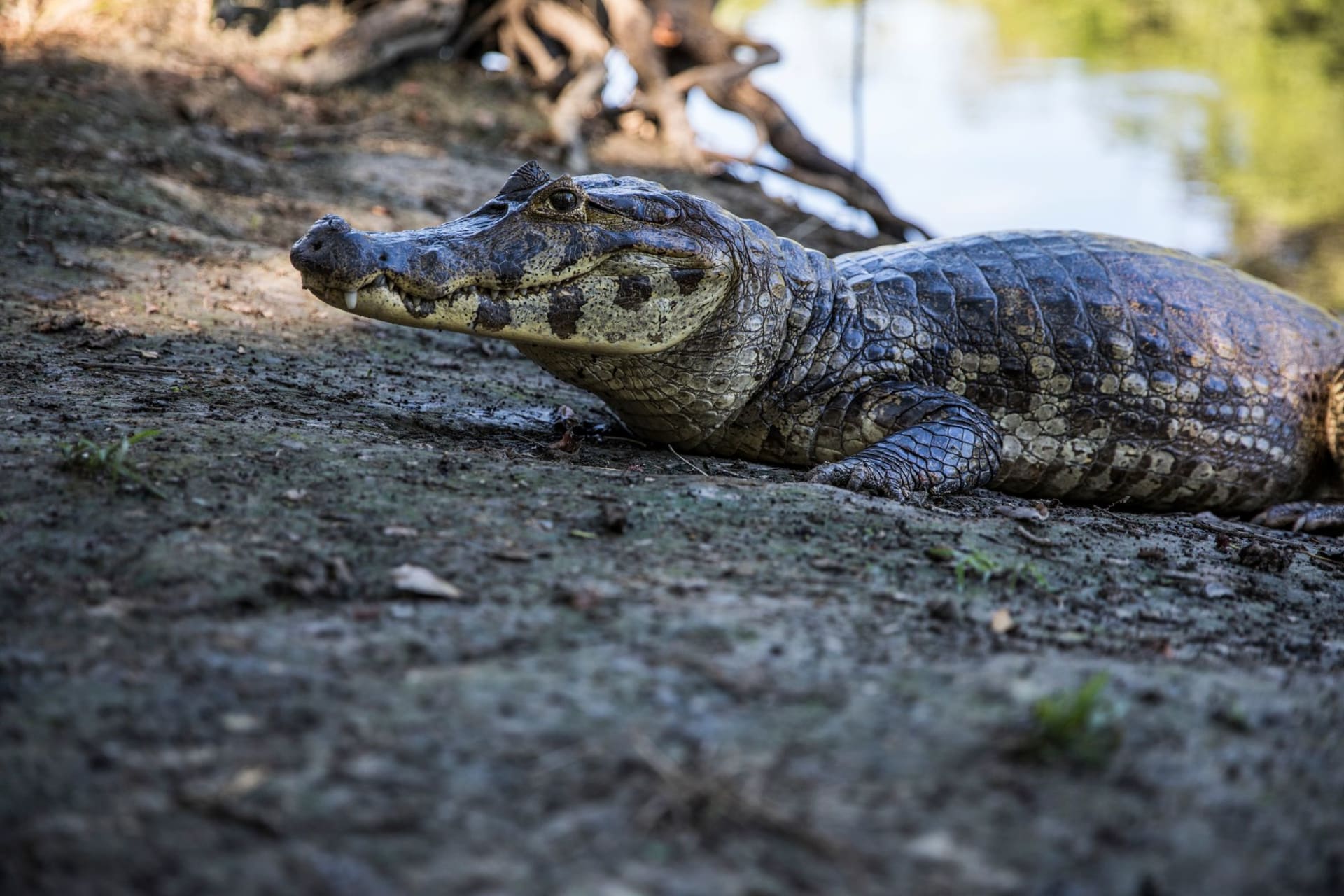
Nhecolândia
"Twelve thousand lakes and not one of them looks like it belongs to the same planet as the mud around it."
The number twelve thousand is the figure the guides give you for the lagoons of Nhecolândia, and even knowing the number in advance doesn’t prepare you for the reality of them. From the air — if you manage to catch a small-plane transfer between fazendas, which I did, and which I recommend with full force — the landscape below looks like someone dropped a box of mirrors into tall grass. The lagoons, called salinas, are perched above the water table rather than fed by the seasonal flood: slightly elevated, mineral-rich, and startlingly, improbably turquoise against the surrounding gold-green savannah. I pressed my face against the window for the entire forty-minute flight and took no photographs worth keeping and didn’t care at all.
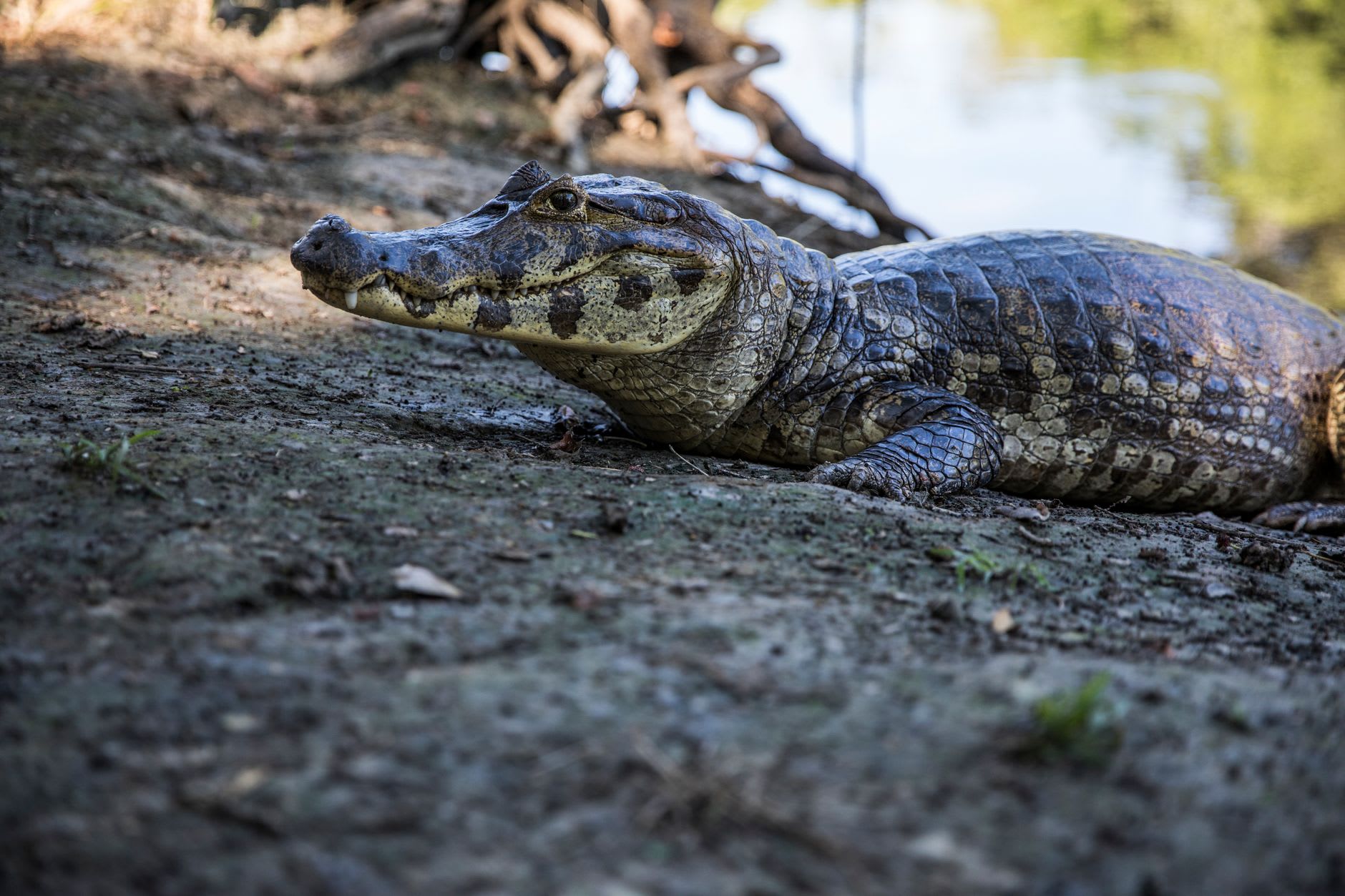
Nhecolândia is the southern Pantanal’s most biodiverse sub-region, and visiting it means staying on a fazenda — a working cattle ranch, as often as not, that has opened some rooms to guests. The rhythm is ranch rhythm: up before dawn, coffee in darkness, out by horseback or pirogue or on foot. The guides here tend to be pantaneiros born to this land — people who can track a giant anteater from a scrape on a termite mound, or hear the difference between a marsh deer and a tapir moving through reeds forty metres away. My guide Edvaldo, who had worked the same fazenda for twenty-three years, pointed out a capybara family with the same mild interest he would have given a parked car. The capybaras numbered, on rough count, forty. They did not look up.
What Nhecolândia offers that the northern Pantanal, with its famous jaguar circuit, does not is this: a genuine immersion in the working culture of the Pantanal. The fazendas are not themed parks. They run cattle — zebu, mostly, slow and white and enormous — across land that floods and drains on a seasonal cycle that shapes every decision. The pantaneiro cowboys manage herds across flooded campos by horse, by boat, sometimes by swimming. At the fazenda where I stayed, the morning round-up started at five and I was offered a horse and told to follow, which I did, for four hours, through knee-deep water and over cordilheiras — the raised earthen ridges that cross the floodplain — until the cattle were counted and the horses were unsaddled and breakfast appeared.
The food at the fazendas reflects the isolation: what arrives by truck, what is grown or raised on site, and what the river provides. Beef, obviously, in quantities and preparations that make you understand why people who work outdoors all day might need it. Fresh cheese, made from the morning’s milk. Pequi rice, the peculiar regional combination of the saffron-yellow fruit that smells like armpit and tastes, somehow, completely right when cooked into rice with butter. The tereré runs constantly — a clay pot of cold maté passed hand to hand, the social glue of the Pantanal, never refused.
When to go: June through October for wildlife and accessible roads. The salina lagoons are most vivid in the dry season when the surrounding land is at its driest and the contrast is sharpest. The wet season (November to April) transforms the sub-region into an inland sea — spectacular from the air, beautiful in its own right, but inaccessible by road and requiring boat or plane for all movement between fazendas.