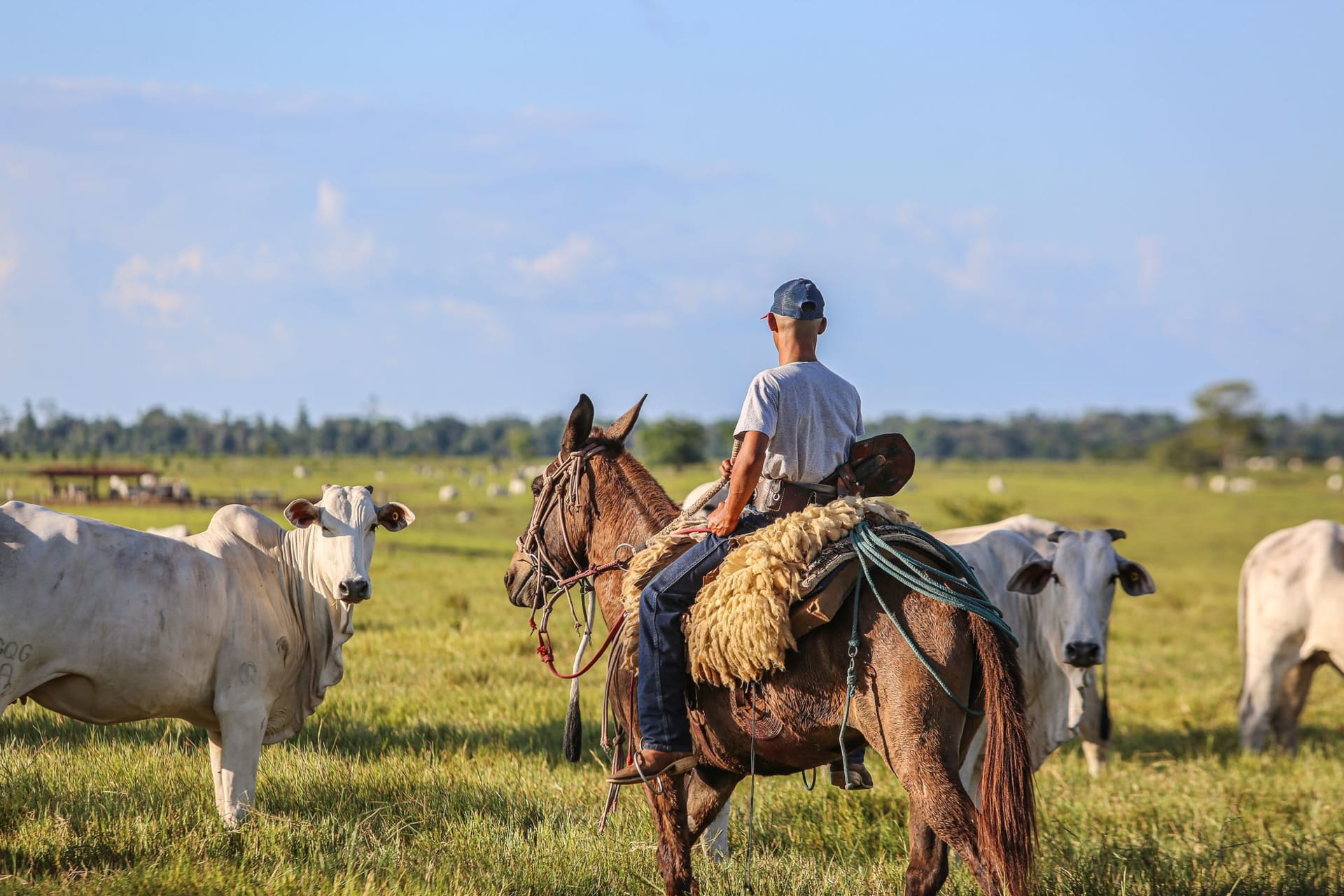
Campo Grande
"I came for the logistics of getting somewhere else. I stayed an extra night for the sobá."
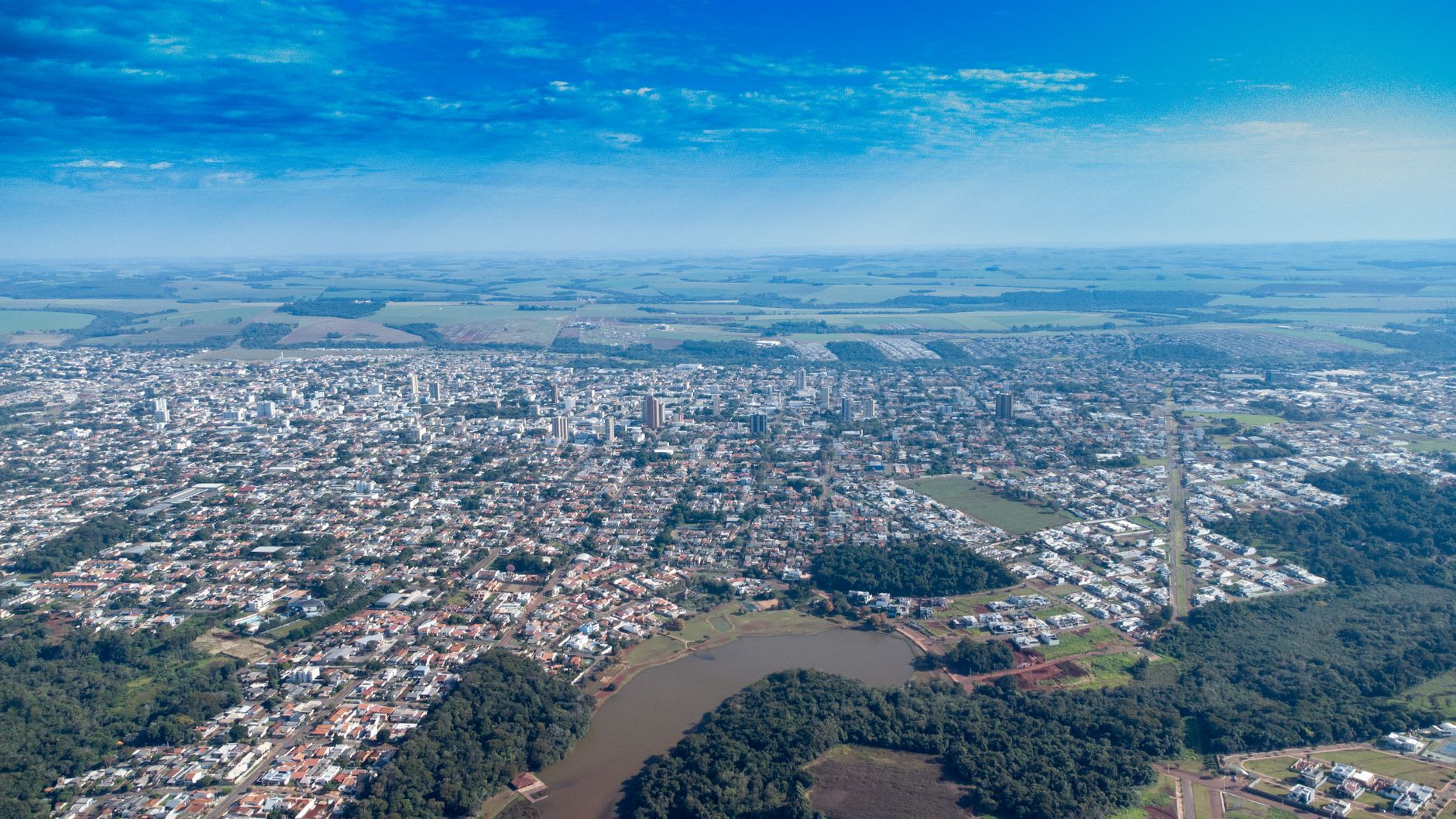
Campo Grande is not where most people intend to linger. It is a gateway — to the Pantanal, to Bonito, to the Chapada dos Guimarães — and most visitors treat it accordingly: a night’s sleep, a supermarket run, a car hire, and then departure. I did the same the first time I passed through. The second time, I gave it a proper day, and was quietly surprised. The city has a wide, unhurried quality to it, laid out on a grid of broad avenues with red earth verges and an absolute abundance of trees — Campo Grande has one of the highest urban tree-to-person ratios in Brazil, a fact locals mention with genuine satisfaction, like a secret they’re mildly pleased to share.
The Japanese connection explains a great deal. Campo Grande has a substantial Japanese-Brazilian population, descendants of immigrants who arrived in the early twentieth century, and their culinary influence has been thorough and permanent. Sobá — cold buckwheat noodles in a light chicken broth, served with strips of omelette and pork and a shower of spring onion — is the dish Campo Grande identifies with above all others. It is not obviously Brazilian, not obviously Japanese; it is entirely its own thing, evolved in this particular latitude. I ate it first at a simple counter spot on the Rua 14 de Julho, sitting on a plastic stool while the street traffic churned past the door, and the flavour was clean and specific and almost startlingly good for something served cold in heat.
The Mercado Municipal anchors the city’s centre and is the right place to spend an hour before anything else. Its iron-roofed stalls carry the full inventory of Pantanal and Cerrado products: pacu jerky, cured and salt-heavy and perfect torn in pieces with cold beer; pequi oil, amber-coloured; the peculiar bark and root preparations sold as traditional medicine by women who speak about their products with the quiet authority of people who have been doing this for generations. There is a dedicated section for sweets — doce de leite in every consistency, cocada, rapadura — and a café where the coffee arrives in small cups already sweetened to an intensity that I initially found alarming and then found indispensable.

On Saturday mornings the Feira Central, a few blocks from the market, fills with craft stalls selling Terena indigenous bead work and hand-woven textiles alongside the city’s most eccentric antique dealers. The feira has the particular Saturday morning energy of a city that knows how to spend the weekend — unhurried, social, fuelled by fried empanadas and plastic cups of fruit juice. It is not picturesque. The surrounding streets are functional and fairly unlovely. But something about the ease of it, the lack of performance, the quality of the food, kept me walking loops until well past noon.
When to go: Campo Grande is comfortable year-round as a transit city. April through September is the drier, cooler period — evenings can be genuinely fresh. The wet season (November to March) brings heat and afternoon storms but the surrounding landscape turns vivid green and the waterfalls near Bonito run at full force.