Aquidauana
"The horse knew where the land was solid. I was learning to trust that knowledge faster than expected."
Aquidauana is the kind of town you drive through on the way to somewhere else and then, three days later, find yourself thinking about. It sits on the south bank of the Aquidauana River — red-brown water, slow and wide — in a state of functional contentment that has nothing to prove to anyone passing through. The main street holds a hardware store, a pharmacy, a few restaurants where the lunch buffet runs to rice and beans and grilled beef and one excellent preparation of pintado in tomatoes and onions that I ate twice on the same day, sitting at the same plastic table under the same ceiling fan, and wasn’t embarrassed about it at all. The pace of the street outside matched the pace of the river: deliberate, unhurried, not going anywhere particularly fast.
What draws people to Aquidauana — besides those who come specifically for the neighbouring Pantanal lodges along the Estrada Parque — is the horse. The southern Pantanal’s cowboy culture, the peão pantaneiro, is not a tourist performance here; it is the actual economic and social structure of the region. The fazendas that ring the town have been running cattle on seasonally flooded campos for generations, and the horsemen who manage them are part of a tradition that goes back to the earliest Portuguese colonial ranching. I hired a horse for two days at a fazenda an hour east of town and was paired with a guide named Gilson who communicated primarily in silences interrupted by pointing, which turned out to be the exactly right amount of information for someone on a horse in a flooded campo at dawn.
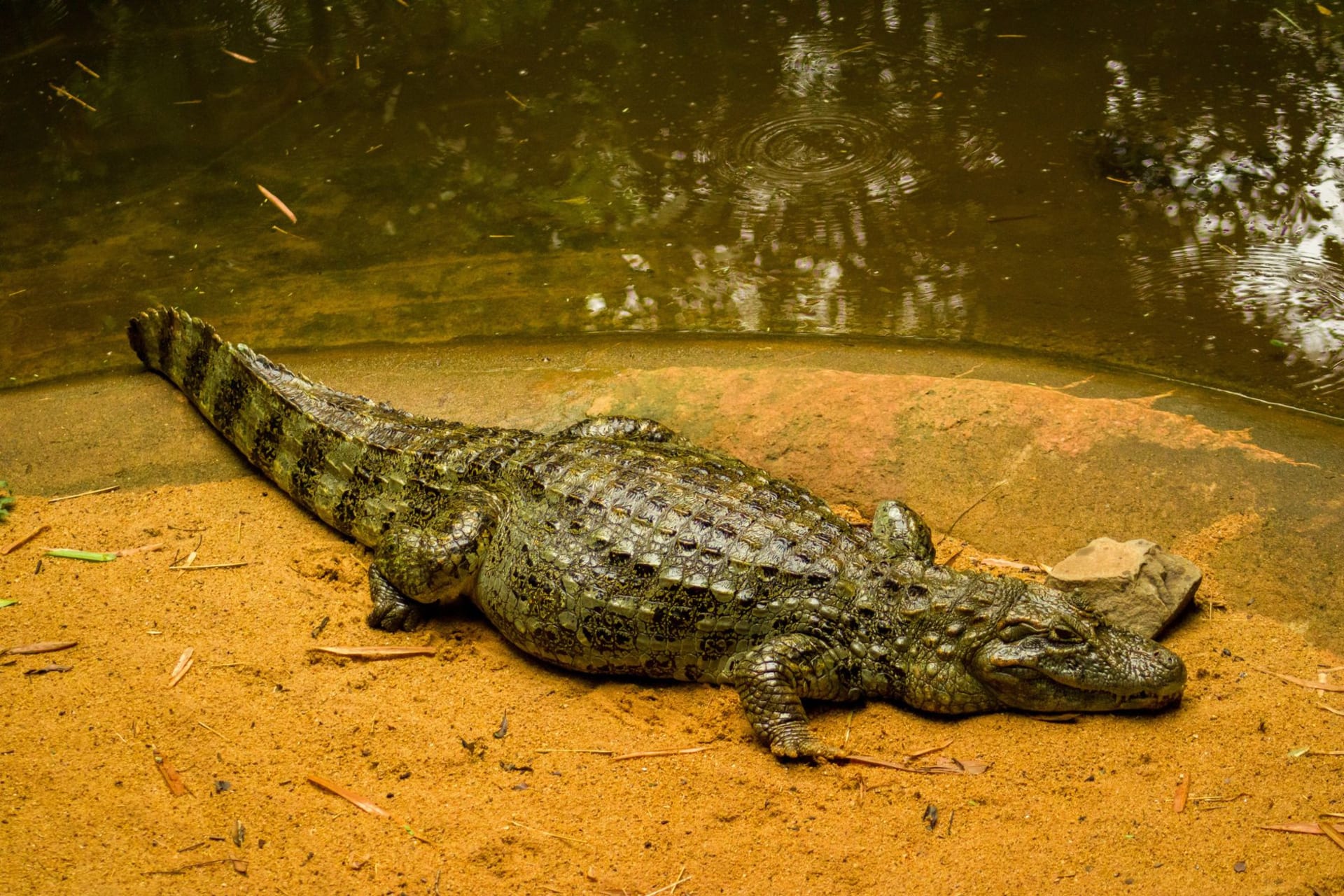
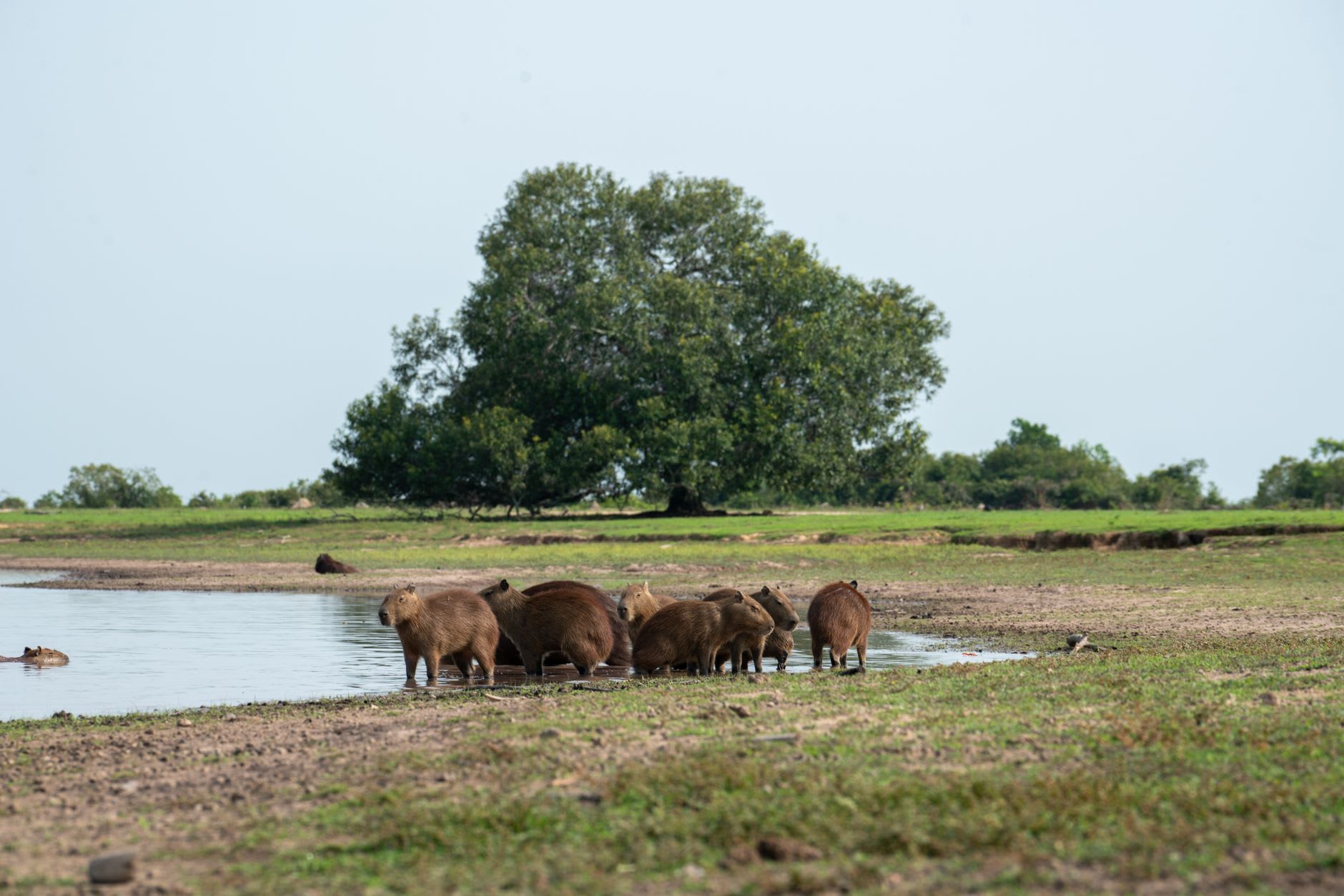
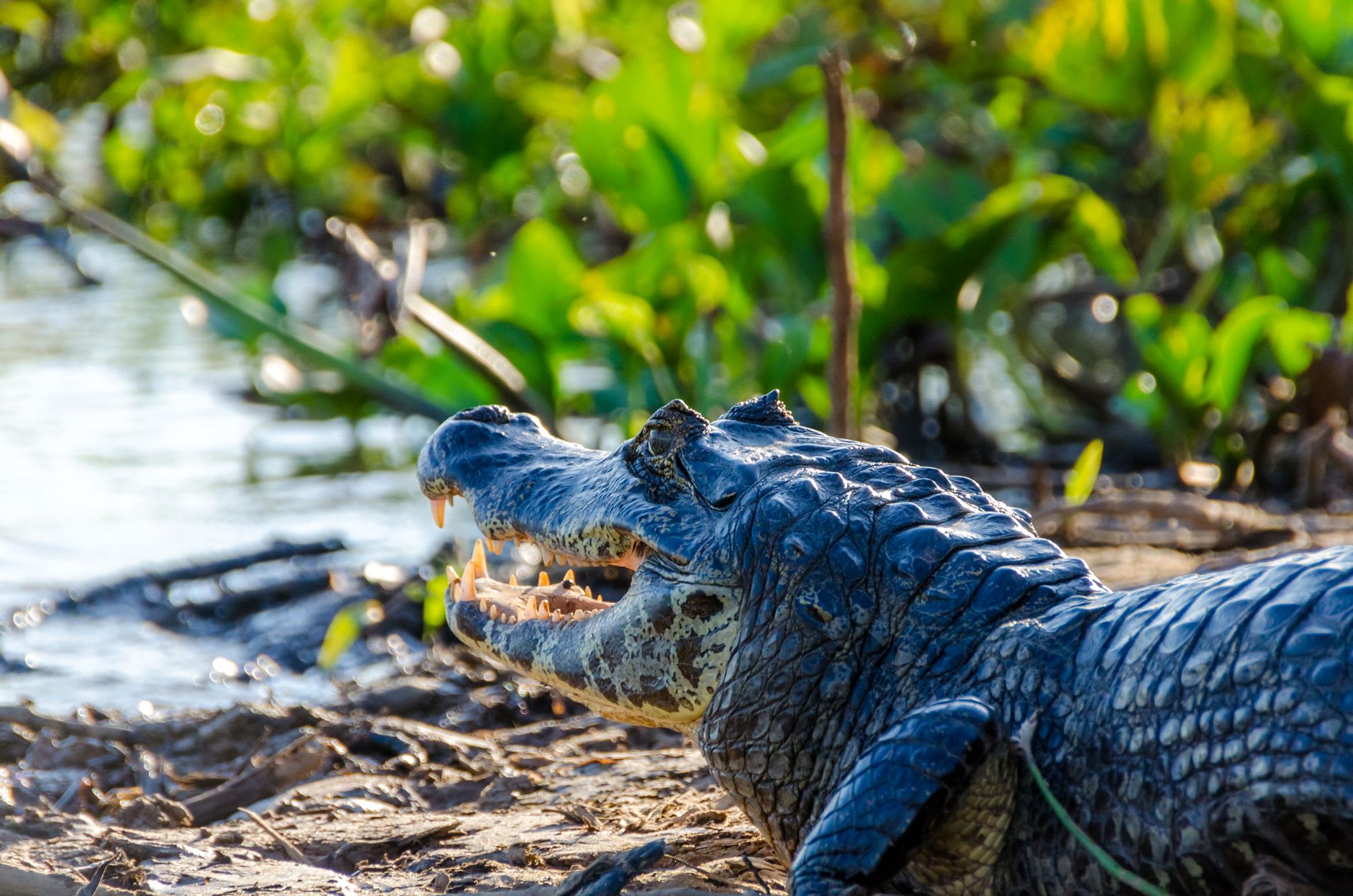
The Estrada Parque, the road that runs from Aquidauana into the heart of the southern Pantanal, passes through flooded campos and forests of carandá palm where hyacinth macaws roost in pairs, and over low wooden bridges where caimans assemble at dawn with the focused attention of people waiting for something specific. The road is slower than the Transpantaneira in the north — less famous, therefore less trafficked, therefore better in the particular way that slightly harder-to-reach things are often better. The animals have not been habituated to a parade of vehicles. A marsh deer standing in the shallow water at the edge of the road turned and stared at our truck for a full thirty seconds before deciding we weren’t worth the energy of running.
At night on the fazenda, dinner was cooked outdoors on a wood fire in a cast-iron pot — a tradition called the fogueira — and the smell of charred wood and beef fat drifted across the fields as the frogs started their business in the nearby lagoons and the stars over the Pantanal asserted themselves with the arrogance of places that have not competed with electric light for very long. Someone passed around a bottle of canha — sugar cane spirit — and Gilson told a story about a jaguar that came into the cattle pen two years ago, which lasted twenty minutes and involved a great deal of mime and ended with the jaguar leaving of its own accord, satisfied with one calf, the rest of the herd traumatised, and Gilson standing alone in the dark with a torch.
When to go: May through October for the best horse riding and dry-season wildlife. June and July offer the most comfortable temperatures — cool enough at night for a blanket, warm during the day. The Estrada Parque is accessible year-round but some sections are impassable in the wet season; call ahead before attempting it between December and March.