San Blas Islands
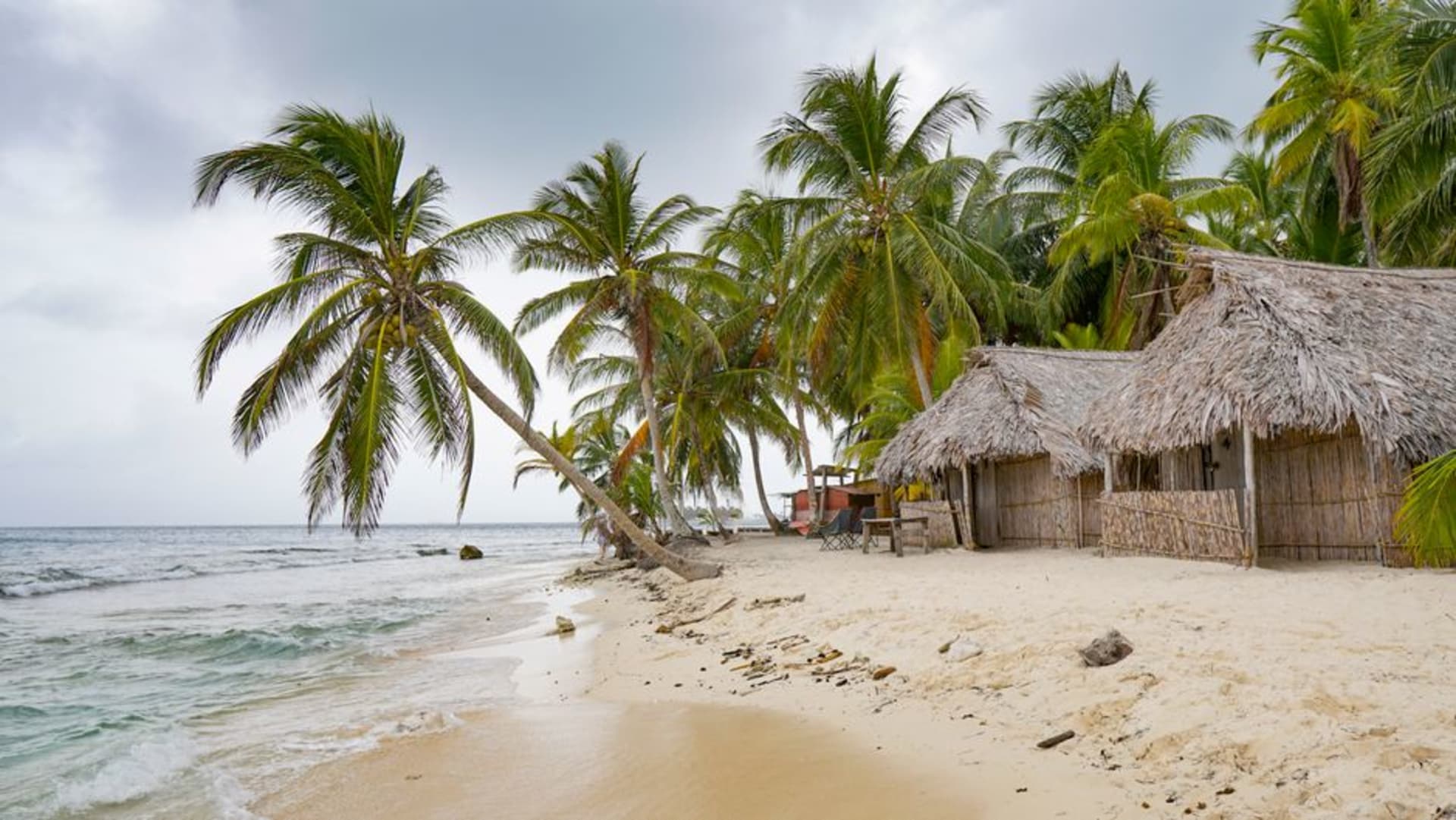
"Some of the smallest islands on earth fit maybe four palm trees and one hammock. That was enough."
Nearly four hundred palm-covered islets scattered across turquoise Caribbean water, governed not by Panama but by the Guna people themselves.
The road to San Blas — Guna Yala, properly — is part of the experience whether you want it to be or not. We left Panama City before dawn in a 4x4 that climbed into cloud forest and then dropped, with alarming steepness, toward the Caribbean side of the isthmus. By the time we reached the boat launch at Carti, we had crossed an entire mountain range in under two hours and arrived somewhere that felt like a different country entirely, because in the ways that matter, it is. Guna Yala is an autonomous indigenous comarca, self-governed by the Guna people under their own congress, and they decide who comes, where the lodges go, and how many of them there are.
The islands themselves border on absurd. Some are large enough for a village of a few hundred people; others are so small that a family occupies the entire thing — a dozen palm trees, one thatched hut, a wooden dock, and water that goes from pale green to navy within twenty meters. Our boatman cut the engine near an island I couldn’t have paced across in ninety seconds and told us this was lunch. We ate freshly grilled corvina off a banana leaf while Guna women worked molas nearby — the intricate reverse-appliqué textiles that are their signature art form, layers of cut and stitched cloth built up into geometric birds and spirits, sold nowhere else in the world in this exact form.
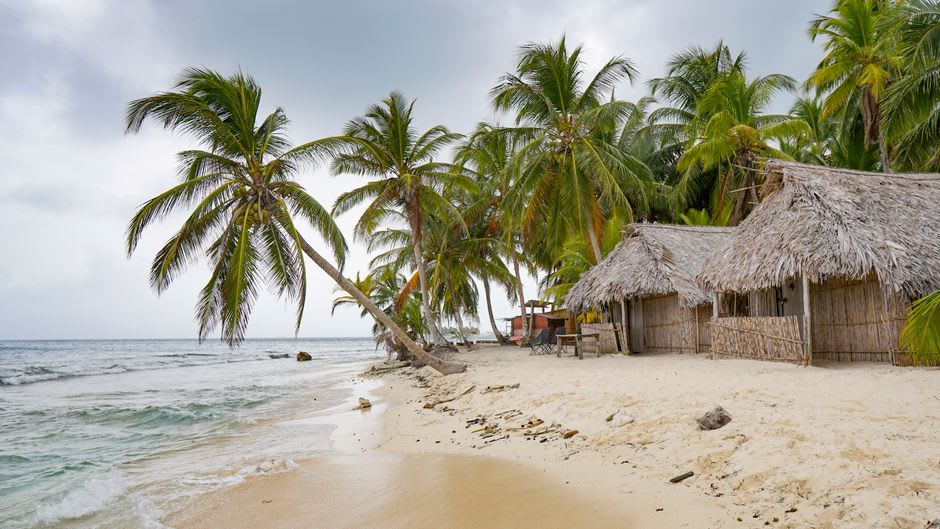
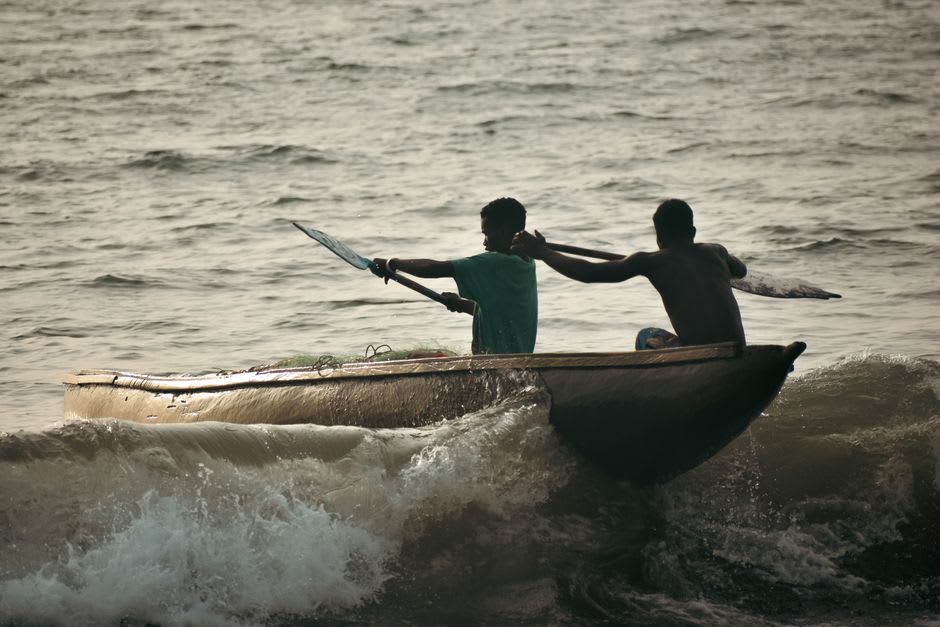
What stayed with me longer than the water — and the water is extraordinary, some of the clearest I’ve swum in anywhere — was the night we spent on an island with no electricity beyond a single generator that ran until nine. We slept in hammocks strung between posts, listened to Guna men talk in their own language around a fire, and woke to a sky so free of light pollution that the Milky Way looked like it had been spilled across it. A Guna cayuco, a dugout canoe carved from a single trunk, passed silently in the dark, someone paddling home from a neighboring island for reasons I never learned.
When to go: December through April is driest and calmest for boat crossings between islands. The rest of the year brings squalls that can strand you a day longer than planned — which, in San Blas, is rarely a hardship.
Keep exploring
More from panama
 panama
 Santa Catalina
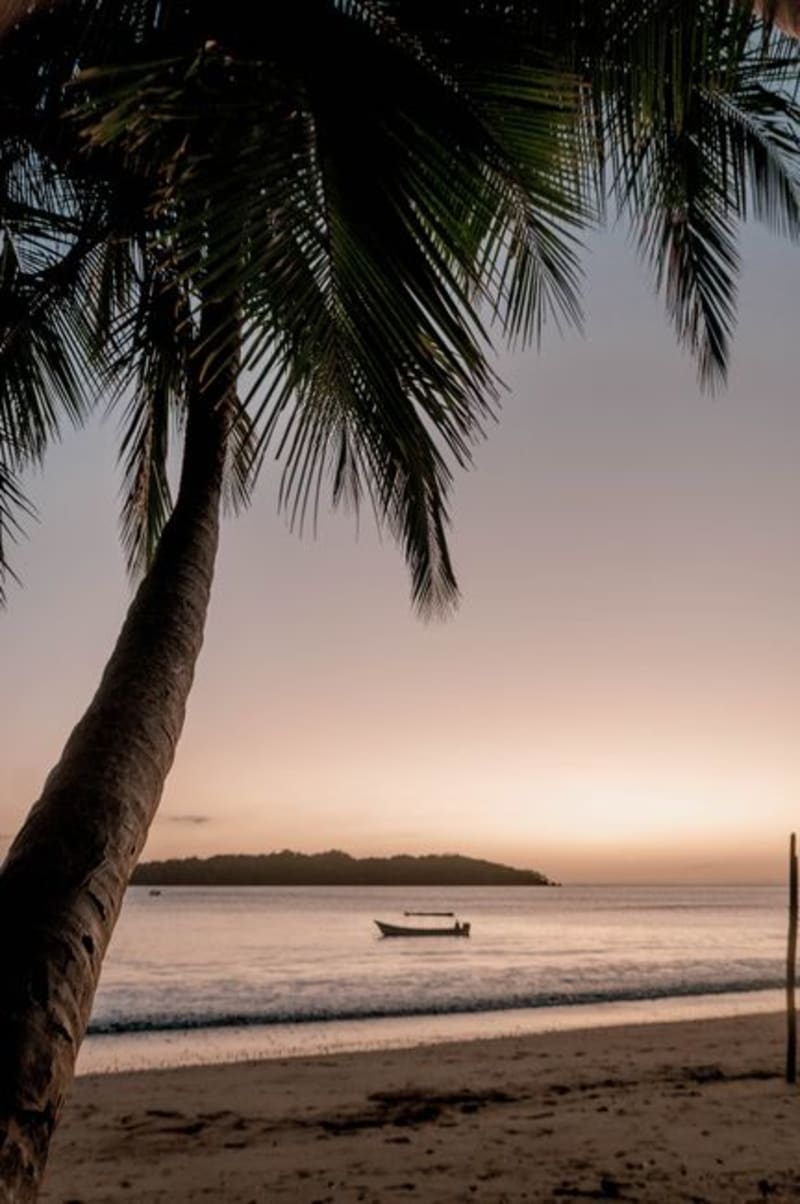
A dirt-road fishing village with one of the best point breaks in Central America and a boat launch that leads straight to Coiba.
Explore panama
 Santa Fe de Veraguas
A cool, orchid-growing mountain town in central Panama that feels like Boquete before anyone discovered it.
Explore panama
 Volcán
The quieter western approach to Volcán Barú, where cattle ranches and cool highland air replace Boquete's cafés and crowds.
Explore panama
 Barro Colorado Island
A hilltop stranded by the flooding of Gatun Lake, now the oldest continuously studied tropical research station on earth.
Explore panama
 Boca Chica
A tiny fishing village on the Gulf of Chiriquí that opens onto a scattered marine park of islands, sportfishing grounds, and migrating whales.
Explore panama
 Bocas del Toro
A Caribbean archipelago of stilted villages, coral gardens, and lazy days that feel stolen from another era.
Explore