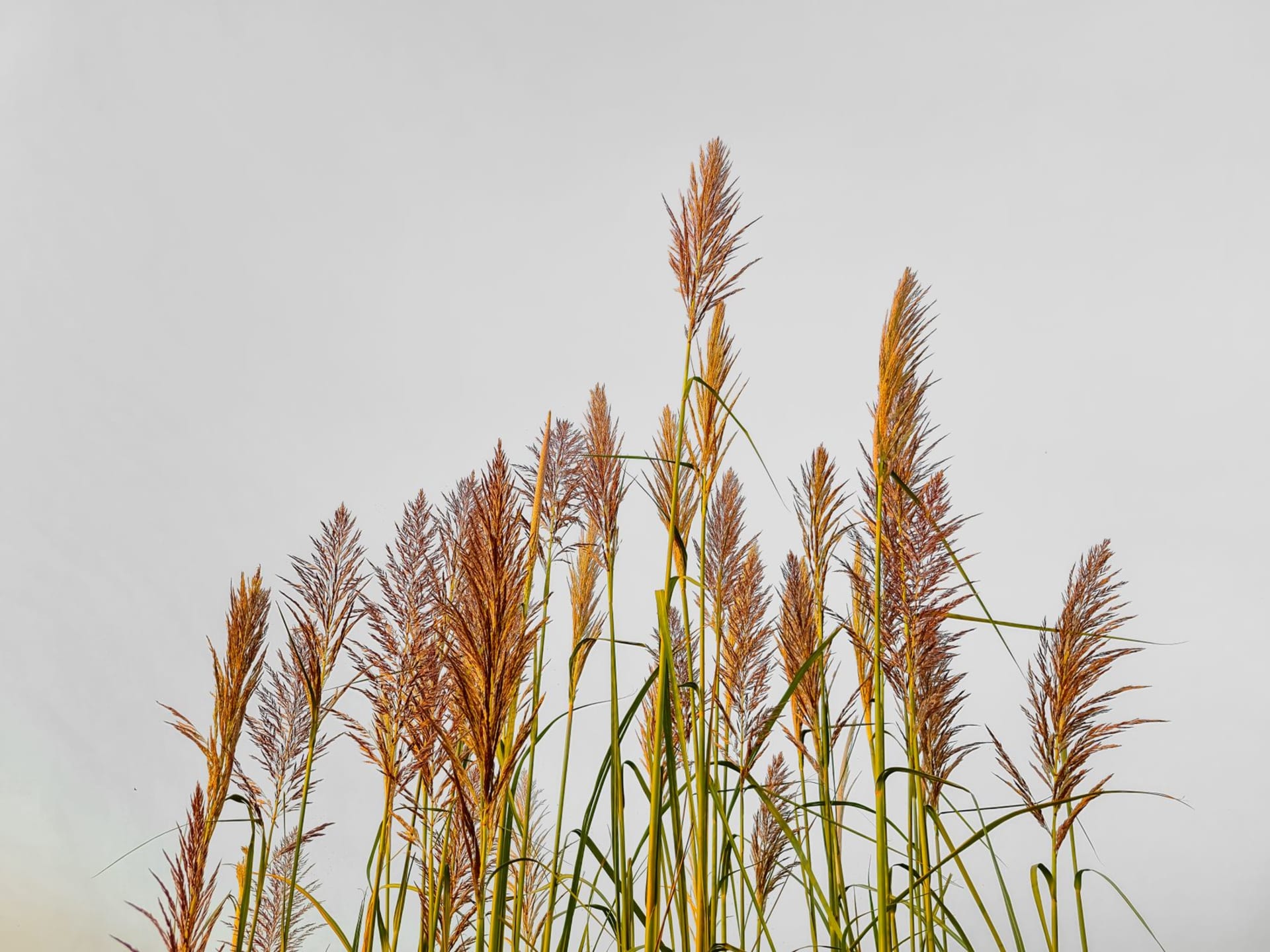
Tandil
"The hills appeared out of nowhere after 300 kilometers of flat — I genuinely gasped."
Where the flat pampas suddenly breaks into granite hills, and the charcuterie is so good you'll rearrange your luggage to take it home.

The first sign that Tandil is different is topographical. You have been driving south from Buenos Aires through the unbroken grammar of the pampas — flat, green, infinite — and then, somewhere around kilometer 350, the land begins to hump and heave. Granite outcroppings push through the grass. The road begins to curve. And then the hills are real, actual hills, worn smooth by time but genuinely there, and below them the city of Tandil is laid out in a bowl of valleys with church towers and park trees and, everywhere, that particular quality of light that only happens when elevated land catches the morning at a different angle. I pulled over. I did not expect hills. No one warns you about the hills.
The Sierras de Tandilia are ancient — among the oldest rock formations in South America, geologists say — and they give Tandil a microclimate and a character that sets it apart from every other pampas city. The Cerro El Centinela, a granite dome that overlooks the town, has a famous suspended rock perched on its summit — a boulder the size of a small car balanced on a narrow point, which for 130 years looked impossible and in 1912 was knocked down by a group of anarchist activists trying to make a political point. A replica now occupies the original position. It is still unsettling.

But the serious reason to come to Tandil — the reason I have rearranged return flights around it — is the food. Specifically the charcuterie. Tandil sits at the center of a small geography of artisan cured meats, cheeses, and preserved foods that has no real parallel in Argentina. The immigrant communities that arrived here — Basques, Italians, Spanish, Eastern Europeans — brought their knowledge of salami, salami de Tandil specifically, longaniza, and raw-milk cheeses, and the tradition has survived and deepened. The Mercado del Abasto is the place to begin: a covered market where a dozen producers sell directly, and where you can assemble a bag of salami, hard cheese, aceitunas, and a jar of dulce de membrillo and then eat it on a bench in the parque Miguel Lillo watching dogs chase pigeons. This is not a consolation meal. This is lunch in the correct form.
The city itself is handsome in an understated way — colonial buildings, a fine main plaza, a reservoir called the Lago del Fuerte that sits above the town and has a small beach in summer where families set up chairs and eat facturas from the bag. In the evenings, the restaurants on and around Rodríguez street serve grilled meats and pastas in the provincial Italian tradition, unhurried, enormous portions, wine from the Sierras de los Comechingones that you will not have heard of but should.

The hiking in the surrounding hills is understated but real. The Parque Independencia, a short walk from the center, has trails through granite scrub that take you up to viewpoints over the whole basin. In the early morning, when the mist is still sitting in the lower valleys and the sun hasn’t reached the higher rocks, the landscape has something almost primordial about it — the same feeling I’ve had in other ancient mountain ranges, where you sense you are standing on something that has been here for so long it stopped keeping count.
When to go: Semana Santa (Holy Week) is Tandil’s busiest period — the city’s chocolate tradition and outdoor Passion Play draw pilgrims and tourists alike, and the streets fill. Autumn (March to May) and spring (September to November) offer the best hiking conditions and the town at its most comfortable. The summer heat is manageable at this elevation, and weekends in January fill with porteños escaping the capital.
Keep exploring
More from Pampas
 pampas
 Azul
A mid-pampas city of Basque heritage and Cervantes obsession, where the public library has a first-edition Don Quixote and nobody thinks this is unusual.
Explore pampas
 Bahía Blanca
The pampas' southern port city, where the Patagonian wind arrives first and the milanesa sandwich is an art form taken with complete seriousness.
Explore pampas
 Chascomús
A pampas lagoon town where the flamingos outnumber the tourists and the light at dusk turns the water to copper.
Explore pampas
 General Belgrano
A small pampas town with a Japanese immigrant community that planted cherry trees, turning the streets violet-white every spring in the middle of nowhere.
Explore pampas
 La Plata
A planned city of diagonals and neo-Gothic grandeur, purpose-built in 1882 and still carrying the strangely intact ambition of its founders.
Explore pampas
 Lobos
A quiet gaucho town on the Buenos Aires pampa, with a placid lagoon, an estancia tradition that is still working rather than performed, and the birthplace of Argentina's most famous footballer.
Explore