Sierra de la Ventana
"You drive through flat country for hours and then a wall of ancient mountains simply appears. The pampas always saves its surprise for last."
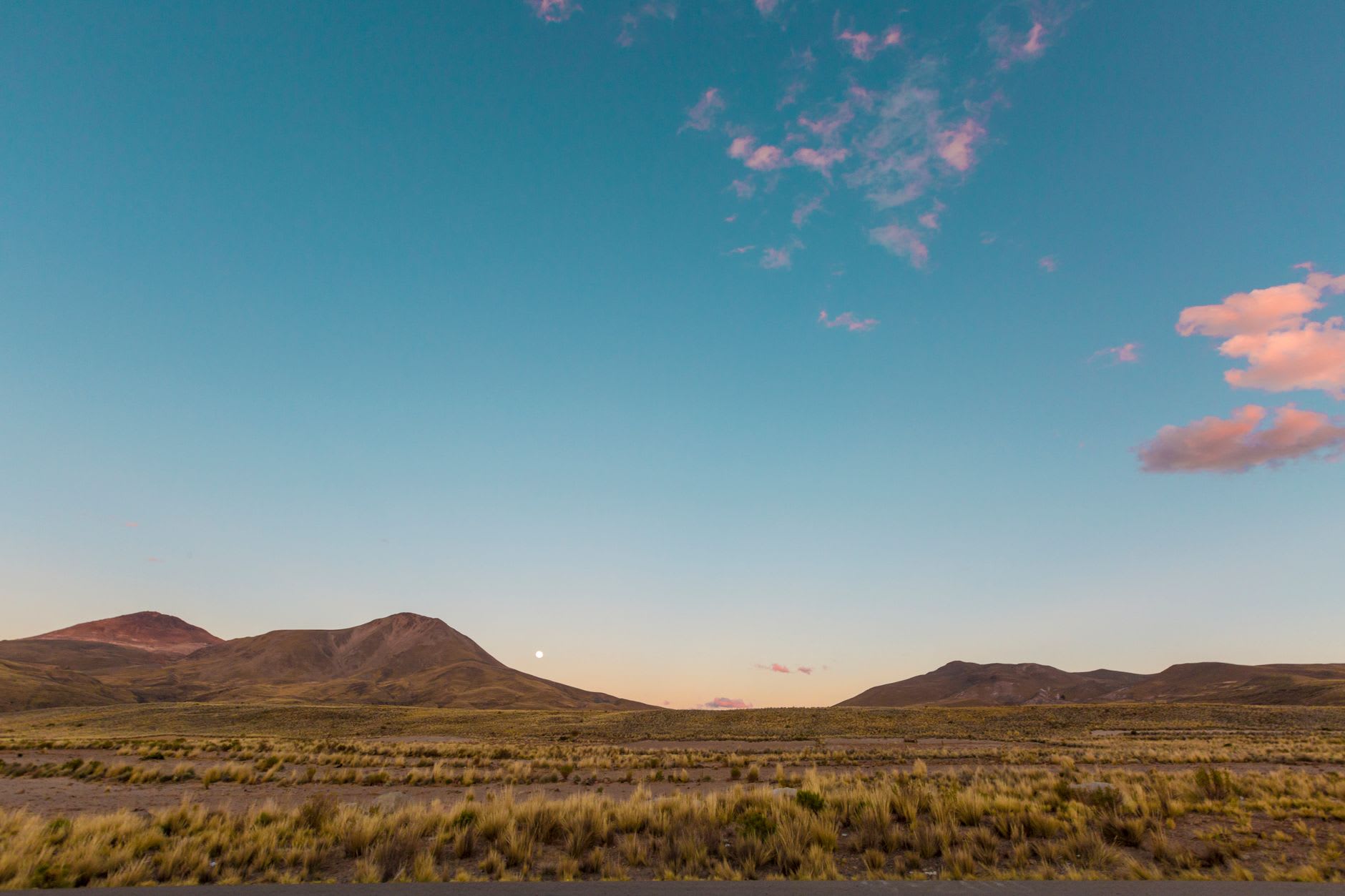
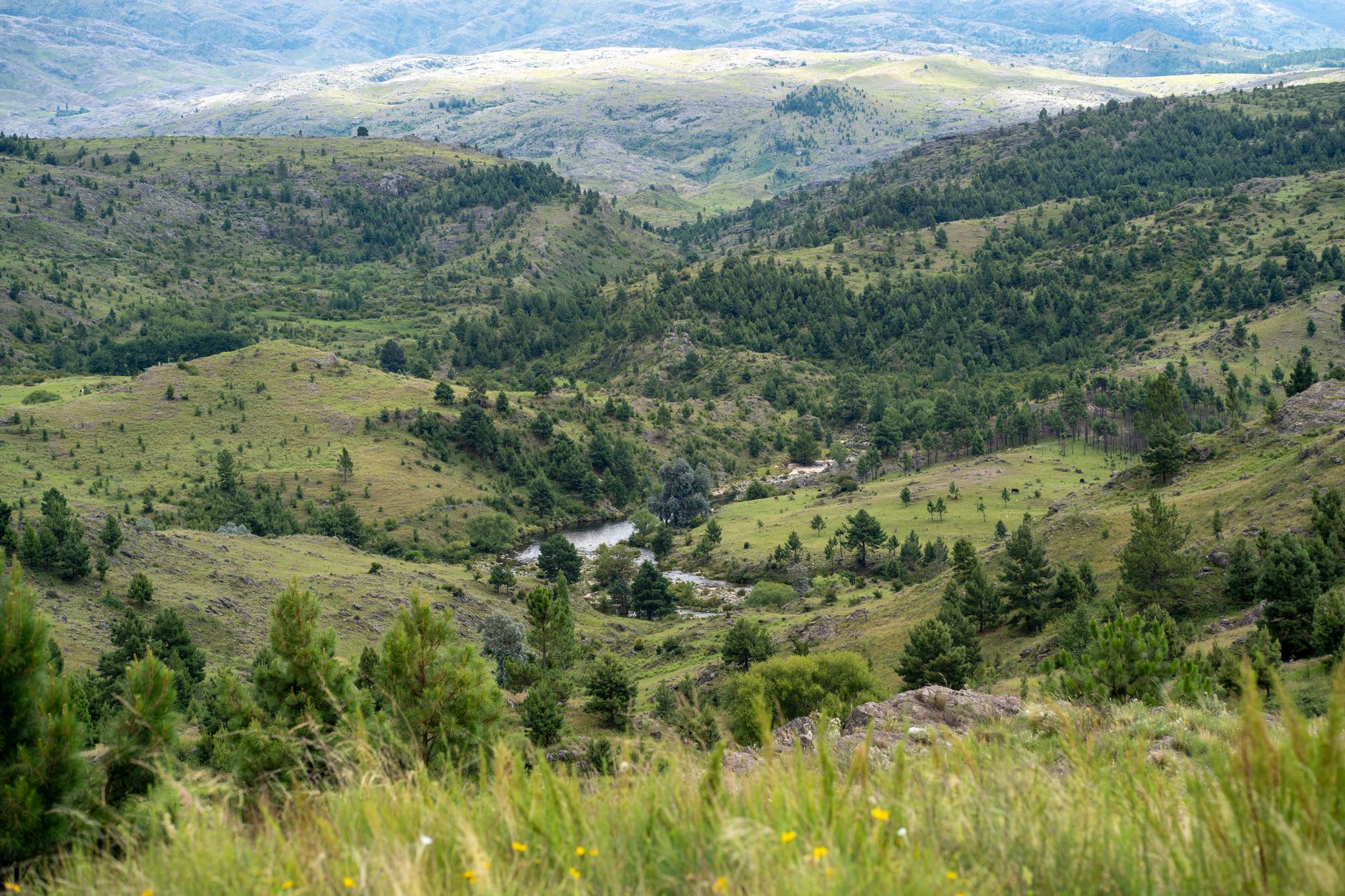
I came to Sierra de la Ventana at the end of a long drive south from Buenos Aires, seven hours with too much mate and a playlist that ran out around Coronel Dorrego. The village appeared in a fold in the hills — pine trees first, then a creek, then a cluster of houses with corrugated iron roofs and smoke coming out of chimneys — and I pulled over at the first bar I found and ordered coffee and sat down in a chair that had a view of the mountains. The mountains. After seven hours of flat. The Ventana range does not announce itself gradually; it simply arrives, a wall of ancient quartzite and granite rising 1,200 meters from the surrounding pampas, and the abruptness of it is what gets you.
The Parque Provincial Ernesto Tornquist protects the heart of the Sierras de la Ventana, and it contains the hike that gives the range its name. The cerro de la Ventana trail climbs to a summit at 1,134 meters and ends at a narrow slot in the rock — a natural window, maybe three meters wide, through which you can see the flat pampas stretching to the horizon in all directions, impossibly far, impossibly flat, the mountains you are standing on looking like an error in the landscape’s logic. I did it in early spring, when the slopes were covered in flowers I couldn’t name and the air at the top was cold enough to see my breath. The climb takes about four hours round trip. Take water and more food than you think you need.
The village of Sierra de la Ventana itself is small — a few streets, a plaza, a handful of restaurants and confiterias where the cake cases are full of things made with local walnuts — and in summer it fills with porteños fleeing the capital heat, which gives the place a slightly holiday-camp quality I could do without. But come in March or October and it reverts to something more genuine: a mountain town where people run horse treks into the hills, where the creek is clear enough to see the stones on the bottom, and where the bakery opens at seven and the couple running it know everyone who comes through the door. I had breakfast there every morning I was in the village: medialunas, butter, a glass of orange juice that tasted like oranges.
The creek — the arroyo Belisario — runs through the center of town and is cold enough in spring that wading in it requires a certain commitment. Kids were doing it anyway when I walked past, shrieking with the cold, which is the correct response. Above the village, the Balneario Municipal Río Sauce Grande is a stretch of the river between two rocky outcroppings where local families set up for the afternoon with folding chairs, mate thermoses, and the specific Argentine art form of the family Sunday asado conducted entirely by the side of a mountain stream. I watched for half an hour from the bank and felt, not for the first time in Argentina, that I had arrived somewhere that has worked out how to spend time correctly.
The nights here are different from any other place in the pampas region. The darkness is genuine — there are no city lights for 100 kilometers — and the Milky Way is visible as a complete smear across the sky from horizon to horizon. In the village square, a few telescopes are sometimes set up by local stargazers on clear nights, who will explain, with great patience and a thermos of mate, exactly what you are looking at. I could not understand most of the Spanish but the enthusiasm translated.
When to go: Spring (September to November) is the hikers’ window — wildflowers on the slopes, manageable temperatures, and trails open after the winter. Autumn (March to May) is equally good for walking and completely quiet. Avoid January and February if you want the village for yourself rather than sharing it with half of Buenos Aires; do go in summer if you want the full local holiday scene, which is its own vivid spectacle.