Americas
Pampas
"Nothing prepares you for the silence of a landscape that never ends."
I arrived at the estancia outside San Antonio de Areco late on a Thursday, the sky already doing that flat bronze thing it does over the Pampas in the hour before dark. There was a gaucho unsaddling a horse near the corrals, moving with the unhurried economy of someone who has done this ten thousand times. Nobody came to greet me immediately. The dogs lifted their heads and went back to sleep. I stood in the dust with my bag and understood, for the first time, that I had arrived somewhere that operates on its own timeline entirely.
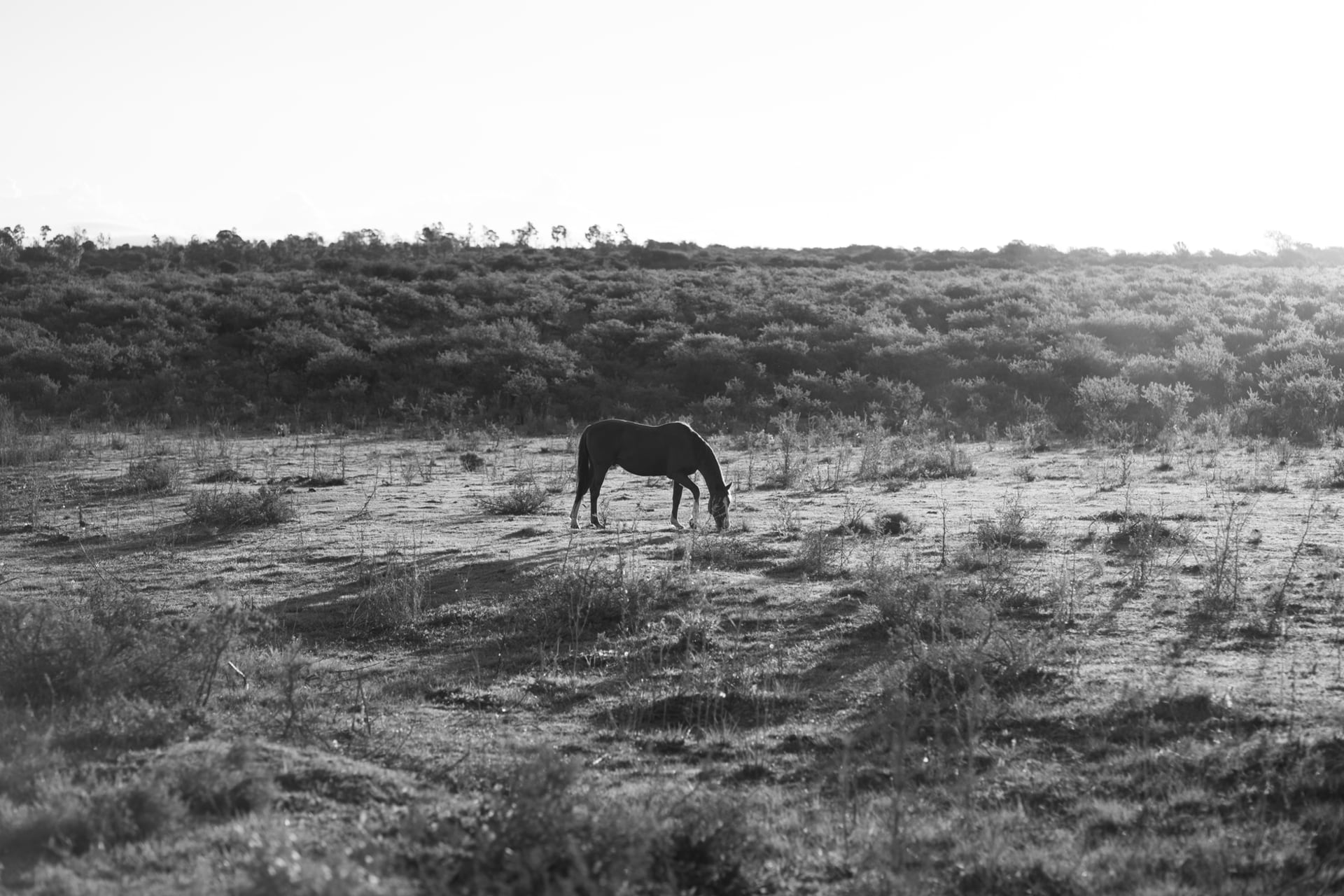
The Pampas is not a landscape that performs for visitors. It is enormous — roughly 750,000 square kilometers of grassland spreading across Buenos Aires, La Pampa, and Córdoba provinces — and its scale is the kind that takes a few days to settle into your body. There are no dramatic peaks to orient yourself, no coastlines or canyons. Just grass, sky, the occasional ombú tree standing alone like a sentence without punctuation. What happens here happens slowly: a herd of cattle moving at the pace of clouds, an asado that starts at noon and ends when the conversation does, a night so dark and star-dense that you lie on your back in the field and feel the Earth tilt. The real culture of the Pampas — mate shared before sunrise, horse work that begins before the dew burns off, folkloric payada duels between guitarists at the pulpería — is not staged. It simply continues, as it has for centuries, slightly indifferent to whether you are watching.
San Antonio de Areco is the place I keep coming back to. It is two hours from Buenos Aires by bus, small enough to walk in an afternoon, and serious about its gaucho heritage in a way that is earned rather than performed. The Museo Gauchesco Ricardo Güiraldes sits at the edge of the río Areco and tells the story honestly. The silversmiths on the main streets — Draghi, Mena, Rivero — still make the facón knives and rastras belt buckles that working gauchos actually use. Eat at Almacén de Ramos Generales: milanesa, locro, a glass of whatever the house pours. Then ride out into the campo at sunrise if you can arrange it. The horse knows the way.
When to go: March through May and September through November are the sweet spots — the summer heat of December through February makes the open Pampas punishing, and winter (June through August) is grey and cold, though estancias are quieter and prices drop. The Fiesta de la Tradición in San Antonio de Areco in November is the single best window into gaucho culture that exists anywhere.
What most guides get wrong: They treat the Pampas as a day trip from Buenos Aires — a half-day estancia excursion with a folkloric show and a tenderloin lunch, back to the capital by six. That version is fine for what it is, but it misses the point entirely. The Pampas reveals itself across nights, not hours. Book at least two or three days at a working estancia, wake up before the gauchos do, and let the rhythm of the place replace your own. The landscape requires patience to understand, and it pays that patience back in a way the day-trippers never see.