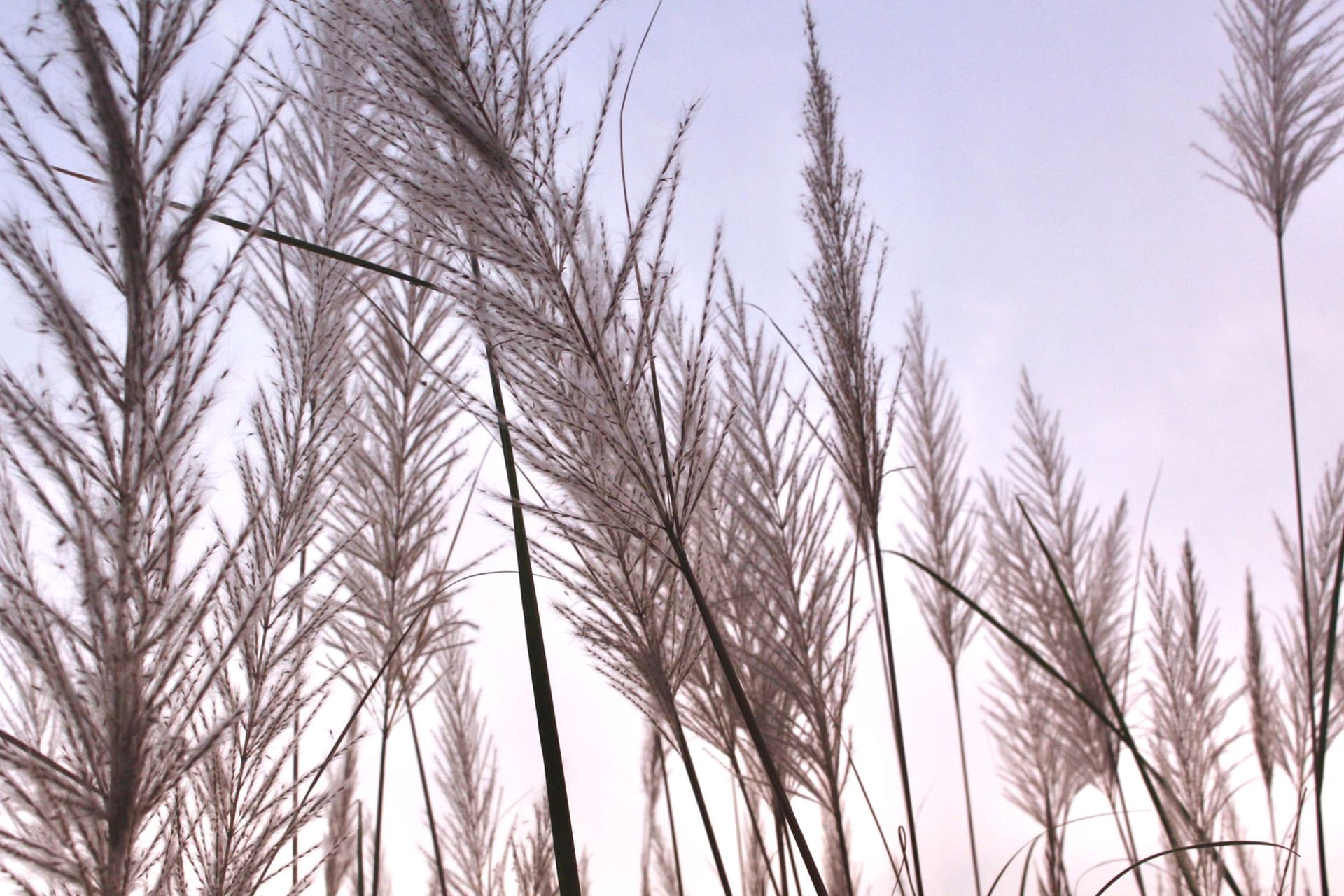
Santa Rosa is the kind of place that travel writers pass through on the way to somewhere else, and I understand the impulse. It is a flat city of 120,000 people in the middle of a flat province, and it does not announce itself with landmarks or spectacle. But I stopped there one October, intending to spend a night, and I ended up spending three. What held me was not any specific thing you could point to on a map. It was the quality of the emptiness — the sense of being in a place where the pressure of everywhere else has been reduced to almost nothing.
La Pampa province is the beginning of the dry pampas: the grassland here is sparser, the trees are rarer, and the horizon feels further than it does around Buenos Aires. Santa Rosa sits at the edge of this transition, still green enough in its planted streets and plazas to feel habitable, but with a spaciousness that has no equivalent in the Buenos Aires province cities to the east. The main boulevard — General Acha — is wide enough to land a small aircraft, lined with jacarandas that in November turn the whole street ultraviolet. I arrived a week too early for that, but the trees were already holding their purple in bud, and the afternoon light through them was enough.
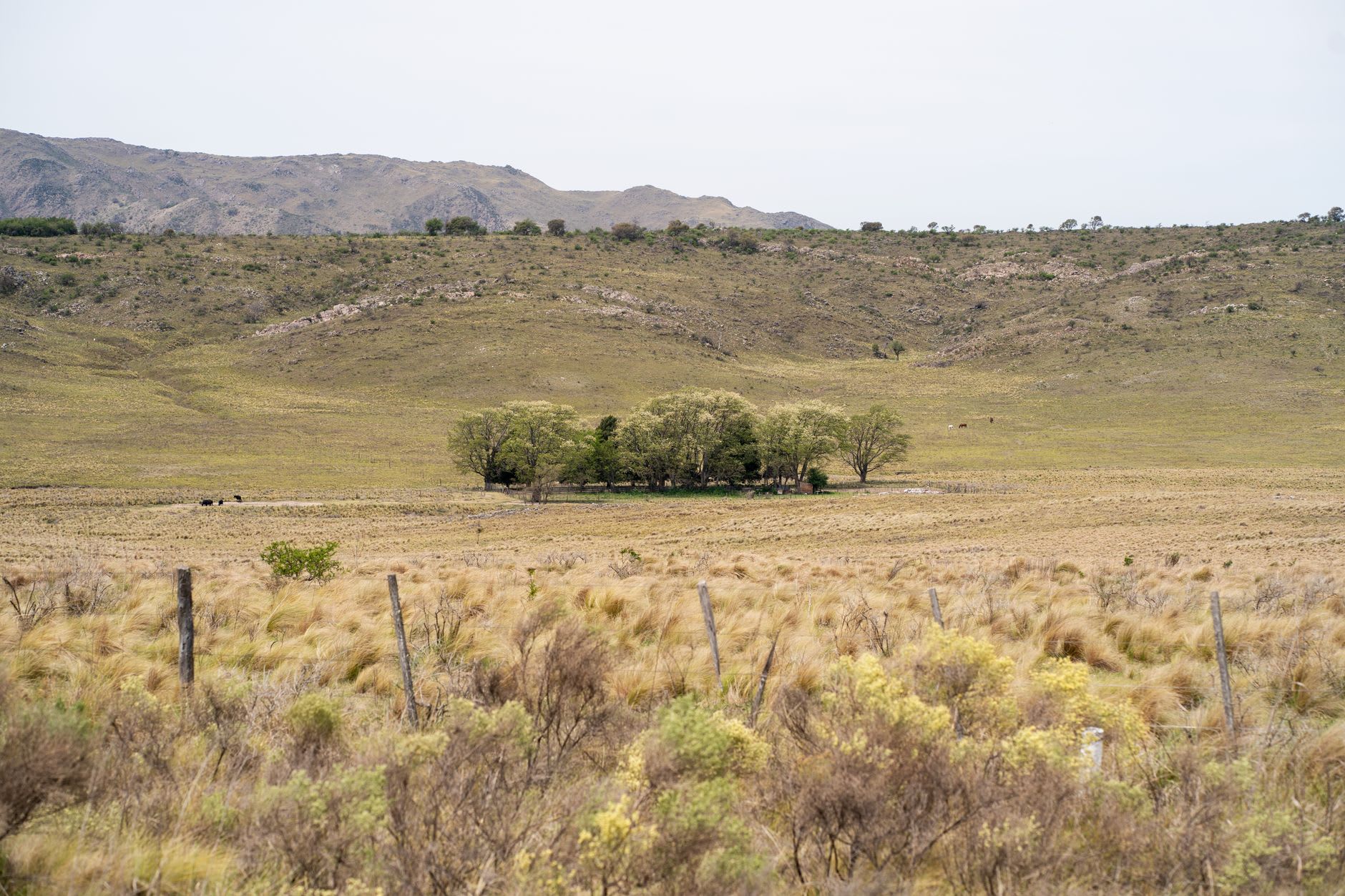
The Parque Don Tomás is the quiet surprise. On the city’s western edge, a large lagoon has been turned into a municipal park with walking paths, boat rentals, and a small beach where on weekday mornings you will find the entire retired population of Santa Rosa doing exactly what retired populations should be doing: walking at a comfortable pace and feeding the ducks. The water is that particular shade of still-green that shallow pampas lagoons achieve, and it mirrors the sky so precisely that you lose track of where the water ends and the air begins. I rented a kayak and paddled out into the middle and sat there for twenty minutes doing nothing, which is, I have come to believe, an underrated activity.
The food culture is honest pampas cooking with a La Pampa accent. The traditional dish is the carbonada — a meat and vegetable stew cooked slowly in a hollowed-out pumpkin, brought to the table and served from the shell. I ate it at a family restaurant off the main plaza on my second night, sharing a table with a table of local families who were celebrating a birthday with such elaborate and noisy generosity that I was included in the photographs before the night was through. The woman who ran the kitchen came out to explain the origin of the pumpkin — from her garden — and the cut of beef — from an estancia she named — and that specificity about provenance felt like the truest expression of what this part of Argentina values.

The Museo Provincial de Historia Natural is better than it has any right to be for a provincial capital of this size. Its paleontology wing holds genuine finds — the pampas and the Patagonian transition zones have been extraordinarily productive for dinosaur and megafauna fossils — and the collection includes a Megatherium skeleton, the giant ground sloth of the Pleistocene, assembled with the slightly rough-hewn pride of a museum that dug most of it up itself. Go in the late morning when the light comes through the clerestory windows and turns the old bones amber.
When to go: October through November is the window — jacaranda season makes the streets extraordinary, and temperatures are pleasant before the summer heat sets in. Avoid January and February, when the dry pampas turns punishing and Santa Rosa, with no coast and no altitude, offers no relief. Winter (June through August) is quiet and cold, but the museum and the park hold up year-round.