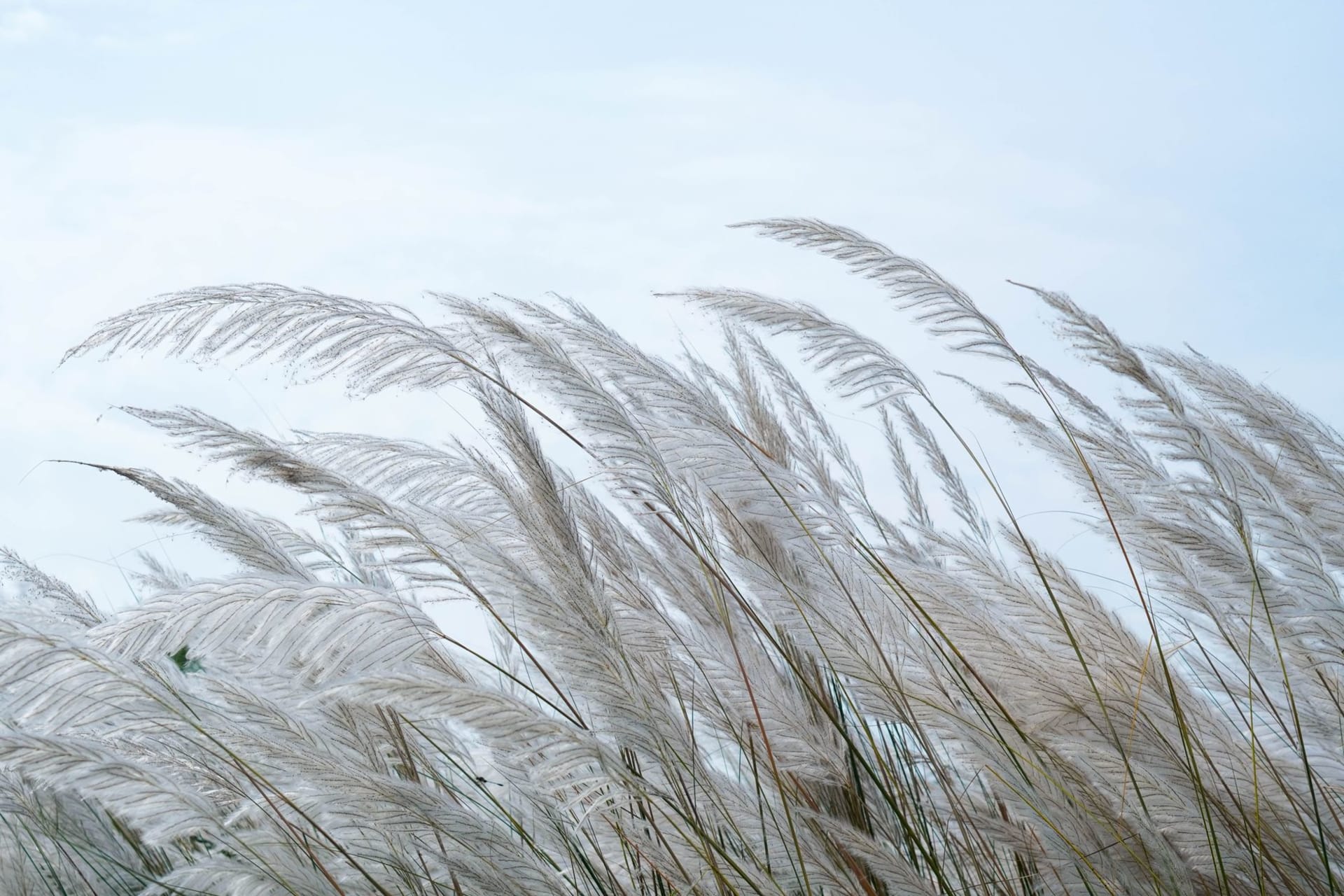
San Antonio de Areco
"You don't visit Areco to see gaucho culture. You visit because gaucho culture is still simply happening here."
The bus from Retiro drops you on a quiet corner beside a service station, and within three minutes you understand that San Antonio de Areco is not performing anything for your benefit. There are real horses tied to real hitching posts outside the almacén. The silversmith two doors down is hunched over his bench working a rastra belt buckle with a graver, the way Draghi’s father did and his grandfather before him. Two gauchos in traditional dress — bombacha trousers, wide leather belt, alpargata shoes — are not posing for photographs but simply eating at the counter of a bar, talking in low voices over glasses of wine. I arrived on a Tuesday in March, when tourism is light, and the town received me with the polite indifference it extends to everyone who is not a local.
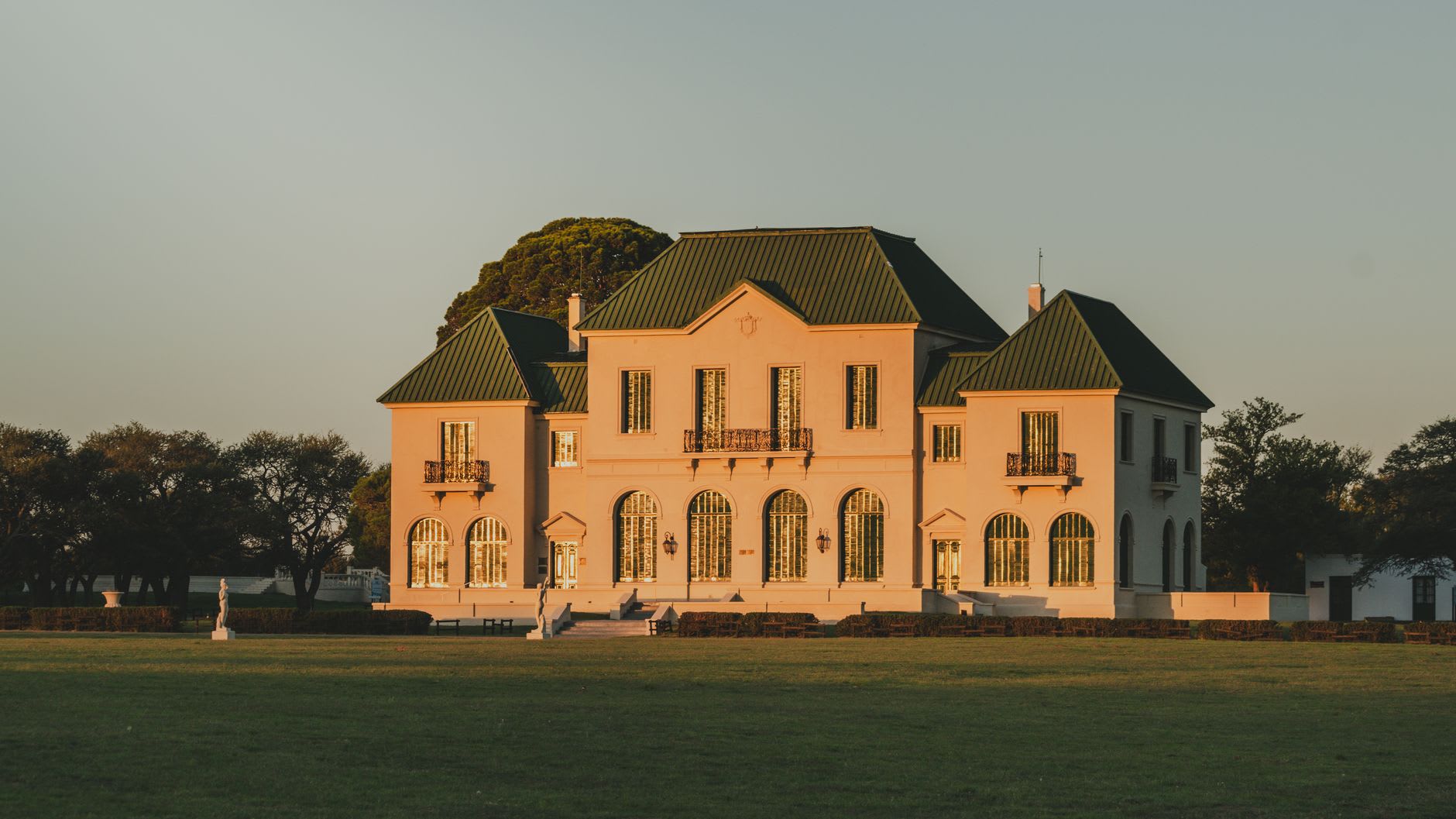
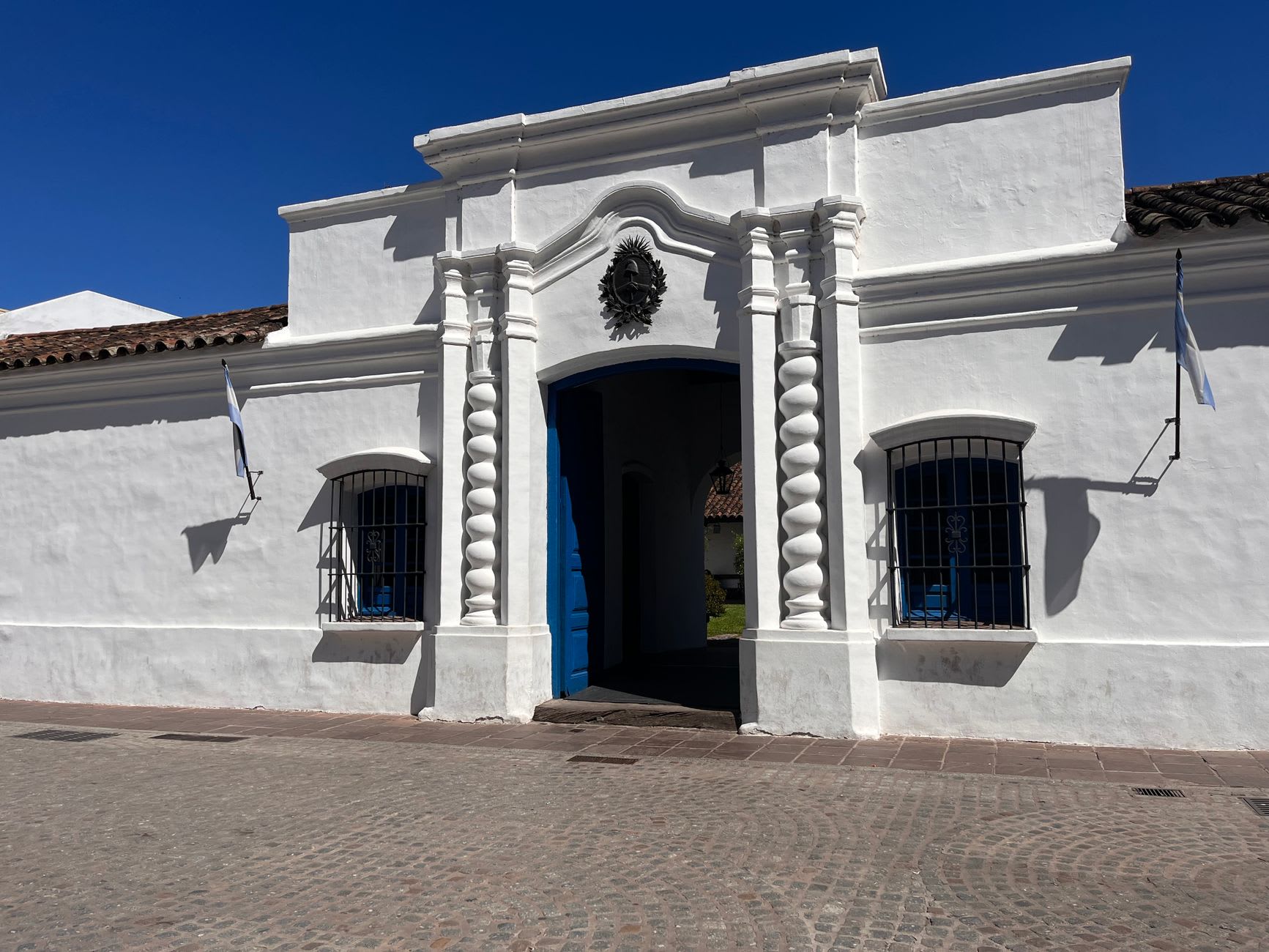
The town sits along the río Areco, whose banks are shaded by ancient willows and planted with benches where old men read newspapers in the afternoon heat. The Museo Gauchesco Ricardo Güiraldes — named for the novelist who wrote Don Segundo Sombra, the great gaucho epic, in a house on these very streets — occupies a replica colonial estancia at the edge of the river. I spent two hours there and came out feeling I had read the landscape more accurately. Güiraldes’s study is preserved in the kind of amber only Argentine cultural heritage institutions manage to sustain: the pen still on the blotter, the mate gourd beside the chair, the light filtering in from the pampas through a window framed in bougainvillea.
The silversmiths are the reason many people return. There are a handful of workshops on the main streets and side lanes, most of them family operations spanning three or four generations. The facón — the long gaucho knife worn at the back of the belt — is still made here with the same hand-hammered blades and silver-wrapped handles that a working estanciero would buy and use. I spent an afternoon at the Draghi workshop watching a young craftsman chase a pattern into a set of bombillas, the silver straws used to drink mate. He did not look up. I did not speak. It was one of the more satisfying hours I have spent in Argentina.
Food in Areco is the food of the pampas, and there is no guilt about it. Almacén de Ramos Generales is the place I keep returning to: a high-ceilinged colonial storehouse with mismatched wooden tables, where the milanesa is the size of a dinner plate and the locro — a thick stew of hominy, white beans, and slow-cooked pork — arrives in a clay pot that has been in the oven for hours. Eat it with bread. Order a second glass of whatever they’re pouring.
The single best thing you can do in Areco is arrange a sunrise ride from one of the working estancias in the surrounding campo. Most can organize this with a day’s notice. You leave before five, while the grass is still silver with dew, and the gaucho leading you sets a pace that asks nothing of your skill but delivers everything of the landscape. The horizon is unbroken. A screaming cowbird follows the horses. The sky turns amber, then gold, then the pale white of full morning. By the time you return for breakfast — the kind that involves empanadas and strong coffee and someone throwing more wood on the fire — you understand why people who come here for a weekend often return for a week.
When to go: March through May is ideal — warm afternoons, cool evenings, low crowds. November brings the Fiesta de la Tradición, ten days of horsemanship, music, and silverwork that is the most complete expression of gaucho culture anywhere in Argentina. Arrive early in the festival week before Buenos Aires empties itself into town for the final weekend.