Parque Provincial Ernesto Tornquist
"Somewhere in the pampas, the ground just decides to become a mountain."
A 6,700-hectare reserve of quartzite peaks and windswept grassland where the pampas suddenly rise into mountains.
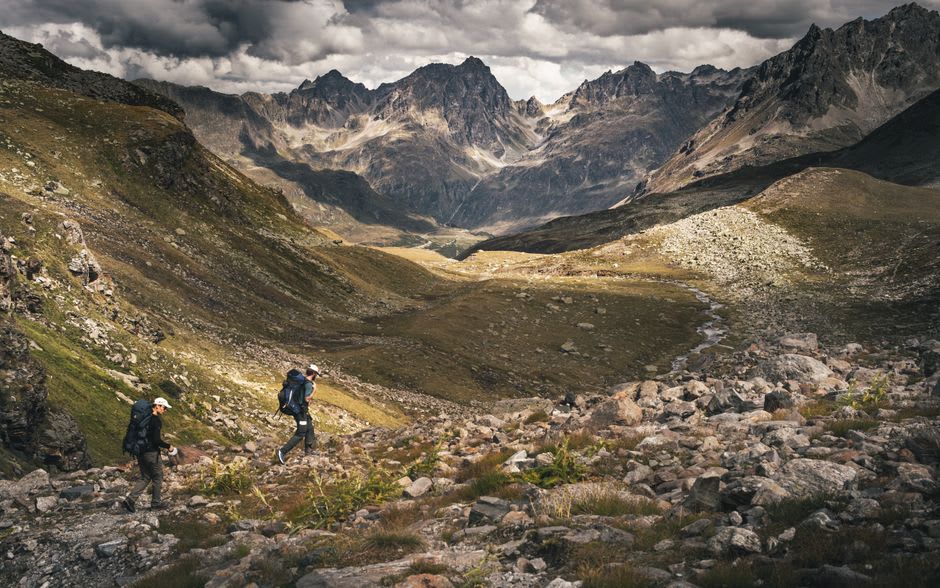
I’ll admit I didn’t believe the map at first. We’d been driving for hours through flat, hypnotic pampas — the kind of horizon that makes you forget mountains exist — when these quartzite hills just rose up out of nowhere near Sierra de la Ventana. Lia was asleep against the window and I nearly woke her just to make sure I wasn’t imagining it. We parked at the entrance to Parque Provincial Ernesto Tornquist a little after nine, coffee still warm in the thermos, and I remember thinking that 6,700 hectares sounded abstract until we actually started walking and realized we could see maybe a third of it from where we stood.
The hike to Cerro de la Ventana is the one everyone talks about, and for good reason. It’s not a technical climb, but it’s longer and steeper than it looks from the parking area, and by the time we reached the ridge my legs were telling me about it. The reward is the ventana itself — a window worn clean through the rock by who knows how many centuries of wind — and standing there with the whole plain spread out below, pale gold and green, I finally understood why the Spanish name stuck. Lia pressed her hand flat against the stone like she was checking it was real. I did the same thing about thirty seconds later.
We didn’t have time that same trip for Cueva del Toro, but we went back the following year specifically for it, and I’m glad we did — there’s something about ducking into a cave system after a morning of open sky that resets your sense of scale completely. The trail to Garganta Olvidada was quieter still; we had it almost to ourselves on a weekday afternoon, just the sound of water finding its way down through rock that’s been there since long before either of us had any business being impressed by it. A park ranger we chatted with near the entrance mentioned, almost as an aside, that this is one of the last places in the province where the native pampas cat still turns up on camera traps. We never saw one, obviously — I wouldn’t expect to — but knowing it was possible changed how I looked at every shadow in the grass for the rest of the walk.
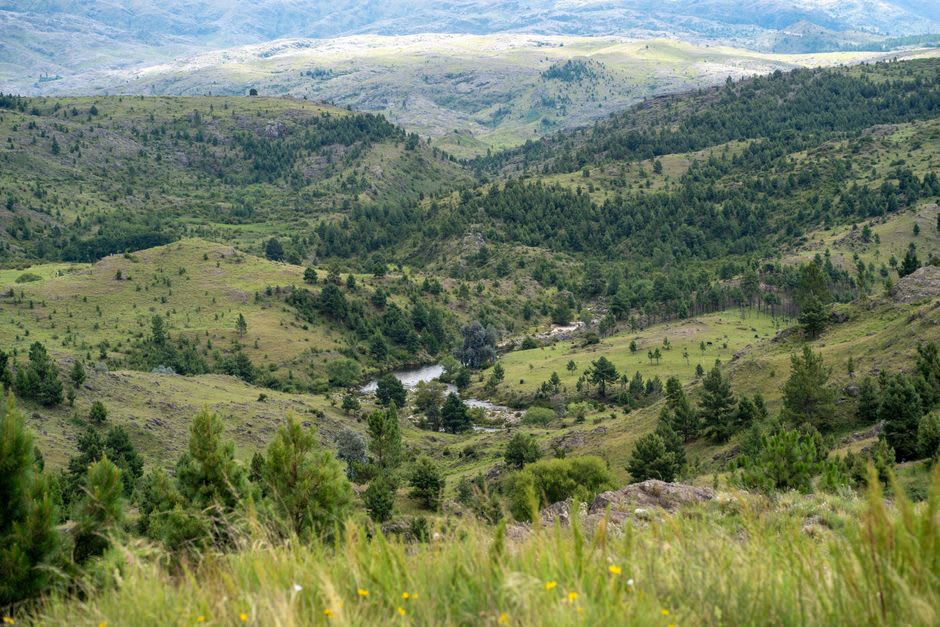
What stays with me about Tornquist isn’t any single viewpoint — it’s the strangeness of the whole place existing at all, this pocket of stone and endemic flora tucked into 30 kilometers of pampas outside the town of Sierra de la Ventana, protected since 1937 by a decision that, frankly, I’m grateful somebody made. We ate sandwiches on a rock near the trailhead both times, watching hawks work the thermals off the ridge, and both times I left wanting to come back before the memory of it even had a chance to fade.
When to go: we’ve done it in both spring and autumn, and honestly the mild days between September and November or March and May are what make the longer hikes bearable — summer heat and winter wind on that exposed ridge are a different, harder trip entirely.
Keep exploring
More from Pampas
 pampas
 San Antonio de Areco
The gaucho capital that still smells of leather and woodsmoke, two hours from Buenos Aires and a world away.
Explore pampas
 Santa Rosa
The capital of La Pampa province, where the dry pampas begins and the sky becomes the dominant architectural feature.
Explore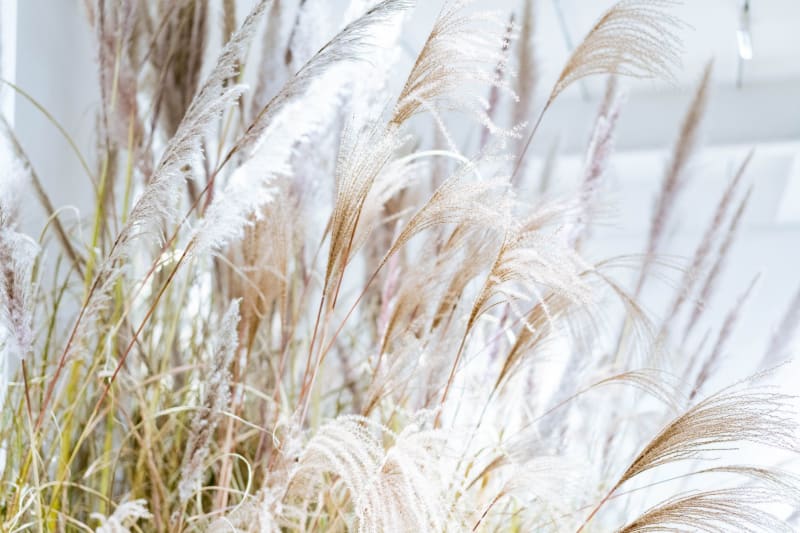 pampas
 Sierra de la Ventana
A mountain village at the southern edge of the pampas where the plains end in a wall of ancient rock and the air smells of pine and cold creek water.
Explore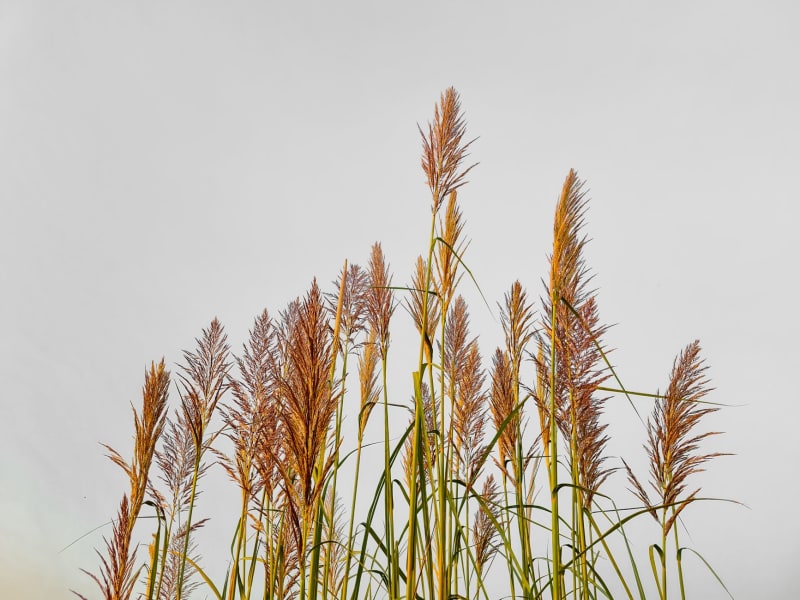 pampas
 Tandil
Where the flat pampas suddenly breaks into granite hills, and the charcuterie is so good you'll rearrange your luggage to take it home.
Explore pampas
 Azul
A mid-pampas city of Basque heritage and Cervantes obsession, where the public library has a first-edition Don Quixote and nobody thinks this is unusual.
Explore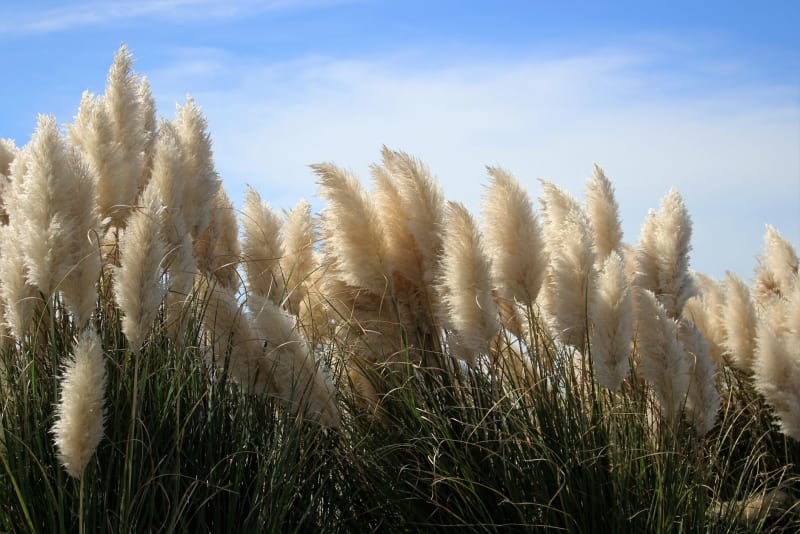 pampas
 Bahía Blanca
The pampas' southern port city, where the Patagonian wind arrives first and the milanesa sandwich is an art form taken with complete seriousness.
Explore