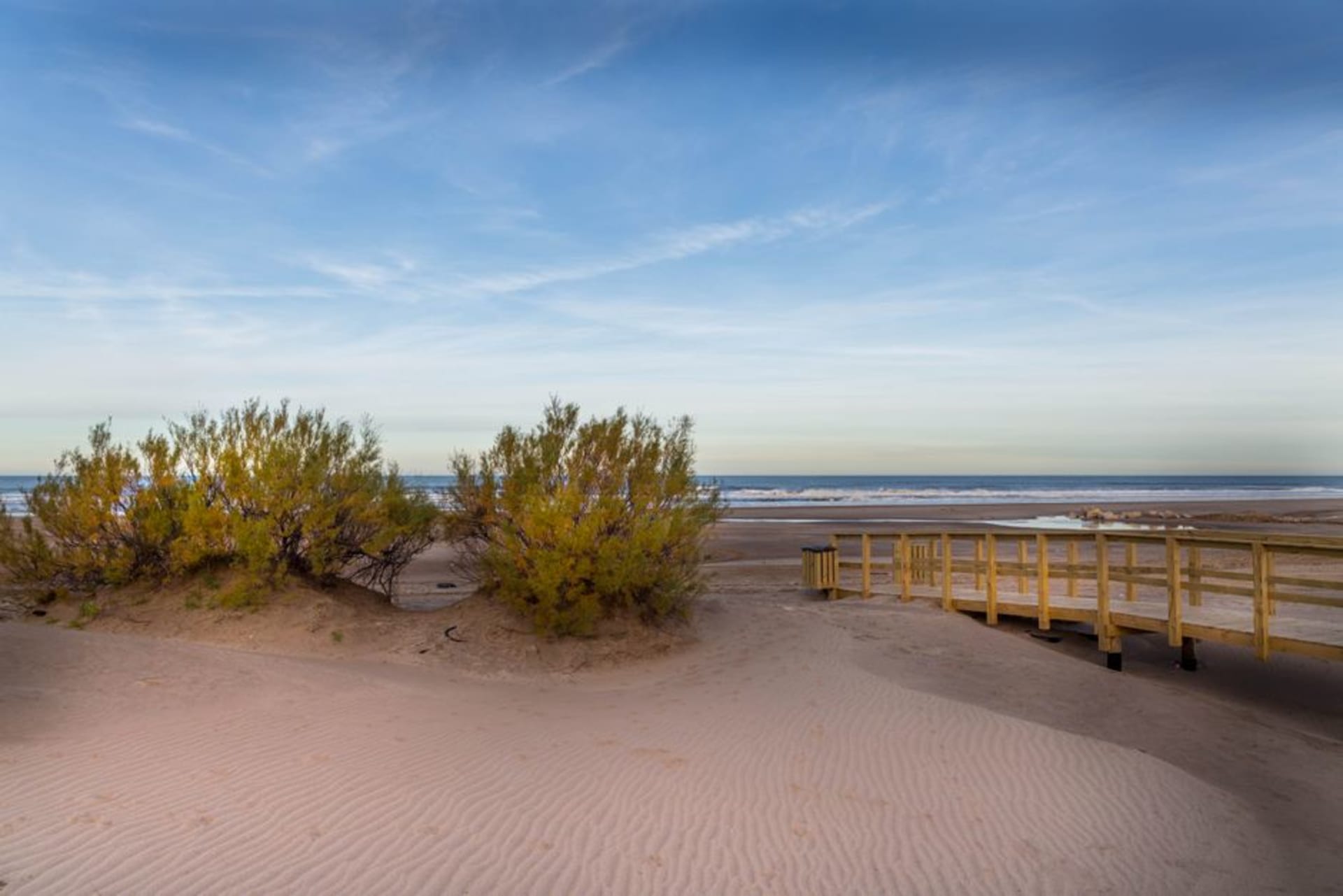
Mar Chiquita Lagoon
"I came for the birds and stayed for the silence — Mar Chiquita doesn't need to shout."
A brackish lagoon behind the dunes north of Mar del Plata, where flamingos wade and the pampas quietly meets the sea.
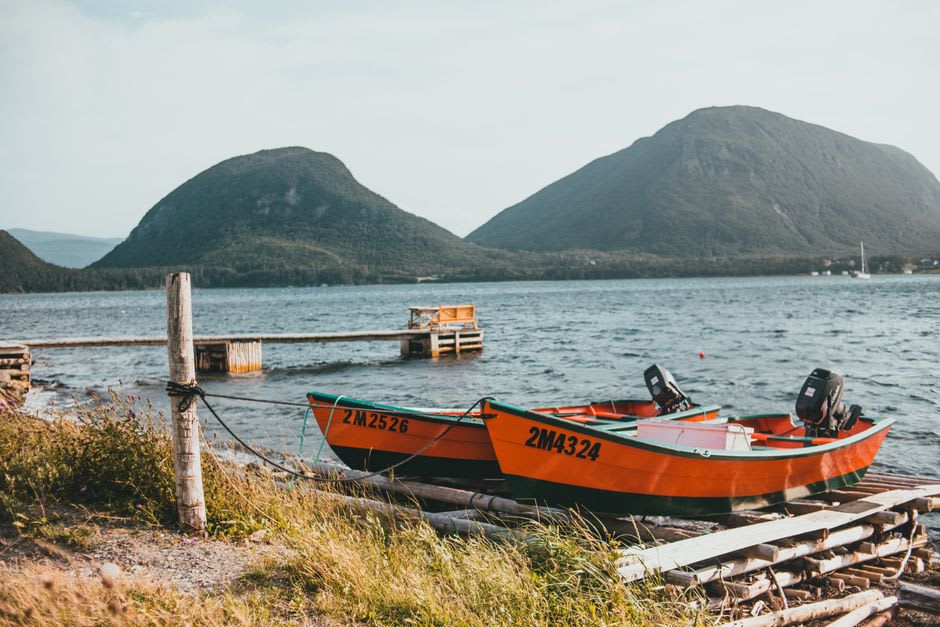
I hadn’t planned on stopping at Mar Chiquita. Lia and I were driving up the coast from Mar del Plata, half-thinking about beach towns and empanadas, when a friend in Buenos Aires texted us: “if you like birds, get off the highway 30 km early.” We did, and within twenty minutes of parking near the inlet, I understood why. The lagoon opens up almost without warning — a huge sheet of brackish water pressed between dune and pampas grassland, connected to the Atlantic through a narrow channel that looked, from where we stood, barely wide enough for the fishing boats easing through it.
What struck me first wasn’t the size of the place but how mixed it felt. In the space of one walk we crossed salt marsh, then soft dune, then flat grassy pampas that could have belonged fifty kilometers inland. I’d read that this ecosystem mix is unusual along the Argentine coast, and UNESCO named it a Biosphere Reserve back in 1996, but reading a fact and standing in it are different things. Lia kept stopping to point out birds she couldn’t name, and honestly neither could I — the reserve claims over 200 species, and that afternoon I believed every one of them was hiding somewhere in the reeds.
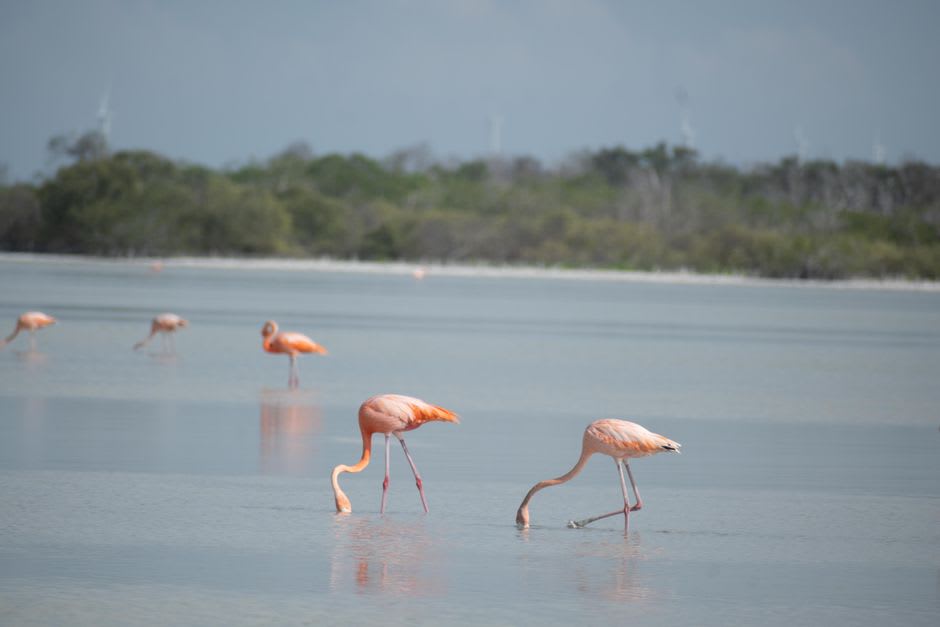
We found a spot near the mouth of the lagoon, close to the fishing village they call Camet, and watched a line of flamingos work the shallows in that unhurried, almost mechanical way they have, heads down, barely rippling the surface. Farther out, a pair of black-necked swans drifted past a fisherman untangling his nets — the same kind of quiet, practical scene that’s apparently been playing out here for generations, long before anyone thought to protect it. I ate a torta frita from a stall by the water while Lia photographed the swans, and I remember thinking how different this felt from the crowded beach towns just south of us.
Before we left, I made the mistake of mentioning “Mar Chiquita” to a friend back in Mexico, who immediately pulled up photos of the enormous salt lake in Córdoba — a completely different place, hours inland, with none of this lagoon’s dunes or tides. It’s an easy mix-up, and one I’ll happily correct for anyone who asks: this Mar Chiquita is coastal, brackish, and small enough to walk around in an afternoon, which is exactly what made it feel so intimate.
When to go: I’d point you toward spring or autumn, when the migratory birds are passing through and the coastal weather stays mild and manageable — steer clear of the packed January-February beach season if you want the lagoon to yourself.
Keep exploring
More from Pampas
 pampas
 Parque Provincial Ernesto Tornquist
A 6,700-hectare reserve of quartzite peaks and windswept grassland where the pampas suddenly rise into mountains.
Explore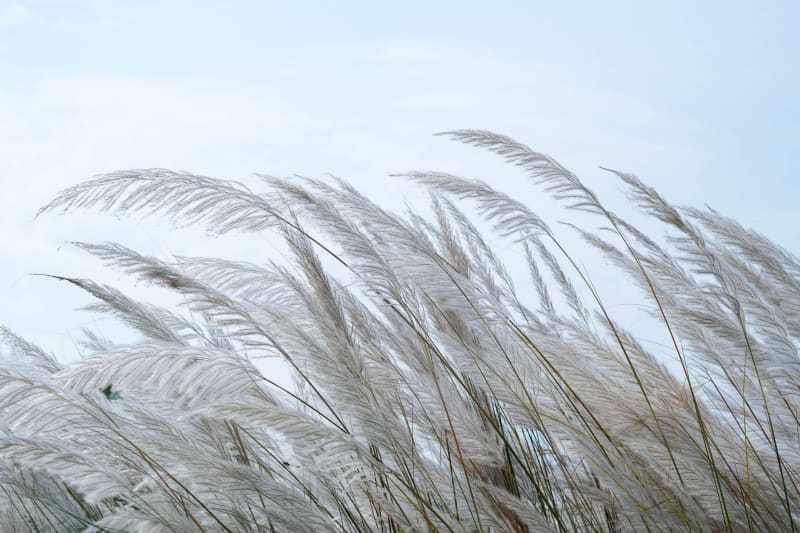 pampas
 San Antonio de Areco
The gaucho capital that still smells of leather and woodsmoke, two hours from Buenos Aires and a world away.
Explore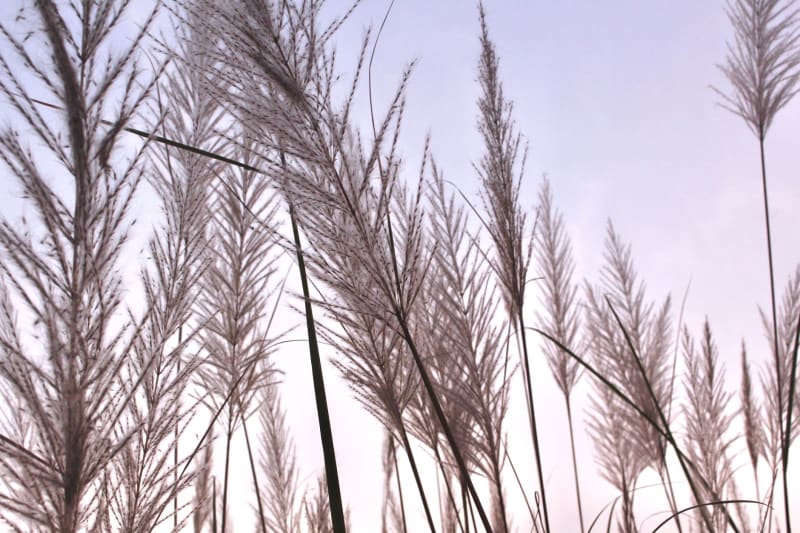 pampas
 Santa Rosa
The capital of La Pampa province, where the dry pampas begins and the sky becomes the dominant architectural feature.
Explore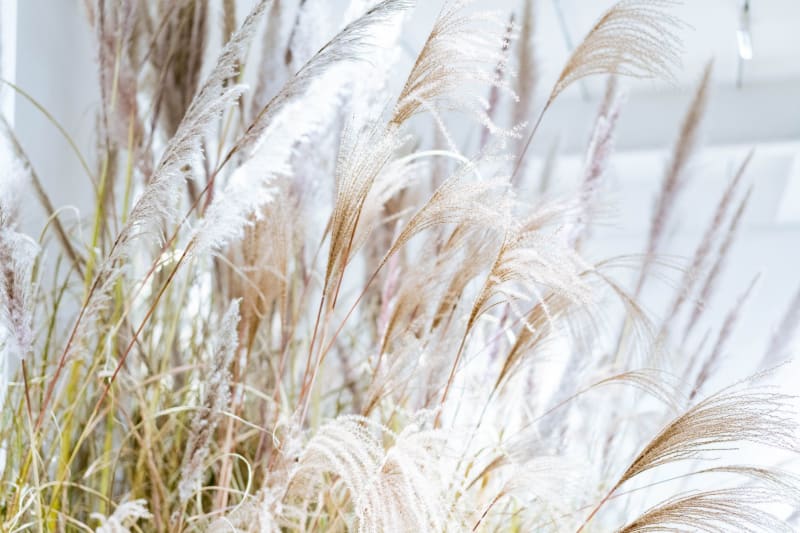 pampas
 Sierra de la Ventana
A mountain village at the southern edge of the pampas where the plains end in a wall of ancient rock and the air smells of pine and cold creek water.
Explore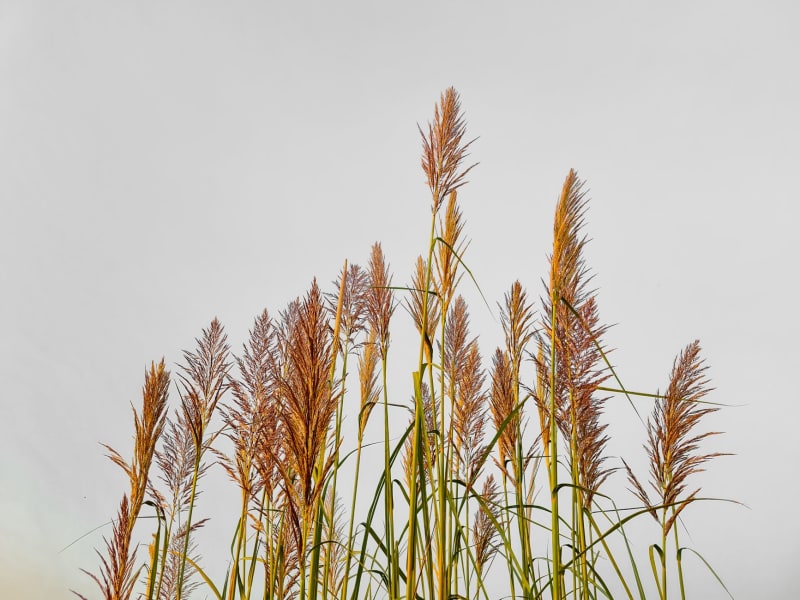 pampas
 Tandil
Where the flat pampas suddenly breaks into granite hills, and the charcuterie is so good you'll rearrange your luggage to take it home.
Explore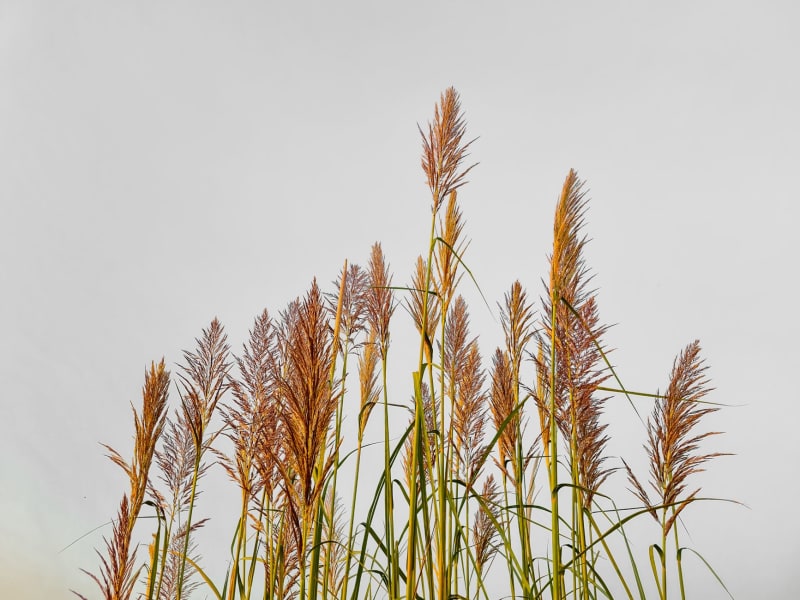 pampas
 Azul
A mid-pampas city of Basque heritage and Cervantes obsession, where the public library has a first-edition Don Quixote and nobody thinks this is unusual.
Explore