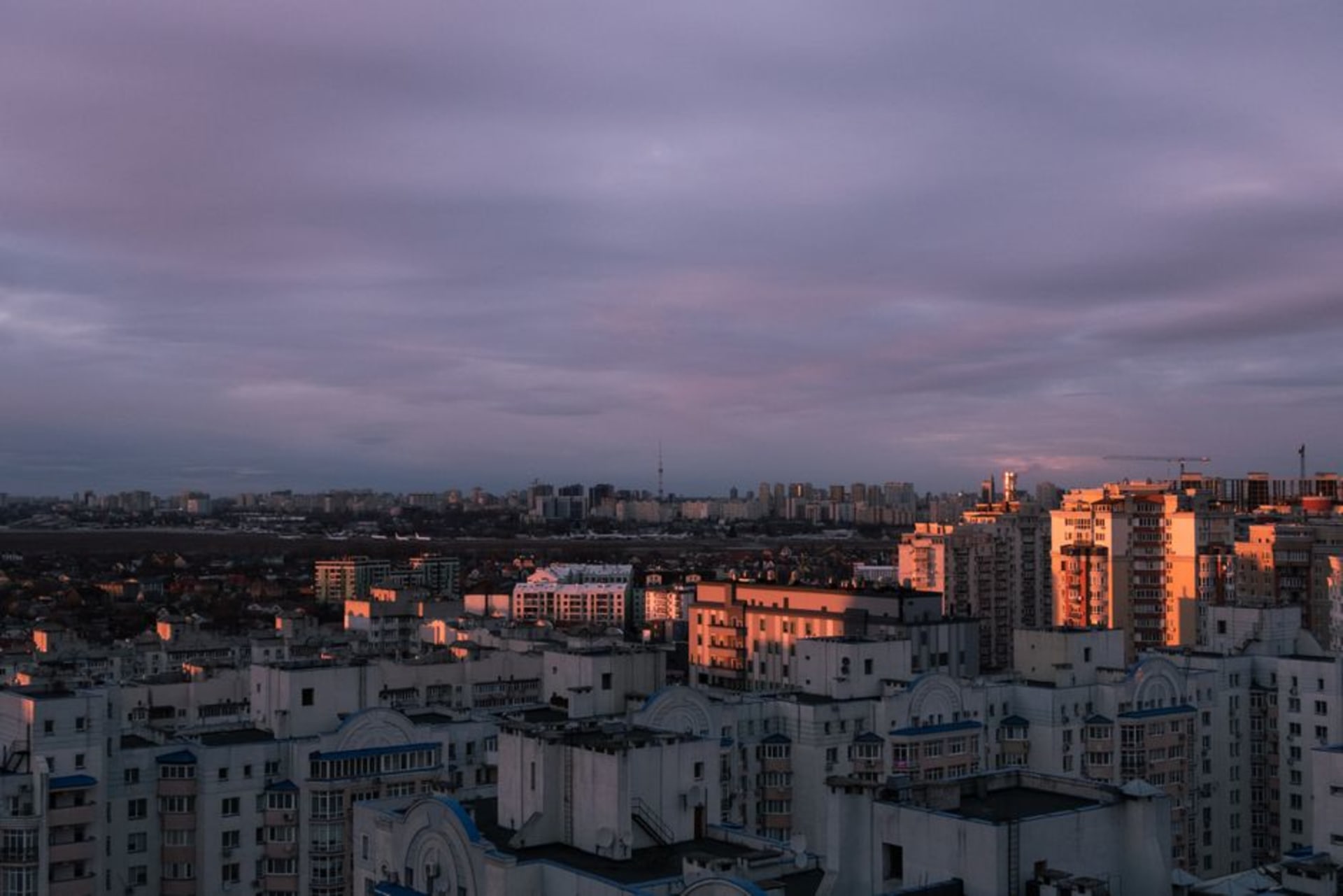
A working agricultural city on the western edge of the West Bank, known for its citrus and olive trade and a refugee camp that has become an inseparable part of the city's fabric.
Tulkarm doesn’t appear in a single guidebook I’ve ever read about Palestine, which is precisely why I ended up there — a friend from Nablus told me, almost as a dare, that if I wanted to see what an ordinary, functioning, unglamorous Palestinian city actually looked like, day to day, without a single tourist attraction organizing the itinerary, Tulkarm was the place. He wasn’t wrong, and it turned out to be one of the more grounding stops of the whole trip.
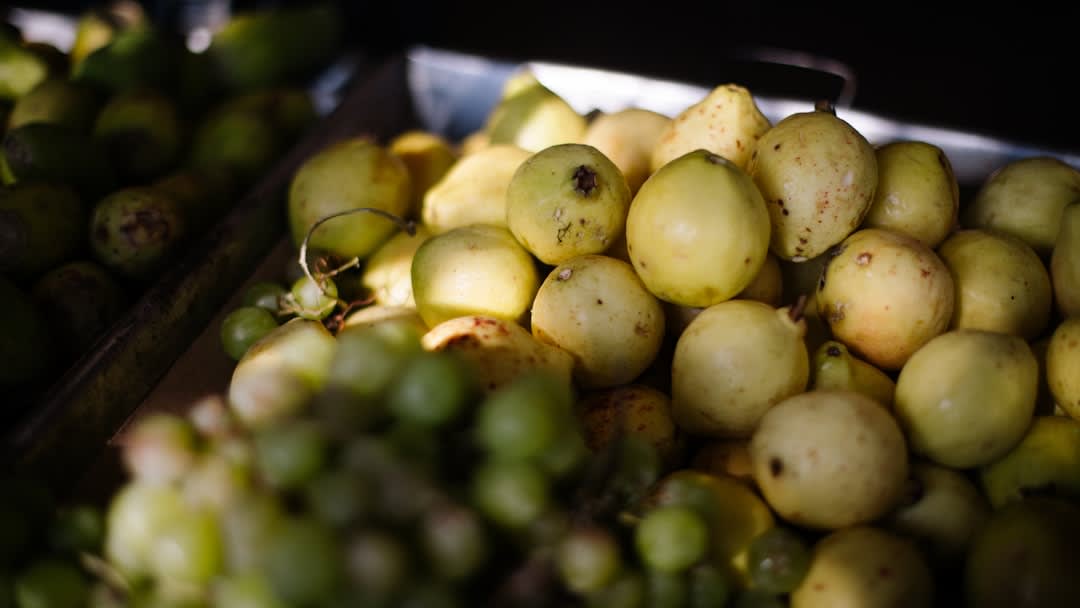
The city sits on the fertile coastal plain edge of the West Bank, historically its breadbasket, and the produce market in the town centre reflects that immediately — mountains of oranges, guavas, and olives depending on the season, trucked in from surrounding villages and sold with the kind of brisk, no-nonsense efficiency of a market that exists for locals rather than photographs. I wandered through for an hour, bought a bag of guavas from a vendor who seemed baffled and then delighted that a foreigner had wandered in, and ate them sitting on a low wall watching the city go about its business.
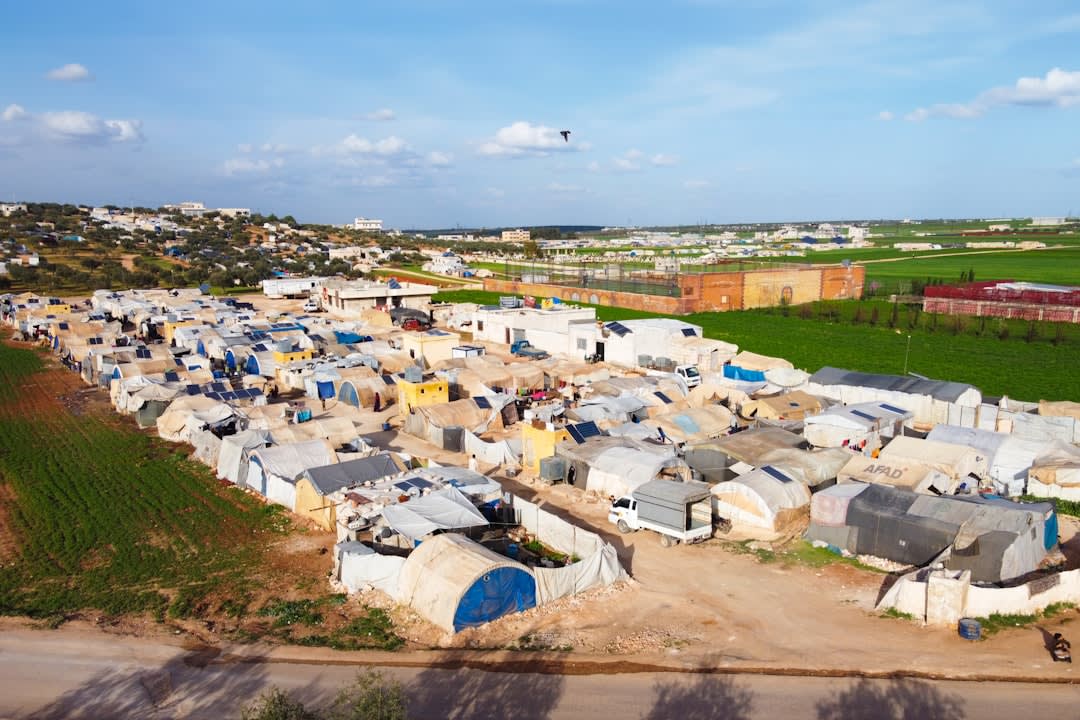
Tulkarm refugee camp, established in 1950 for Palestinians displaced from villages inside what became Israel, sits at the edge of the city and has, over seven decades, effectively merged into it — cinderblock buildings stacked close together, narrow lanes hung with electrical wiring, and a population whose grandparents’ land is visible, in some cases, from the rooftops. I walked through part of it with a local acquaintance who grew up there, past walls painted with murals of the villages families had come from — names of places most residents have never actually seen — and a small heritage centre preserving keys, deeds, and photographs from homes abandoned in 1948.
I ate dinner that night at a small restaurant near the market serving grilled chicken and a startlingly good plate of maftoul, and the owner, on learning I was writing about the trip, told me flatly: “Just say we’re normal. That’s all. We work, we eat, we go home.” It has stuck with me since as one of the more honest requests I’ve received anywhere.
When to go: Any weekday morning to see the market at its most active. There isn’t a strong seasonal pull here beyond citrus harvest in winter; it’s a city best visited simply to understand daily Palestinian life rather than for a specific sight.