An eighth-century Umayyad winter palace outside Jericho famous for a single mosaic floor so precise and so vast that photographs of it don't prepare you for standing over it.
Khirbet al-Mafjar sits a few kilometres north of Jericho, and I’ll admit I went there mostly out of duty, expecting another set of low stone foundations that require a guidebook and considerable imagination to appreciate. Then I walked into the modern protective pavilion built over the bath hall’s floor and stopped talking mid-sentence. The Tree of Life mosaic — a single lion beneath a fruiting tree, on one side gazelles grazing peacefully, on the other a lion mid-leap seizing one by the throat — covers the floor in tesserae so fine and so perfectly preserved that the colour gradients in the animals’ fur are still visible, ochre into brown into cream, laid by hands more than twelve centuries ago.
The palace itself, built for or by Hisham ibn Abd al-Malik in the early eighth century (though possibly completed under his successor, since Hisham died before construction finished), was an Umayyad winter retreat, and the scale of ambition is obvious even in ruin — a monumental gate, a mosque, an audience hall, and the bath complex whose floor is the site’s real treasure, one of the largest and finest mosaic pavements from the entire early Islamic world. An earthquake in 749 collapsed the structure not long after it was completed, which is part of why the mosaics survived so intact: they were buried under rubble rather than worn away by centuries of use.
I walked the perimeter of the excavated site afterward in the flat Jericho heat, past carved stone screens with geometric star patterns that would not look out of place in a mosque built yesterday, and past a domed structure that once functioned as a monumental fountain, water channeled through stone spouts carved into human and animal faces, half of them still grinning up from the rubble. The site museum, rebuilt after considerable renovation, displays some of the smaller decorative fragments and stucco work up close, and it’s worth the ten minutes it takes to walk through before or after the mosaic hall.
What stayed with me longest was less the mosaic itself than the fact of its abandonment — a palace built at enormous expense and artistic effort, occupied for perhaps twenty years before the earthquake, and then simply left, buried, and forgotten until a British archaeologist started digging in the 1930s. Ambition on that scale, undone by geology within a single generation.
When to go: Late morning to early afternoon, when the light through the pavilion’s windows falls directly onto the mosaic and brings out the full colour range. Combine it with Jericho itself, a fifteen-minute drive away — it’s an easy half-day addition to a Jericho visit.
Keep exploring
More from Palestine
 palestine
 Jenin
A northern city the world knows mainly from its refugee camp's history — but Jenin's theatre, its market, and its olive groves are its own.
Explore palestine
 Jericho
The oldest continuously inhabited city on earth sits below sea level in a flat basin of date palms — hot, biblical, and unsettlingly quiet.
Explore palestine
 Mar Saba
A fifth-century Greek Orthodox monastery built directly into a sheer cliff face above the Kidron Valley, still home to a small community of monks living almost exactly as their founder did.
Explore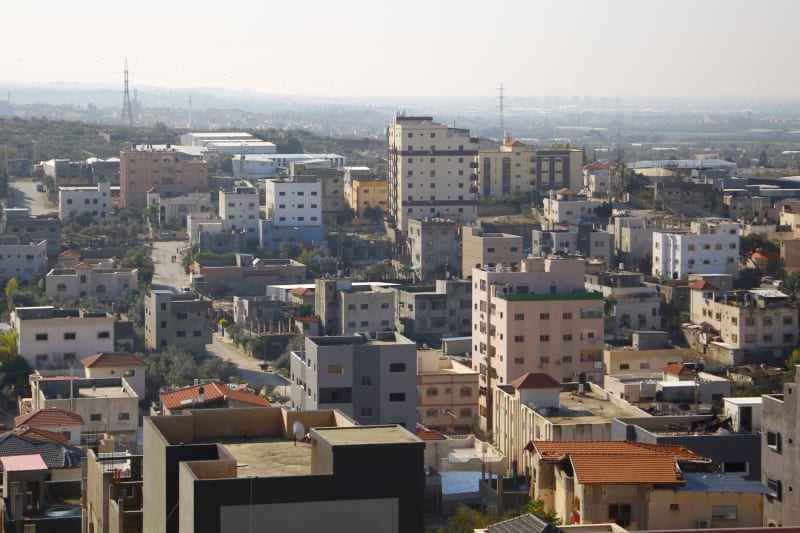 palestine
 Nablus
An ancient casbah city that produces the world's finest knafeh and a soap that has been exported to the same markets for a thousand years.
Explore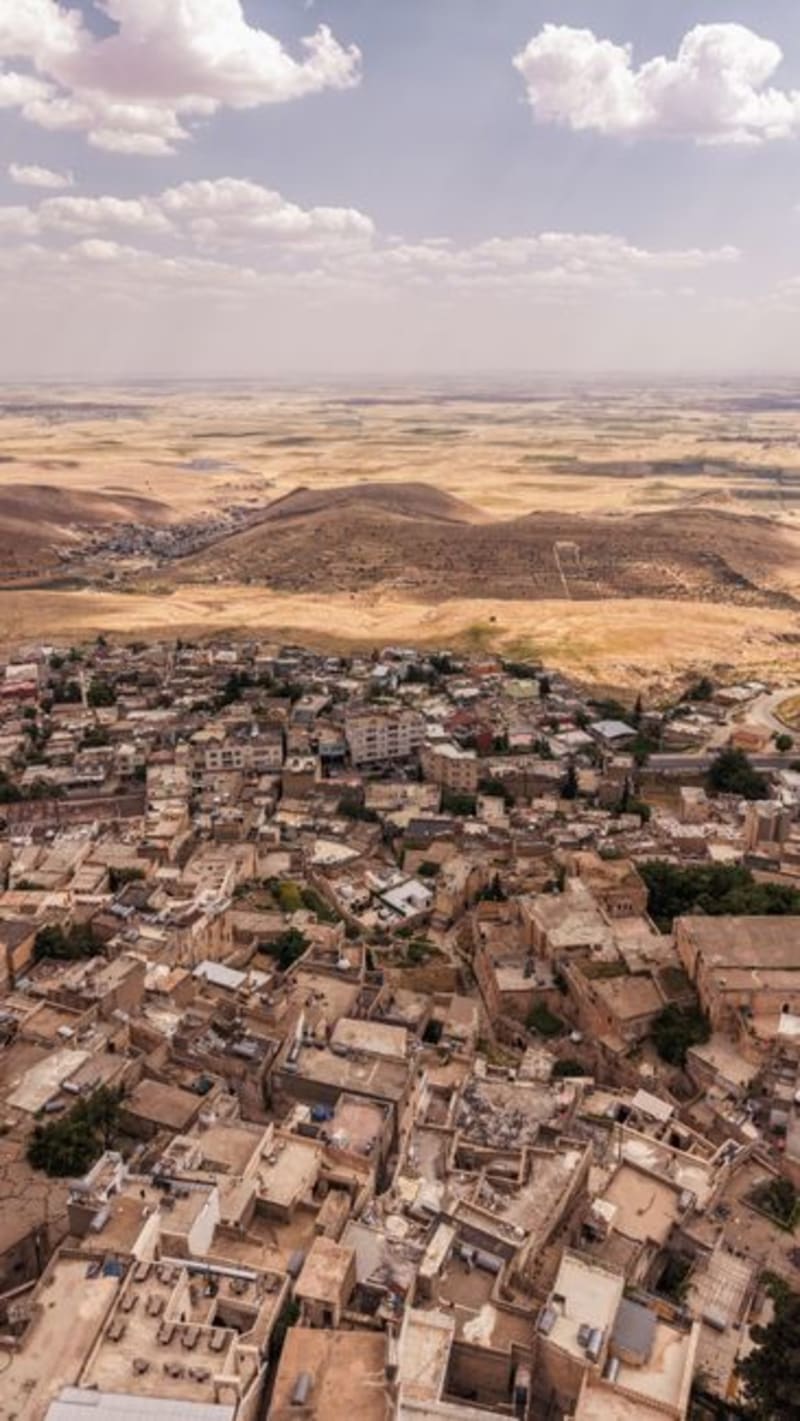 palestine
 Qalqilya
An agricultural city almost entirely encircled by the separation wall, home to a beloved zoo and some of the most productive citrus groves in the West Bank.
Explore palestine
 Qumran
The arid cliffside site above the Dead Sea where the Dead Sea Scrolls were discovered in nearby caves, and the ruins of the community many scholars believe wrote them.
Explore