Birzeit
"A university town that never stopped being a village, in the best possible sense."
A hilltop university town near Ramallah where Ottoman-era stone mansions, a lively student population, and some of the best olive oil in the West Bank all share the same few streets.
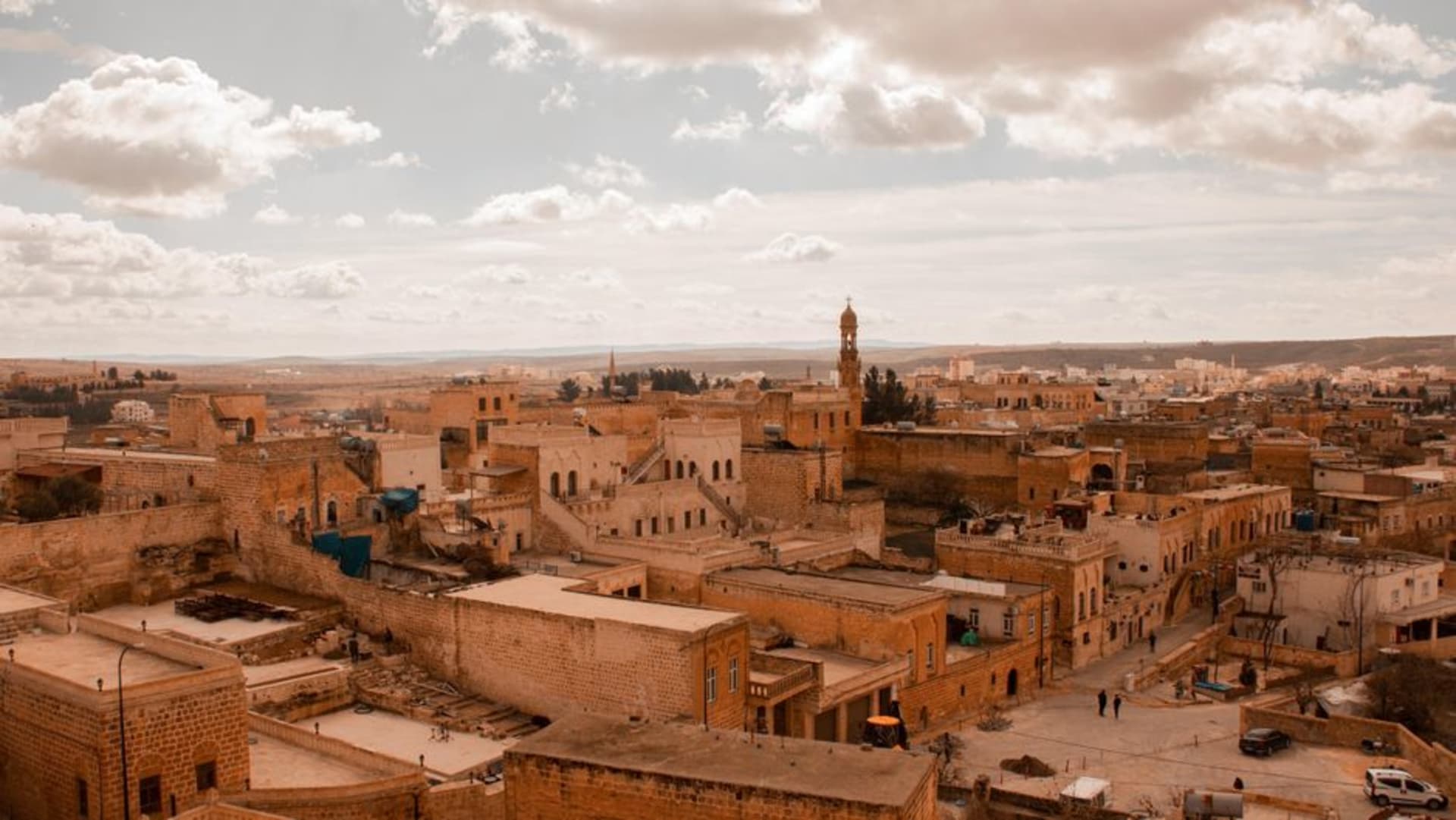
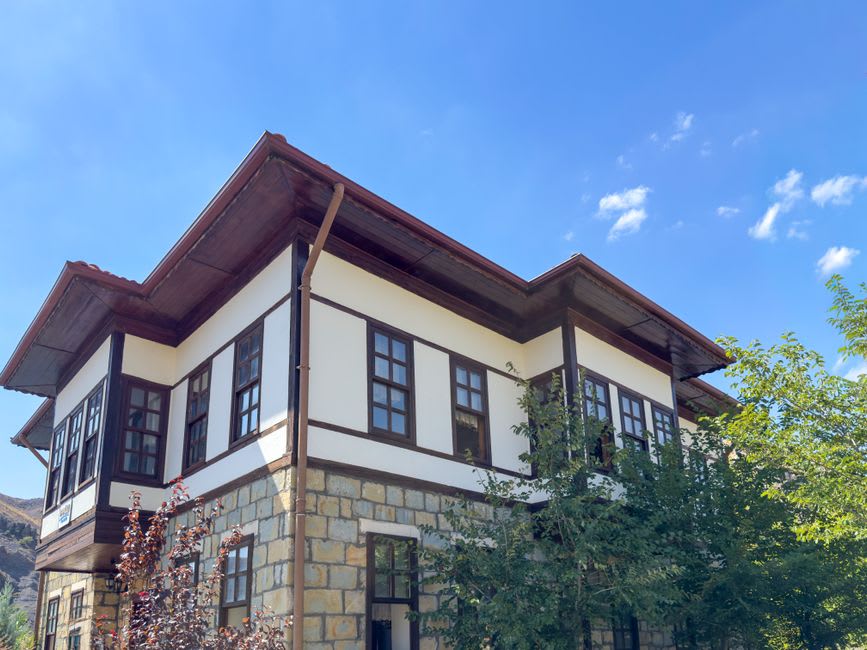
Birzeit sits about ten minutes north of Ramallah by shared taxi, close enough to feel like a suburb and distinct enough to have its own entire personality, built around Birzeit University, one of the oldest and most respected institutions in Palestine. I arrived expecting a sleepy satellite town and instead found streets full of students carrying laptop bags past three-hundred-year-old stone mansions with carved lintels and cross-vaulted ceilings, an odd but genuinely appealing collision of Ottoman-era architecture and campus energy that I haven’t quite found the equivalent of anywhere else.
The old town, a compact cluster of restored merchant houses built by families who made their money in the olive oil and soap trade, has been carefully preserved, and wandering it in late afternoon — golden stone catching the light, iron-studded wooden doors, the occasional carved family crest above a doorway — felt like stepping into a much smaller, much quieter Nablus, without the crowds. A small ethnographic museum inside one of the mansions displays traditional Palestinian embroidery and household objects, and the woman running it, seeing my obvious interest in a particular thob dress pattern, spent twenty minutes explaining the regional variations in cross-stitch motifs across different Palestinian villages, a level of specificity I genuinely hadn’t expected to receive unprompted.
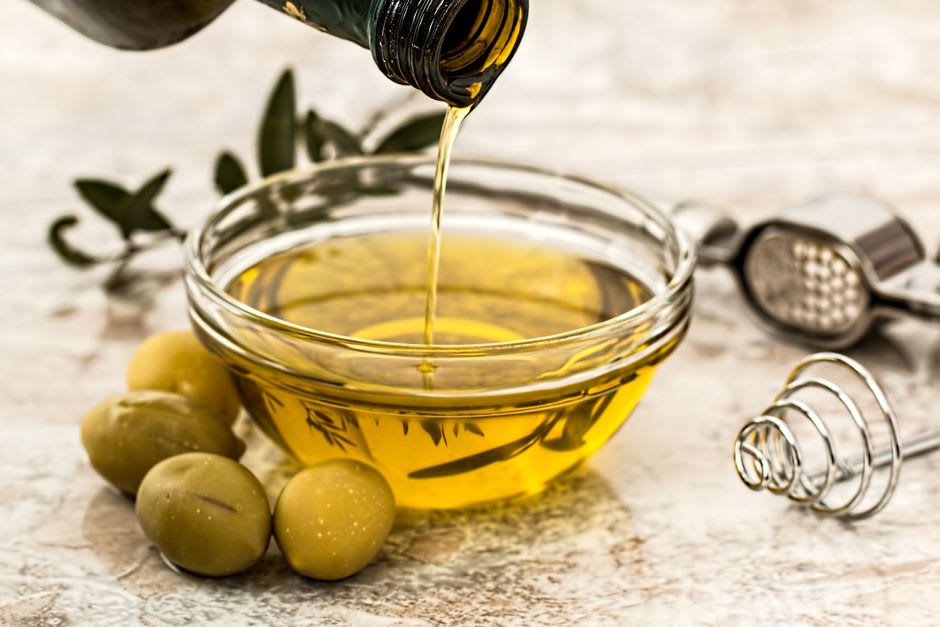
Birzeit is also, unofficially, an olive oil town, surrounded by groves that produce some of the most highly regarded oil in the West Bank, and I ended up at a small family-run press on the edge of town during the autumn harvest, watching truckloads of just-picked olives get crushed and the first oil of the season run cloudy-green and intensely peppery straight from the press. The owner poured me a shot glass of it, still warm, and it was so sharp it made the back of my throat catch, which he informed me, with obvious pride, was exactly the sign of quality oil rather than a flaw.
In the evening, the cafes around the university fill with students arguing about politics and football in roughly equal measure, and I sat with a coffee for a couple of hours just listening, feeling something close to relief at how normal, how collegiate, how simply youthful the whole scene was.
When to go: October for the olive harvest, when the presses are running and the oil is at its freshest. Term time (autumn through spring) gives the town its full student energy; it’s noticeably quieter during summer break.