
Battir
"The spring has been dividing its water among the same seven families for two thousand years. I had no response to that fact."
A UNESCO World Heritage valley where Roman-era terraces are still irrigated by a spring system that predates the Ottoman Empire by several centuries.

The path down into Battir valley begins in the village and descends through olive and grape terraces whose stone walls are clearly not a recent construction — the stones have been placed so long ago that the mortar, where it was ever used, has long since become indistinguishable from the rock itself, and the walls have a slightly organic quality, as though they had grown from the hillside rather than been built onto it. In spring the terraces are intensely green: fava beans and wheat and young grape leaves, and the wildflowers that take over any uncultivated strip. The light at midmorning in April cuts sideways across the valley and makes every shadow long and architectural.
The village of Battir was inscribed on the UNESCO World Heritage List in 2014, a classification that was partly prompted by the Israeli government’s initial plan to route the separation barrier directly through the valley — a plan that would have severed the agricultural community from its land. The inscribing saved the valley in the sense that it raised the legal and diplomatic cost of that particular route high enough to prompt an alternative. The terraces are still here. The farmers still walk down from the village each morning during the growing season to tend plots that have been in their families for generations.

The spring system is what I kept returning to as the most extraordinary thing. A single spring — Ein al-Balad, the Village Spring — emerges from the hillside above the valley floor and its water has been shared among seven extended family groupings in the village for approximately two thousand years by a system of rotating allocation that still functions today. Monday morning the water goes to one family’s terraces. Tuesday it goes to the next. The rotation continues through the week, and then repeats. There is no written contract for this arrangement that predates the Ottoman Land Registry records, which themselves date to the sixteenth century. The system is simply in memory and practice, transmitted from parent to child as a form of knowledge indistinguishable from identity.
I sat at the spring in the afternoon and watched a farmer open a small stone channel and divert a portion of the flow toward his terrace. The water ran in a thin sheet across the soil and the soil darkened and the air near the terrace smelled of damp earth and something faintly botanical. He worked without speaking, with the concentrated economy of someone doing a thing they have done ten thousand times, and after perhaps fifteen minutes he diverted the flow back to the main channel and walked up toward the village.
The old Ottoman-era train station at the bottom of the valley — on what was the Jaffa-Jerusalem railway line, now disused — is a derelict stone building with arched windows that have lost their glass and a platform where goats sometimes graze. The line stopped running decades ago. But the station building is still standing and the valley floor below it is still being farmed, and the Ottoman lintel above the station door still has its carved inscription, and the combination of these things — the decay and the continuity simultaneously present — felt very characteristic of everything I saw in the West Bank.
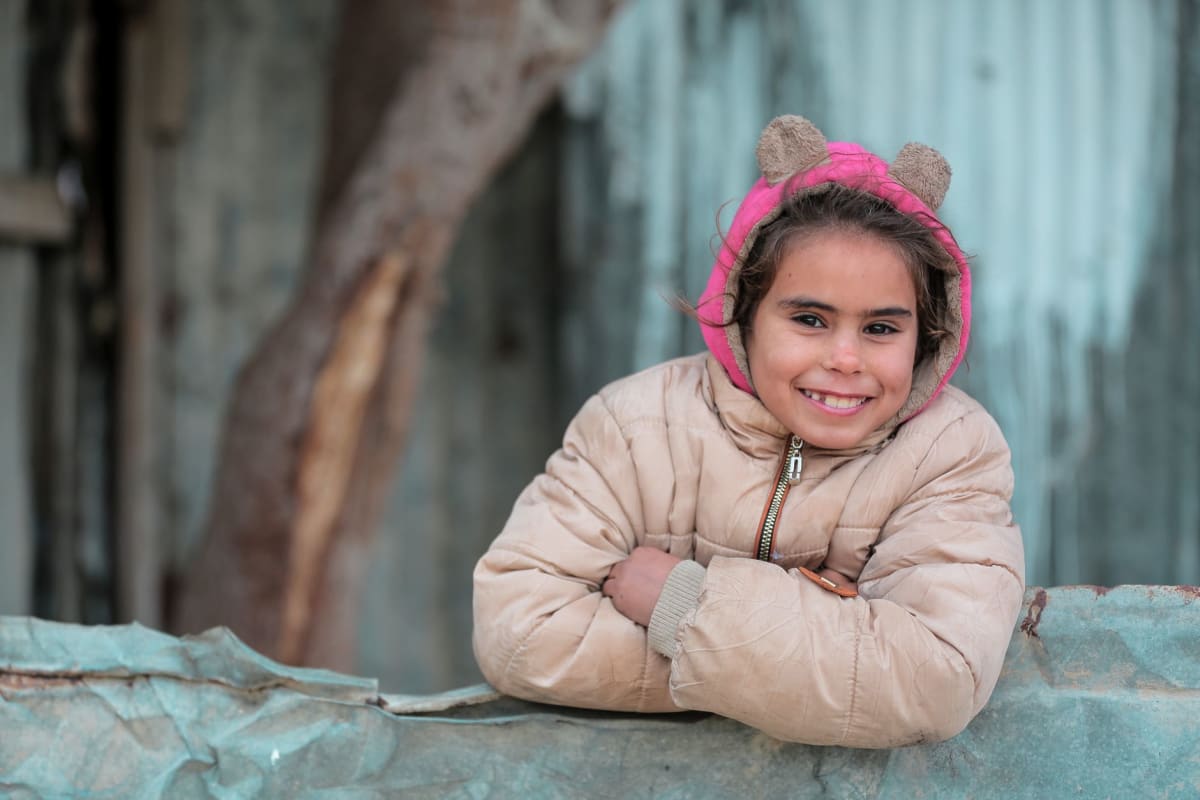
Walking back up through the terraces at sunset, when the light went from gold to amber to a particular dark pink, I passed an old man checking the state of his grapevine. He pulled off a leaf and held it up to the fading light and examined it and replaced it on the vine, and continued up the path. I did not speak to him. There was nothing to say that would have added to what I had just watched.
When to go: March through May for the green terraces and wildflowers — the valley is at its most extravagant. October for the grape harvest, when the terraces are being worked and the air smells of fermentation. The path from the village down to the valley floor and the spring takes about twenty minutes and is clear; wear shoes you don’t mind getting muddy if it has rained.
Keep exploring
More from Palestine
 palestine
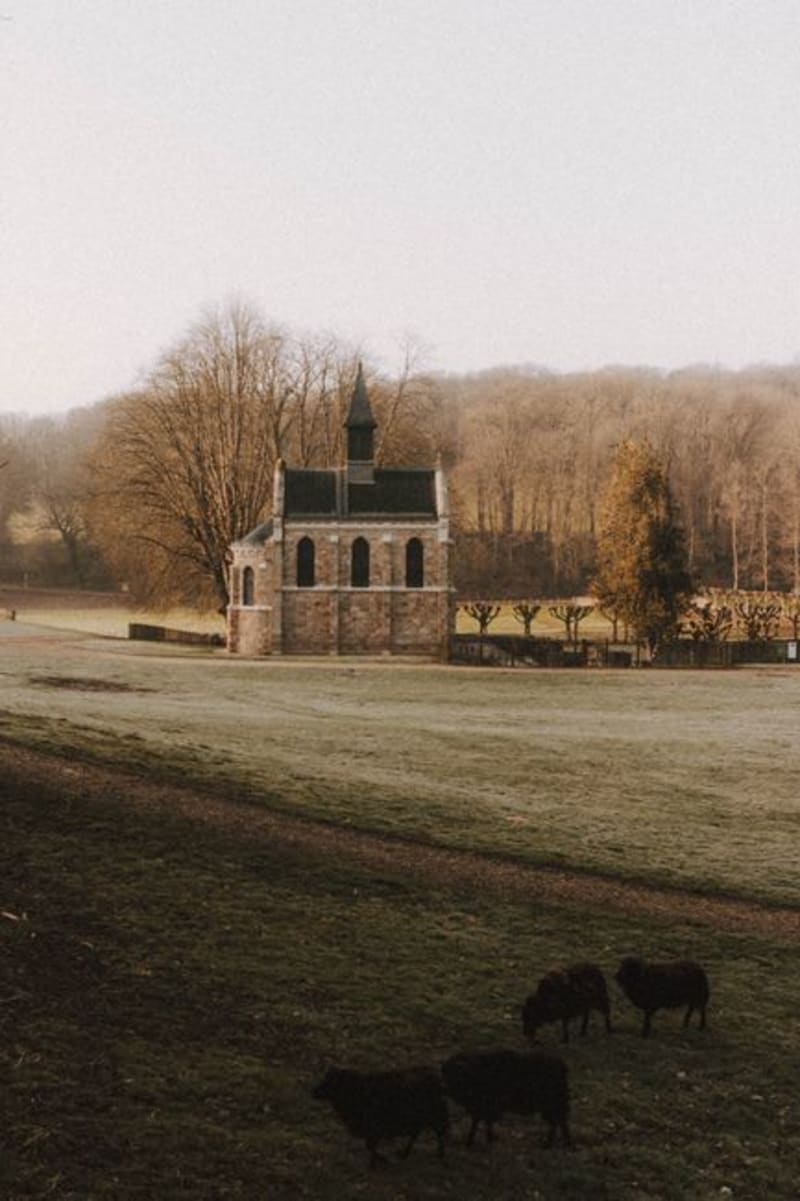
Beit Sahour
The traditionally Christian town just east of Bethlehem where shepherds are said to have received news of the Nativity, now a quiet base for hiking the surrounding Judean hills.
Explore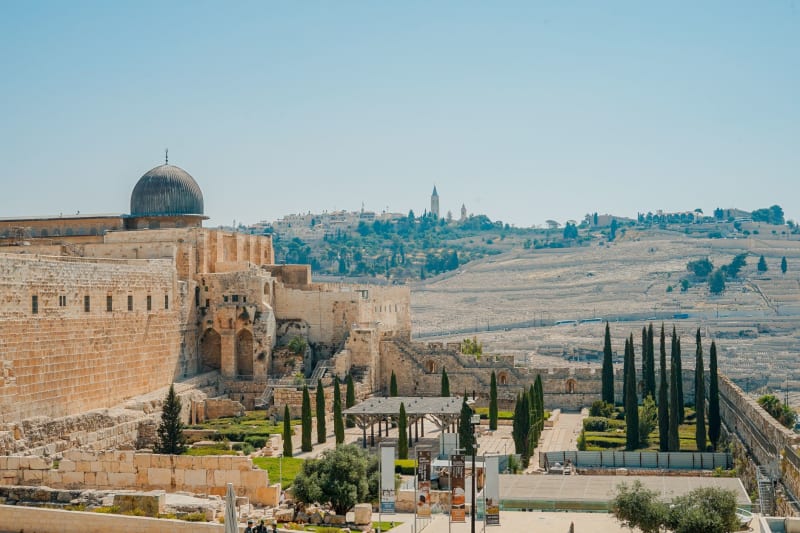 palestine
Bethlehem
A living Palestinian city wrapped around the world's most contested manger — incense, graffiti, and the best musakhan of my life.
Explore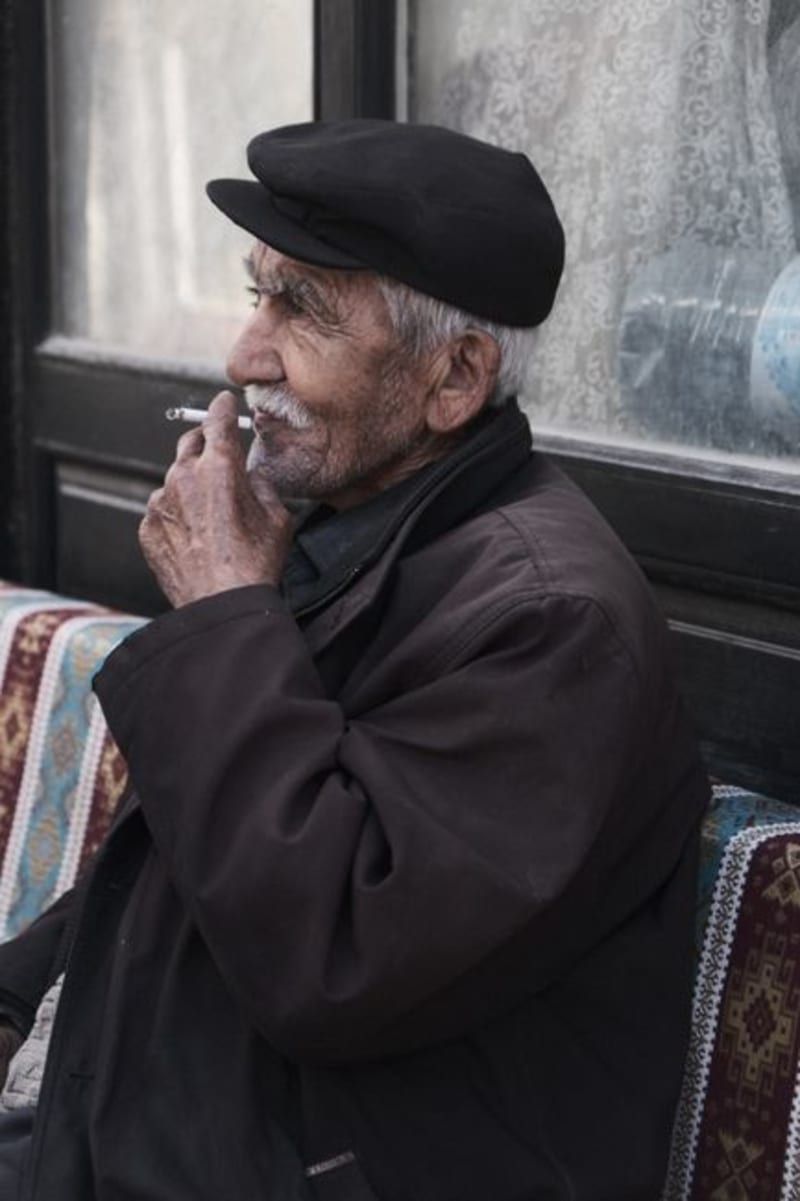 palestine
Birzeit
A hilltop university town near Ramallah where Ottoman-era stone mansions, a lively student population, and some of the best olive oil in the West Bank all share the same few streets.
Explore palestine
Hebron
The most divided city in the West Bank — ancient souk, contested shrine, and a glass-blowing tradition that has survived everything the twentieth century threw at it.
Explore palestine
Herodium
A man-made volcano-shaped mountain outside Bethlehem where Herod the Great built a fortress-palace and, according to Josephus, was buried inside it.
Explore palestine
Hisham's Palace
An eighth-century Umayyad winter palace outside Jericho famous for a single mosaic floor so precise and so vast that photographs of it don't prepare you for standing over it.
Explore