A small farming village near Bethlehem built around the ancient Solomon's Pools system, still celebrated for its terraced gardens and an annual lettuce festival that draws the whole valley.
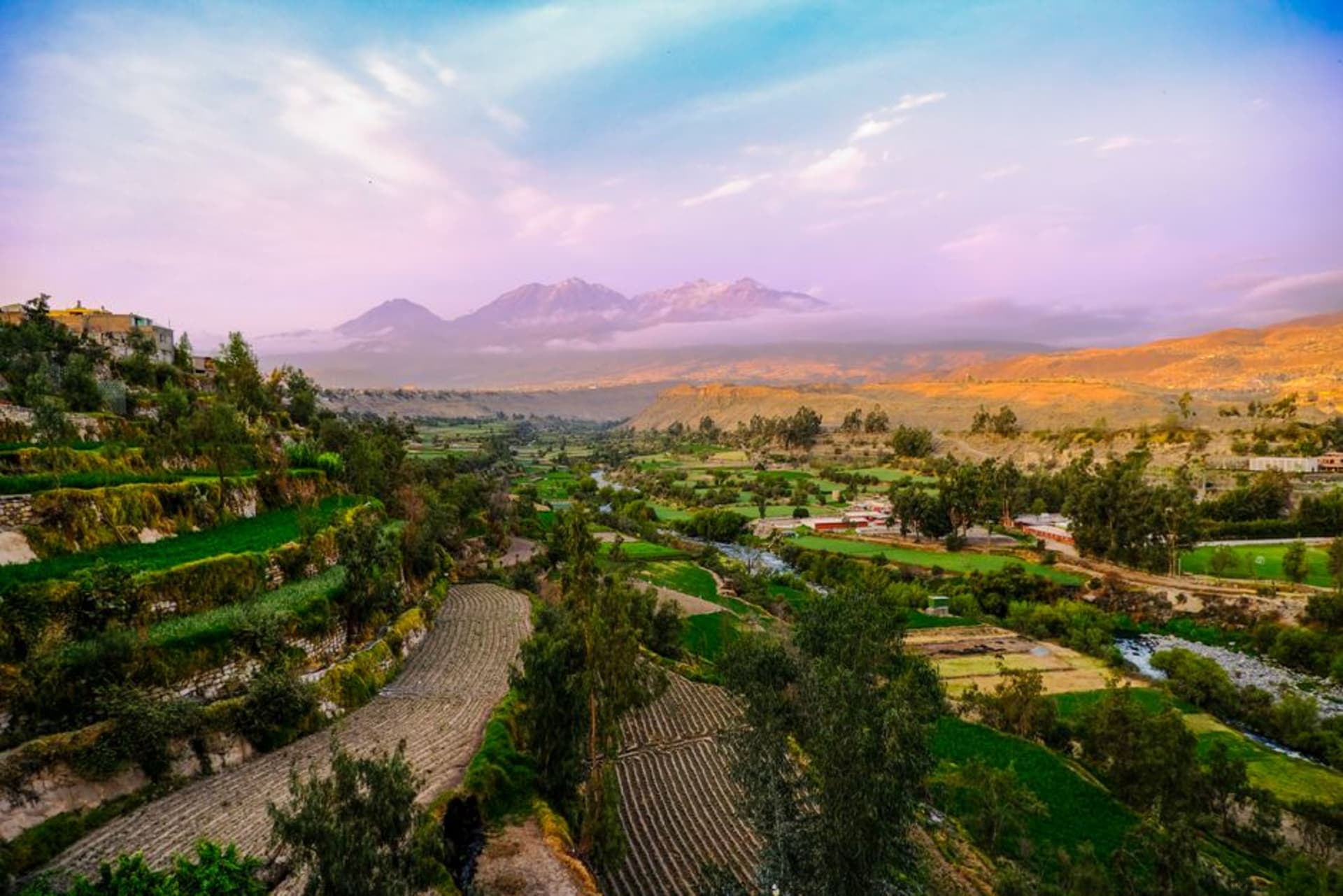
Artas sits in a narrow, fertile valley a short drive south of Bethlehem, and I went initially because of a single strange fact I’d read: the village hosts an annual lettuce festival, Mahrajan al-Khass, celebrating a crop that has been cultivated in the valley’s terraced gardens since at least Ottoman times, irrigated by the same ancient spring system that once fed Solomon’s Pools just up the hill. I arrived expecting the festival to be a minor curiosity and instead found half the valley turned out, folk dance troupes performing dabke in the school courtyard, women in embroidered thob dresses selling preserves, and lettuce, genuinely, everywhere — in salads, stuffed, fried, given away by the armful to anyone who looked mildly interested.
The valley itself is what makes the festival make sense: narrow, green, and intensively terraced, watered by springs that have supported market gardening here for centuries, historically supplying vegetables to Bethlehem and Jerusalem before modern trucking made the arrangement less essential. Walking down into the gardens in late afternoon, past rows of lettuce and mint and fava beans with the valley walls rising steeply on either side, felt like stepping into an older, slower version of Palestinian agriculture, one where the relationship between a specific spring and a specific field of vegetables is still direct and unmediated.

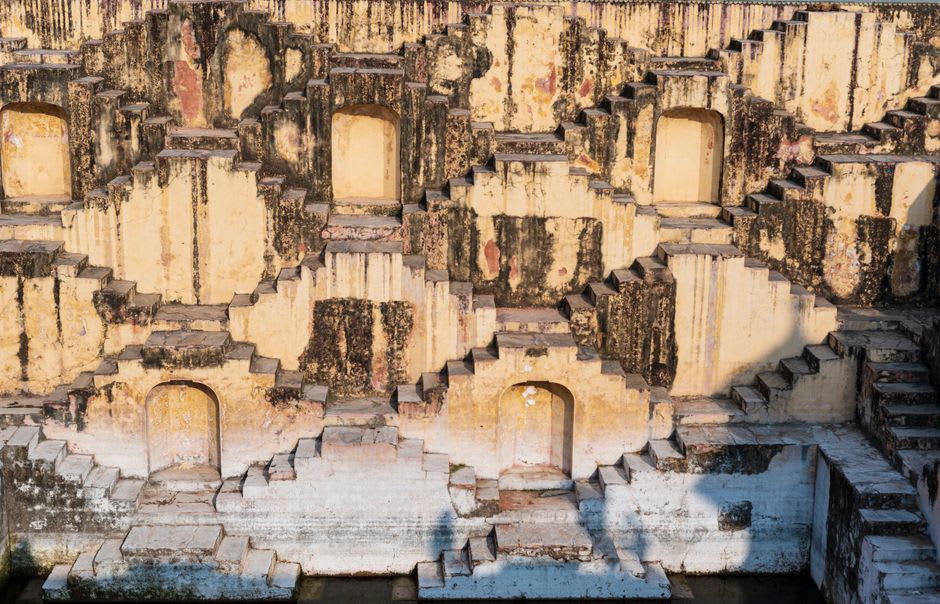
Solomon’s Pools, the three enormous stepped reservoirs on the hill above the village, were built or expanded across Hasmonean, Roman, and Ottoman periods to supply water to Jerusalem via an aqueduct system, and though attributed to Solomon by local tradition, the engineering that survives is largely later — still, standing at the edge of the largest pool, empty now but for rainwater, and looking down the length of the ancient conduit route toward Bethlehem, gave me a genuine sense of the scale of hydraulic ambition this small valley has attracted across multiple empires.
I left with a bag of preserved lettuce pickles pressed on me by a woman who insisted, laughing, that I would regret not taking them home. I did not regret it.
When to go: The lettuce festival runs in spring, usually around April or May depending on the harvest — check locally for exact dates, as they shift with the crop. The valley itself is worth a quiet visit any time between March and June, when the terraces are fully green.