Tubbataha Reefs Natural Park
"Somewhere out past the edge of the map, the reef just falls away and you fall with it."
A remote atoll in the Sulu Sea where coral walls drop into the blue and sharks cruise past like it's nothing

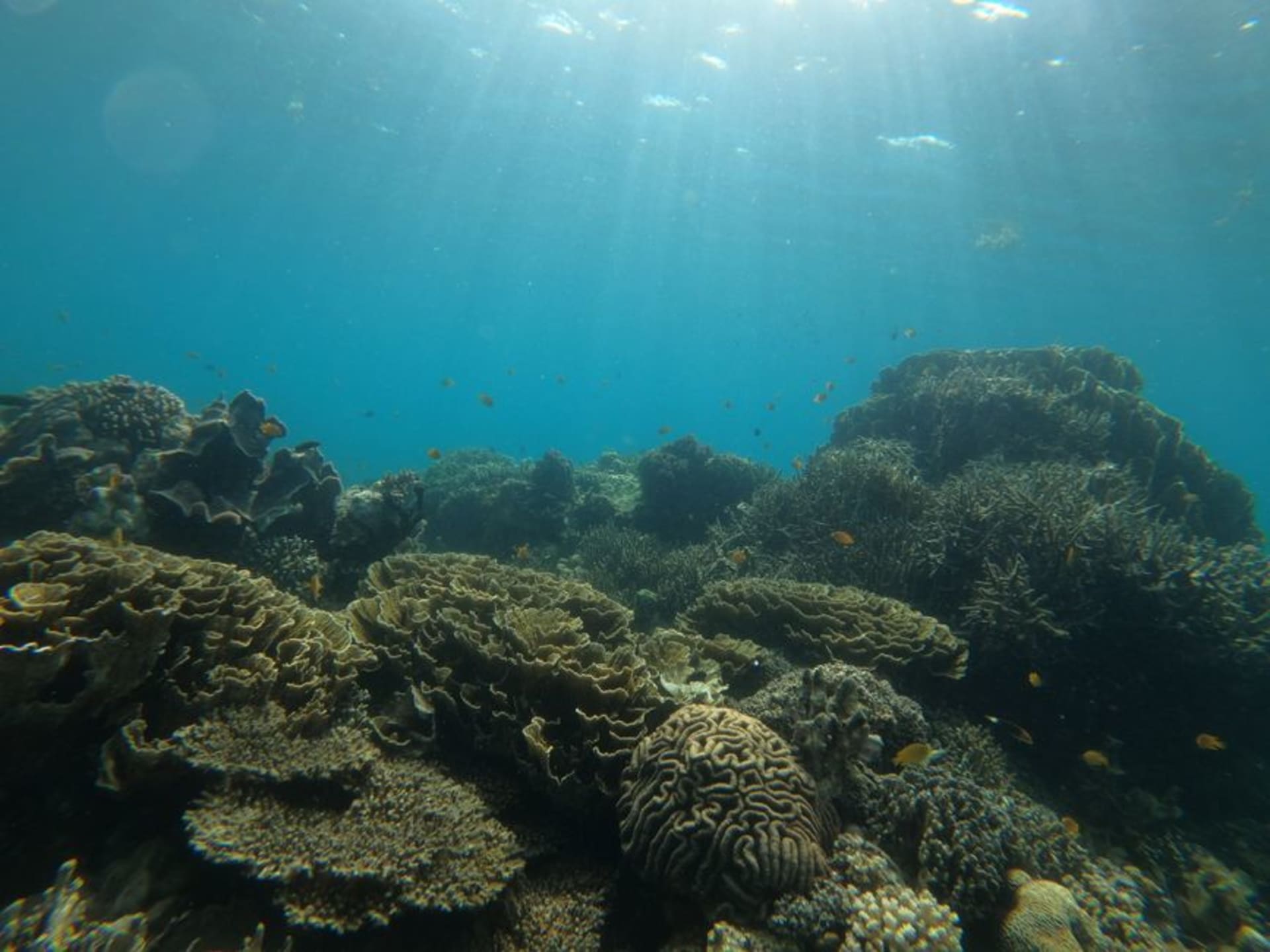
I’ll admit I booked the liveaboard to Tubbataha half out of stubbornness. Everyone in Puerto Princesa kept telling Lia and me it was too far, too expensive, too short a season to bother — the park only opens from mid-March to mid-June, and even then you need ten or so hours of open-water crossing just to reach it. But the moment our boat cut its engine at first light and I looked over the side into water so clear I could see the reef wall thirty meters down, I understood why every diver I’d met in Southeast Asia spoke about this place like it was a rumor they’d been lucky enough to confirm.
We spent five days moored between the North and South Atolls, sleeping to the sound of water against the hull and waking before sunrise for the first dive. The numbers had sounded abstract before I got in the water — more than 600 fish species, 360 types of coral spread across the park’s 97,000-plus hectares — but underwater they stopped being numbers and became a kind of chaos I couldn’t take in fast enough. On our second morning I hung at fifteen meters watching a wall of jacks turn as one animal, and Lia grabbed my arm and pointed at a hawksbill turtle grazing on the reef edge like we weren’t even there.
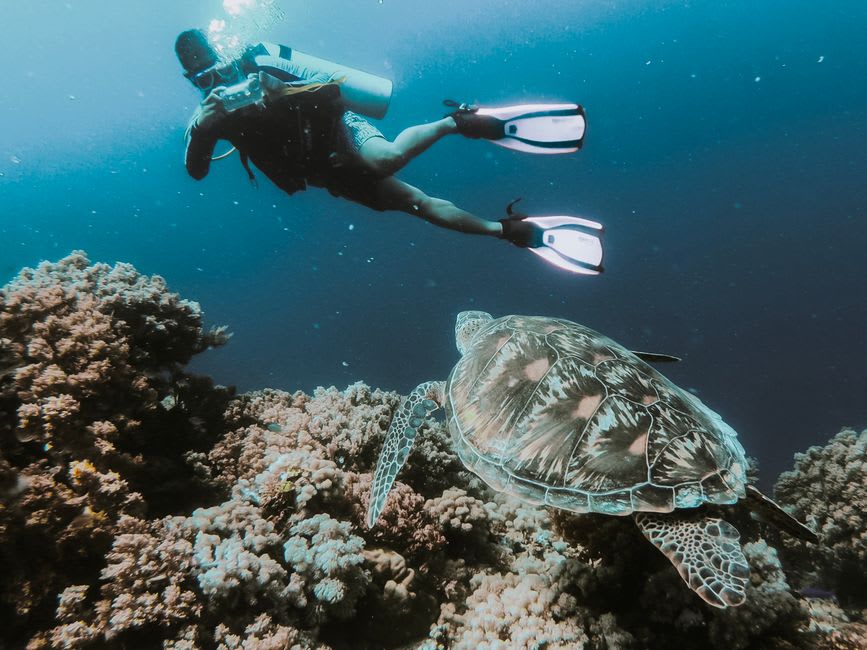
What stayed with me longest, though, wasn’t the fish — it was the drop-offs. The walls at Tubbataha don’t slope, they plunge, over a hundred meters straight down into a blue that goes black, and drifting along one with nothing beneath my fins but that emptiness was the closest I’ve come to feeling truly small in the ocean. Between dives our guide pointed out the small ranger station perched on stilts at the edge of the atoll, where a handful of people live for months at a time watching over the park against illegal fishing boats. I asked him what that isolation was like and he just laughed and said the reef was better company than most people.

On our last afternoon, Lia and I sat on the boat’s upper deck watching the sun drop toward Jessie Beazley Reef, this tiny sandy islet barely poking above the surface, and neither of us said much. It felt less like the end of a trip and more like we’d been let in somewhere briefly and were being asked, politely, to leave. I think about that ranger station more than I expected to — how a place this alive needs people watching over it year-round just so it can stay exactly this untouched.
When to go: Tubbataha only opens its gates to visitors from mid-March to mid-June, when the Sulu Sea calms down enough for the long liveaboard crossing — outside that window, the park closes entirely and the rangers have the reef to themselves.
Keep exploring
More from Palawan
 palawan
Balabac
A remote southern island chain where the sand is genuinely white, the water genuinely clear, and getting there is genuinely half the point.
Explore palawan
Busuanga
The quieter island north of Coron where carabaos graze on grass flats and the reef at Cheey has been left almost entirely alone.
Explore palawan
Coron
A wreck diver's quiet obsession and a freshwater lake that earns every photograph ever taken of it.
Explore palawan
Culion Island
A quiet harbor town in northern Palawan where a Spanish fort and a leprosarium's memory sit side by side above limpid water.
Explore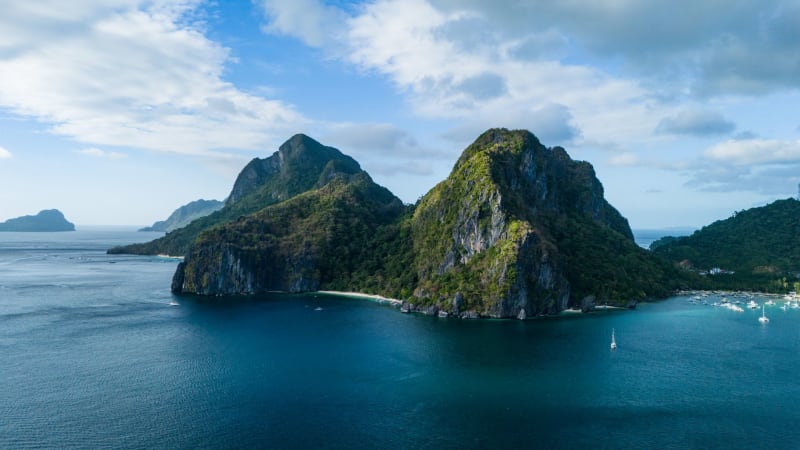 palawan
El Nido
Vertical limestone karsts rising from impossible turquoise water — it looks like a screensaver until you're inside it.
Explore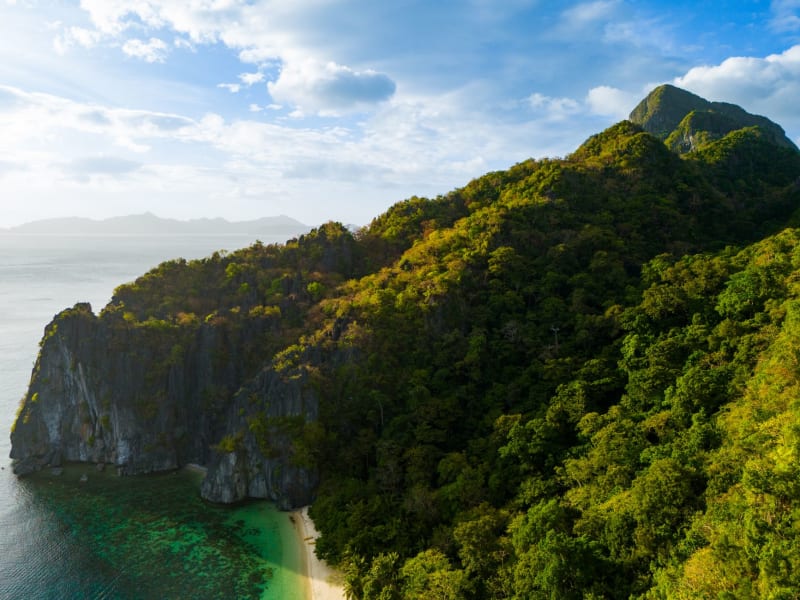 palawan
Honda Bay
The approachable island-hopping just outside Puerto Princesa — no logistics drama, just clear water and a morning to spare.
Explore