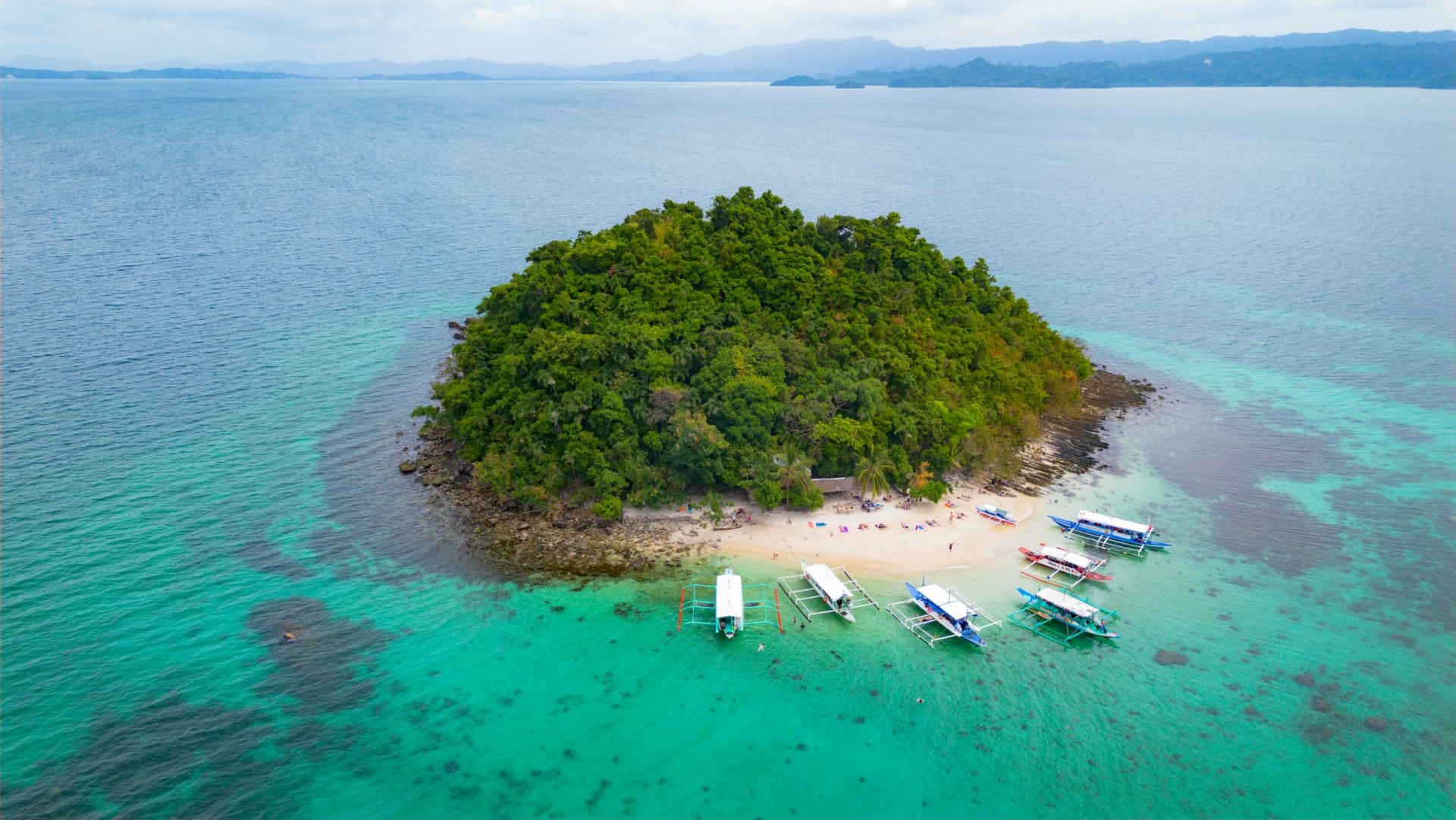
San Vicente
"Fourteen kilometers of beach. I walked it to the end and sat down with a mango and thought about nothing at all."
Long Beach has a quality that is almost offensive in its simplicity: it is fourteen kilometers long, it is nearly undeveloped, and the sand is the colour of unbleached linen in the morning light and the colour of polished bone in the afternoon. The municipality of San Vicente on Palawan’s west coast contains what local tourism literature claims is the longest beach in Asia, and while I have learned not to trust superlatives in brochures, in this case the brochure is not wrong. It is an exceptionally long beach. Standing at one end, the other end is not visible.
I arrived on a small propeller plane from Puerto Princesa — thirty minutes in the air, sitting behind the pilot, the Palawan coast visible below, jungle running down to white sand interrupted only by occasional river mouths the colour of tea. The airport at San Vicente is concrete and functional and handles perhaps four flights a day. A tricycle from the airport costs fifty pesos and deposits you directly on the beach.
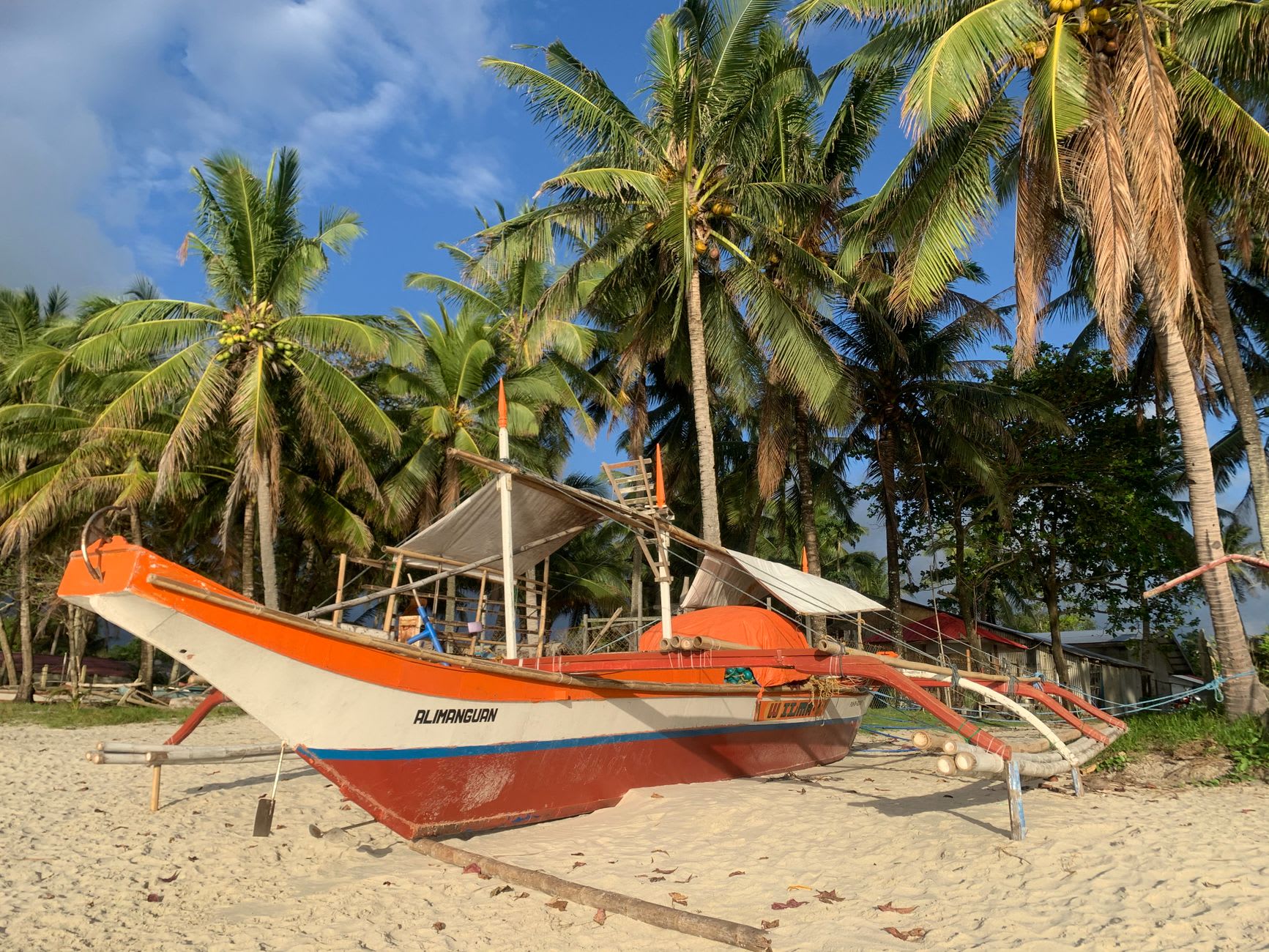
The beach is divided into three sections by two rivers that cross it, and the barangays on either side have very different characters. The northern section, near Alimanguan, is where most of the new tourist infrastructure is building — small resorts, beach bars, bancas for hire. The central section, accessible by crossing the Alimanguan River at low tide, is quieter. The southern section, past the second river, I walked to by myself on my second morning and did not see another person for an hour. The coconut palms here lean inland from decades of prevailing wind, and the surf — small and rolling on a calm day — arrives in sets of three and retreats leaving patterns in the wet sand that last exactly as long as it takes the next set to arrive.
There is not much to do at San Vicente beyond the beach, which is a feature, not a criticism. The municipality has a small market and a cluster of restaurants along the road behind the beach that serve fresh fish — tanigue, lapu-lapu, maya-maya — grilled over charcoal and eaten with rice and soy sauce and the slightly sour fermented shrimp paste called bagoong. I ate this combination for four meals in two days and found no reason to vary it. The buko juice here is served cold, from coconuts that have been sitting in buckets of ice, and costs fifteen pesos. This is the correct price for buko juice, and I want it noted.
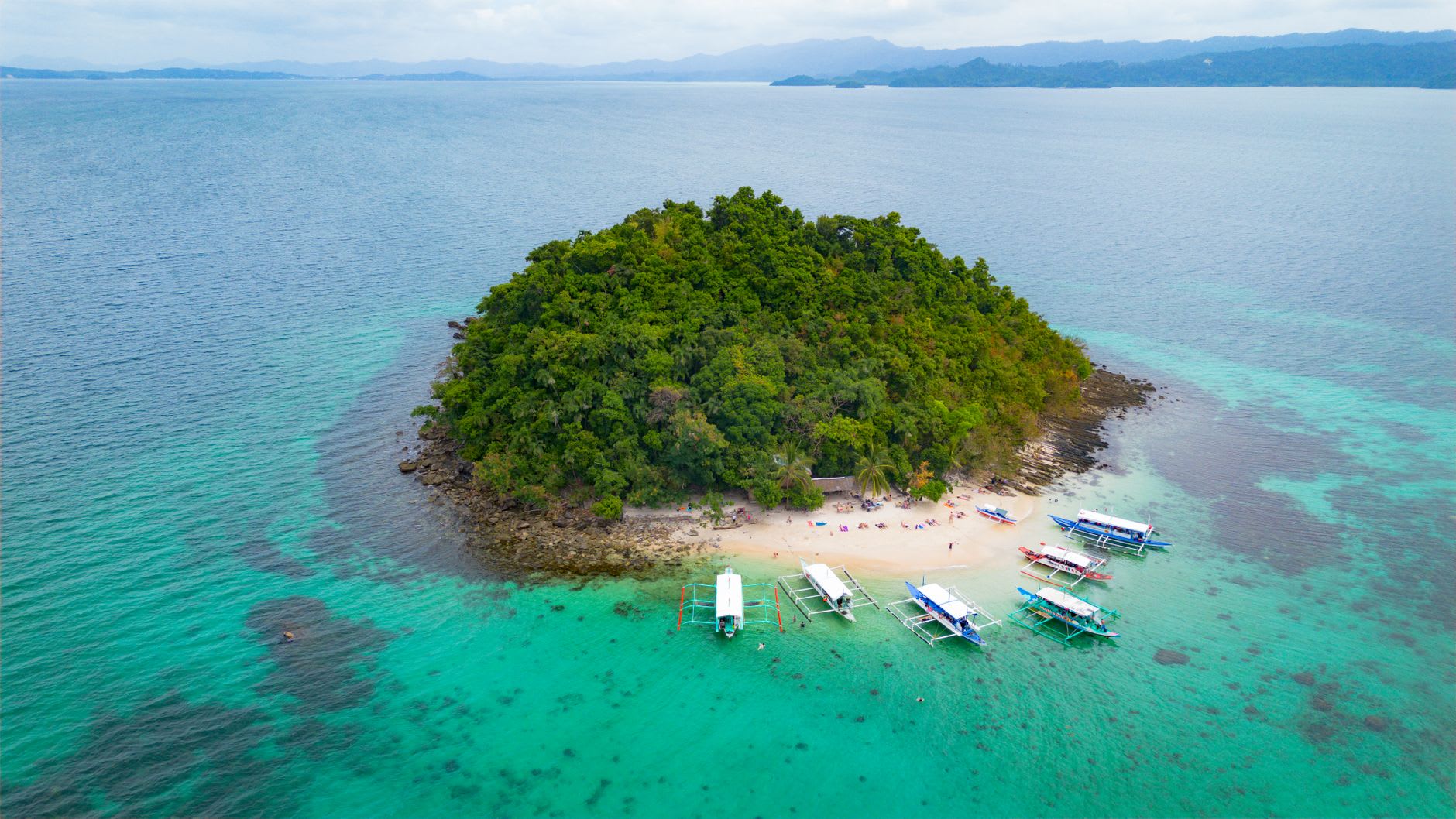
San Vicente is changing — there is a new airport, several resort developments are underway, the road from Puerto Princesa is being improved. In three or four years it will likely be a different place. But for now, Long Beach is one of those destinations where you can still have the scale of it to yourself if you start walking early enough, and the scale of it is genuinely considerable.
When to go: November through April, with January through March being ideal. The beach is at its most pristine in February — manageable crowds, perfect weather, the water as clear as it gets. San Vicente’s infrastructure is thin enough that going in monsoon season (June through October) is not recommended unless you are very comfortable with improvisation and unreliable ferries.