Linapacan
"I could see our anchor on the seabed eight metres down as if it were sitting in glass, and I stopped trying to describe the water and just got in it."
Most people pass through Linapacan without ever setting foot on it. It sits in the strait between Coron and El Nido, and the famous multi-day expedition boats that run that route carve right across its waters, stopping at a beach or two before pressing on to the next big name. That’s the island’s strange fate: it’s been voted, in a few of those clear-water rankings that float around the internet, as having some of the most transparent seawater on earth — and almost nobody actually stays. We went deliberately against the current and based ourselves here for three nights, and it remains one of the better travel decisions we’ve made in this country.

The water that earns its reputation
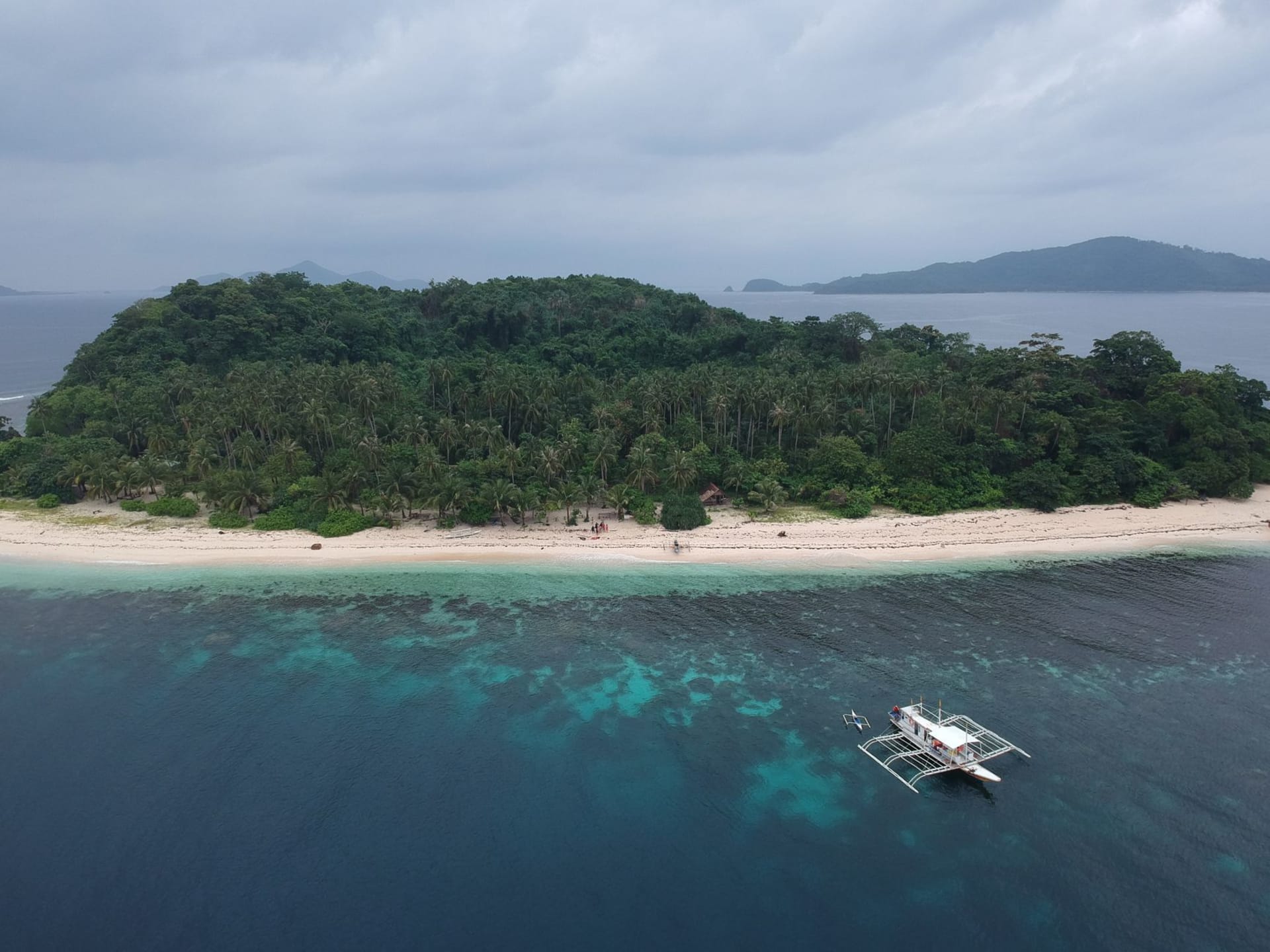
I’m wary of superlatives — every island in this part of the Philippines is sold as the clearest, the most untouched, the last secret. But Linapacan’s water genuinely stopped me. We hired a local bangka for a day of island-hopping and anchored off a sandbar between two limestone islets, and I could see the anchor resting on the seabed eight metres below as clearly as if it were sitting on glass. There’s no run-off here, no resort drainage, very little boat traffic, and the visibility is the result. We snorkeled reefs with nobody else in the water, drifted over seagrass where a turtle fed without bothering to move off, and ate lunch the boatman grilled on a beach where the only other footprints were a dog’s.
Living at island pace
Linapacan is a municipality of dozens of islands with a few thousand people spread thin across them, and the main settlement, on Linapacan Island itself, is a quiet fishing town with intermittent power and a pace that took me a full day to slow down to. There are a handful of simple guesthouses and homestays — no resorts in the El Nido sense, no beach clubs, no one selling you a sunset cocktail. Electricity ran on a generator for set hours; our host’s family cooked whatever the boats brought in. Lia loved it immediately and I, who pretend to be more cynical, came around by the second evening, sitting on a bench watching kids play basketball under a single floodlight while the fishing boats came in.

It will not stay like this. The road to development in Palawan is well-worn, and Linapacan has the raw material that El Nido and Coron monetised a decade ago. Go now, go gently, spend your money with the families who host you, and accept that the trade-off for the empty beaches is that there’s nothing to do in the evening except talk, read, and sleep. Which, after a while, started to feel like the entire point.
When to go: Late November to May, the dry season, for calm crossings and reliable boat days; March and April are the sweet spot. Avoid the July-to-October monsoon, when the strait gets rough and small boats stay in port for days. Bring cash, a power bank, and lower expectations about connectivity.