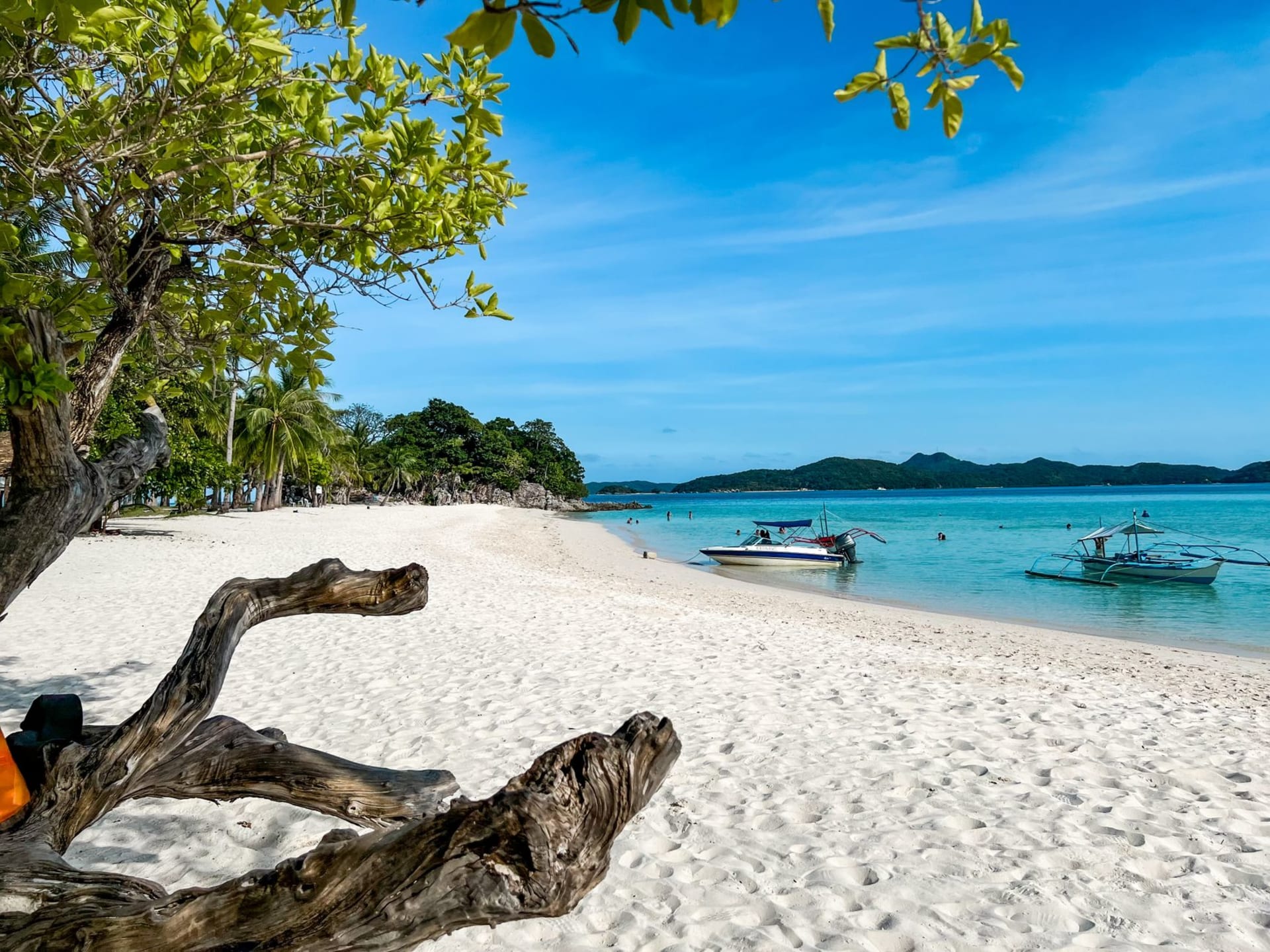
Busuanga
"The carabao outside my guesthouse had the philosophical air of an animal that has seen too many tourists and outlasted them all."
Busuanga is the island on which Coron town sits, and most people who come here treat the two names interchangeably and spend their time focused on the town’s dive operations. This is understandable and partially correct. But Busuanga proper — the flat agricultural interior of the island, the western coast, the northern uplands — is a different proposition from Coron: quieter, slower, operating on a schedule determined by tides and carabaos rather than dive shop opening hours.
I rented a motorbike from a shop near the Coron ferry terminal and spent a day riding the circuit road through the island’s interior. The landscape surprised me. Palawan has a reputation for jungle and sea, but Busuanga’s interior is almost savannah in places — broad grass flats, acacia trees, carabaos standing in the shallows of small rivers with the patient look of large animals who have made peace with the heat. The road connects a series of small barangays: wooden houses on stilts, schoolchildren in uniforms walking along the verge, the occasional water pump at which an old man washes his feet with great deliberateness. The pace of things here is different from anywhere I had been on Palawan, and the difference was restoring.
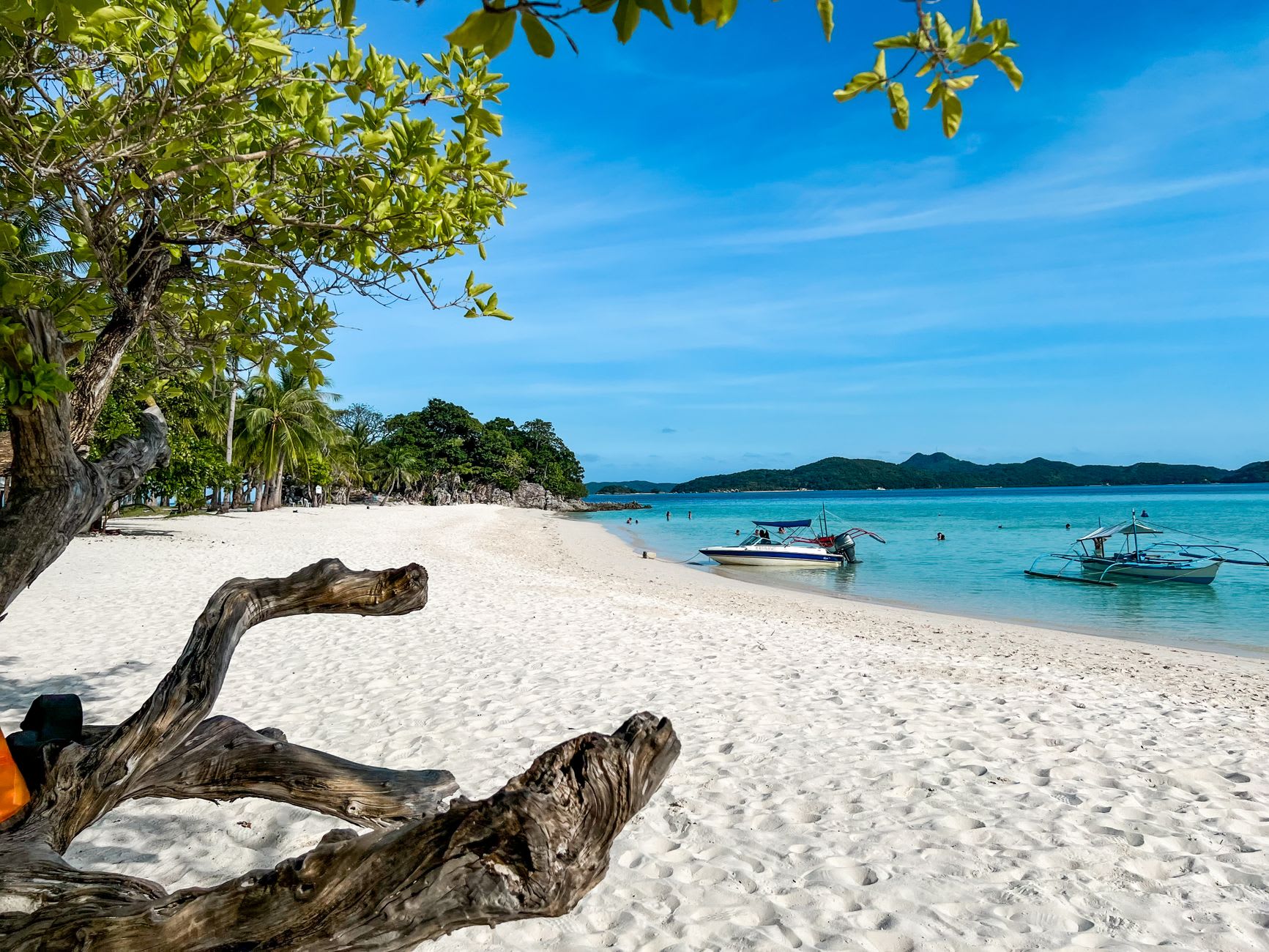
The western coast at Cheey is where I had the best snorkeling of the entire trip. A twenty-minute walk from the road brought me to a beach with a house reef that began at thigh depth and dropped off quickly, the coral in the shallows as healthy as any I have seen in the Philippines — giant clams, staghorn formations the width of dinner tables, humphead parrotfish working the reef edge with their beaks like slow machinery. No boats. No guides. Just a tarpaulin shade on the beach and a woman selling cold Coke from a cooler who seemed unsurprised and uninterested in my presence, which is exactly the right response to a stranger arriving with fins.
The Calauit Safari Park in the northern tip of Busuanga deserves mention: in the 1970s, Ferdinand Marcos arranged for African wildlife — giraffe, zebra, Calamian deer, various gazelles — to be introduced to a large reserve on the island. The result is ecologically complicated and historically contentious but experientially extraordinary: watching giraffes move through coconut palms with the Sulu Sea behind them produces a cognitive dissonance that is its own kind of beauty. The endemic Calamian deer are also here, which makes the park worth more time than most visitors give it.
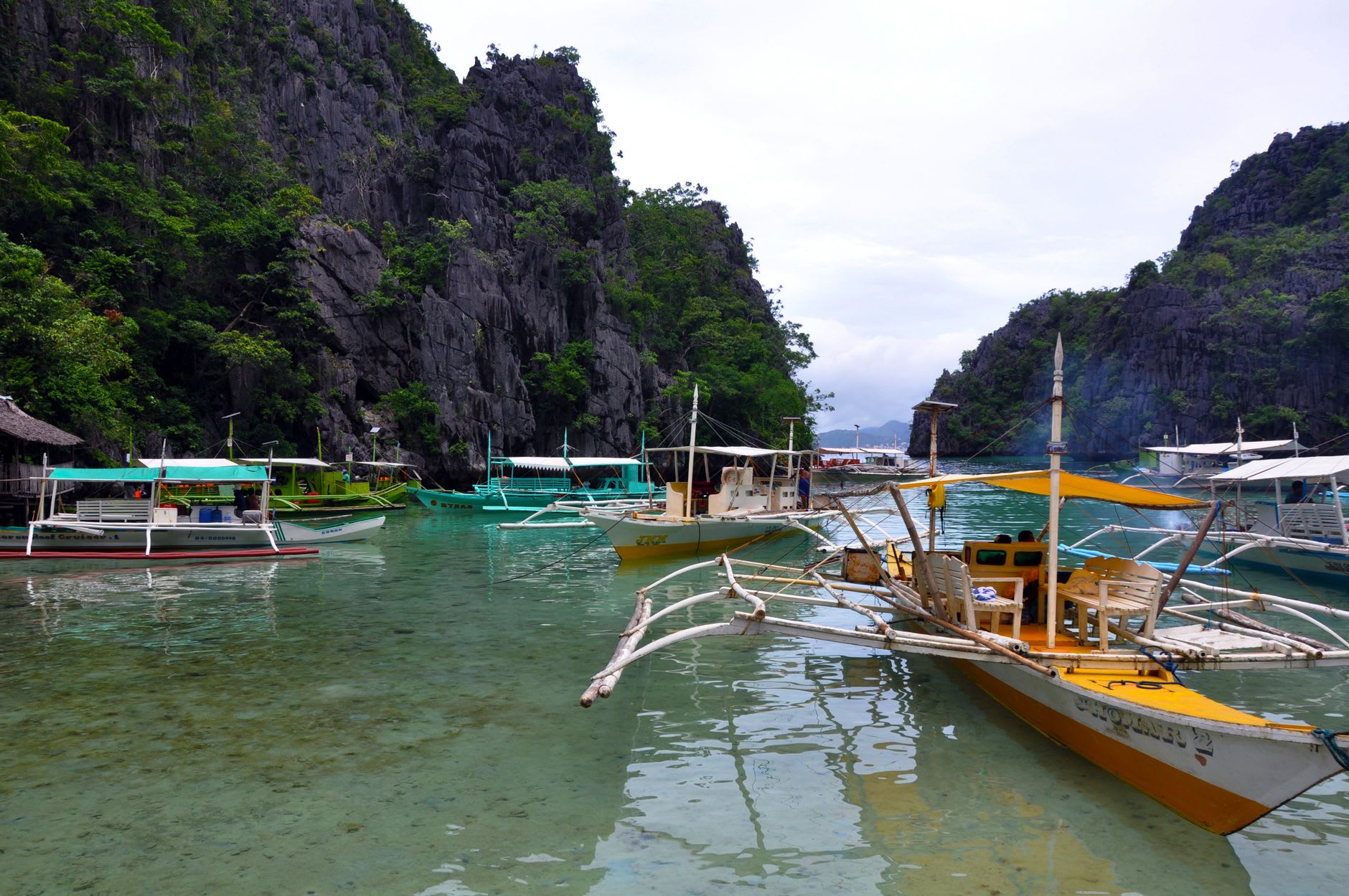
In the late afternoon I found a bamboo platform over the water at a small guesthouse north of Coron town, ordered a cold beer, and watched the sun go down over the Calamian Islands spread across the Sulu Sea to the west. The islands here — there are hundreds of them — are low and dark against an orange sky, and you can see why successive waves of people have come here over the centuries and not left.
When to go: October through May. Busuanga is best combined with Coron rather than treated as a standalone destination — two or three days exploring the island by motorbike pairs naturally with four or five days of diving at Coron’s wrecks. Avoid the wet season for road travel; the grass flat roads and the route north to Calauit can become impassable in heavy rain.