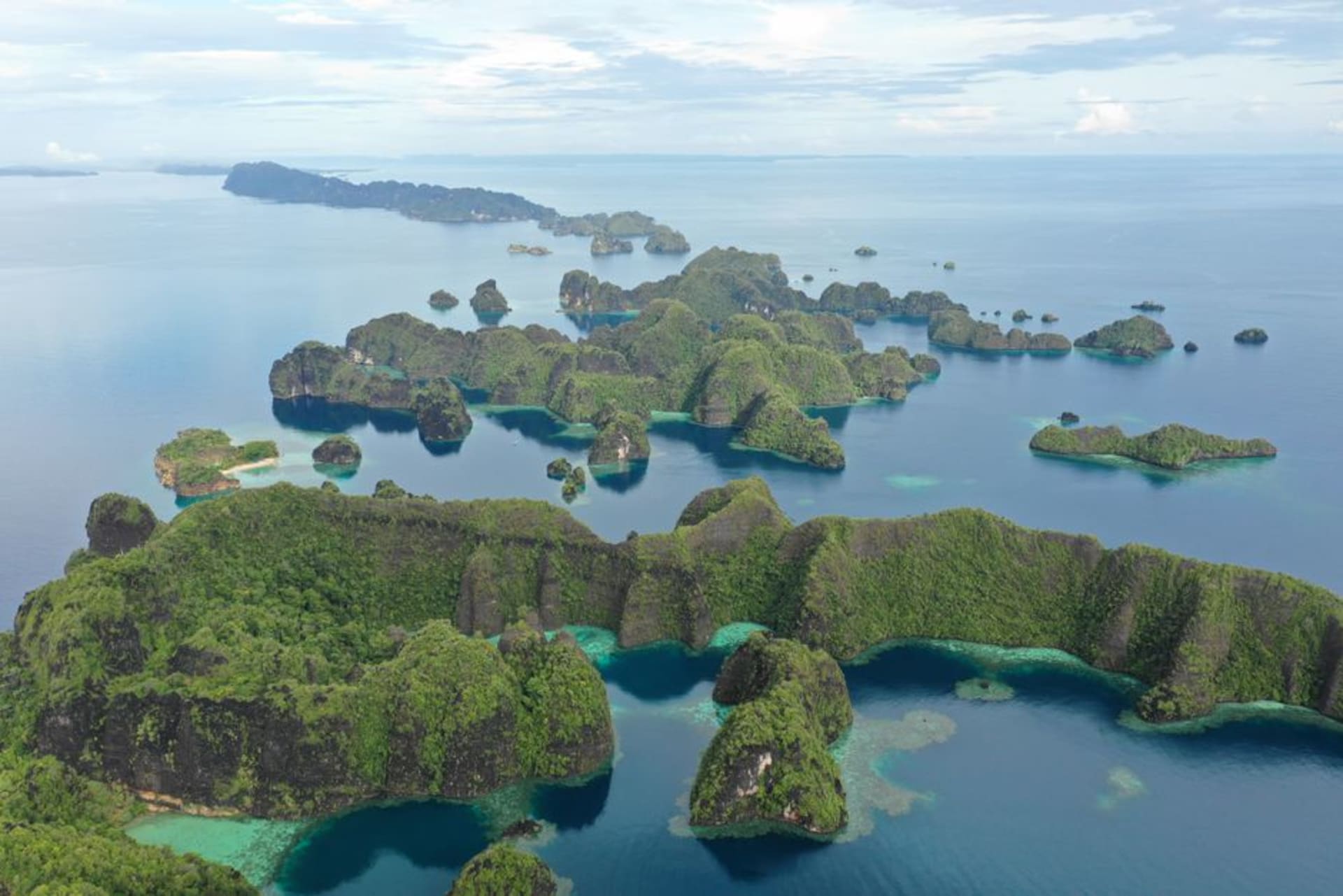
Palau's southernmost inhabited island, where flooded phosphate pits and jungle-swallowed bunkers hold a century of mining and war.
The boat from Koror took a little over an hour, and by the time we cut the engine off Angaur’s western shore, Lia and I had already stopped talking about our itinerary and started talking about the water — that flat, glassy calm you only get here in the dry months, when the crossing isn’t a gamble. I’d read a line somewhere calling Angaur “the quiet cousin” of Palau’s bigger islands, and it stuck with me the whole ride over, because that’s exactly how it felt stepping onto the dock: no jetty crowds, no dive boats stacked three deep, just a handful of guesthouse owners and kids on bikes who all seemed to know each other.
What I wasn’t prepared for was the mining. I knew, vaguely, that Germany had found phosphate here in 1903 and that open-pit extraction started in 1909 — I’d read it in a guidebook the night before and figured it would be a footnote, a plaque somewhere. Instead it’s the whole shape of the island. Our guide, a soft-spoken guy named Toribiong who’d grown up two minutes from the old rail line, walked us past pit after pit that Japanese and then American operators kept working until 1955, hauling out something like 3.5 million tonnes of ore. He told us, matter-of-fact, that it was Palauan, Chamorro, Filipino and Chinese laborers who did that digging by hand and cart, and I found myself going quiet, trying to picture the noise of it where now there’s only birdsong.
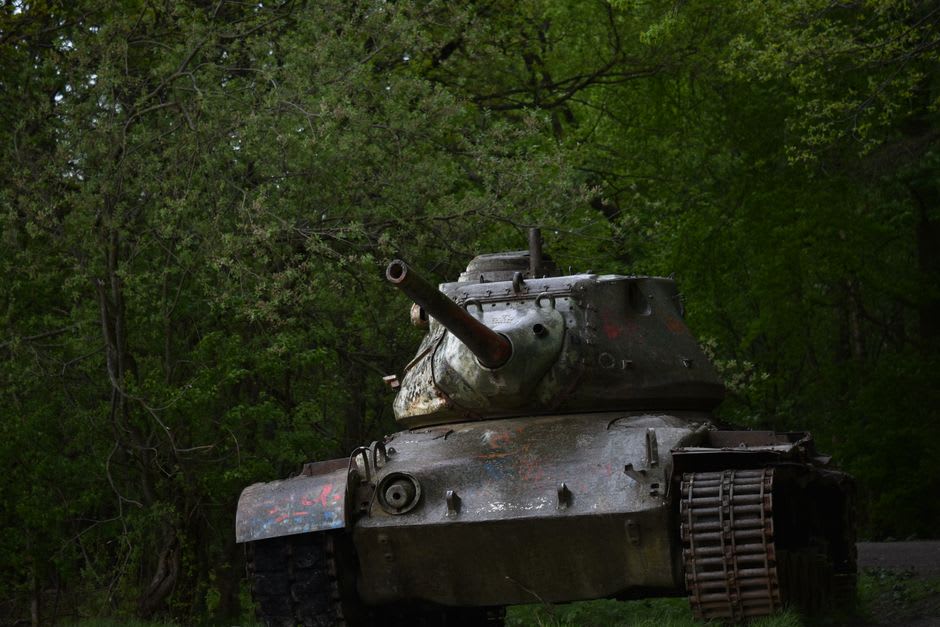
Rain and seawater have been seeping through the limestone into those abandoned pits for seventy years now, and the result is strange and beautiful — a scatter of brackish lakes, some milky turquoise, some almost black under the canopy, that you stumble on like secrets between the trees. We swam in one near midday, the water cool and faintly mineral, and I kept thinking how odd it was that something built to extract could end up making something this peaceful. Later that afternoon we pushed further into the jungle to see what the war left behind — a rusted tank tilted at an angle in the undergrowth, a bunker with its concrete still intact. Angaur saw brutal fighting in September 1944 between US and Japanese forces, and standing in that bunker’s cool shade, Lia reached for my hand without either of us saying anything.
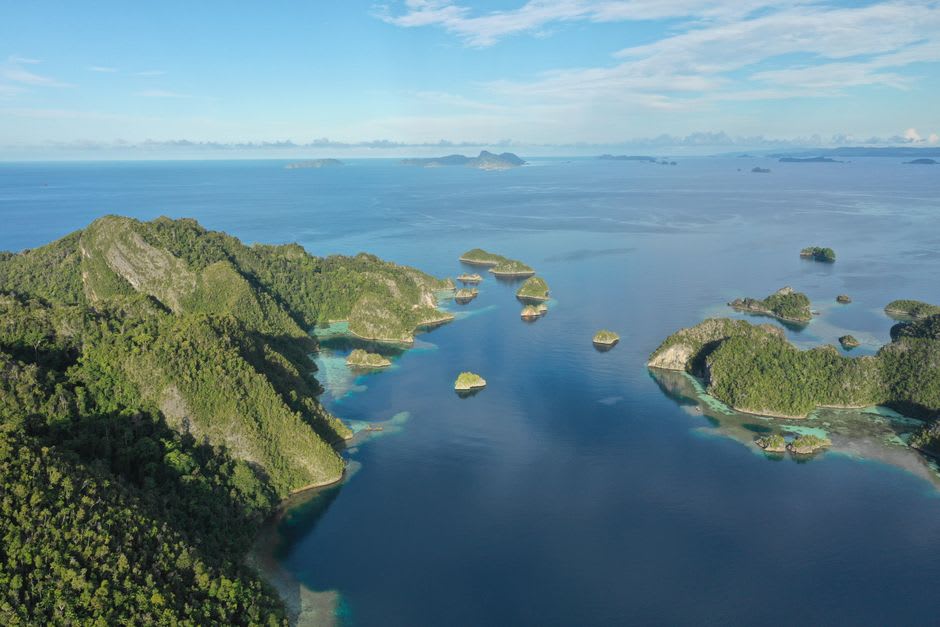
We ate dinner that night on a porch overlooking the water — grilled reef fish, taro, a beer that had somehow stayed cold all afternoon — and I remember feeling like Angaur asks something different of you than the rest of Palau. It’s not a place you photograph and move on from. It’s a place where mining pits become swimming holes and jungle paths lead to tanks nobody’s bothered to move, and you’re left carrying all of it around in your chest for the rest of the trip.
When to go: Aim for November through April, Palau’s dry season — the seas stay calmer for the boat crossing from Koror, and honestly, after seeing how exposed that channel can get, I wouldn’t want to try it any other time of year.