Pacific
Palau
"I came to dive. I stayed because the water changed what I thought I knew."
I arrived in Koror on a prop plane from Guam with a carry-on full of dive gear and almost no idea where I was going to eat dinner. The airport is small enough that you can see the jungle from the baggage carousel, and the air outside hits you with that particular combination of salt, heat, and vegetation that I’ve come to associate with places where the ocean is doing most of the work. Palau doesn’t ease you in. The place announces itself immediately.
The diving is the obvious reason to come, and it lives up to the reputation in a way that few things in travel actually do. Blue Corner is the site that gets written about first — a current-swept wall where you hook yourself to the reef and watch grey reef sharks and white tips circle in numbers that would terrify you if you weren’t so busy being astonished. German Channel reliably draws manta rays in such proximity that you lose the concept of scale. But the dive I keep thinking about months later is Jellyfish Lake on Eil Malk Island. You snorkel through a marine lake cut off from the ocean for centuries, filled with millions of golden jellyfish that evolved without predators and therefore without venom. They pulse around you in every direction, tens of thousands of them, a living amber fog. There is nothing to compare it to. I’m not usually someone who uses the word magical without embarrassment, but I’ll make an exception.
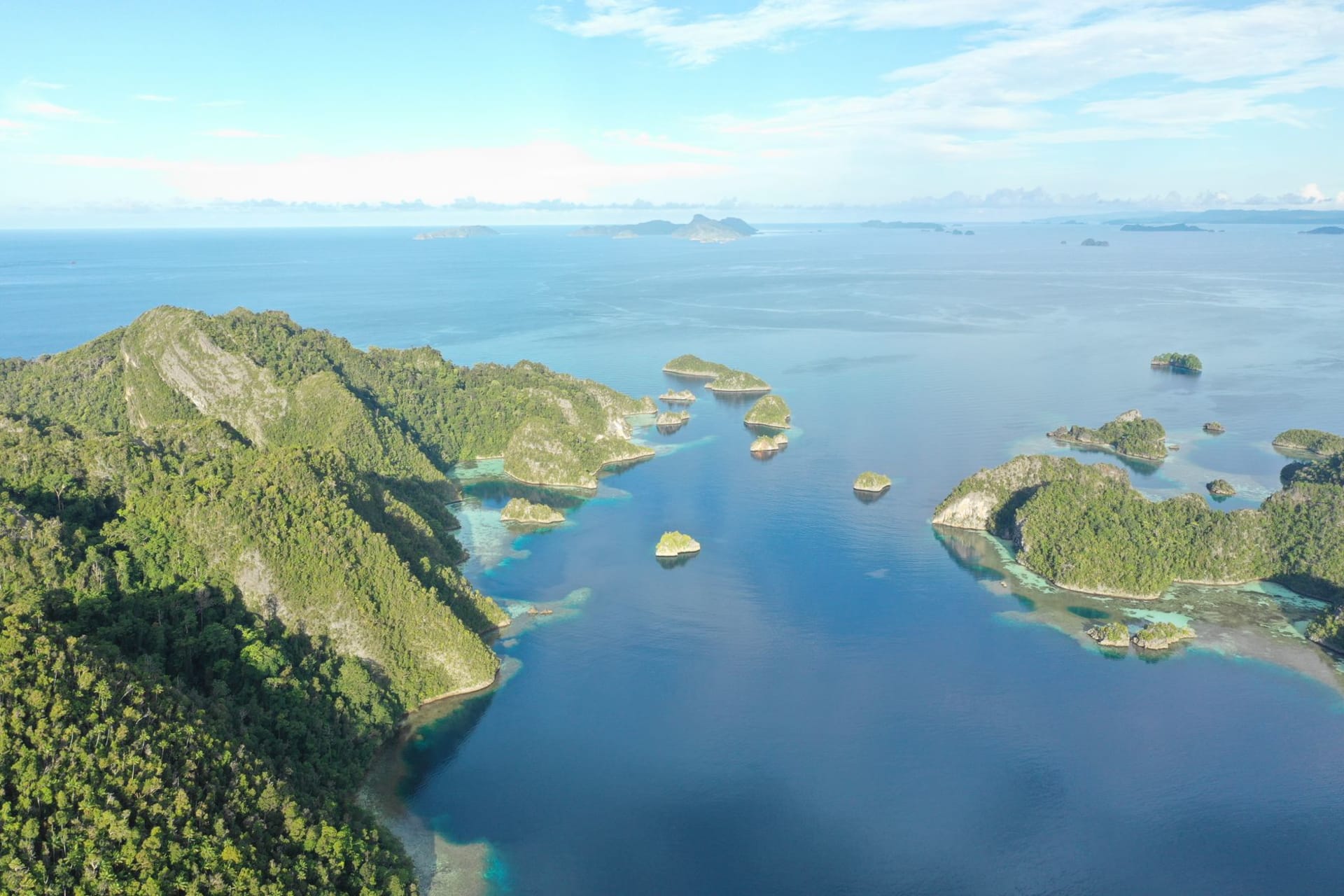
On land, Palau is genuinely small. Koror has a handful of restaurants worth visiting — I ate well at a local spot near the old bridge doing poke-style tuna with calamansi lime that I think about more than I should. The Palauan staple is taro in several forms, alongside fresh fish prepared simply, and seafood soups with a depth that comes from stock made daily. Don’t overlook the local fruit stands: the papaya in October is ridiculous. The capital has the infrastructure you need — good guesthouses, dive operators who know what they’re doing — but the Rock Islands to the south, those three hundred-plus limestone mushroom formations rising from turquoise water, are why you’re really here.
When to go: November to April is dry season, with calmer seas and better visibility for diving. October and November see some rain but the jellyfish population in Jellyfish Lake peaks in the wet season — the lake’s jellyfish numbers fluctuate dramatically depending on rainfall and nutrients, so it’s worth checking current conditions before you book. Avoid August if you can: the Japanese tourist season floods the Rock Islands with day-trippers.
What most guides get wrong: They position Palau purely as a bucket-list dive destination, which causes two problems. First, non-divers dismiss it entirely, even though Jellyfish Lake, the Rock Islands by kayak, and the WWII wrecks visible by snorkel are extraordinary without a tank on your back. Second, divers rush through it in four days trying to hit every site, when the real experience of Palau comes from slowing down — doing a drift dive in the morning, eating tuna on a dock at noon, and kayaking into a cove at sunset where no one else is. It’s a place that rewards patience in a way that almost nothing else in the Pacific does.