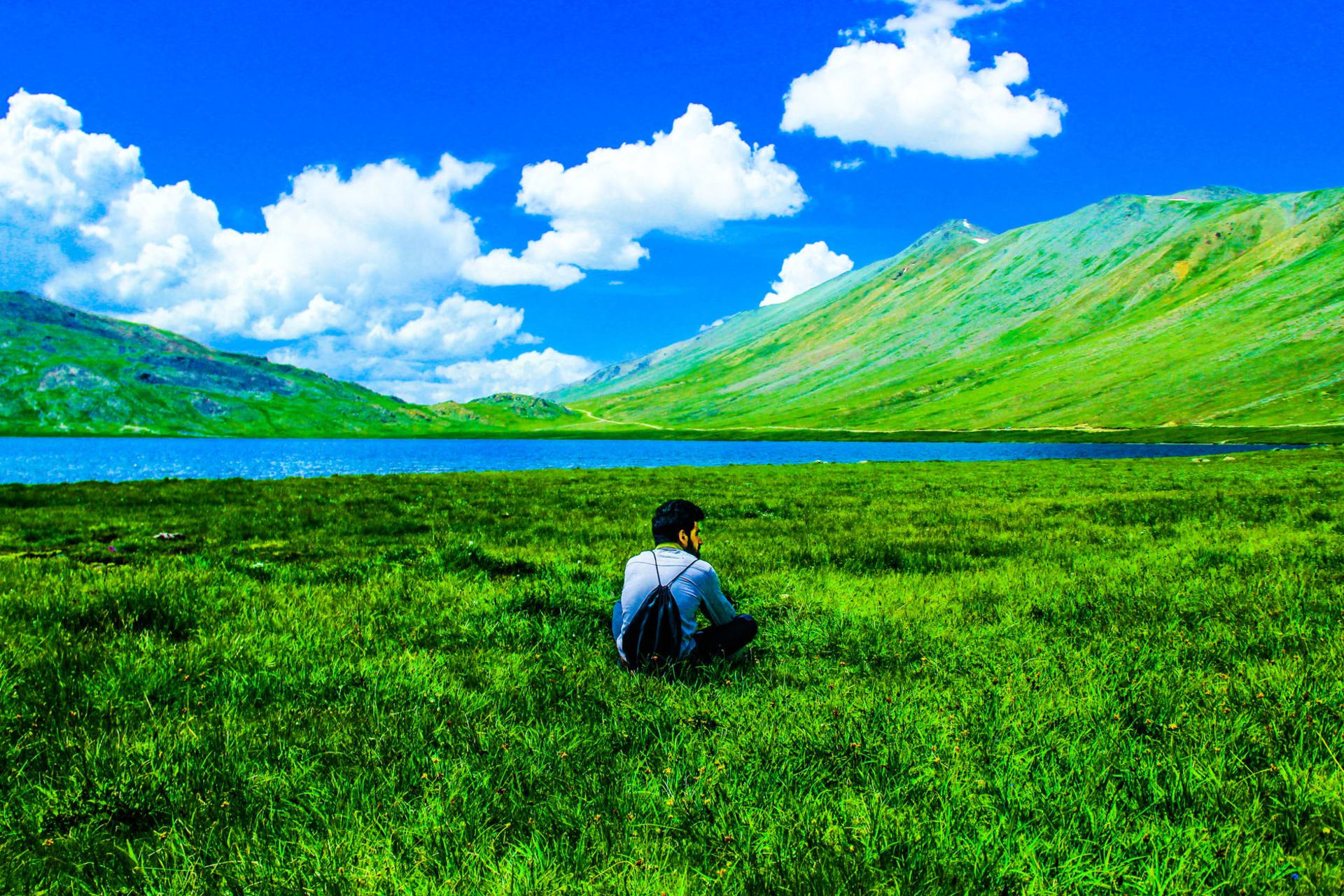
Fairy Meadows
"The mountain fills your entire peripheral vision here. You stop looking at it and start feeling watched by it."
A high alpine clearing at the foot of Nanga Parbat where the ninth-tallest mountain takes up your entire sky.

The jeep track from the Karakoram Highway to Raikot Bridge is the kind of road that makes you realize jeeps have opinions about what constitutes a road. From Raikot Bridge, it’s a three-hour walk through forest — pine and silver birch closing overhead, a stream running alongside, the altitude beginning to announce itself around 3,000 meters. When the trees finally open out into the meadow, Nanga Parbat is simply there: 8,126 meters of rock and ice taking up such a large portion of your visual field that your brain takes a moment to accept what it’s processing. Other mountains I’ve approached gradually, their size revealing itself over hours of trekking. Nanga Parbat at Fairy Meadows happens all at once.
The meadow itself is a strip of flat green at roughly 3,300 meters, hemmed by forest, the ground soft underfoot from the snowmelt that feeds it. There are a handful of wooden guesthouses and camping areas run by local families — nothing luxurious, everything sufficient. I slept in a room with a wood-burning stove, under four blankets even in June, listening to the sound of the forest in wind. Dinner was dal, chapati, rice, potatoes — the same food as everywhere in the north, and I mean this as no complaint. After a day at altitude, simple carbohydrates served hot by firelight are not just adequate; they are exactly right.

The reason to push further — and most people staying at the meadow attempt it — is Beyal Camp, another hour and a half up through alpine terrain, where the Raikot Glacier becomes properly visible and the mountain comes even closer. I went at five in the morning, stumbling uphill in cold air and thin dark, to catch the alpenglow on the Nanga Parbat’s south face. What happens to those 8,000-meter peaks at first light — the way the color moves from purple to pink to orange to gold — is one of those things photography can gesture at without quite catching. The light was on the mountain for perhaps twenty minutes before the sun climbed high enough to flatten everything into daylight. I stood there for all of it, eating a piece of bread I’d brought from the guesthouse.

The German climber Hermann Buhl made the first solo summit of Nanga Parbat in 1953 — a 17-hour push to the top alone, without supplemental oxygen, which remains one of the most audacious climbs in mountaineering history. Standing at the meadow looking up at what he climbed, you understand the scale of that achievement in a way no book communicates. The mountain kills people with regularity, including, among others, Reinhold Messner’s brother. There’s something in the local name for it — Diamir, “the king of mountains” — that the place earns, and you feel it standing there.
When to go: May through September, with June and July offering the best combination of clear days and manageable temperatures at altitude. Snow can linger at the meadow into late May. September brings sharper nights but exceptional clarity — the mountain on a clear September morning is something you will spend years explaining to people who weren’t there.
Keep exploring
More from Pakistan
 pakistan
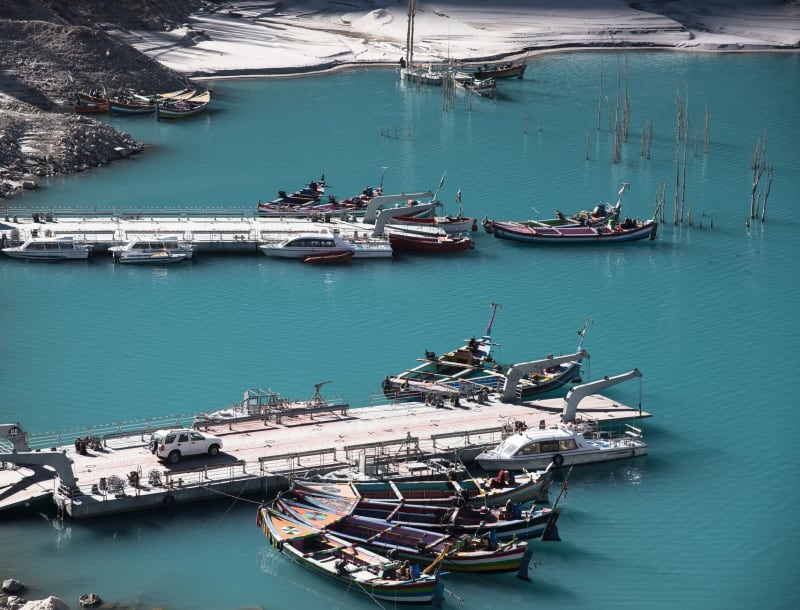
Gilgit
A mountain crossroads city where four of the world's great ranges converge and every face you see looks like it's from a different civilization.
Explore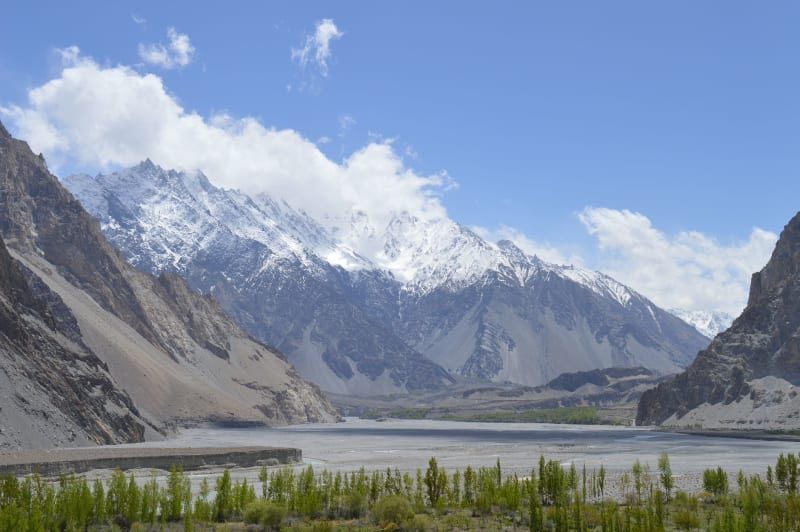 pakistan
Hunza Valley
A glacial valley so extravagantly beautiful it made me question every place I'd ever called beautiful before.
Explore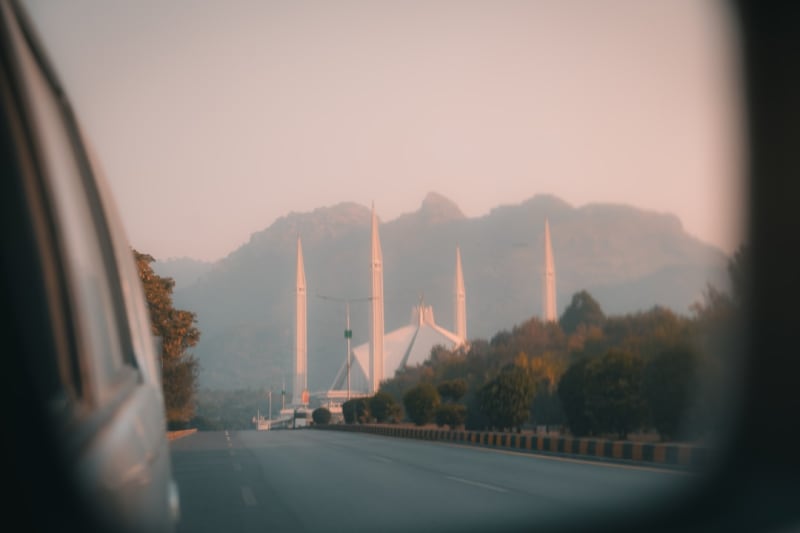 pakistan
Islamabad
A grid-planned 1960s capital laid out against the green wall of the Margalla Hills, calmer and greener than any other Pakistani city.
Explore pakistan
Karakoram Highway
The highest paved international road on earth, threading 1,300 kilometers through mountain scenery that justifies every superlative ever applied to it.
Explore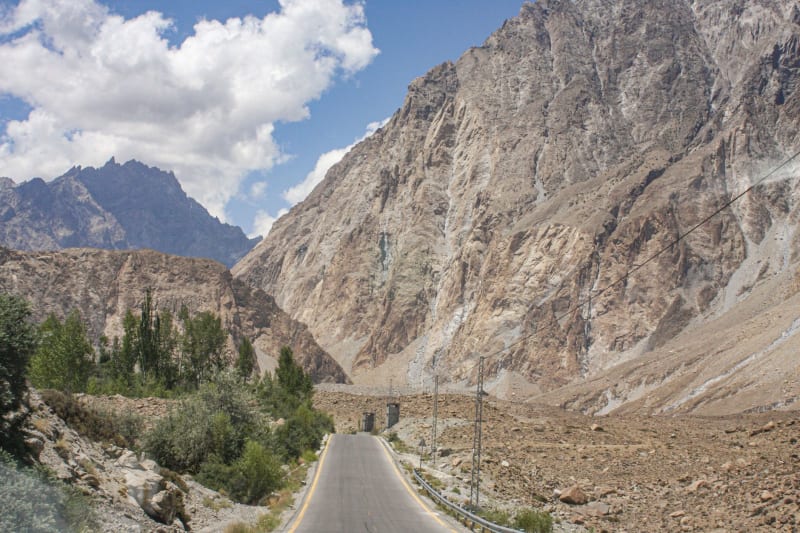 pakistan
Khunjerab Pass
The highest paved border crossing in the world, where Pakistan ends, China begins, and the air is too thin to think straight.
Explore pakistan
Lahore
Pakistan's Mughal soul and its most ferocious food city, where the old walled city still cooks the way it always has.
Explore