Nullarbor Plain
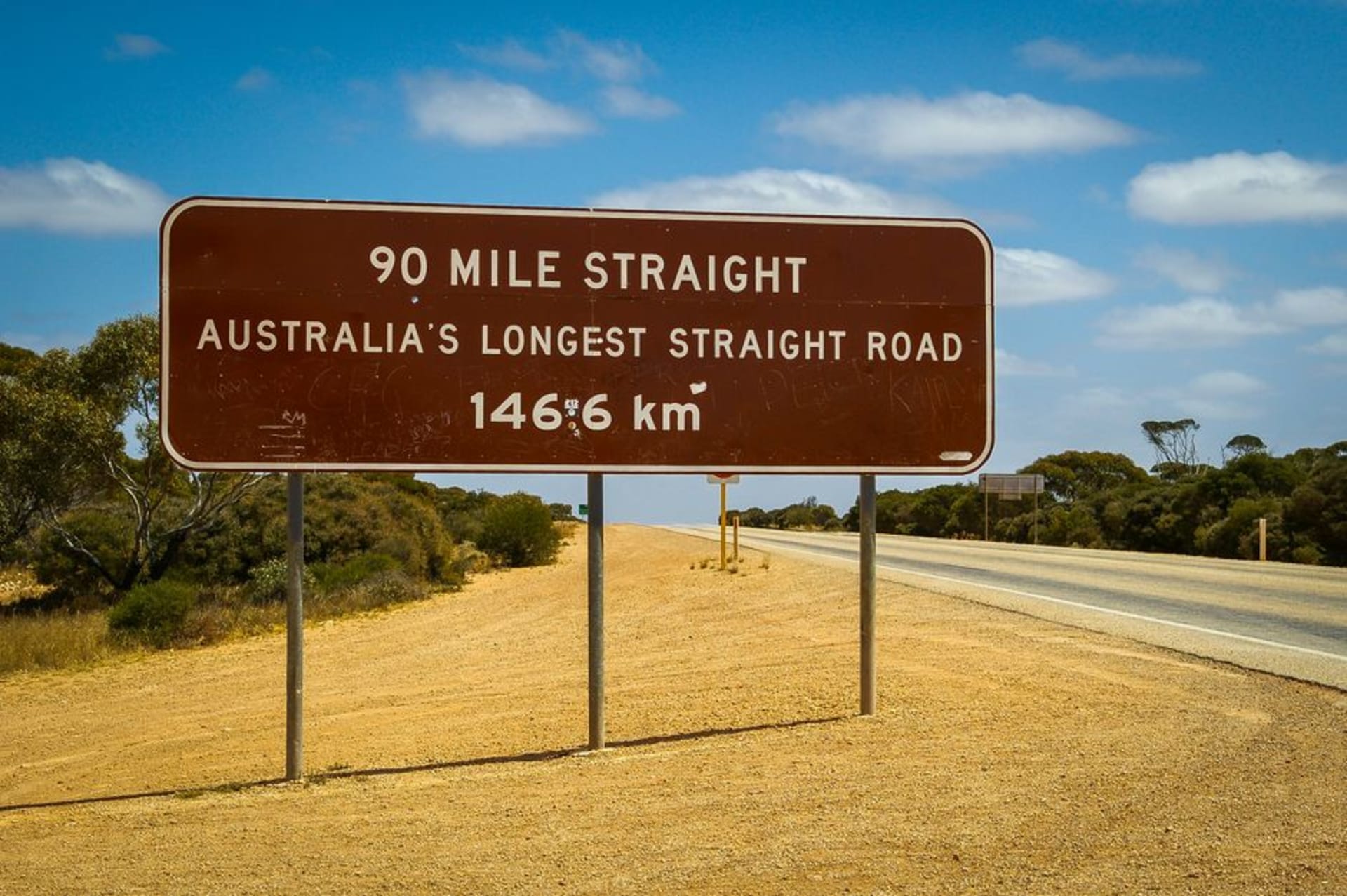
"Ninety Mile Straight isn't a metaphor. It's a road, and it really doesn't turn."
A treeless limestone plateau where the highway runs dead straight for 146 kilometres and the Southern Ocean cliffs drop straight into whale-filled water.
There’s a stretch of the Eyre Highway called Ninety Mile Straight that runs 146.6 kilometres without a single bend, and I drove it in the kind of trance you only get from doing one thing with your hands for two straight hours. Nullarbor means “no trees” in dog Latin, and whoever named it wasn’t exaggerating for effect. The plain is a limestone plateau the size of England with almost nothing growing on it taller than a saltbush, and the effect of driving through it is less like travel and more like meditation — the horizon doesn’t change, the radio stopped working somewhere past Ceduna, and I found myself talking to myself just to break the silence.
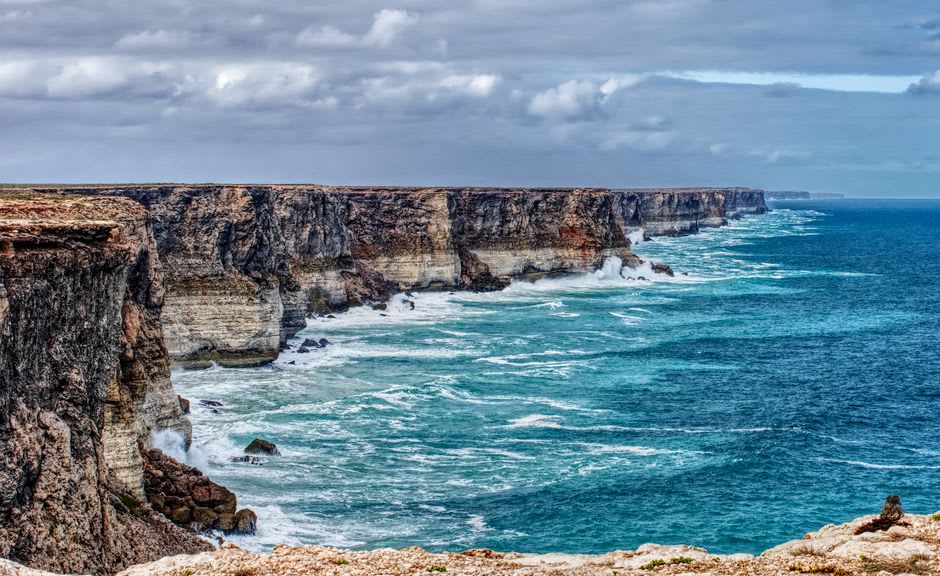
Then, without warning, the road runs out of plain and the Bunda Cliffs appear — sheer limestone walls dropping sixty to eighty metres straight into the Great Australian Bight, running for kilometres with nothing between you and the edge but low scrub. I stood at the Head of Bight lookout in July, which is whale season, and watched southern right whales calving in the shallows directly below the cliff, close enough to see the white callosities on their heads without binoculars. I’d expected desert. I got an ocean cliff with whales in it, which nobody had adequately warned me about.
The roadhouses along the way — Nundroo, Nullarbor, Border Village — exist purely because the distances demand them, and each one has developed its own strange culture of survival humour: giant fibreglass wombats, hand-painted signs warning about camels and wombats and kangaroos crossing (all three, genuinely, at once, on the same stretch), and coffee that tastes like it’s been on the hotplate since the last road train came through. I slept one night at the Nullarbor Roadhouse and woke to a sky utterly without haze, the kind of clear that made the sunrise look artificially saturated.
When to go: June to October, when southern right whales are calving off the Bunda Cliffs and daytime temperatures on the plain are mild enough for long stops at the lookouts. Carry more fuel and water than feels necessary — some roadhouse gaps exceed 200 kilometres.