Karijini National Park
"Karijini doesn't have scenery. It has geology, and geology doesn't care if you're comfortable."
A national park in the Pilbara where the earth splits open into gorges two billion years old and the water at the bottom is impossibly, absurdly cold.
I mentioned Karijini in passing when I first wrote about the Outback, and I’ve been annoyed at myself ever since for not giving it its own space, because nowhere else in this country has made me feel quite so aware of time. The gorges here — Hancock, Weano, Dales, Hamersley — cut down through banded iron formation that started forming when the atmosphere itself was still being invented, somewhere around 2.5 billion years ago. You climb down into them on ladders and ropes and wet rock, and the walls narrow and the light changes from white to amber to a deep rust red, and somewhere near the bottom there’s almost always a pool of water so cold it makes you gasp out loud, alone, embarrassed at your own noise.
Hancock Gorge is the one people talk about, and rightly so — the Spider Walk section requires you to brace hands and feet against opposite walls above a channel of water while the rock squeezes down to less than a metre wide. I did it in wet shoes with my heart going harder than the difficulty really justified, and came out into Kermit’s Pool, a chamber of green-tinted water lit from a crack in the roof, feeling like I’d broken into somewhere I wasn’t supposed to be.
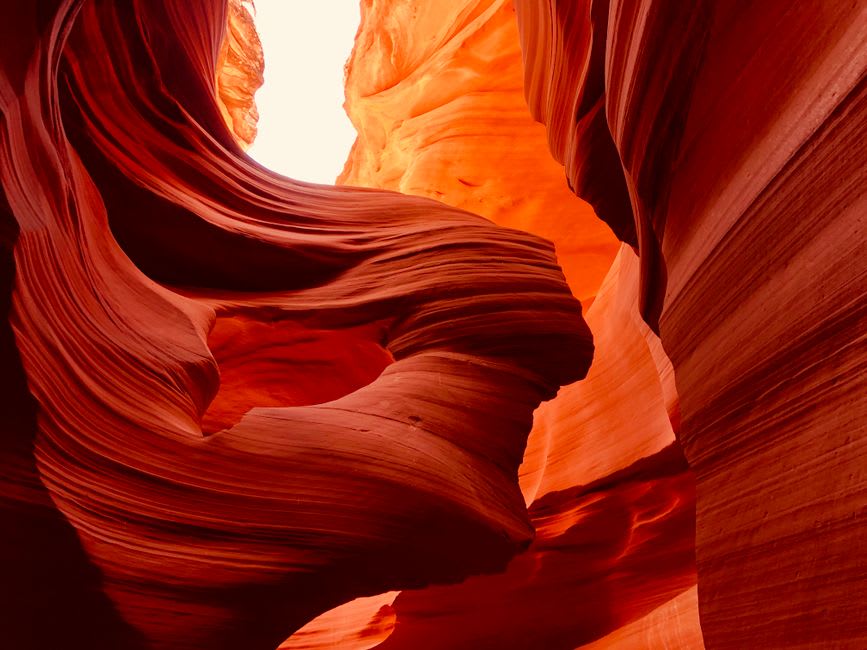
I camped at Dales campground for four nights, which is longer than most people give it, and it changed how I experienced the park. The first two days I was checking things off a list. By the third, I was just sitting at Circular Pool at dusk watching the rock go from orange to grey to black, not photographing anything, which for me is rare. The Pilbara at that hour makes a sound I still can’t describe accurately — something between wind and insects and the gorge itself settling as it cools.
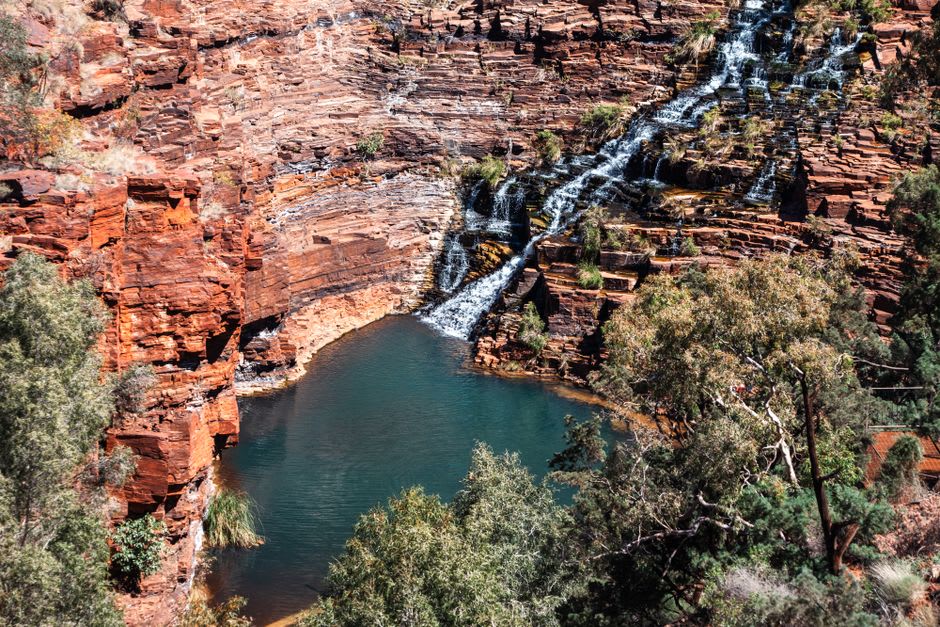
When to go: May through August. Gorge swimming is best when days are warm but not extreme (25–30°C) and flash flood risk from summer storms has passed. Some gorge sections close seasonally for safety — check with the visitor centre at Karijini Eco Retreat before committing to the deeper walks.
Keep exploring
More from The Outback
 outback
 Kati Thanda – Lake Eyre
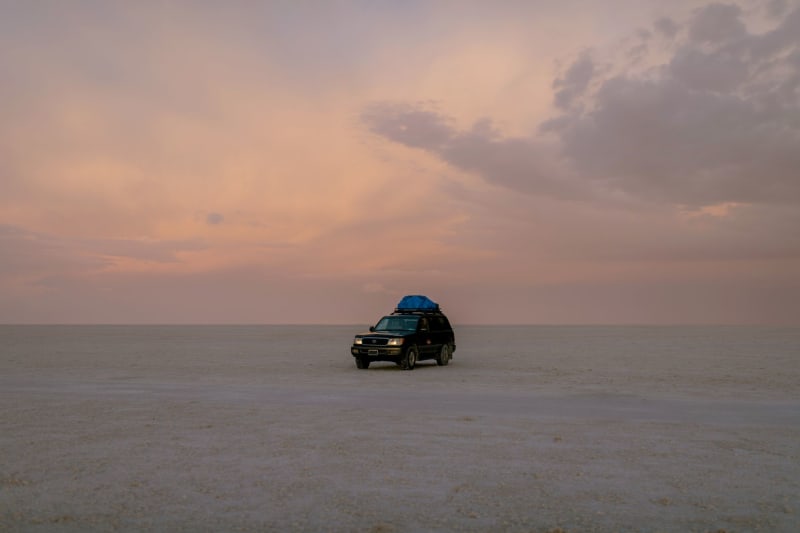
Australia's largest lake is usually a salt flat so white and so vast it makes the concept of horizon feel like a personal problem.
Explore outback
 Kings Canyon
A sandstone cathedral carved by time, where the rim walk earns every one of its 270 metres of vertical edge.
Explore outback
 Lightning Ridge
The only place on earth where black opal forms in commercial quantity, mined by a population living half underground to escape the heat.
Explore outback
 Longreach
A Queensland cattle town where Qantas built its first hangar and the Stockman's Hall of Fame turns droving history into something you can actually feel.
Explore outback
 Mungo National Park
A dried lake where 42,000-year-old human remains were found and the Walls of China glow pink at dusk above ground that has never been quite empty.
Explore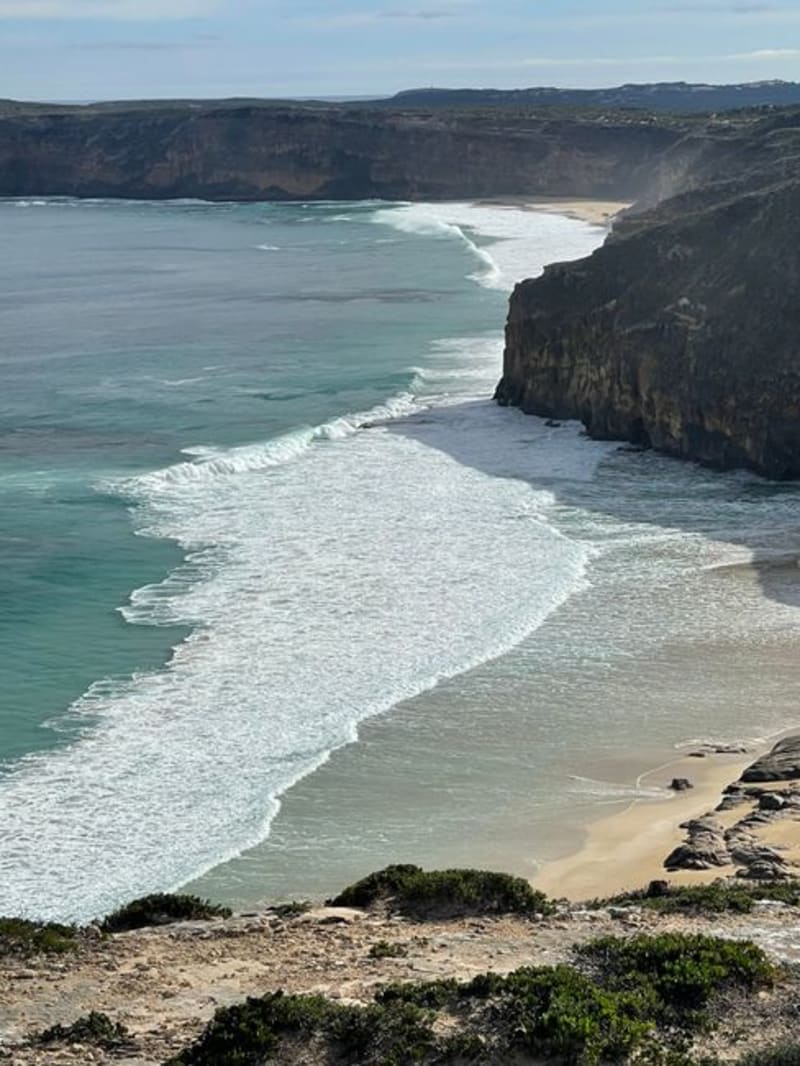 outback
 Nullarbor Plain
A treeless limestone plateau where the highway runs dead straight for 146 kilometres and the Southern Ocean cliffs drop straight into whale-filled water.
Explore