Arkaroola
"Arkaroola looks like the earth turned itself inside out and decided to stay that way."
A private wildlife sanctuary in the northern Flinders Ranges where a single family turned shattered, mineral-streaked mountains into one of Australia's best stargazing destinations.
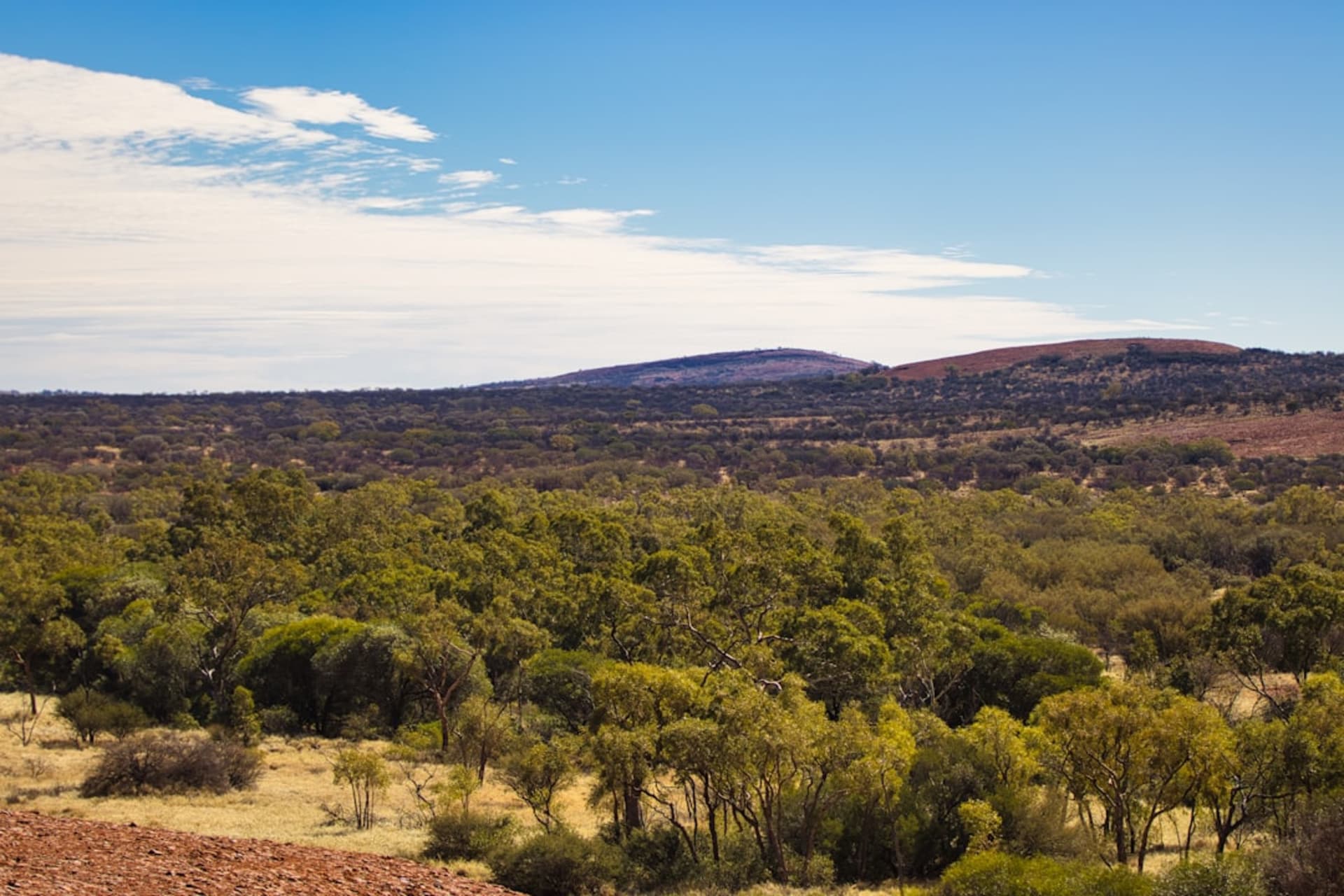
Arkaroola sits at the far northern end of the Flinders Ranges, a private wildlife sanctuary the Sprigg family established in 1968 on land so geologically wrecked and strange that scientists still come to study it. I drove the Ridgetop Track in a sanctuary-operated four-wheel drive with a guide who’d clearly done this a thousand times and still pointed out formations with genuine enthusiasm — ancient volcanic domes, folded and faulted rock exposed by a billion years of erosion, colours running from ochre to a mineral green I hadn’t seen in rock before. At one lookout the guide killed the engine and just let us sit with the silence for ten minutes without saying anything, which told me more about how he felt about the place than any commentary could have.
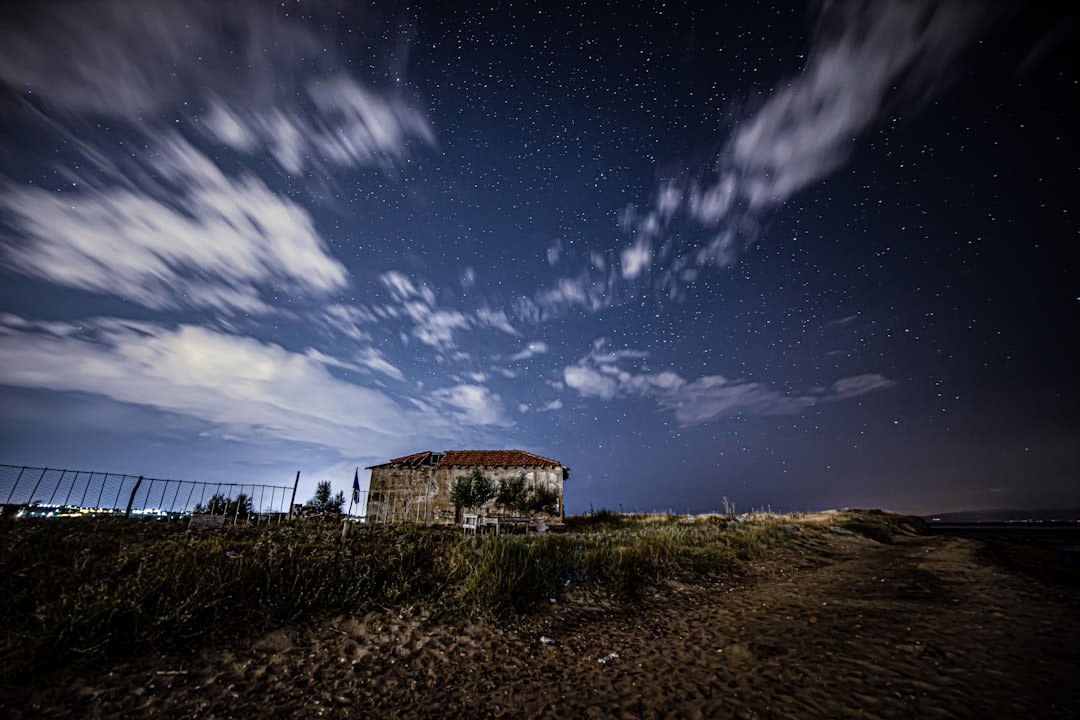
The real reason people make the long drive to Arkaroola, though, is the observatory. The sanctuary sits far enough from any town that the night sky here is rated among the darkest accessible skies in Australia, and the astronomy tours run most clear nights with a genuinely serious telescope, not a novelty one. I looked at Saturn’s rings sharp enough to see the Cassini division and then just lay on my back afterward on a swag with no tent, watching satellites cross a sky so thick with stars it looked slightly out of focus.
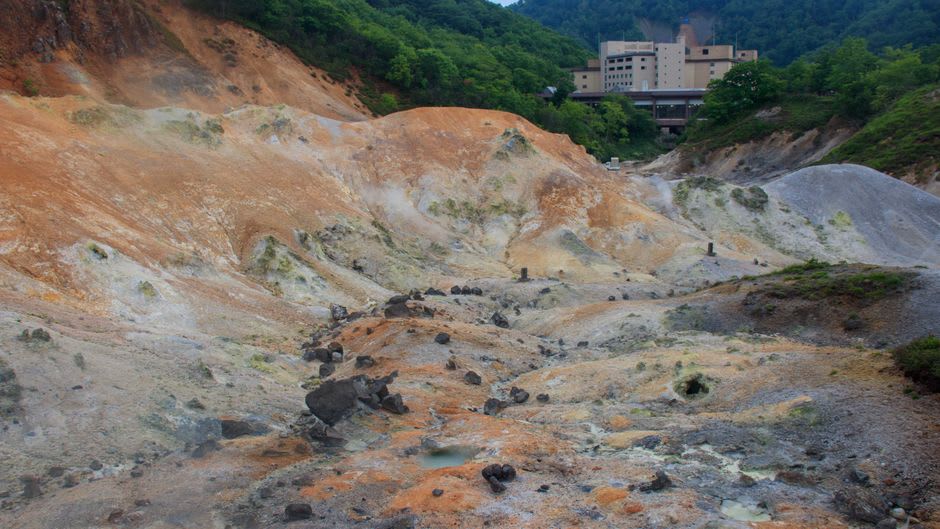
I spent an afternoon at Paralana Hot Springs, a short, rough drive from the homestead, where naturally radioactive-heated water bubbles up through a narrow gorge — genuinely warm water in the middle of true desert, which felt like a magic trick every time I dipped my hand in. Yellow-footed rock wallabies, once nearly extinct in the region, watched from the cliffs above with the specific unbothered confidence of animals that know exactly how protected they are here.
When to go: April to October, when nights are clear and cool enough for comfortable stargazing and daytime four-wheel-drive touring isn’t punishing. Book astronomy tours ahead — they run subject to clear skies and fill fast in peak season.