A sliver of an island where a 90-second flight lands you five millennia from anywhere else you've stood.
I booked the Westray-to-Papay hop mostly as a joke to tell Lia’s family later — “we took the shortest scheduled flight in the world” — and then the little Loganair plane actually lifted off, banked once, and put its wheels back down before I’d finished checking my seatbelt. The pilot logged the flight time as 47 seconds that particular afternoon, which he announced over his shoulder with the deadpan pride of someone who’s done it ten times a day for years. I was still laughing about it when we stepped out onto the airstrip and the island just… arranged itself around us, flat and green and quiet, like it had been waiting.
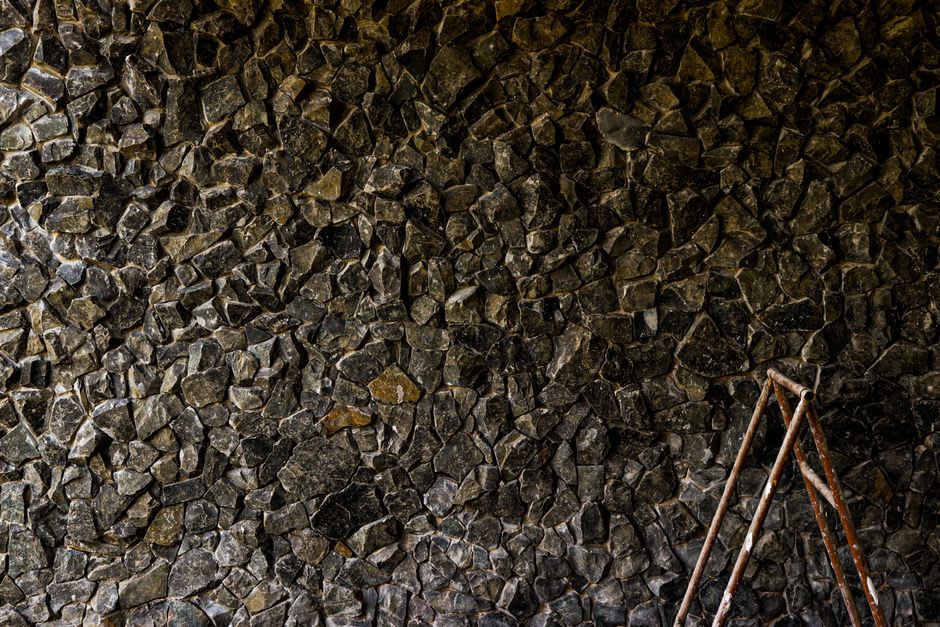
That quiet is the thing about Papay. There’s no traffic to speak of, barely any noise beyond wind and birds, and yet the island has been continuously inhabited for something like six thousand years. We walked to the Knap of Howar in the early evening light, and I remember standing at the low stone doorway of what’s believed to be the oldest standing house in northwest Europe — older than Skara Brae, older than Stonehenge — and Lia just went silent for a full minute. It’s two small structures joined by a passage, roofless now, but the walls still hold their shape, and you can crouch where a family once slept and cooked around 3700 BC. I’ve stood in a lot of old churches and ruins over the years; nothing has made me feel small quite like that low stone room.
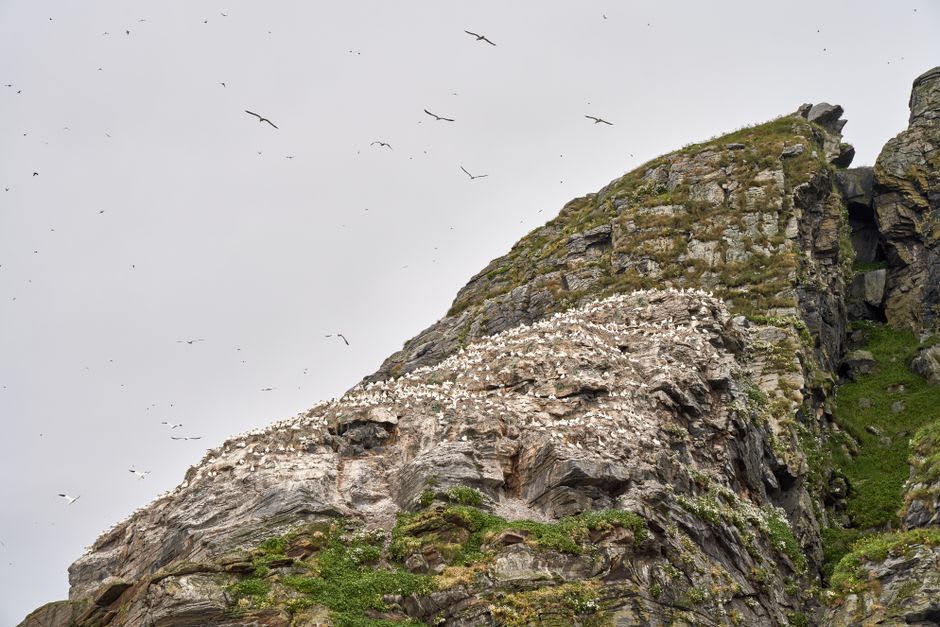
We spent the next morning at St Boniface Kirk, a small church whose origins may reach back to the 8th century, tucked near the shore with a scatter of weathered gravestones leaning at odd angles in the grass. Then we walked north to the North Hill nature reserve, where the noise finally arrived — thousands of Arctic terns wheeling and diving over one of Europe’s largest colonies of them, along with guillemots and other seabirds nesting on the cliffs. I got dive-bombed twice for walking too close to a nest, which the warden at the visitor center found extremely funny when I told her about it later.
By the time we caught the ferry back toward Westray, I understood why people talk about Papay the way they do — not as a place with attractions to check off, but as a place that keeps recalibrating your sense of time. Five thousand years, ninety seconds, whichever end of that you land on, it stays with you.
When to go: Come between May and July if you want the Arctic terns and the rest of the seabird colony at full, chaotic volume, but honestly the Knap of Howar and St Boniface Kirk are worth the trip any month of the year.
Keep exploring
More from Orkney Islands
 orkney-islands
 Ring of Brodgar
A Neolithic stone circle on a narrow isthmus between two lochs, walked up to across open heather with no fence, no barrier, just the stones and five thousand years of quiet.
Explore orkney-islands
 Scapa Flow
A vast natural harbour ringed by low green islands, where a scuttled German fleet still rests on the seabed and the sea keeps a century of war stories.
Explore orkney-islands
 Skara Brae
A Neolithic village older than the pyramids, exposed by a storm in 1850, where you look down into furnished stone rooms that were abandoned 4,500 years ago and never quite left.
Explore orkney-islands
 Standing Stones of Stenness
Orkney's oldest standing stones — four tall sentinels from 3100 BC on a causeway between lochs that still exert some quiet, impossible-to-explain pressure on everyone who approaches.
Explore orkney-islands
 Stromness
Orkney's westernmost port town, where a single flagstoned street unchanged since the whaling era runs beside a harbour that still smells of the sea.
Explore orkney-islands
 Westray
An outer Orkney island where puffins nest at arm's length at Noup Head, a medieval tower house stands half-ruined above the fields, and the pace of life belongs to a different kind of time.
Explore