
Americas
Oregon
"I didn't expect Oregon to rearrange my sense of what a landscape can be."
Where an ancient volcanic crater holds the deepest, bluest lake in North America — and the coast, the desert, and the old-growth forest are all within a half-day's drive.

I first drove into Oregon from northern California on a Tuesday afternoon with no particular plan — just the vague idea that Portland was worth a night and that Crater Lake existed somewhere in the mountains. What I didn’t expect was to spend three weeks there, rerouting myself again and again because each turn in the road opened onto something I wasn’t ready to leave. That’s the particular trap Oregon sets: it looks manageable on a map, and then it isn’t.
Crater Lake is the thing you see in photos and assume is exaggerated. It isn’t. The blue is real — an almost violent, synthetic-looking blue that comes from the water being six hundred meters deep and absurdly clear, filtered through volcanic rock for thousands of years. Wizard Island sits in the middle like something out of a Tolkien draft. The crater rim road in September, with the tourists thinning and the first cold mornings arriving, is one of the better drives on the continent. But Oregon doesn’t begin and end at the caldera. The coast — Highway 101 from Astoria down to Brookings — is a different country entirely: sea stacks rising from the surf at Cannon Beach, the Heceta Head lighthouse perched on a headland above the Pacific, tide pools at Cape Perpetua that require you to crouch down and pay attention to a world operating at a completely different scale. Further east, the landscape flips without warning: the Painted Hills near Mitchell, layers of ochre and burgundy and rust laid down forty million years ago, where you’re suddenly standing in a high desert that feels closer to Utah than to the rainforests an hour west. I ate terrible truck-stop eggs in John Day and excellent oysters in Newport on the same day, which felt about right for a state that refuses to stay one thing.
Portland is its own chapter — genuinely interesting, genuinely strange, a city that has been mythologized to the point where the actual place surprises you with how functional it is. The food scene on the east side is worth several days of serious attention. Powell’s Books could consume an afternoon if you let it. The Japanese Garden in Washington Park, particularly in autumn, is better than it has any right to be. But I kept gravitating back toward the Gorge: the Columbia River Gorge east of the city, where basalt walls rise four hundred meters from the river and a dozen waterfalls drop through ferns and moss. Multnomah Falls gets the crowds. The trail to Angels Rest gets you above the clouds.
When to go: June through September for dry weather and full access to mountain and high desert routes. The coast is dramatic year-round but wildly windy and wet from November to March — worth it if you want to see the sea stacks in a storm. Fall color in the Willamette Valley runs October into early November.
What most guides get wrong: They treat Oregon as Portland plus Crater Lake, maybe with a coast drive squeezed in. What they miss is the scale and the variety — this is a state where you can stand in a temperate rainforest, a volcanic caldera, a high desert, and a Pacific surf break within forty-eight hours. The itinerary you planned before you arrived will be wrong by day two. That’s fine. Let it be wrong.
Explore
Places in Oregon
 oregon
 Astoria
The oldest American city west of the Rockies sits at the mouth of the Columbia in perpetual beautiful decline, and it's better for the decline.
Explore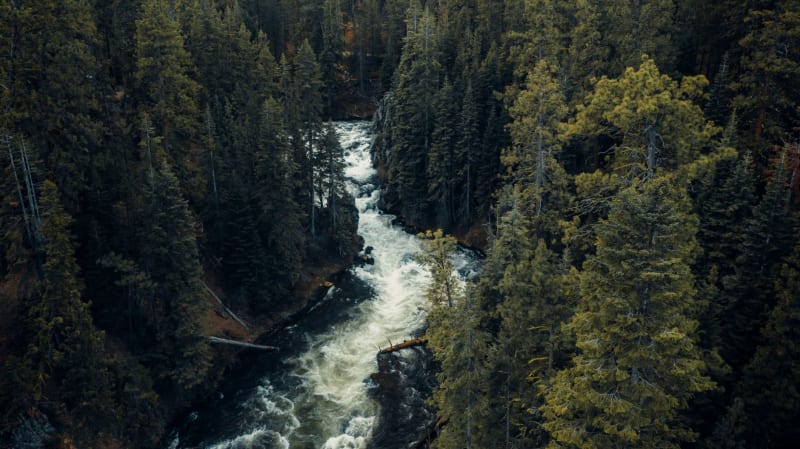 oregon
 Bend
A high-desert outpost that built itself around Smith Rock and the Deschutes River and learned to do outdoor culture without the performance of it.
Explore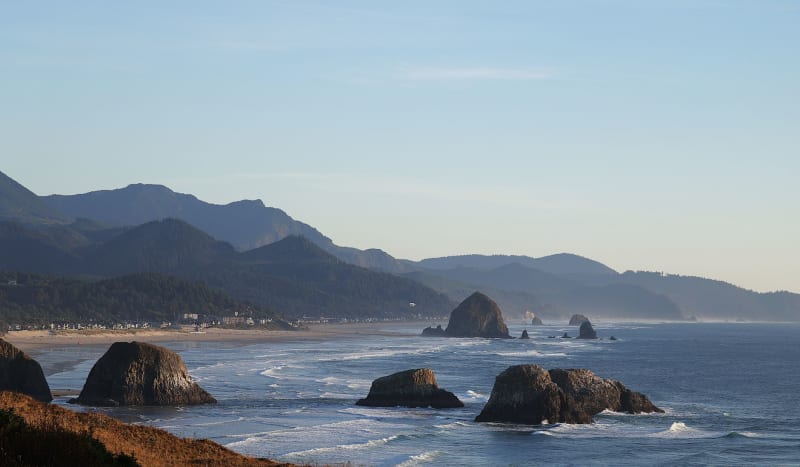 oregon
 Cannon Beach
A sea-stack coast so dramatically composed it looks arranged by someone who understood exactly what a shoreline should do.
Explore oregon
 Cape Perpetua
Ancient Sitka spruce forest meeting raw Pacific cliffs, with tide pools and a spouting horn that reminds you what the ocean is actually capable of.
Explore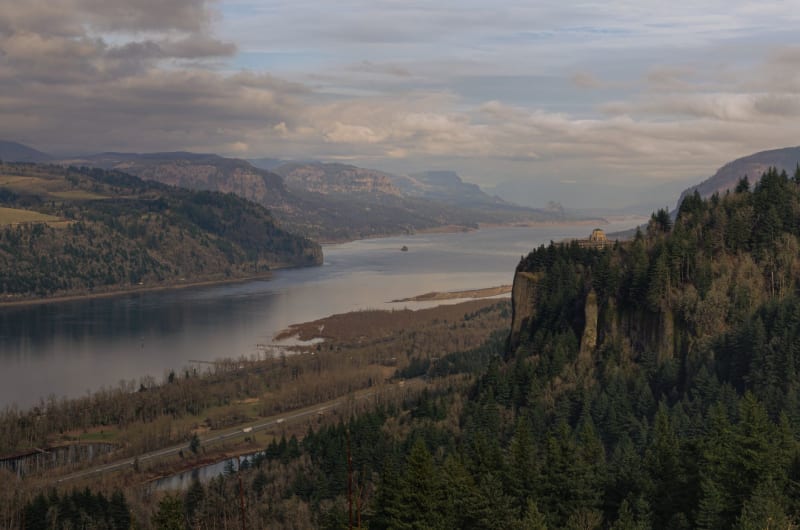 oregon
 Columbia River Gorge
Basalt walls four hundred meters high, a dozen waterfalls, and a river wide enough to make you feel very small very quickly.
Explore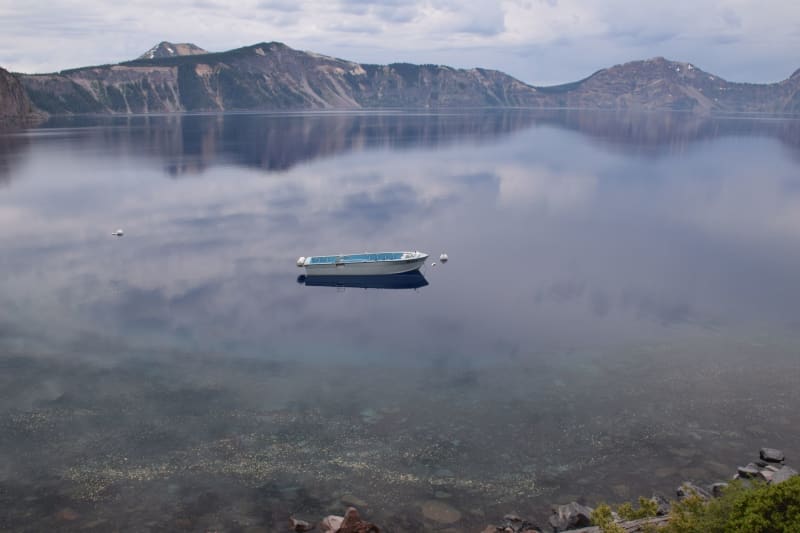 oregon
 Crater Lake
A caldera lake so impossibly blue it looks like the Earth is showing off — and the silence around it only makes it worse.
Explore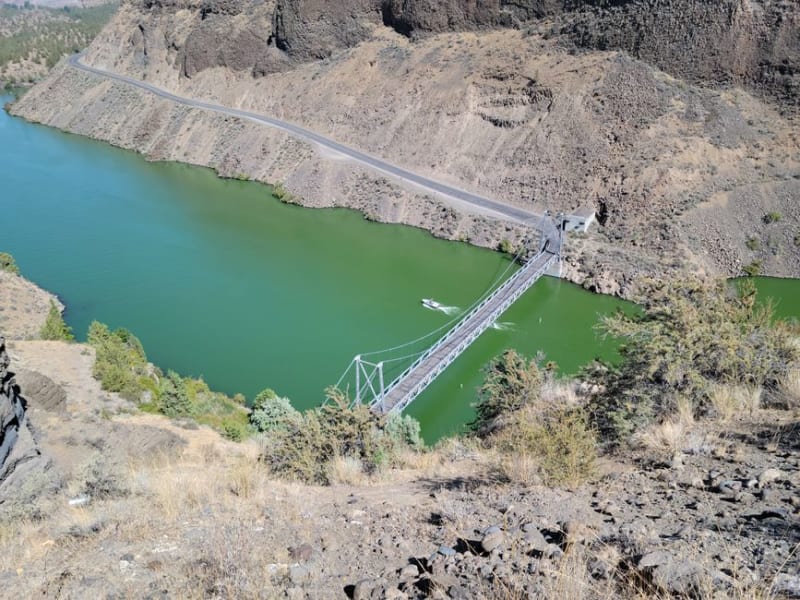 oregon
 Hells Canyon
North America's deepest gorge, where the Snake River carves a wilder, quieter rival to the Grand Canyon along Oregon's edge.
Explore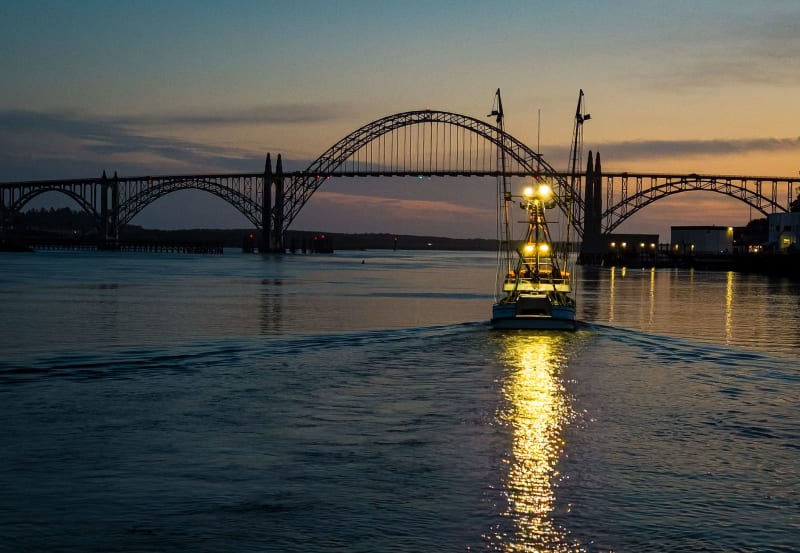 oregon
 Newport
A real working fishing harbor that happens to have excellent oysters, a decent lighthouse, and no particular interest in being quaint.
Explore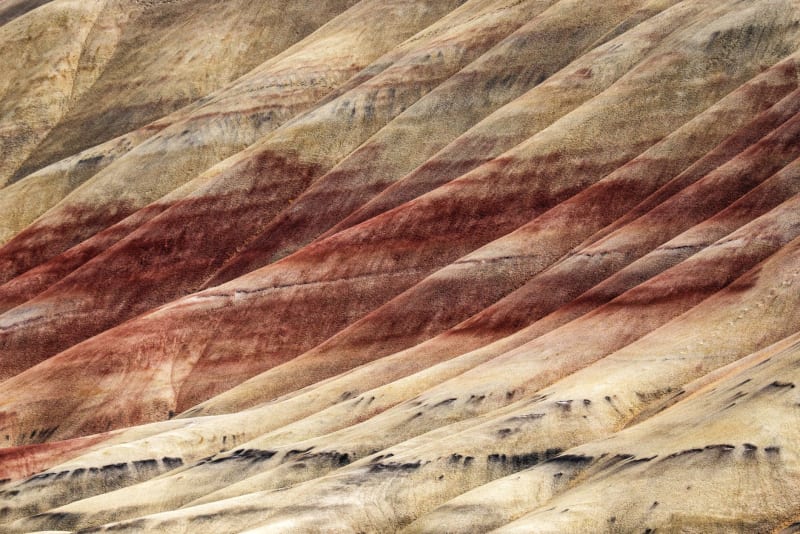 oregon
 Painted Hills
Forty million years of geological history laid down in ochre, burgundy, and rust — a high desert landscape that should not exist this close to a rainforest.
Explore oregon
 Portland
A city that's been mythologized into cliché and still somehow manages to surprise you with how genuinely alive it is.
Explore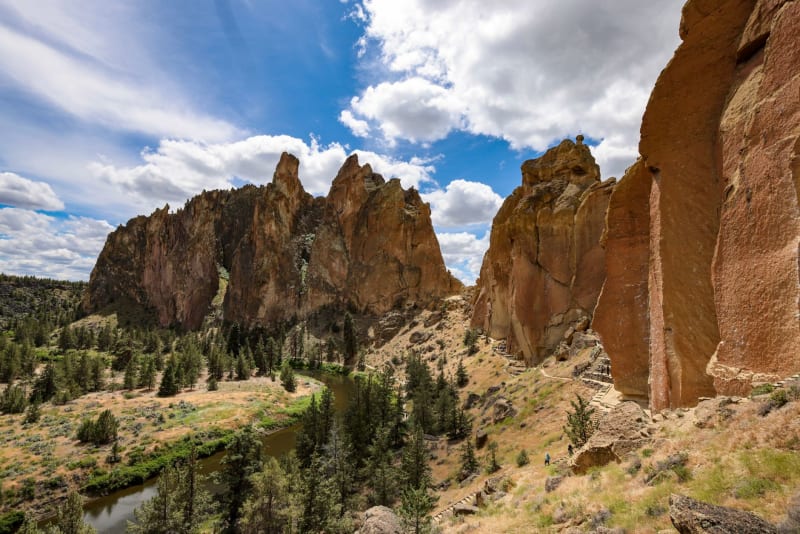 oregon
 Smith Rock State Park
A canyon of welded volcanic tuff in central Oregon, where the Crooked River bends through a thousand-foot wall of rock that helped invent American sport climbing.
Explore oregon
 Wallowa Mountains
Granite peaks, glacial lakes, and Nez Perce history collide in Oregon's remote 'Alps,' a range that rewards anyone willing to drive the extra hours.
Explore oregon
 Willamette Valley
Oregon's wine country trades Napa's glamour for honest pinot noir, October harvest fog, and small towns that haven't been art-directed yet.
Explore