A terraced canyon village strung along a chain of jade pools, quieter and greener than its famous neighbor Wadi Shab.
Everyone we met on the coastal road was headed to Wadi Shab, and I understand why — it’s spectacular, it’s photogenic, it has a swim-through cave that ends up on every list of best things to do in Oman. But Wadi Tiwi, a few kilometres further along, is the one Lia keeps bringing up unprompted, months later, which tells you something about which canyon actually got under our skin.
Tiwi cuts back from the coastal highway into a series of terraced villages — Al Aqr, Mibam, Selah — connected by a single-lane road that switchbacks up the canyon wall with drops that made me grip the door handle more than once. Unlike Wadi Shab, which you experience mostly by boat and on foot through a gorge, Tiwi is driveable deep into its length, past stone houses stacked into the hillside and date palm terraces fed by a centuries-old falaj irrigation system still doing exactly the job it was built for.
Driving the Canyon Road
We rented a 4x4 for the day specifically for this — the road is manageable in places but turns rough and narrow the further up you go, with sections cut directly into rock. Around Mibam the canyon opens into a wide green terrace where old stone houses sit half-abandoned, their owners having moved to newer concrete homes lower down, and the effect is of driving through two centuries at once.
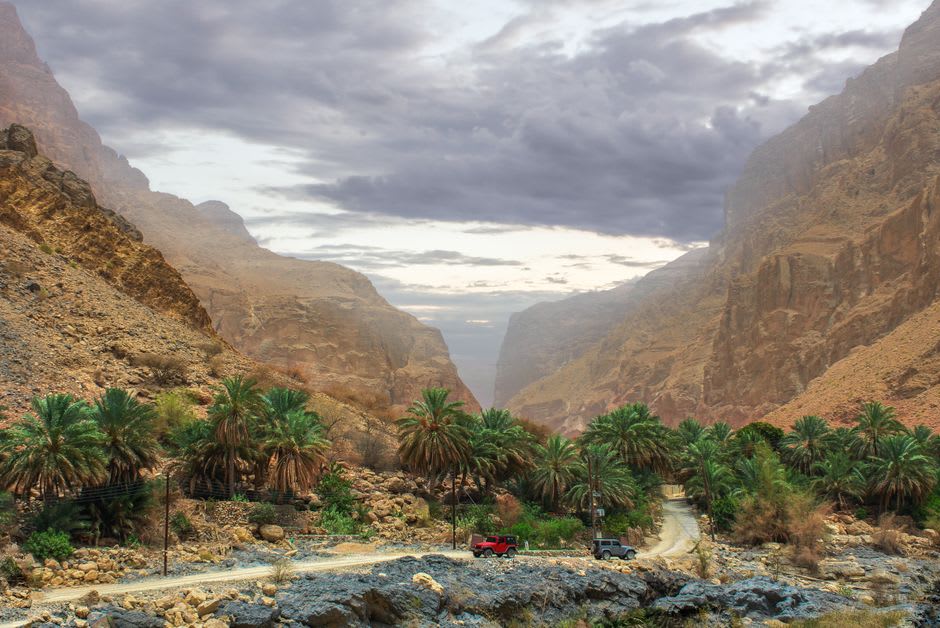
We stopped the car more times than I can count, mostly because the pools kept appearing around each bend — deep green, shaded by overhanging rock, and almost entirely empty of other visitors even in a month when Wadi Shab’s car park was full.
Swimming Without an Audience
The best pools are a short scramble down from the road near the upper villages, cold and startlingly clear, walled in by canyon rock that blocks the sun for most of the afternoon. We swam in one for the better part of an hour without seeing another person, which after a week of Oman’s more famous sights felt like a small, private gift.
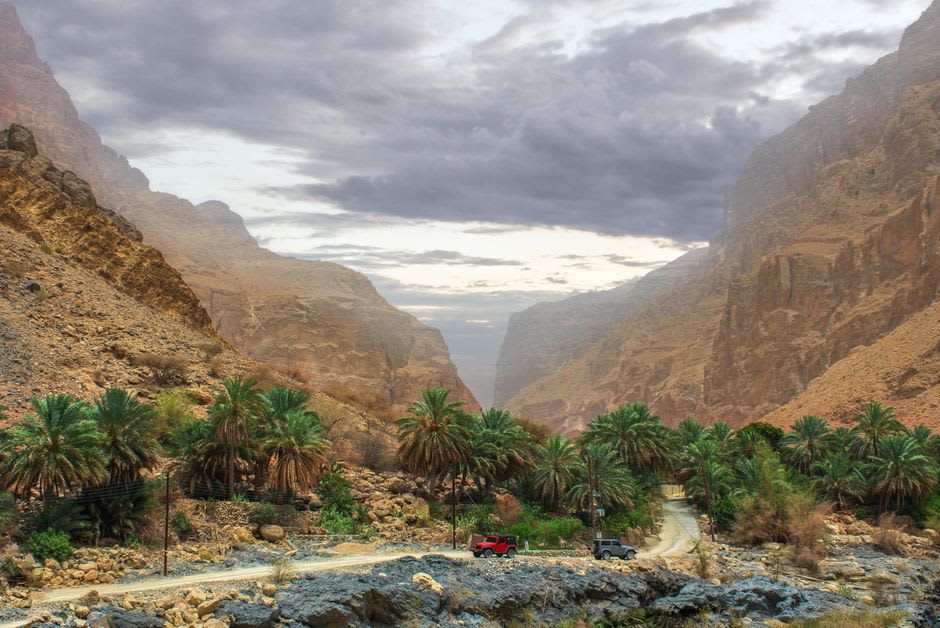
Locals fish and wash produce at the lower pools near the highway, so we kept our swimming to the quieter upper stretches out of basic courtesy — a small thing worth knowing before you go.
When to go: October to April, when the canyon road is dry and passable and the pools are cold enough to be a relief rather than a chore. Check conditions after rain — flash floods here are a real and serious risk.
Keep exploring
More from Oman
 oman
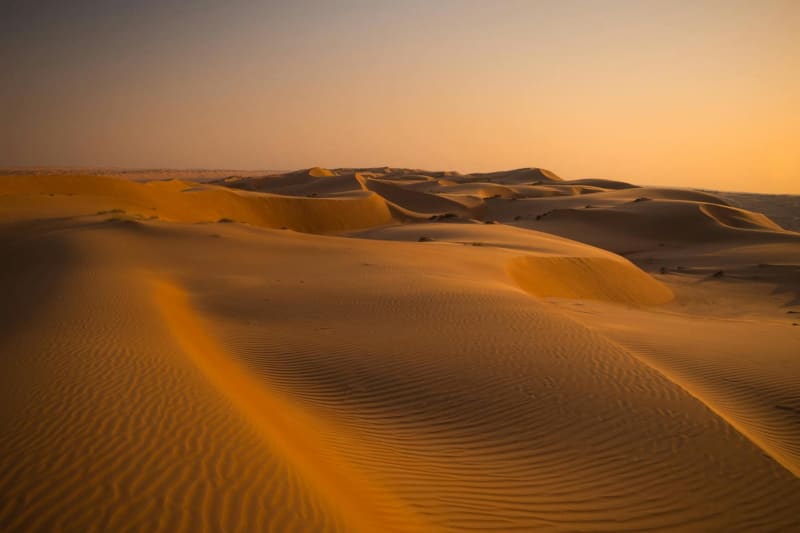
oman Wahiba Sands
Deep orange dunes stretching to the horizon, where Bedouin camps flicker under a sky thick with stars.
Explore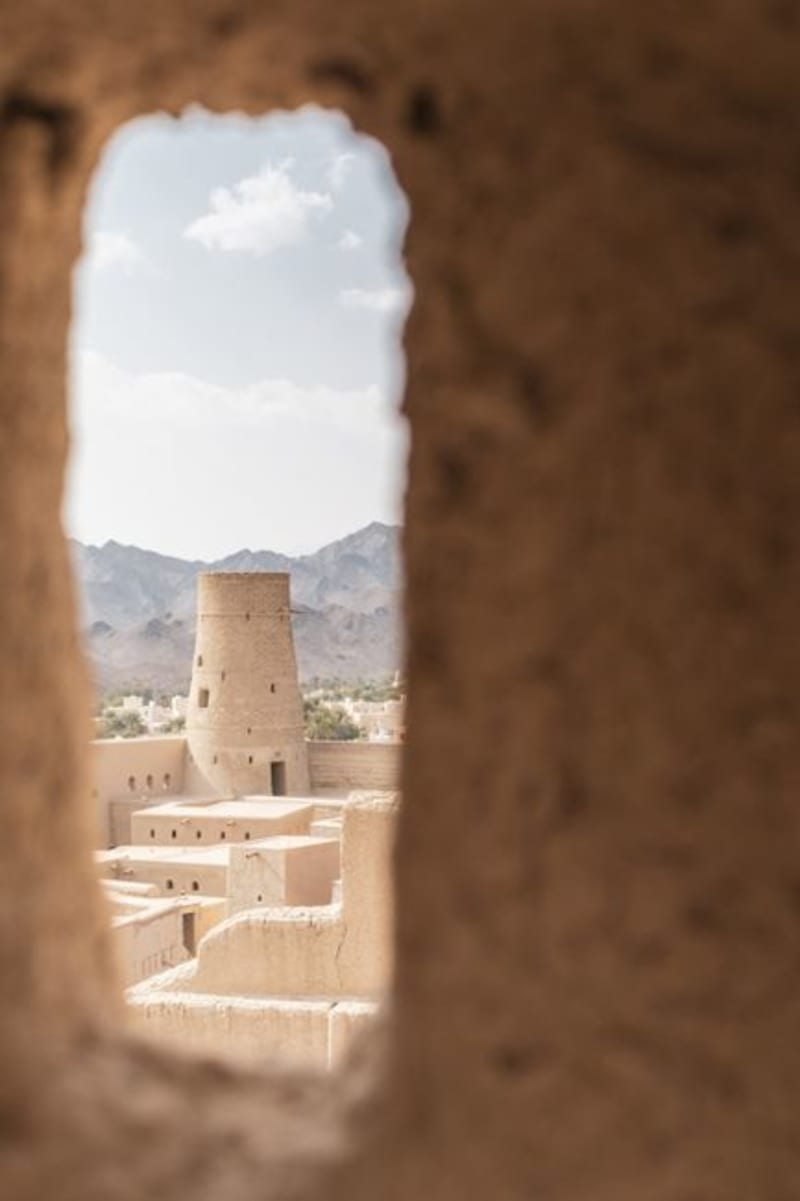 oman
oman Wukan
A small terraced village above Al Hamra, overlooked by most visitors, where wheat and garlic still grow on stone terraces cut into the mountainside.
Explore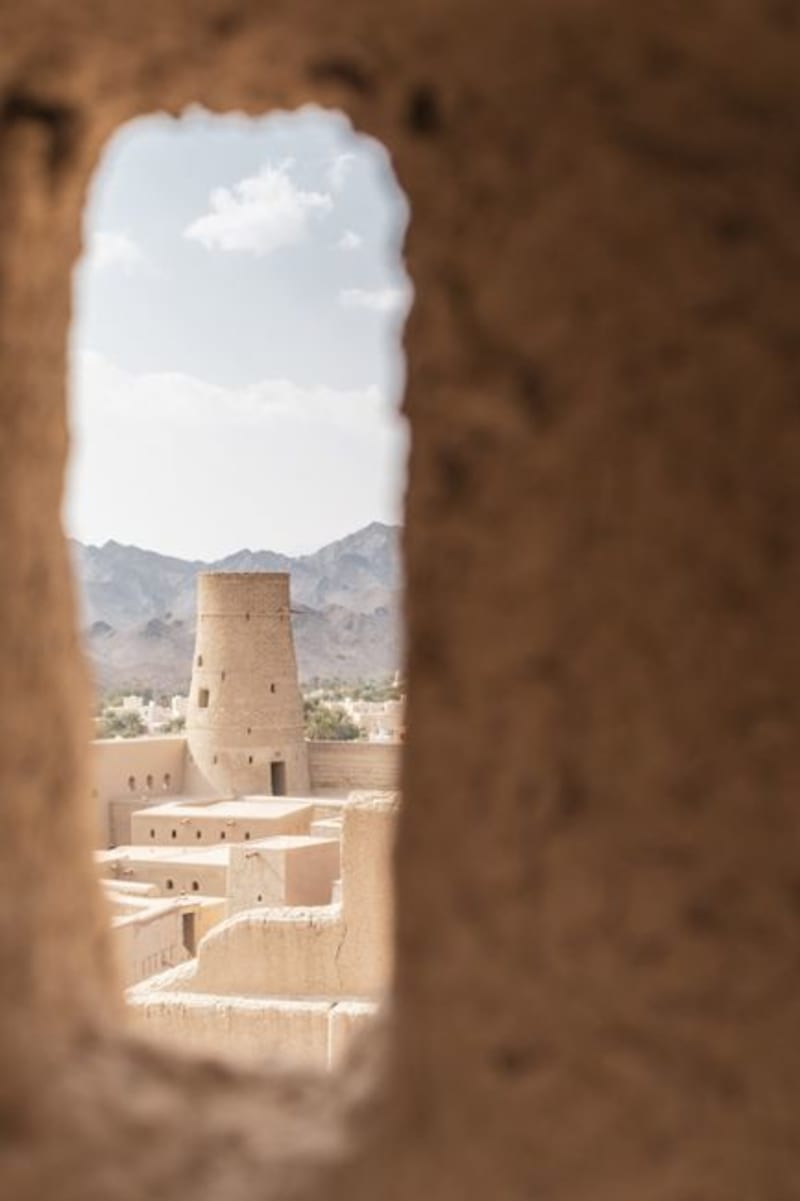 oman
oman Yanqul
A quiet frontier town beneath the western Al Hajar mountains, gateway to abandoned copper-mining villages and a fort most travelers never learn exists.
Explore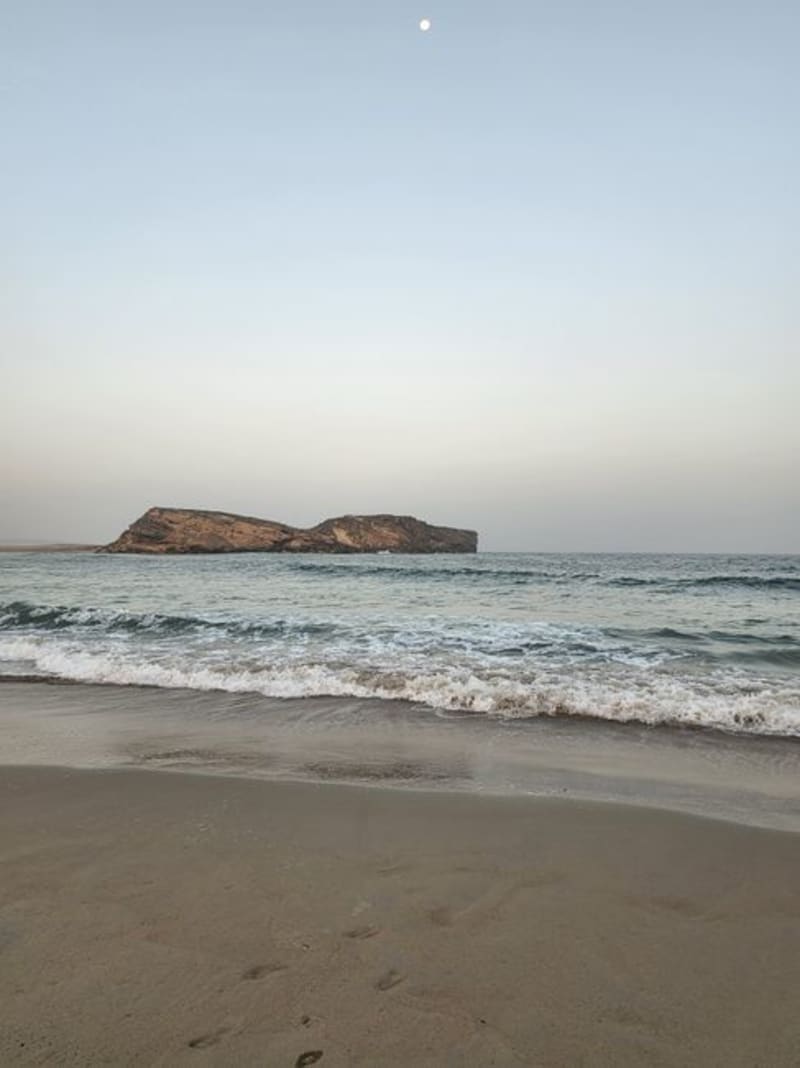 oman
oman Yiti Beach
A rugged fishing-village beach past Muscat's last roundabout, where the crowds thin out and the road itself becomes part of the trip.
Explore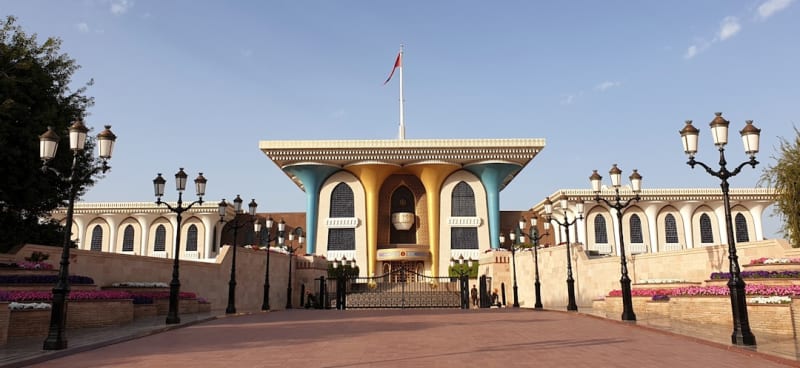 oman
oman Al Alam Palace
The Sultan's ceremonial palace, all blue-and-gold columns, wedged between two Portuguese forts on Muscat's old harbour.
Explore oman
oman Al Ashkharah
A working fishing town at the edge of the desert coast, the last real stop before the ferry crossing to Masirah Island.
Explore