A boulder-choked canyon in the Musandam peninsula where fresh pools sit a short scramble from the fjords, missed by almost everyone who comes for Khasab's dhows.
Every guesthouse in Khasab hands you the same brochure the moment you check in — dolphins, a wooden dhow, a buffet lunch on the fjords. Lia and I did that trip on our first morning, and it was lovely, but by the second day we wanted something that didn’t involve forty other tourists and a life jacket. The guy at the car rental counter looked at our 4x4 request and said one word: “Damm.” Then he drew a rough map on the back of a receipt.
Into the Canyon
The road toward Wadi Damm leaves the coastal highway south of Khasab and climbs almost immediately into the kind of terrain Musandam does better than anywhere else in Oman — jagged dolomite ridges stacked against each other like broken plates, the color somewhere between bone and rust. The track turns to gravel, then to a dry riverbed you drive straight up, tires finding their own line between boulders the size of cars. We stalled twice. A local pickup passed us going the other way, and the driver just waved and kept going, unbothered.
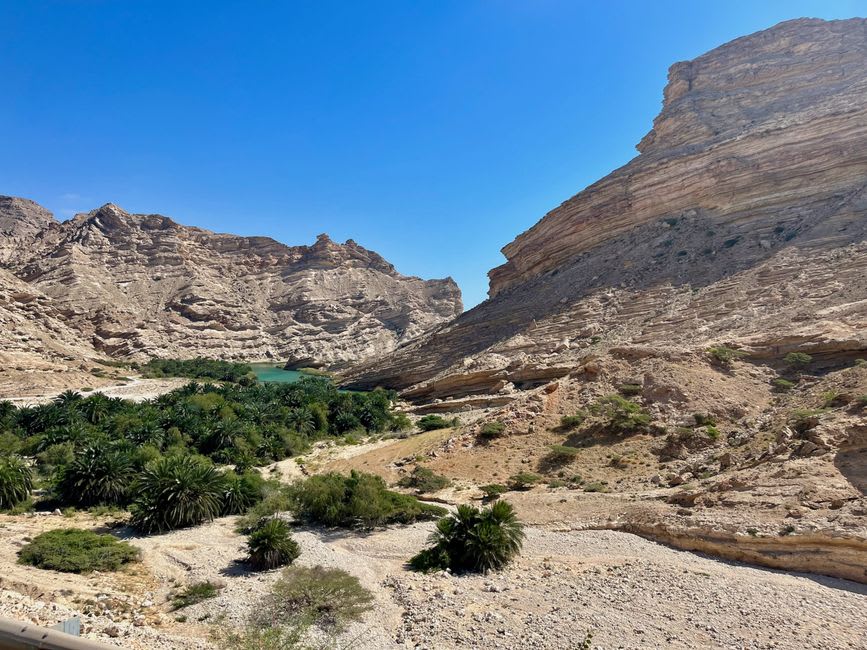
We parked where the track became genuinely undrivable and walked the last stretch on foot, the canyon narrowing until the cliffs on either side blocked out the mid-morning sun completely. That’s when we heard it — water, somewhere ahead, which in Musandam’s near-total absence of vegetation feels like a rumor you refuse to believe until you see it.
The Pools
Wadi Damm holds a series of pools fed by a spring that never fully dries, tucked into a bend where the canyon walls close to almost nothing. The water is startlingly clear, cold at depth and warm on the surface where the sun reaches it for an hour or two around noon. We had it entirely to ourselves — not a single other traveler, not even a local family, just goats picking along a ledge above us and the occasional clatter of a stone dislodged by their hooves. Lia swam the length of the main pool twice while I sat on a flat rock trying to figure out how a place this quiet could exist forty minutes from a town with a Formula One-branded café.
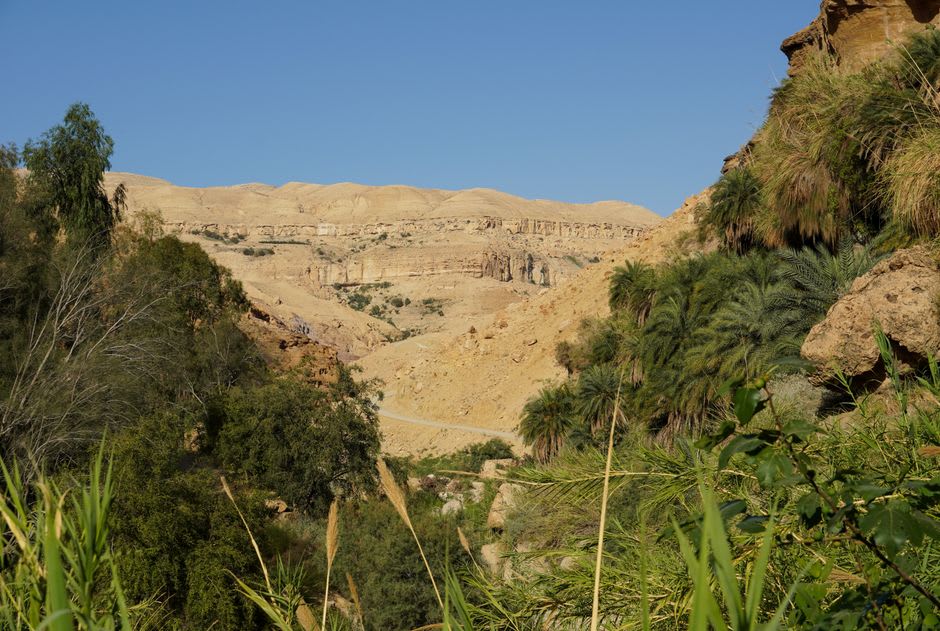
What struck me most was the silence between the splashes — Musandam doesn’t have the traffic noise of Muscat or the wind of the open desert, and in that canyon even our voices sounded too loud. We ate lunch on the drive back at a roadside stall in Khasab that sold nothing but grilled kingfish and Omani limes, and I kept thinking about how close we’d come to skipping the whole detour for a second dolphin cruise.
When to go: November through March. Musandam’s heat is brutal by May, and the drive up the wadi requires a 4x4 with decent ground clearance regardless of season — do not attempt it in a sedan.
Keep exploring
More from Oman
 oman
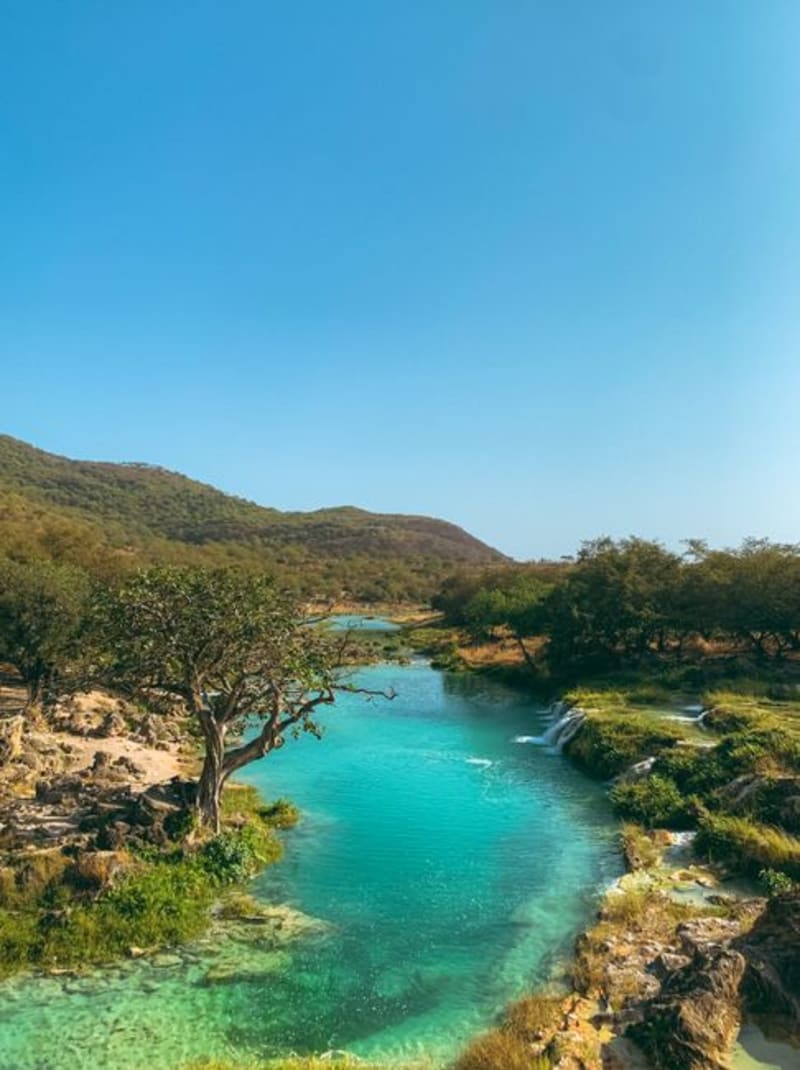
oman Wadi Darbat
A limestone canyon lake that turns into a chain of roaring waterfalls the moment the khareef arrives.
Explore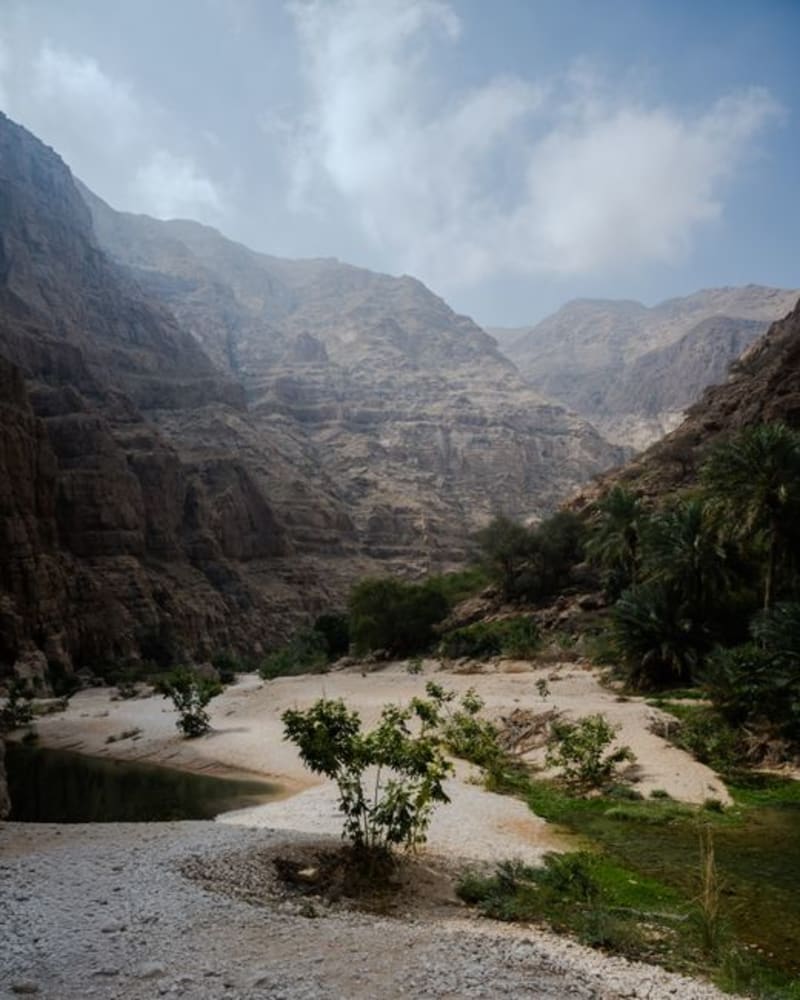 oman
oman Wadi Dayqah
Oman's tallest dam holds back a turquoise reservoir threaded through a canyon of date palms, forty minutes from Muscat and almost entirely overlooked.
Explore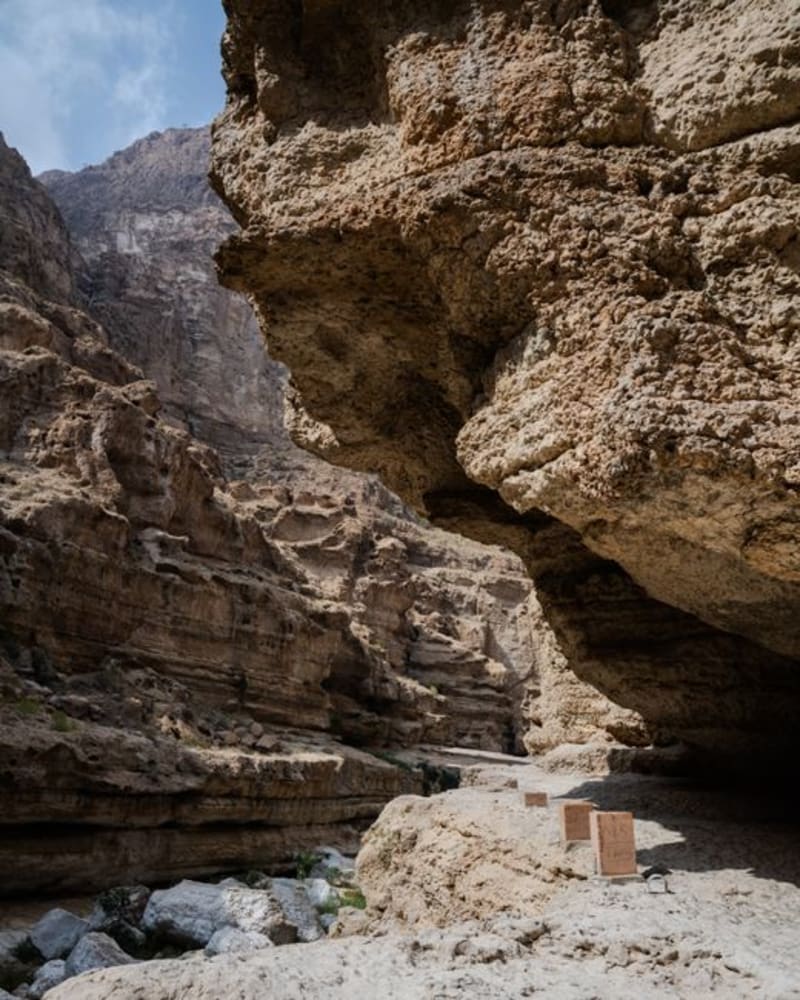 oman
oman Wadi Ghul
The village and canyon at the foot of the Grand Canyon of Arabia, where the scale of Jebel Shams finally becomes real.
Explore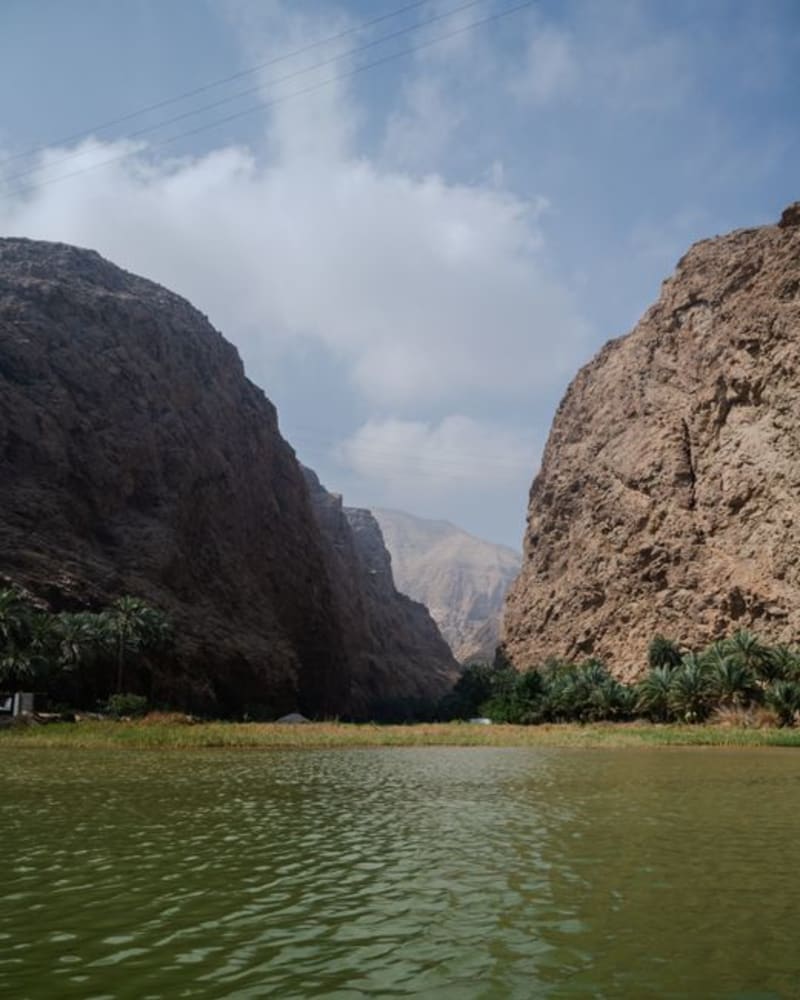 oman
oman Wadi Hibi
A remote off-road wadi near the northern Batinah coast, threading past stone villages and deep pools with none of the crowds of its famous neighbors.
Explore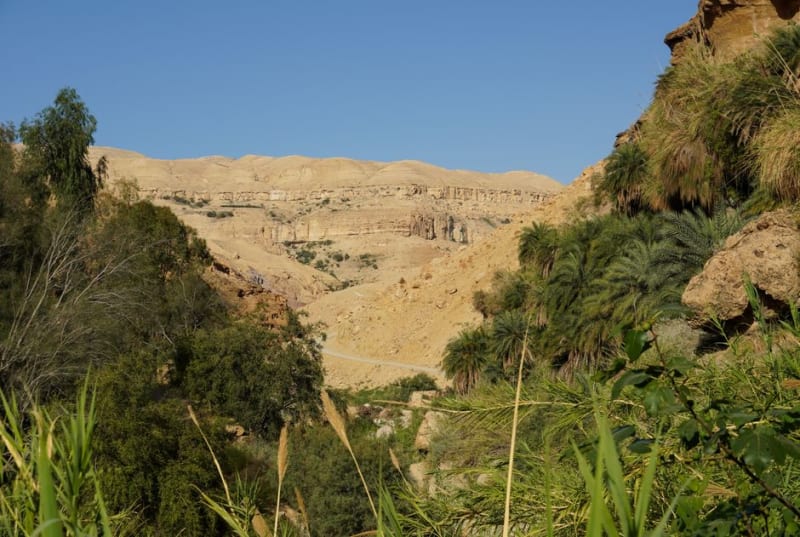 oman
oman Wadi Hoqain
A near-secret spring-fed canyon behind Al Hamra's mudbrick houses, reached through date plantations most visitors to the region never notice.
Explore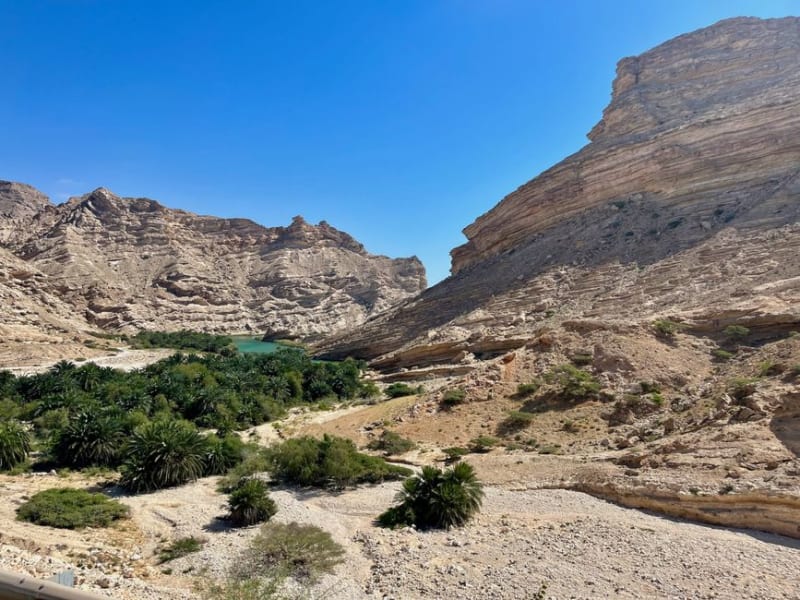 oman
oman Wadi Mayh
A moon-like canyon of striped rock and abandoned villages twenty minutes from Muscat, popular with off-roaders and almost nobody else.
Explore