A dramatic off-road canyon route through the Al Hajar mountains, home to Snake Canyon and some of Oman's most spectacular driving.
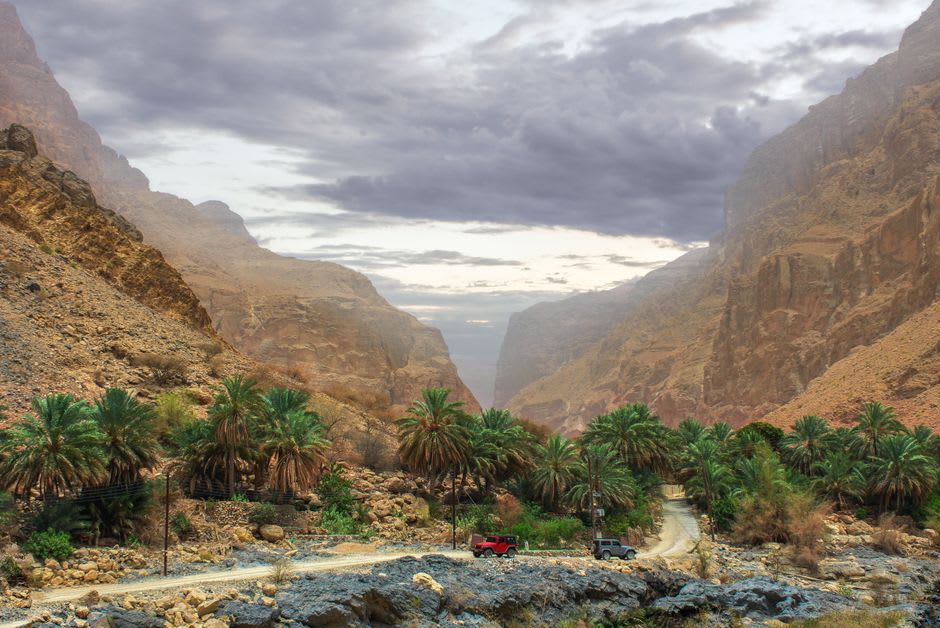
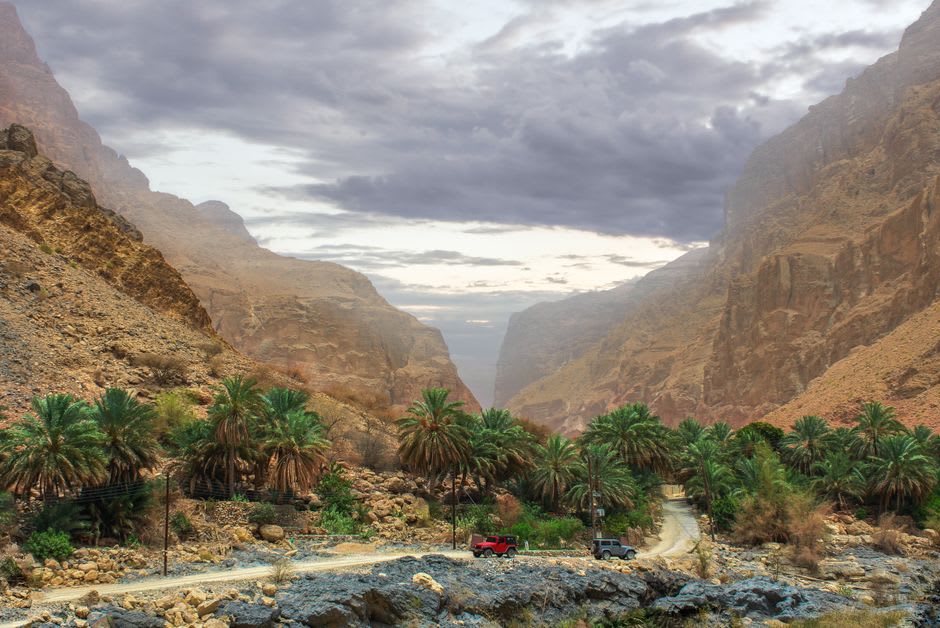
Wadi Bani Awf is the drive people in Muscat talk about in the same tone reserved for confessions. Everyone has an opinion, half of them have done it in a vehicle that probably shouldn’t have, and all of them agree it’s worth the nerves. It is not, technically, a destination — it’s a route, a rough gravel track threading through a canyon system between Al Hamra and Rustaq, hugging cliffs with drops that don’t invite a second look out the passenger window. We hired a proper 4x4 and a driver who did this run often enough to hum along to the radio through the tightest sections. That felt like the correct decision within about the first fifteen minutes.
Through the Gorge
The track narrows dramatically at a section locals call the “Snake Gorge road,” squeezing between rock walls close enough in places that I could have touched both sides from the truck window if I’d been the sort of person to try that. The canyon above blocks the sun for long stretches, dropping the temperature and turning the light a flat grey-blue that makes the whole drive feel like moving through a corridor rather than a landscape. Every so often the walls pull back just enough to reveal a terraced village clinging to an impossible slope, gone again within a few seconds as the track bends back into rock.
Snake Canyon
The side canyon known as Snake Canyon, or Wadi Bimmah’s cousin in reputation if not geology, is where the canyoneers get out and we, sensibly, did not. A narrow slot canyon with a series of pools, drops, and a couple of technical abseils, it’s a full canyoning route requiring ropes, a guide, and a willingness to jump into cold water in the dark. I watched a group gear up at the entrance — wetsuits, helmets, the specific focus of people about to do something slightly frightening on purpose — and felt a genuine pang of regret at not having booked it in advance. Lia did not share the regret. She photographed the entrance pool instead, a slice of green water disappearing between rock walls that closed overhead like a roof.
Why the Drive Matters More Than the Destination
By the time we emerged on the far side, near the turnoff for Rustaq, I understood why people describe Wadi Bani Awf as an experience rather than a place. There’s no single viewpoint or landmark that justifies the trip on its own. It’s the accumulation — the narrowing rock, the sheer drops, the sudden villages, the driver’s total unbothered calm at moments that had my knuckles white on the door handle — that makes the two hours through the canyon one of the most memorable stretches of road I’ve done anywhere in the Gulf.
When to go: October through April, avoiding any hint of rain — the wadi floods fast and the track becomes genuinely dangerous, occasionally impassable, after storms. Always go with a 4x4 and ideally a local driver; this is not a route for a rental sedan or a solo first attempt.
Keep exploring
More from Oman
 oman
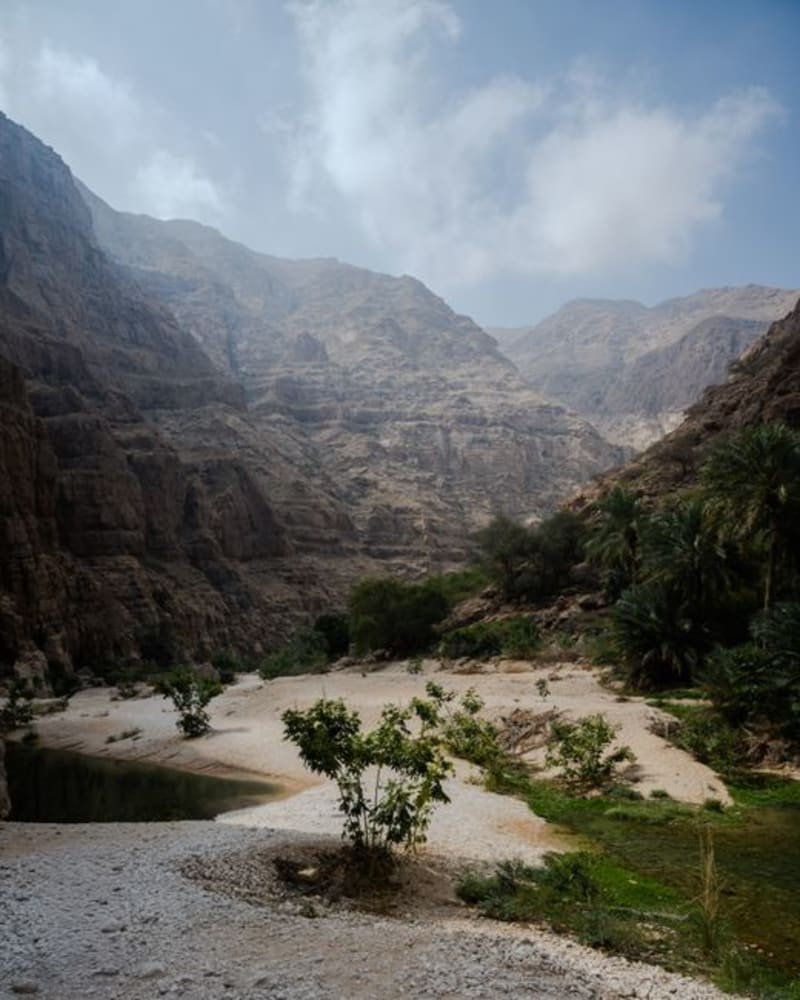
oman Wadi Bani Ghafar
A quiet Western Hajar canyon of pools and date groves near Rustaq, threaded by a falaj system and almost entirely free of other visitors.
Explore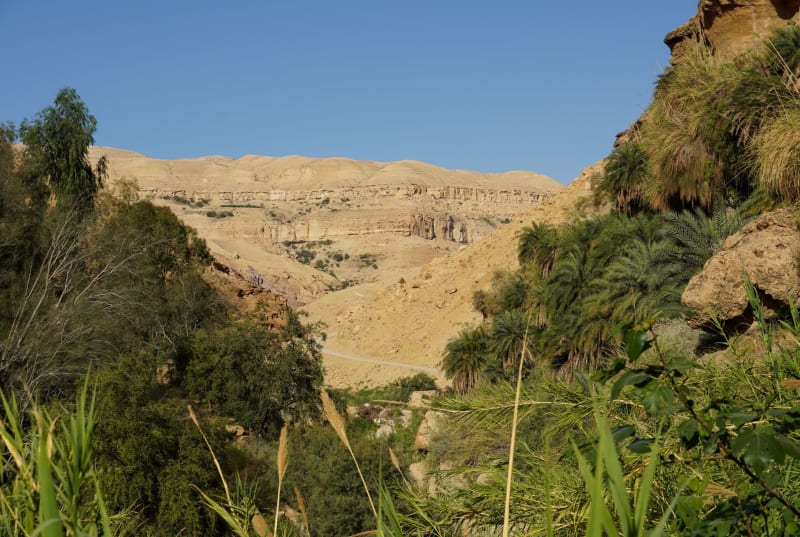 oman
oman Wadi Bani Khalid
A year-round oasis of turquoise pools and date palms in the Hajar Mountains of eastern Oman, hidden from the coastal highway.
Explore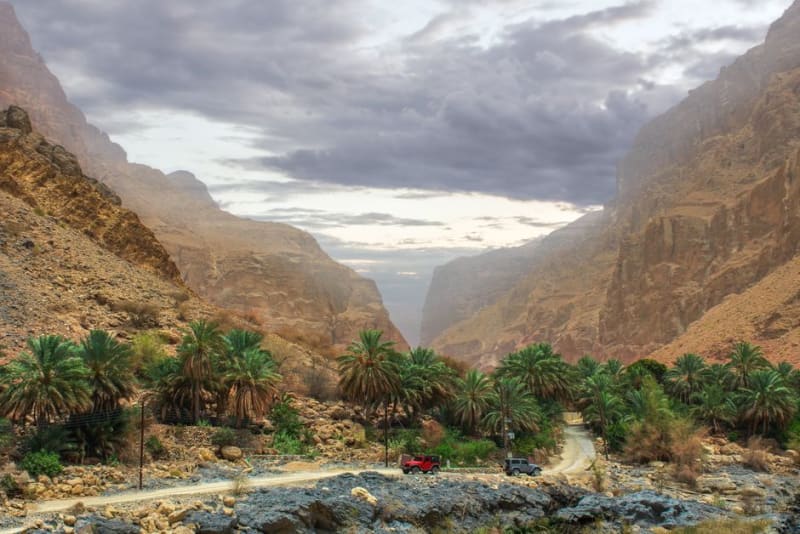 oman
oman Wadi Bani Kharus
One of the Al Hajar's longest and least-visited canyons, threading past ancient tombs, orchard villages, and a spring-fed pool at its source.
Explore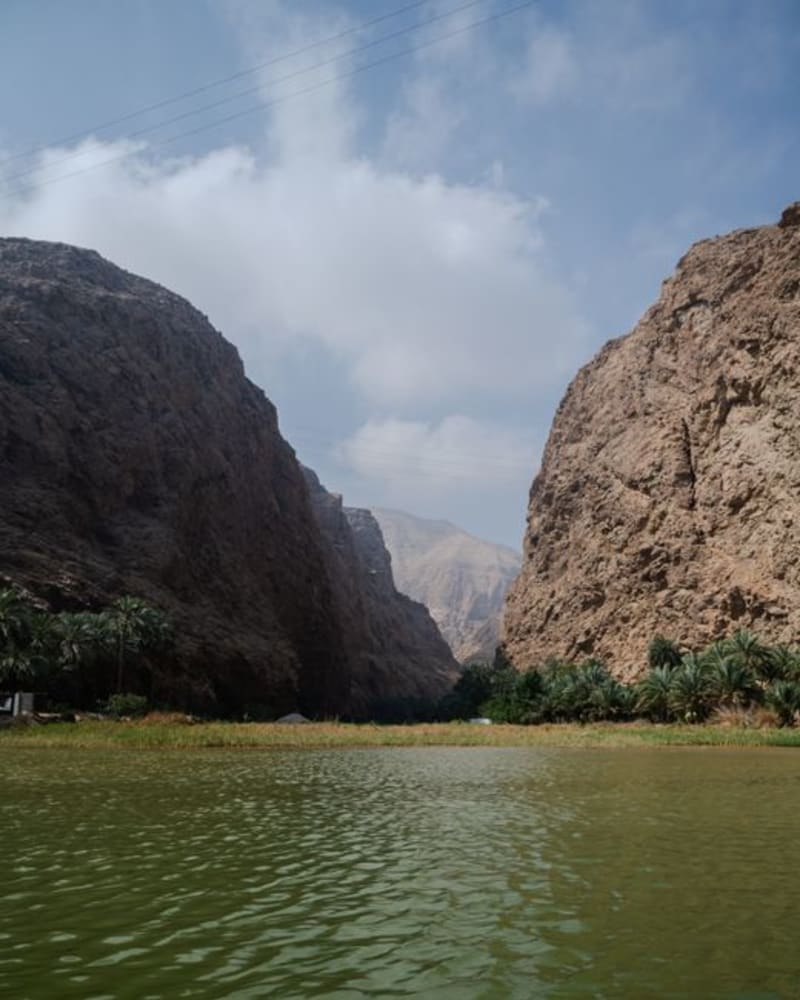 oman
oman Wadi Damm
A boulder-choked canyon in the Musandam peninsula where fresh pools sit a short scramble from the fjords, missed by almost everyone who comes for Khasab's dhows.
Explore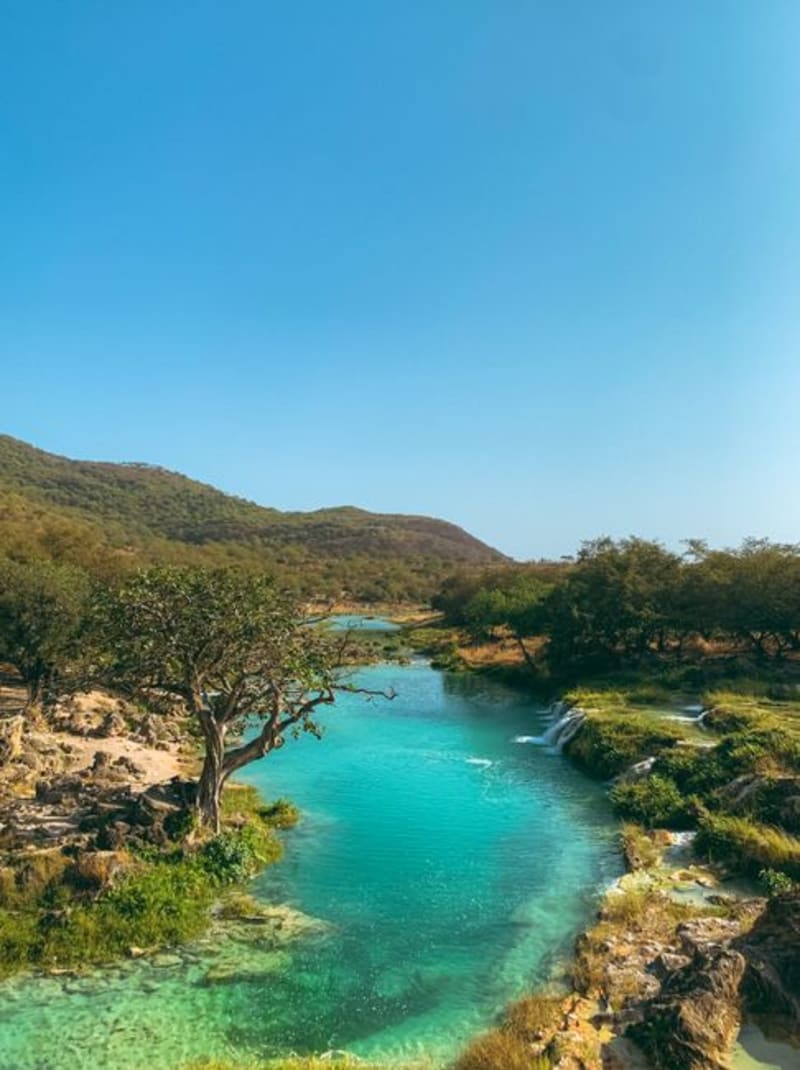 oman
oman Wadi Darbat
A limestone canyon lake that turns into a chain of roaring waterfalls the moment the khareef arrives.
Explore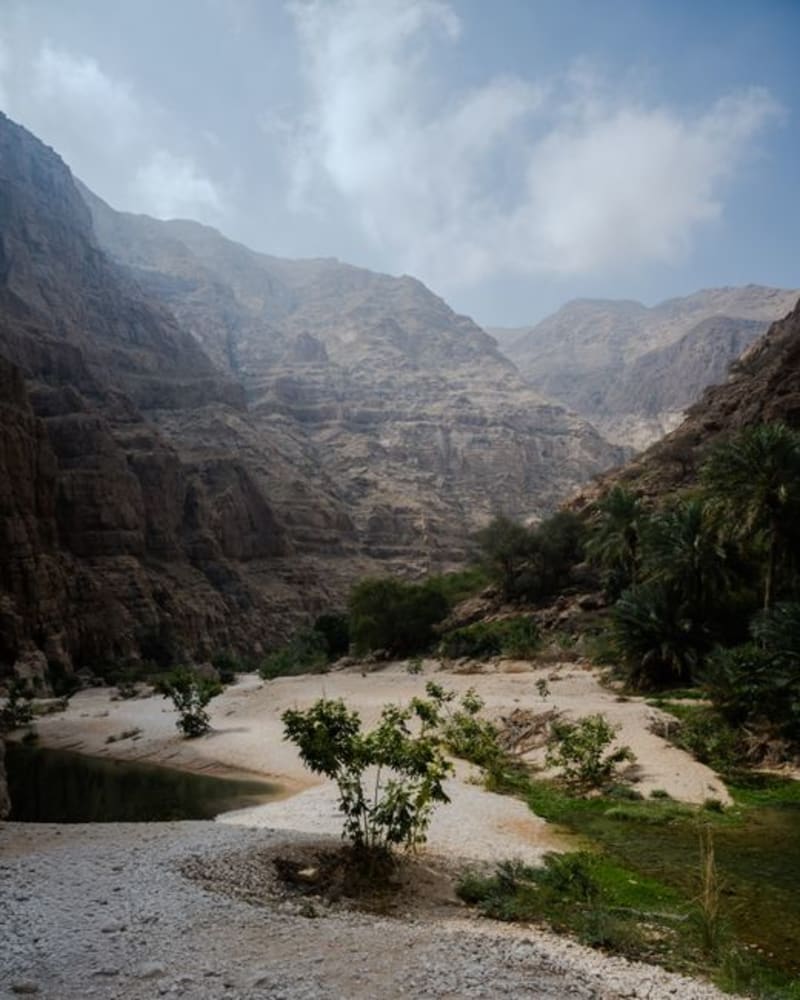 oman
oman Wadi Dayqah
Oman's tallest dam holds back a turquoise reservoir threaded through a canyon of date palms, forty minutes from Muscat and almost entirely overlooked.
Explore