A scruffy, accessible canyon on Muscat's own doorstep, where locals go for a Friday swim without ever touching the coastal highway.
We’d been in Oman two weeks and had done Wadi Shab, Wadi Bani Khalid, the whole postcard circuit, when a colleague of Lia’s — she was doing some freelance work for a Muscat design studio at the time — mentioned Wadi Al Khoud almost dismissively, the way you’d mention a park near your house to someone who’d just told you about their trip to Yellowstone. “It’s nothing special,” she said. “But we go on weekends.” That undersell is exactly why we went.
A Wadi Without a Brochure
Wadi Al Khoud sits close enough to Muscat International Airport that you can hear the occasional jet on approach, which tells you everything about how unglamorous its location is compared to the dramatic canyons further into the Hajar range. The drive in from Seeb takes you past the edge of Muscat University’s campus and then abruptly into scrubland, the road petering out near a cluster of acacia trees where local families park on Fridays.
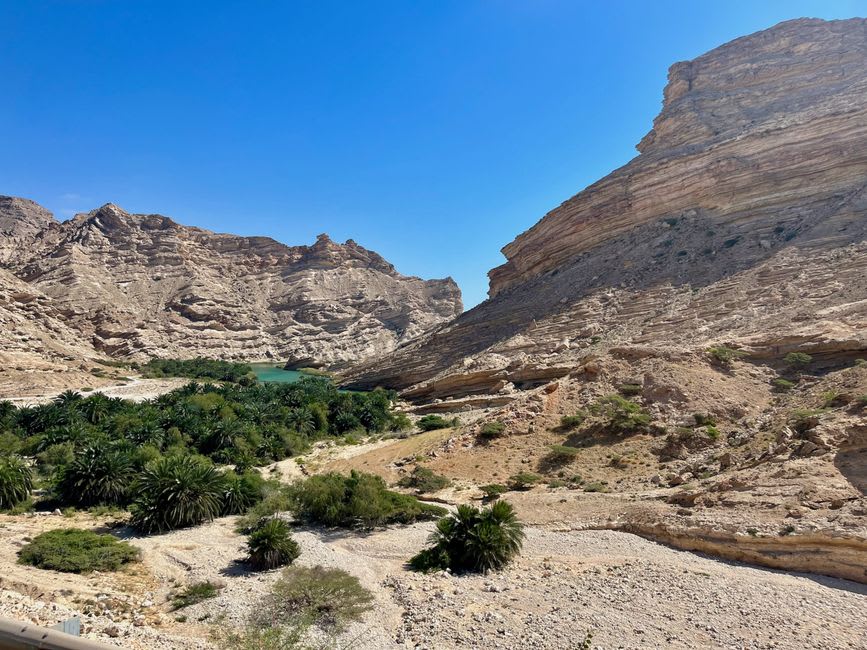
The wadi itself is modest by Omani standards — no dramatic gorge, no cave swim, just a series of shallow rock pools set into a wide, low canyon that fills after winter rains and holds water for months afterward. What it has instead of drama is ease: you can drive right up, wade in without a hike, and be back in Muscat for dinner without ever feeling like you did an excursion.
What Locals Actually Do Here
What made the visit worthwhile wasn’t the scenery so much as watching how Omani families actually use their wadis when tourists aren’t involved. Three generations had set up at the pool nearest the parking area — grandmother in an abaya sitting fully clothed in the shallows, kids doing cannonballs off a low rock ledge, someone’s uncle grilling something over a portable gas ring balanced on a cooler. Nobody paid us much attention, which felt like its own kind of welcome.
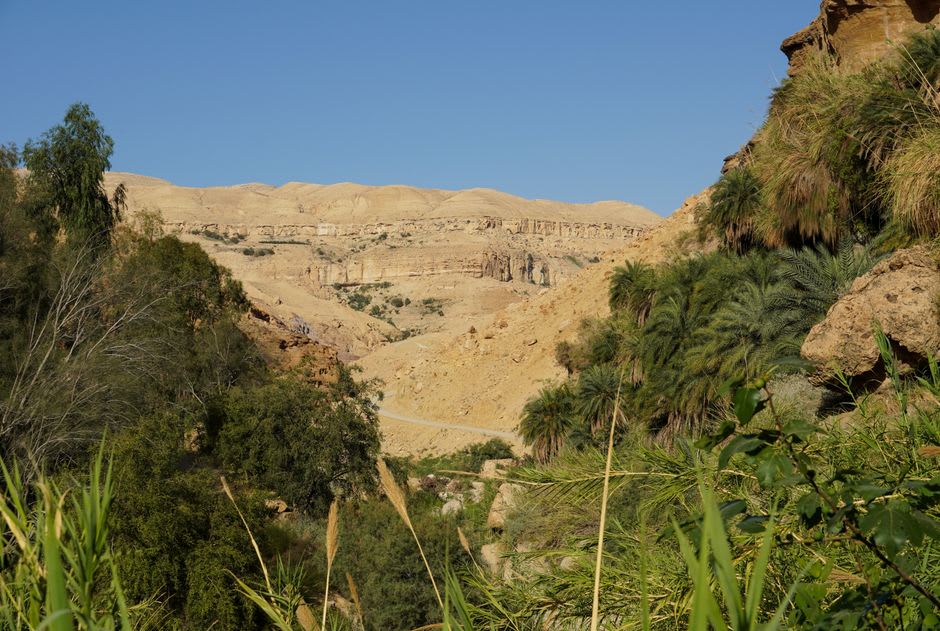
Further upstream, past where most families stop, the wadi narrows into a quieter stretch with a few deeper pools shaded by tamarisk trees. We had that section to ourselves and stayed until the light started going flat, then drove back into Muscat traffic feeling like we’d gotten away with something.
When to go: December through March, after winter rains have filled the pools. It’s a Friday-afternoon spot for locals, so weekday visits are quieter but occasionally drier.
Keep exploring
More from Oman
 oman
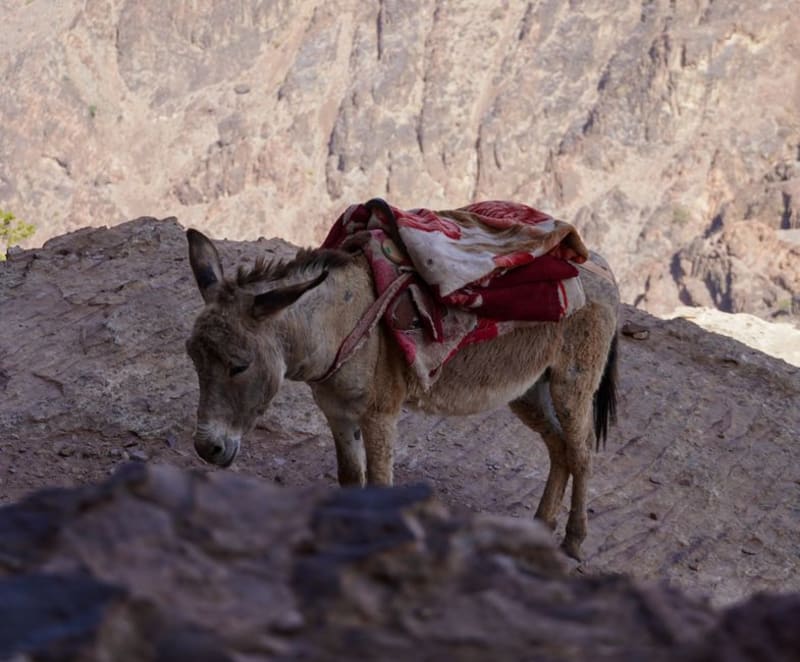
oman Wadi Bani Awf
A dramatic off-road canyon route through the Al Hajar mountains, home to Snake Canyon and some of Oman's most spectacular driving.
Explore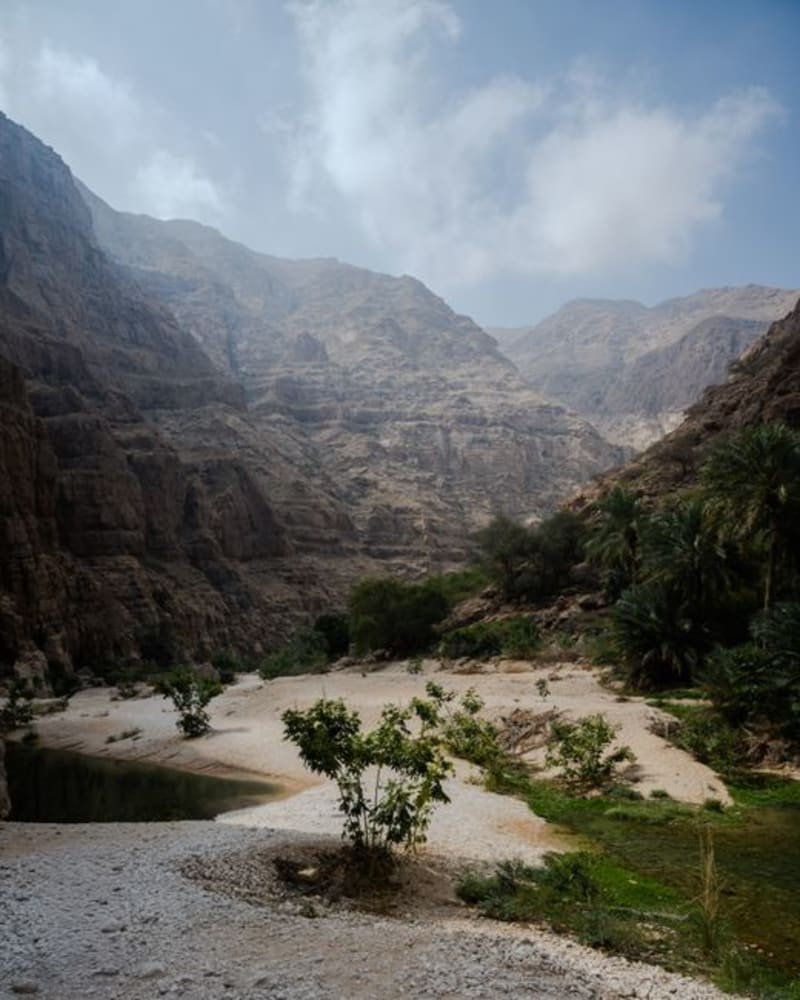 oman
oman Wadi Bani Ghafar
A quiet Western Hajar canyon of pools and date groves near Rustaq, threaded by a falaj system and almost entirely free of other visitors.
Explore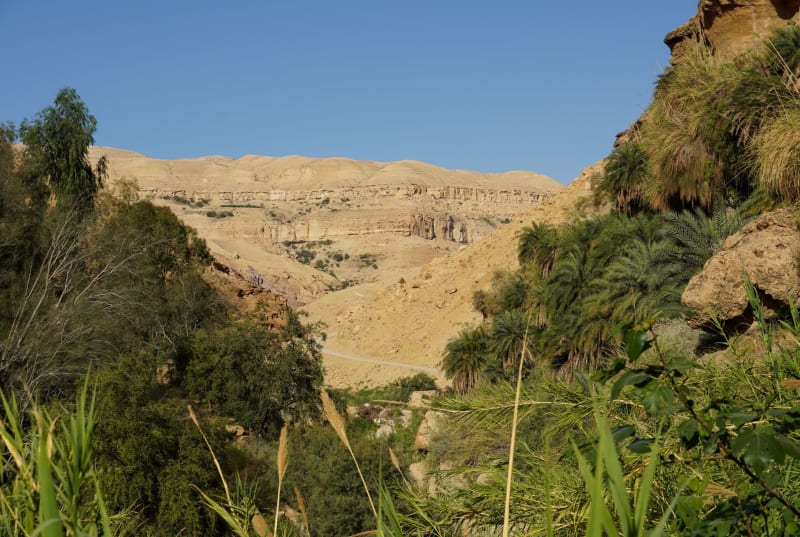 oman
oman Wadi Bani Khalid
A year-round oasis of turquoise pools and date palms in the Hajar Mountains of eastern Oman, hidden from the coastal highway.
Explore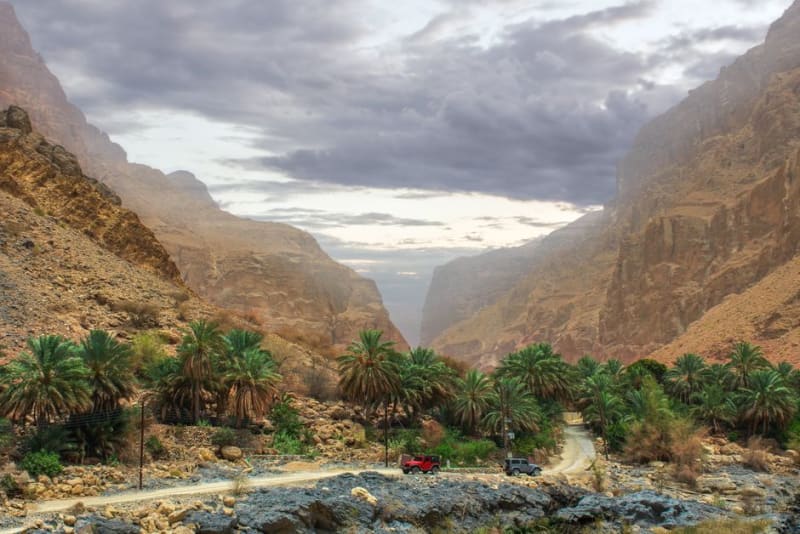 oman
oman Wadi Bani Kharus
One of the Al Hajar's longest and least-visited canyons, threading past ancient tombs, orchard villages, and a spring-fed pool at its source.
Explore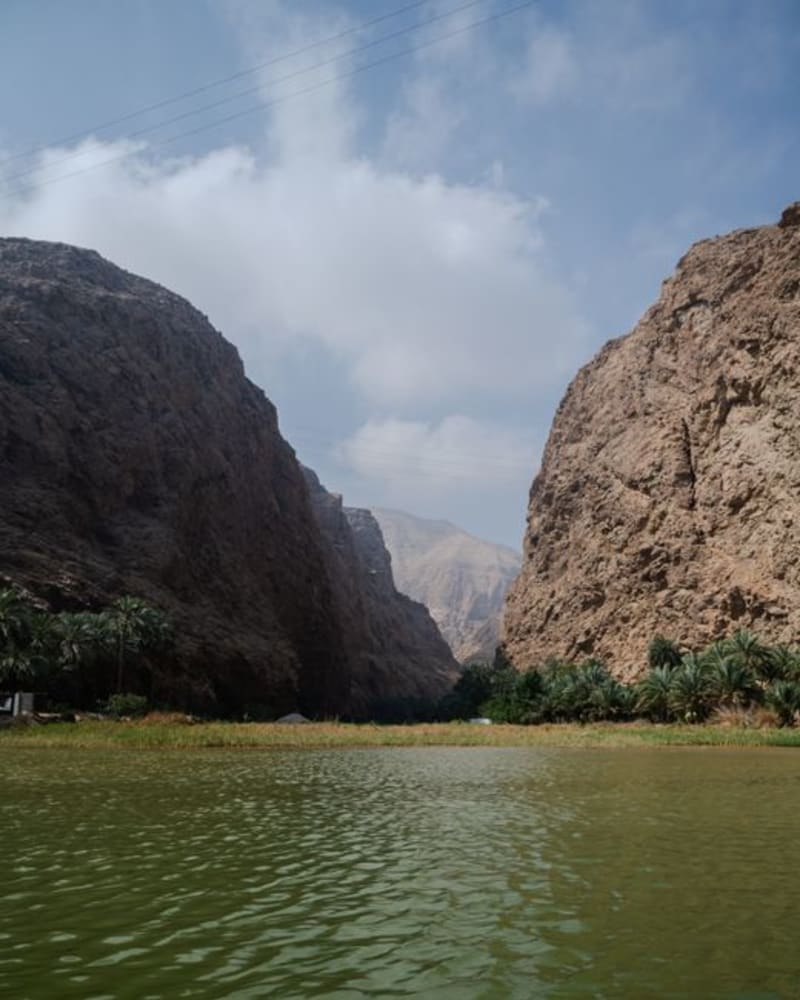 oman
oman Wadi Damm
A boulder-choked canyon in the Musandam peninsula where fresh pools sit a short scramble from the fjords, missed by almost everyone who comes for Khasab's dhows.
Explore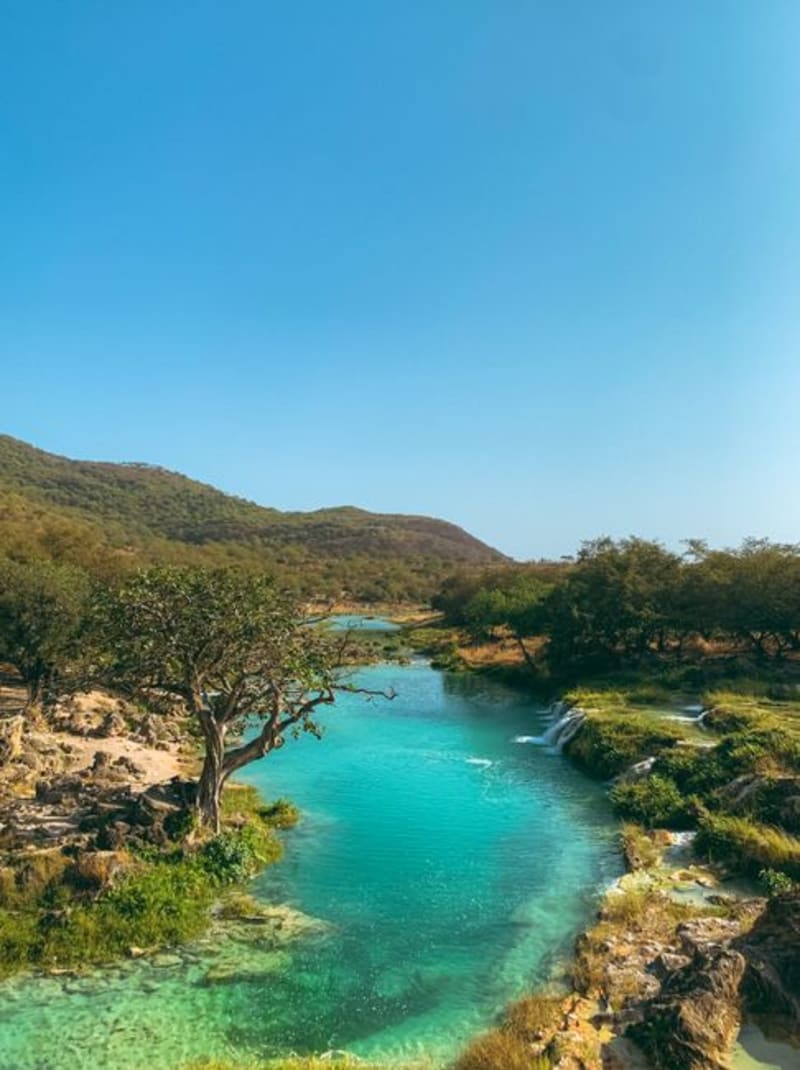 oman
oman Wadi Darbat
A limestone canyon lake that turns into a chain of roaring waterfalls the moment the khareef arrives.
Explore