A quiet fishing town with a restored fort, a lagoon full of flamingos, and none of Salalah's tour buses.
Taqah is maybe half an hour east of Salalah, close enough that most people treat it as a highway marker on the way to Mirbat rather than a stop in itself. We almost did the same until a guesthouse owner in Salalah told us, with real conviction, that Taqah’s fort was better preserved than half the ones getting all the attention further north. She wasn’t wrong, and the town turned into one of the more pleasant surprises of the whole Dhofar stretch.
A Fort Built for a Sultan’s Wali
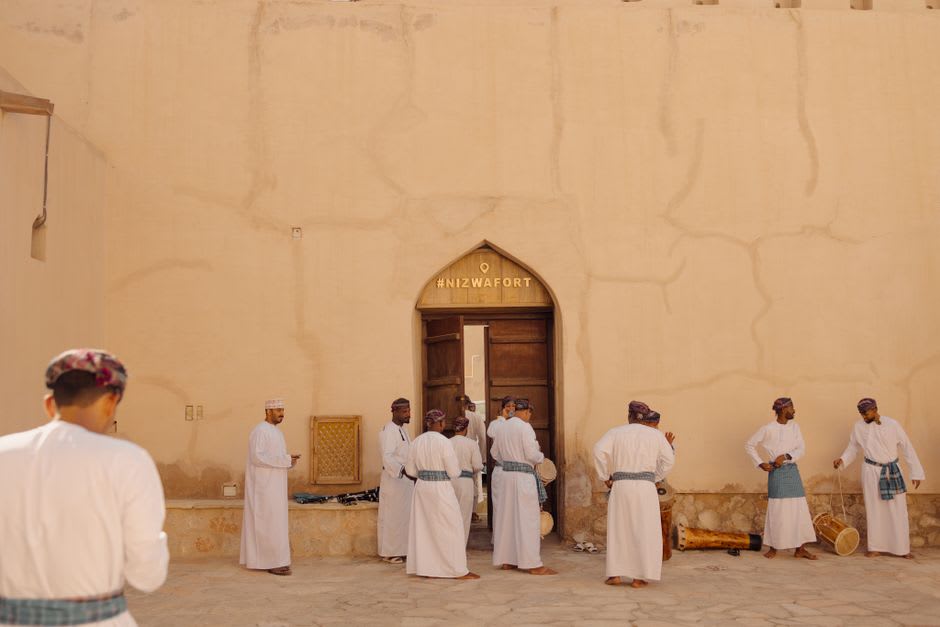
Taqah Castle sits right in the middle of town, a squat, sand-colored fortress with round corner towers that was restored in the 1990s and now functions as a small museum. It was originally the residence of the town’s wali, or governor, and the rooms inside still carry some of that domestic feel — a majlis with cushions along the walls, a kitchen area, storage rooms for dates and frankincense. Unlike Nizwa’s fort, which draws steady coach traffic, we had Taqah Castle to ourselves except for the caretaker, who unlocked a side room specifically to show us a set of old wooden doors carved with geometric patterns he clearly took a lot of pride in.
The Lagoon Nobody Told Us About
What actually stopped us in Taqah wasn’t the fort, though — it was the khawr, the lagoon just east of town, separated from the sea by a thin sandbar. We wandered down there in the late afternoon and found it dense with birdlife: flamingos wading in the shallows, herons stalking the reed edges, and a fisherman untangling a net from the branch of a half-submerged tree with the patience of someone who’s done this exact task for thirty years. Nobody else was there. No signage, no entrance fee, just a lagoon doing what lagoons do at the edge of a town that’s stopped noticing how beautiful it is.
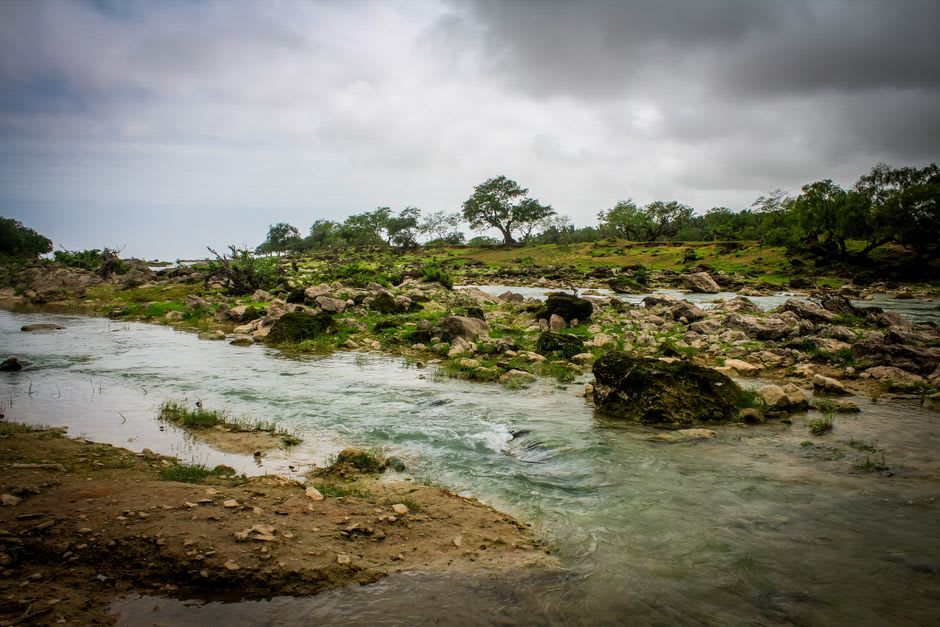
Lia wanted to stay until sunset, and we did, sitting on the sand with a bag of dates bought from a stall near the fort, watching the light go orange over water that fifteen minutes earlier had looked completely gray. It’s the kind of hour that doesn’t photograph as well as it feels, though I tried anyway.
When to go: Year-round, but the lagoon birdlife is most active in the cooler months from October to March. Late afternoon light suits both the fort’s sandstone walls and the khawr.
Keep exploring
More from Oman
 oman
oman Wadi Al Arbeieen
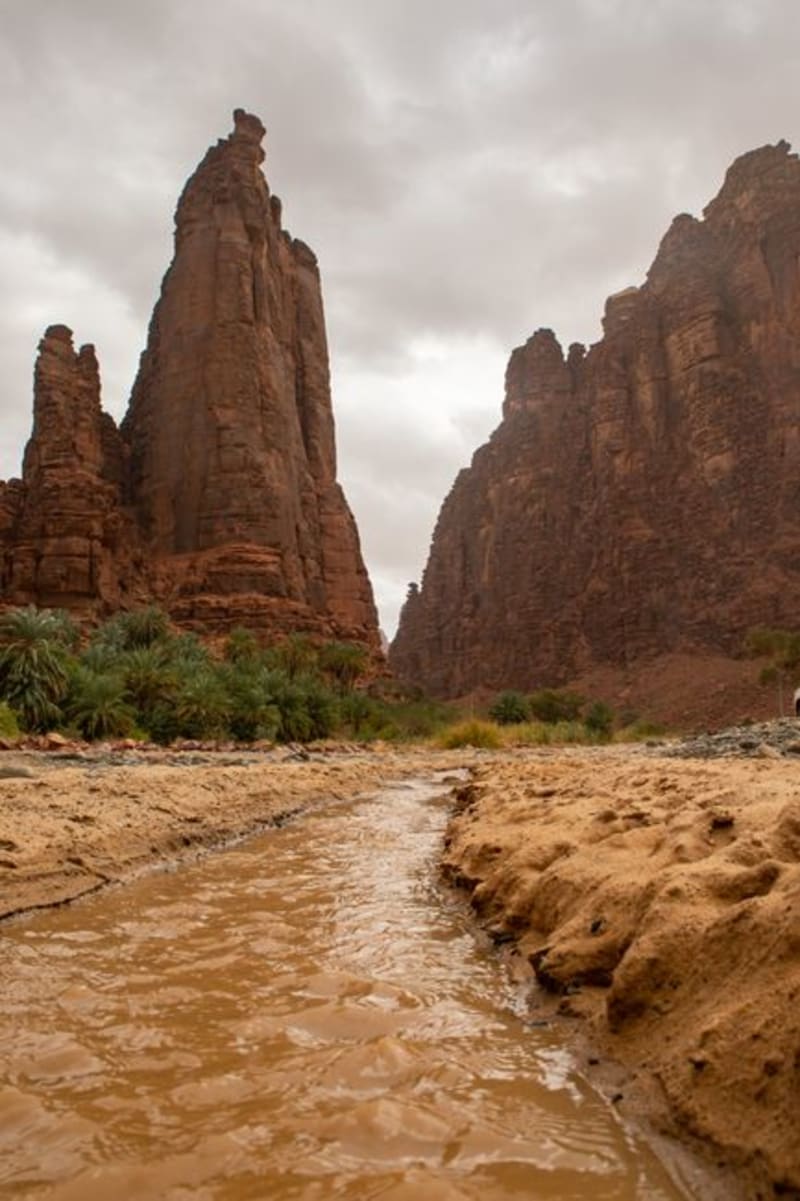
Seven spring-fed pools stepping down a quiet canyon near Al Hamra, popular with Omani families on weekends and almost unknown to foreign visitors.
Explore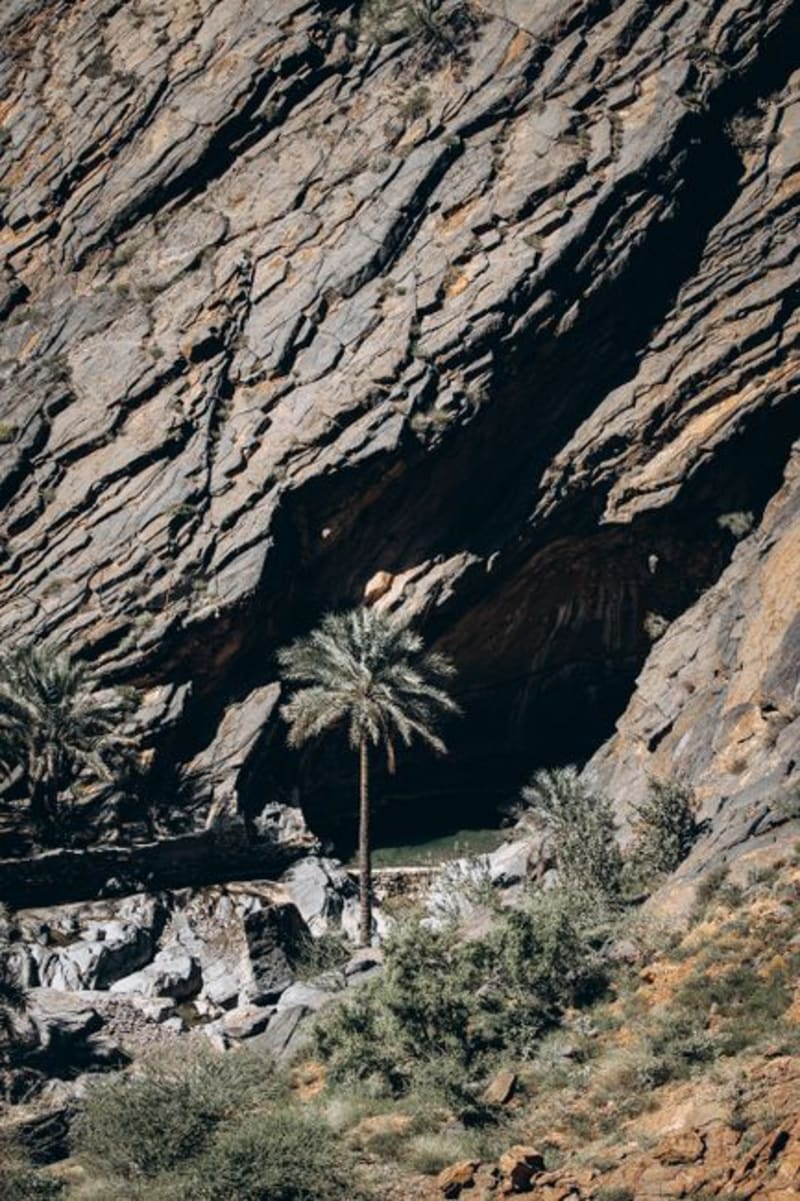 oman
oman Wadi Al Ayn
An Eastern Hajar canyon of deep swimming pools and a famous rope swing, quieter than its better-known neighbor Wadi Bani Khalid.
Explore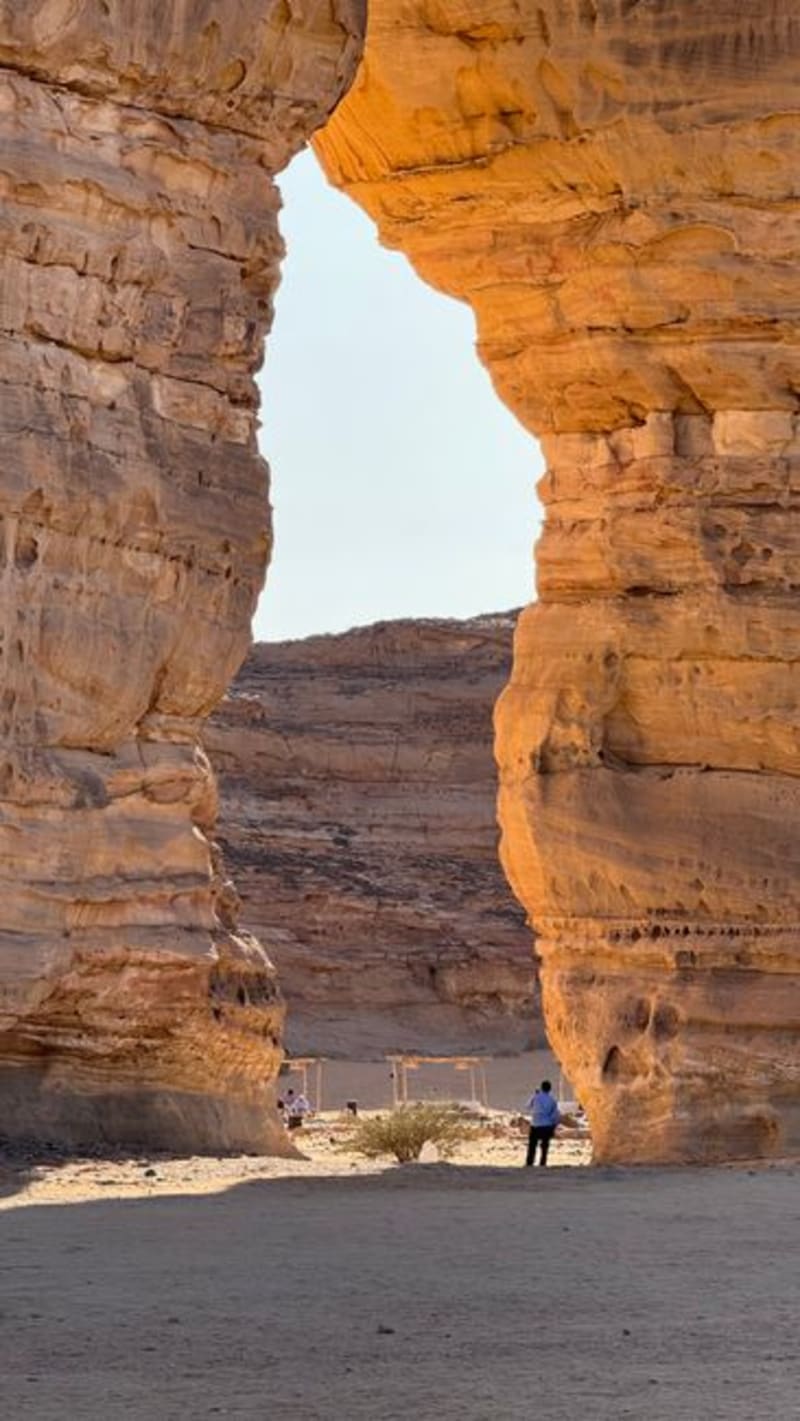 oman
oman Wadi Al Khoud
A scruffy, accessible canyon on Muscat's own doorstep, where locals go for a Friday swim without ever touching the coastal highway.
Explore oman
oman Wadi Bani Awf
A dramatic off-road canyon route through the Al Hajar mountains, home to Snake Canyon and some of Oman's most spectacular driving.
Explore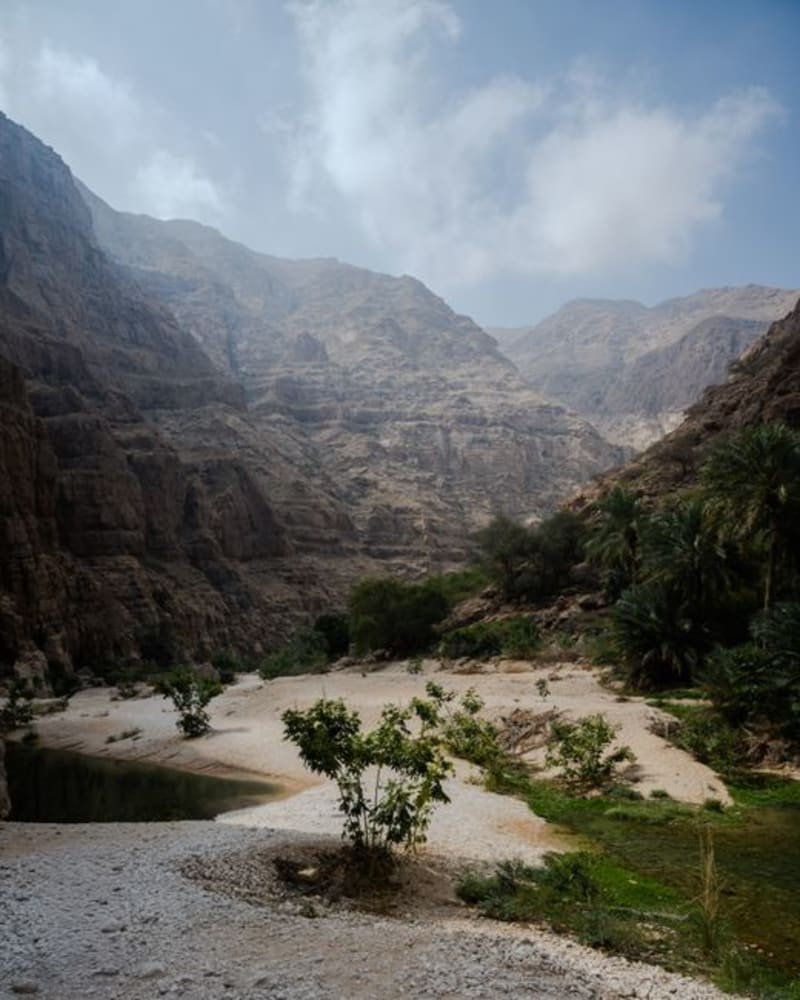 oman
oman Wadi Bani Ghafar
A quiet Western Hajar canyon of pools and date groves near Rustaq, threaded by a falaj system and almost entirely free of other visitors.
Explore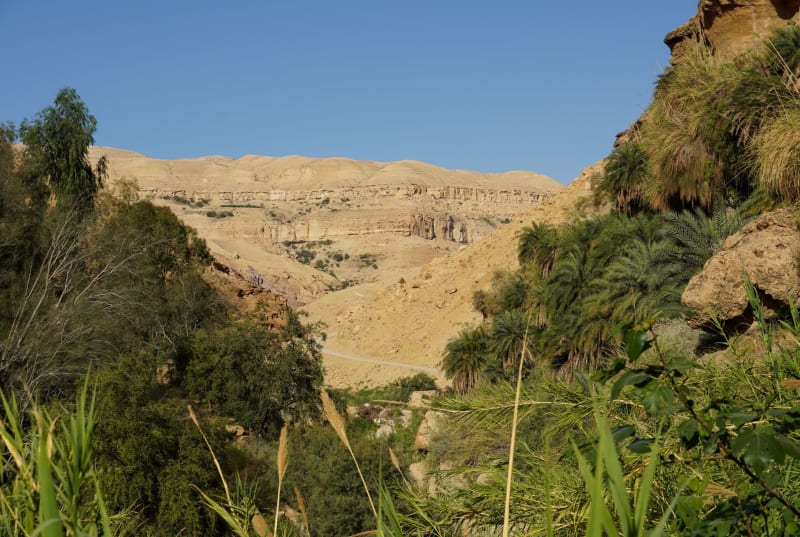 oman
oman Wadi Bani Khalid
A year-round oasis of turquoise pools and date palms in the Hajar Mountains of eastern Oman, hidden from the coastal highway.
Explore