Sohar Fort
"They say Sindbad sailed from here. Standing on the ramparts, that's easy to believe."
The whitewashed fort that guards Oman's Sindbad legend, standing watch over a coastline that once traded copper and pearls with half the Indian Ocean.
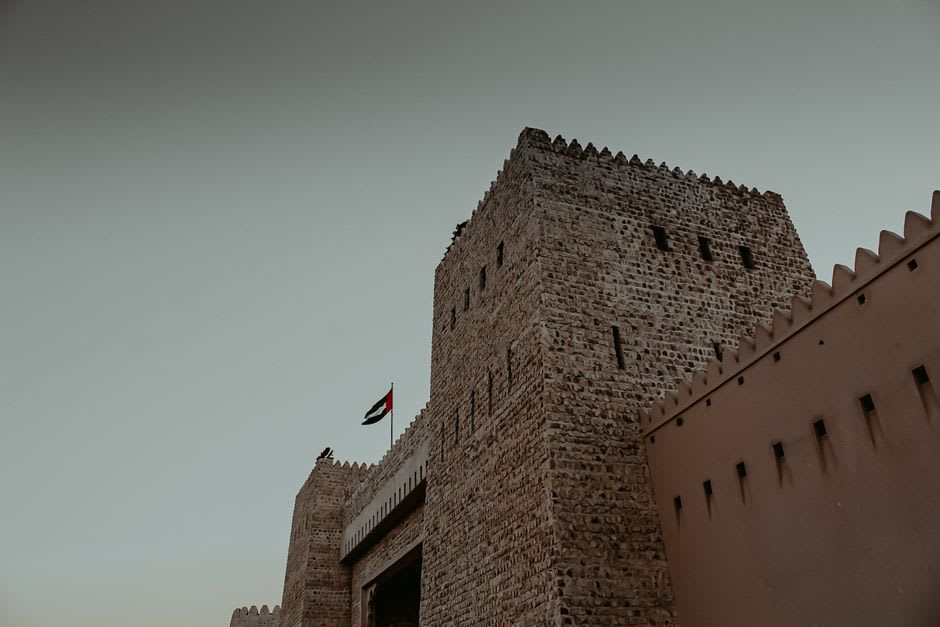
Sohar doesn’t get much attention on the standard Oman itinerary — everyone is racing toward Nizwa or Jebel Akhdar, and the industrial port on the edge of town does the city no favours in photos. But we broke up the drive from the UAE border with a stop here, and the fort alone justified the detour. It’s whitewashed almost to the point of glowing at midday, a bright contrast against the dust-colored plain around it, and it sits close enough to the water that you can still feel why this was once one of the richest ports on the Indian Ocean.
A Port That Outdates Everyone
Sohar’s harbor was trading copper, frankincense, and pearls with East Africa, Persia, and India centuries before Muscat existed as anything more than a fishing cove. Local tradition holds that Sindbad the Sailor set out from Sohar, and whether or not you buy the legend literally, the fort’s museum leans into it with genuine enthusiasm — model dhows, trade maps, cases of old coins pulled from the harbor mud. I’m usually skeptical of tourist-board folklore, but here it felt earned rather than manufactured.
The Tower and the View
The fort itself was rebuilt extensively in the 1990s over foundations going back to the 13th century, and the central tower is the part worth climbing for. From the top you get the whole layout at once: the old town’s low white rooftops, the corniche, and past it the industrial port that turned Sohar into a genuine economic engine again in the last twenty years — a strange but honest juxtaposition of ancient trade and modern shipping containers.
We wandered the ramparts for maybe forty minutes without seeing another visitor, which is more or less the Sohar experience in general. Lia pointed out that the fort’s cannons still face the sea rather than the desert, a small detail that says a lot about where this town always expected its trouble to come from.
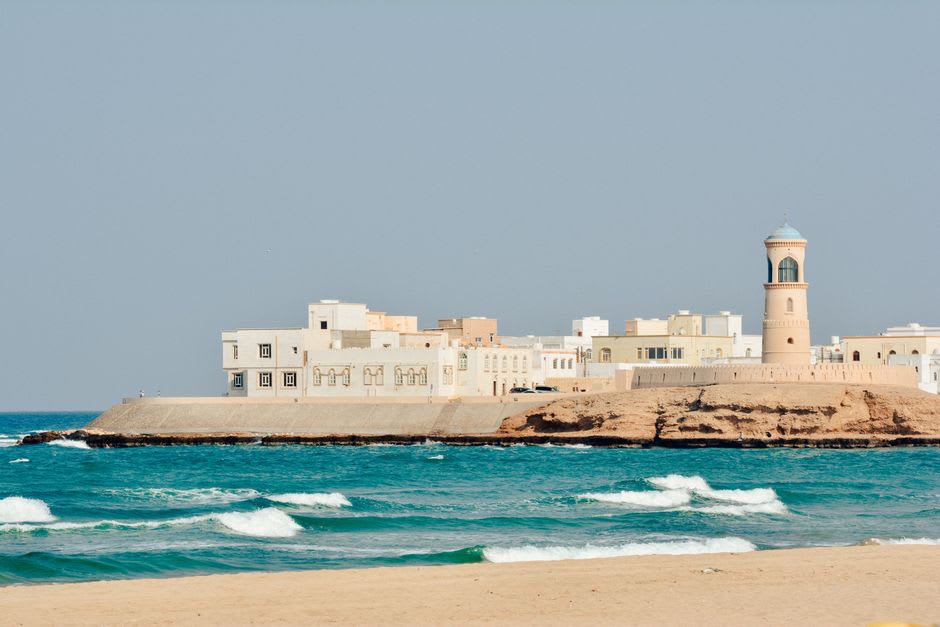
When to go: October to April, in the cooler morning hours — Sohar’s coastal humidity makes midday visits uncomfortable even in winter. The fort and museum are an easy half-day stop if you’re driving the Batinah coast road between Muscat and the UAE.
Keep exploring
More from Oman
 oman
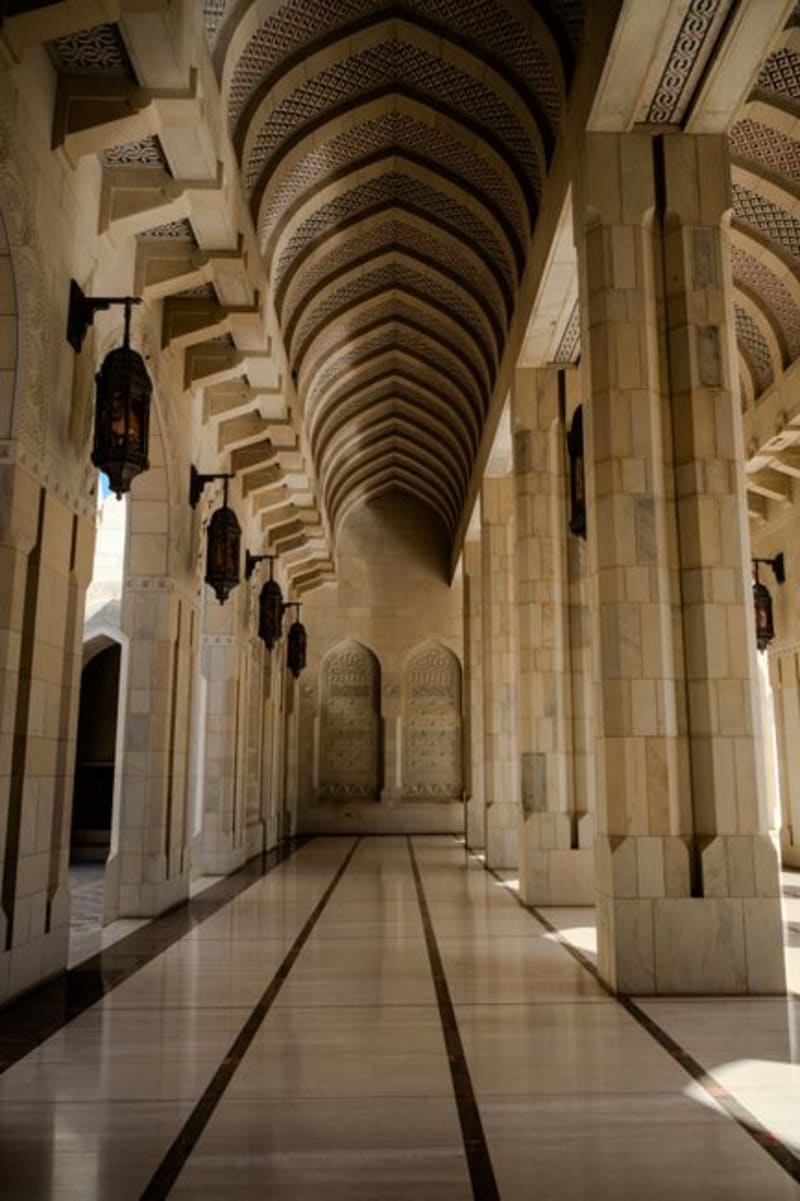
oman Sultan Qaboos Grand Mosque
The country's largest mosque, home to a hand-knotted carpet the size of a football pitch and a chandelier that took years to build.
Explore oman
oman Sur
The last working dhow shipyard in Arabia, where master craftsmen still build vessels by hand without plans.
Explore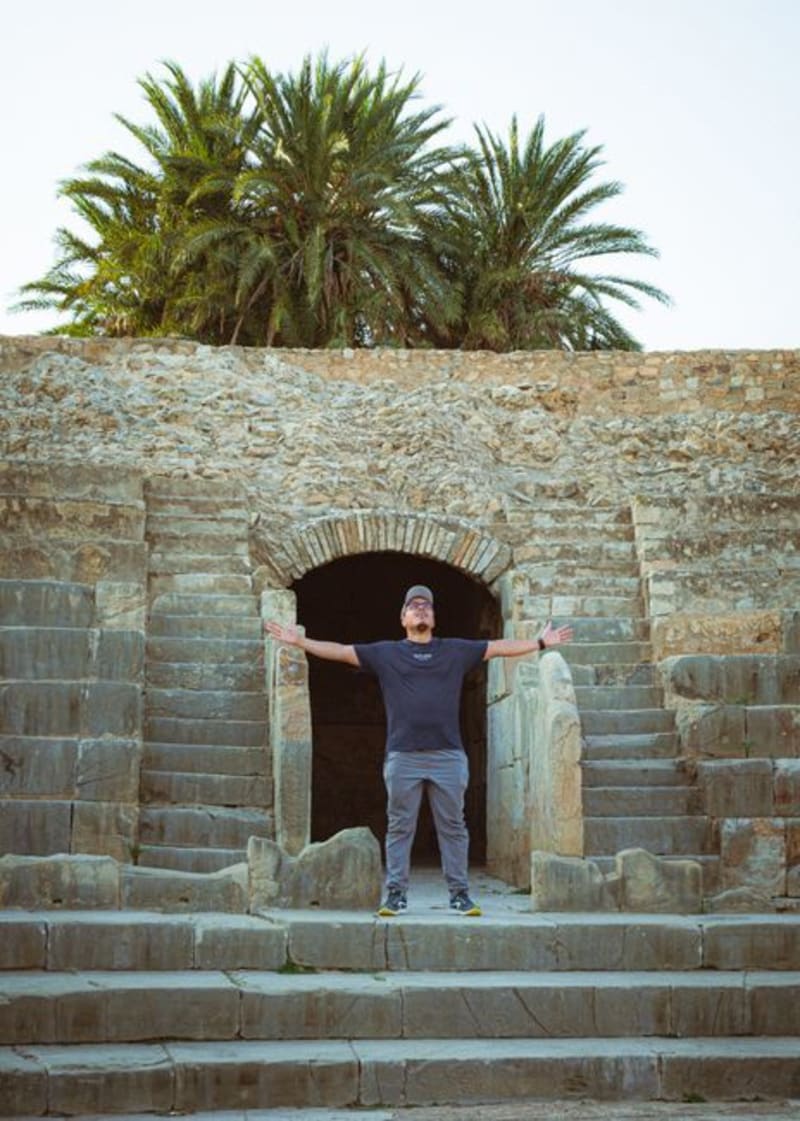 oman
oman Tanuf Ruins
A village leveled by the Sultan's air force in 1956 and never rebuilt, left standing as rubble above a spring-fed wadi that still runs green.
Explore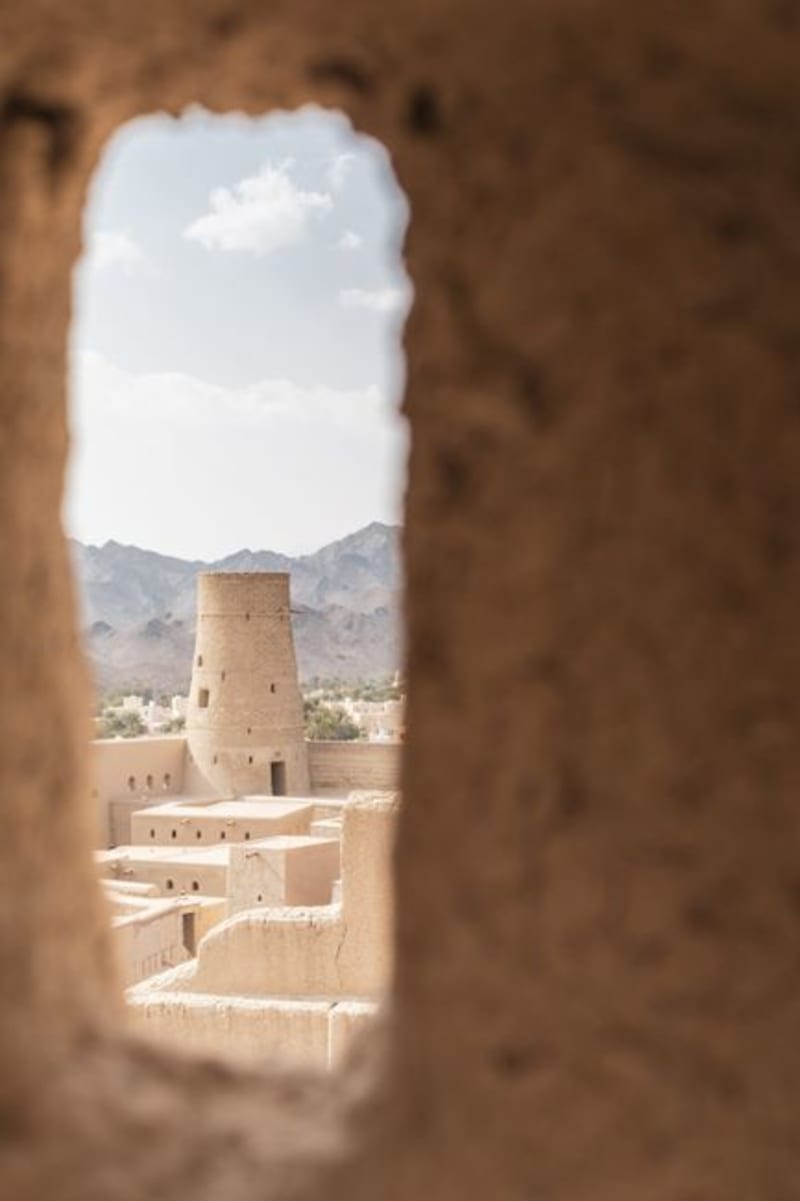 oman
oman Taqah
A quiet fishing town with a restored fort, a lagoon full of flamingos, and none of Salalah's tour buses.
Explore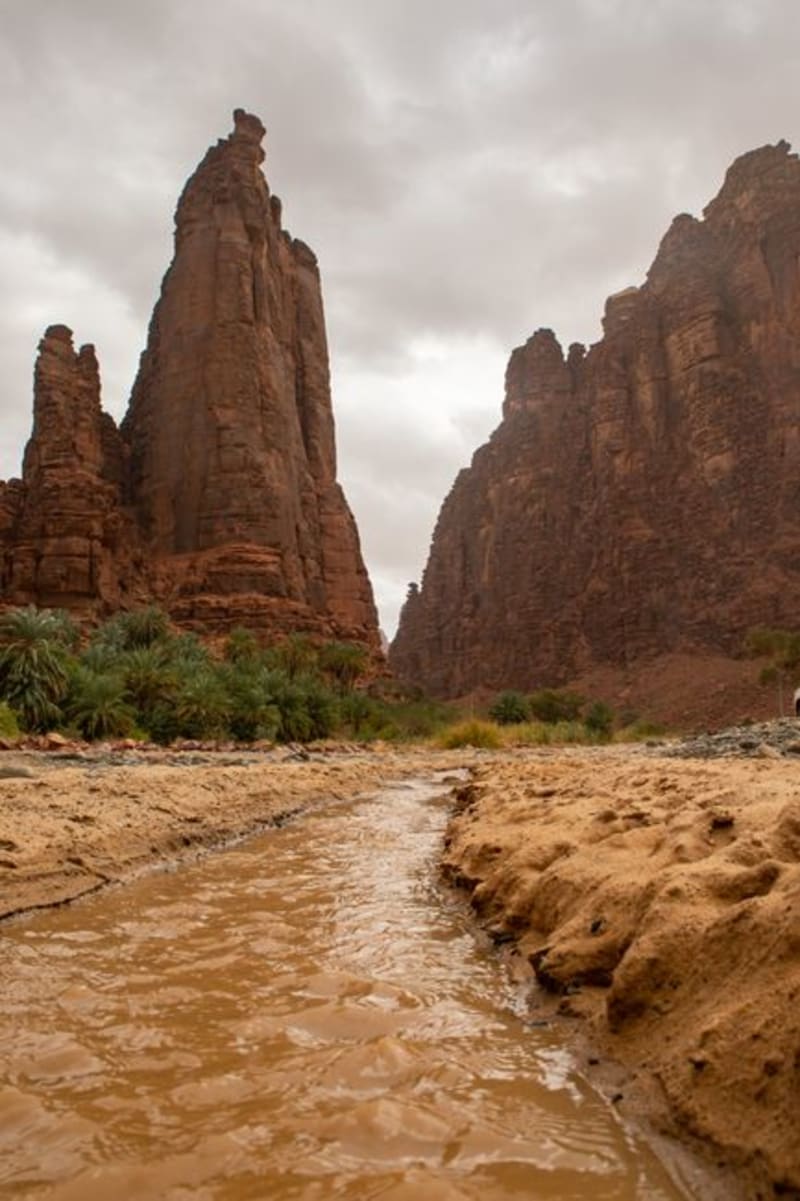 oman
oman Wadi Al Arbeieen
Seven spring-fed pools stepping down a quiet canyon near Al Hamra, popular with Omani families on weekends and almost unknown to foreign visitors.
Explore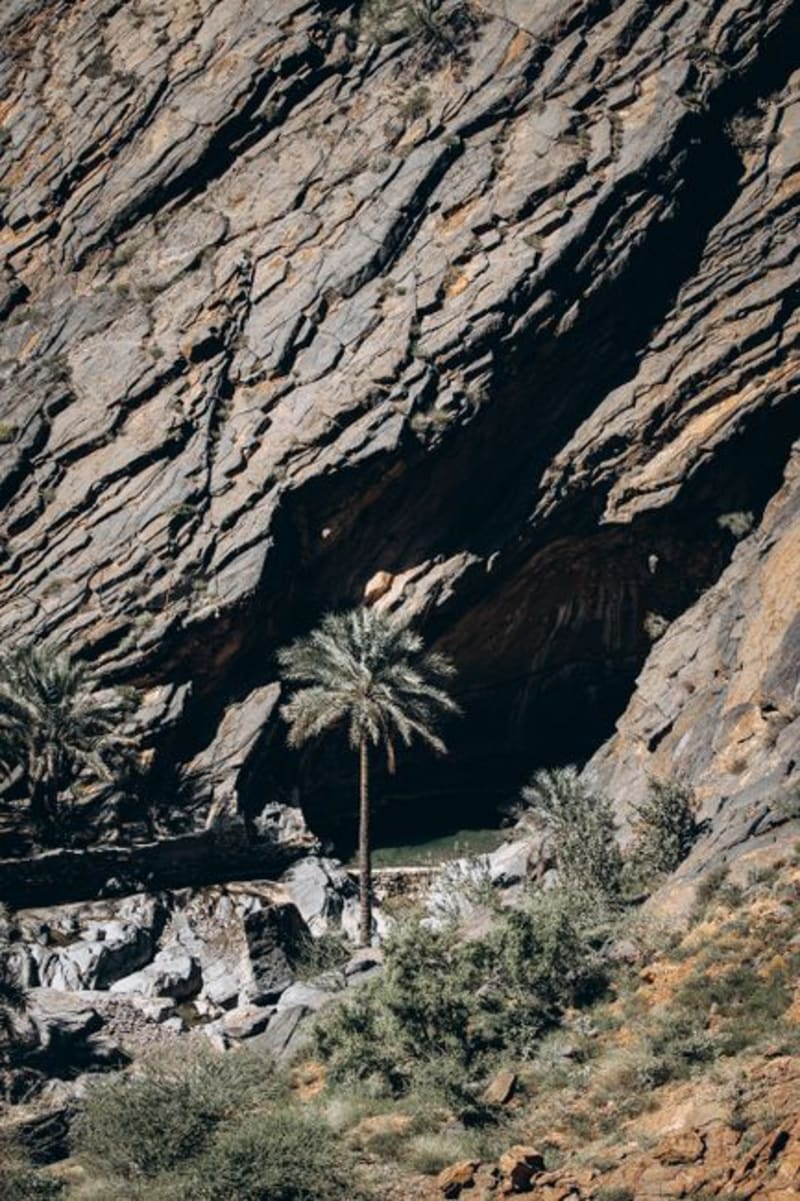 oman
oman Wadi Al Ayn
An Eastern Hajar canyon of deep swimming pools and a famous rope swing, quieter than its better-known neighbor Wadi Bani Khalid.
Explore