Royal Opera House Muscat
"Sultan Qaboos wanted Oman to have an opera house before it had a stock exchange most people had heard of. That says something."
Sultan Qaboos's marble monument to music, where Omani craftsmanship meets an international opera season.
I almost didn’t go. An opera house felt like the one attraction in Muscat that existed purely for prestige, a box to check off for people who like saying they’ve “done the culture.” Lia talked me into a Thursday evening ticket anyway, and I spent the first twenty minutes just walking the grounds before the show, feeling genuinely stupid for almost skipping it.
A Building That Argues With Itself
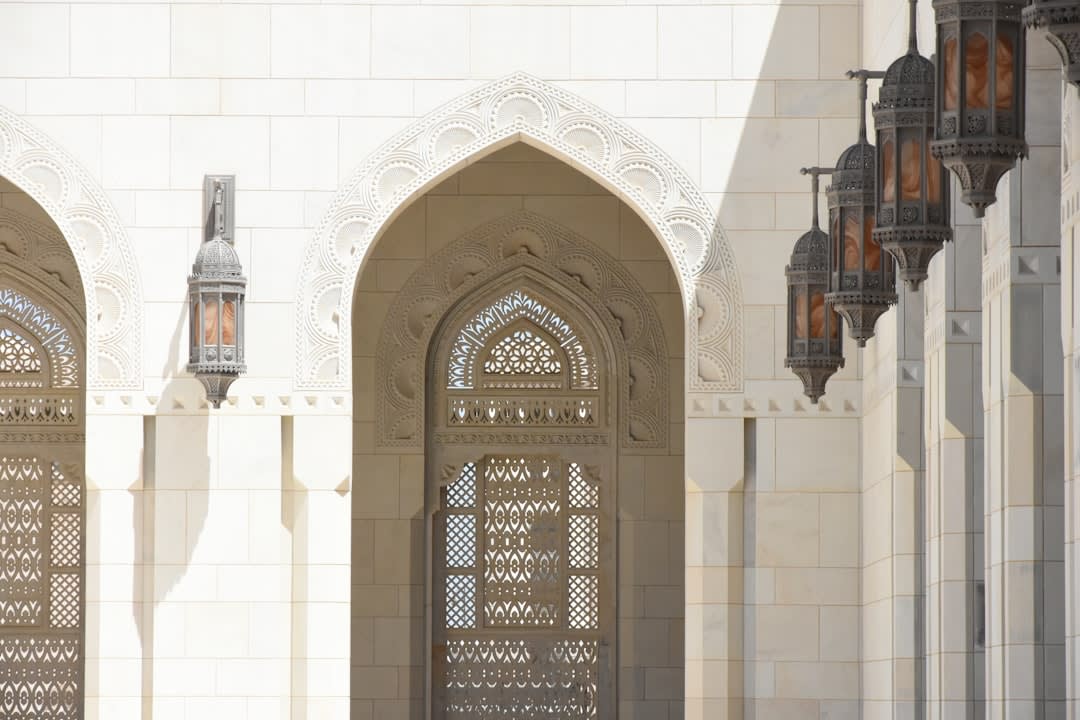
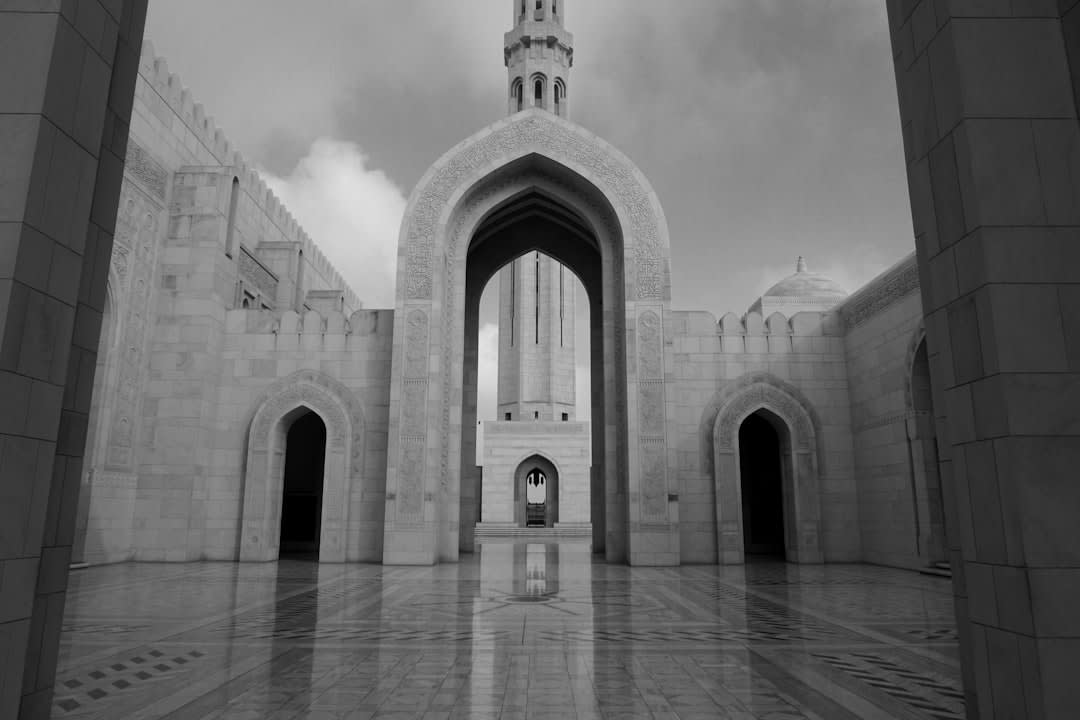
The Royal Opera House Muscat opened in 2011, commissioned personally by Sultan Qaboos, who had studied music in England and apparently never stopped believing Oman deserved a serious concert hall. The result is strange in the best way — a building that is unmistakably Omani, with carved sandstone screens, teak ceilings, and Zanzibar-style wooden balconies, but organized around the very European idea of an opera season. It shouldn’t cohere. It does.
Inside the Hall
The auditorium seats around 1,100 people beneath a chandelier that took a specialist crew from Italy weeks to install. What struck me more than the acoustics — which are genuinely excellent — was the calligraphy worked into the ceiling panels, verses rendered in gold leaf above an audience mostly there to hear a touring European orchestra. Nobody in the crowd seemed to find that combination odd. Only I did, for about the length of the overture.
Beyond the Stage
The complex includes a cultural market called Omani Amthaal House and a landscaped plaza where locals walk in the evenings even without tickets — a park that happens to have a world-class concert hall attached. I came back a second time just to sit on a bench near the fountains at sunset, no performance involved, and it was almost as satisfying as the show itself.
Check the program before you fly in — the season runs roughly October through May, and tickets for the marquee acts sell out to Muscat’s expat community fast. But even a night with a lesser-known ensemble is worth the price for the building alone.
When to go: October through May, when the performance season is active and evening temperatures make the outdoor plaza pleasant before or after a show.
Keep exploring
More from Oman
 oman
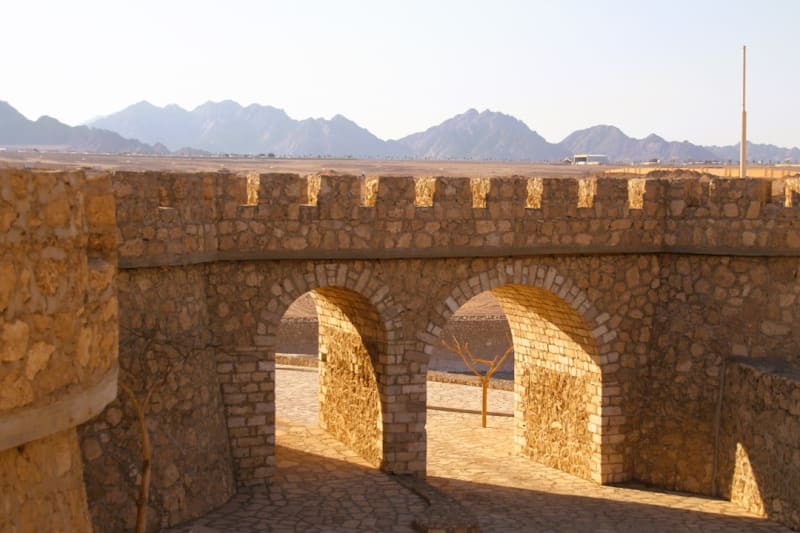
oman Rustaq Fort
A former Ya'arubi capital's fortress with a working blacksmith inside its walls, and hot mineral springs bubbling out of the ground a short walk away.
Explore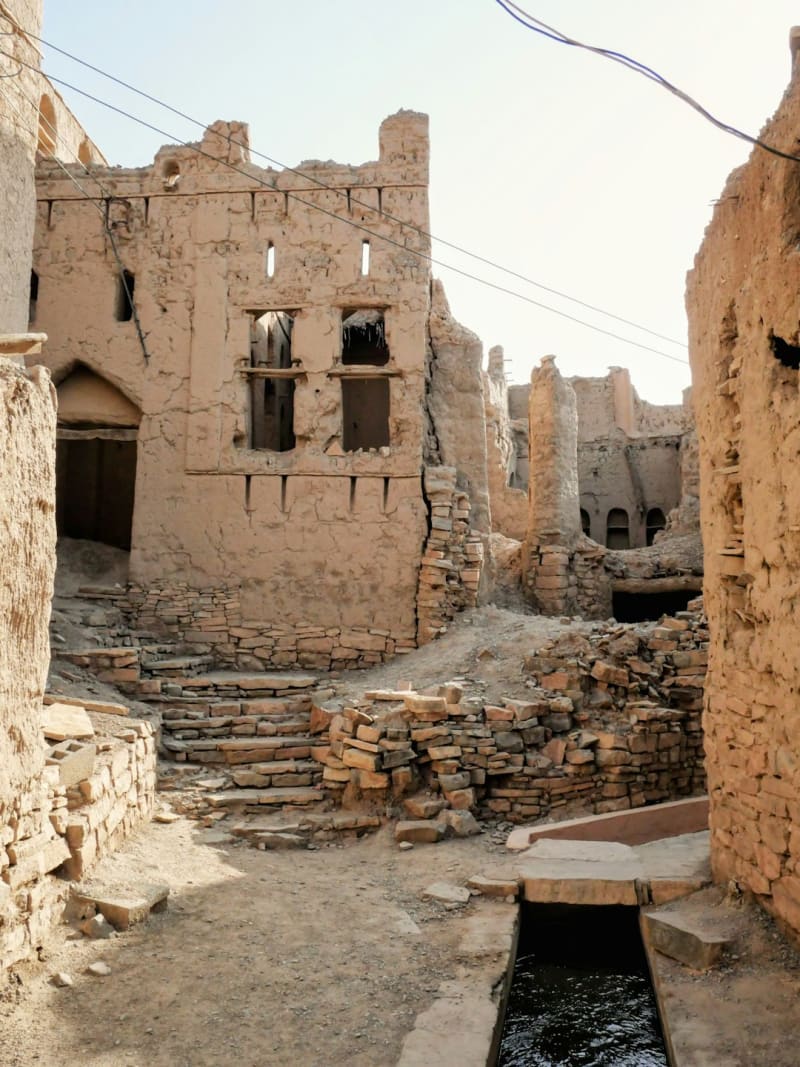 oman
oman Sadah
A working fishing port on the far Dhofar coast, and the last real outpost before the open water crossing to the Hallaniyat Islands.
Explore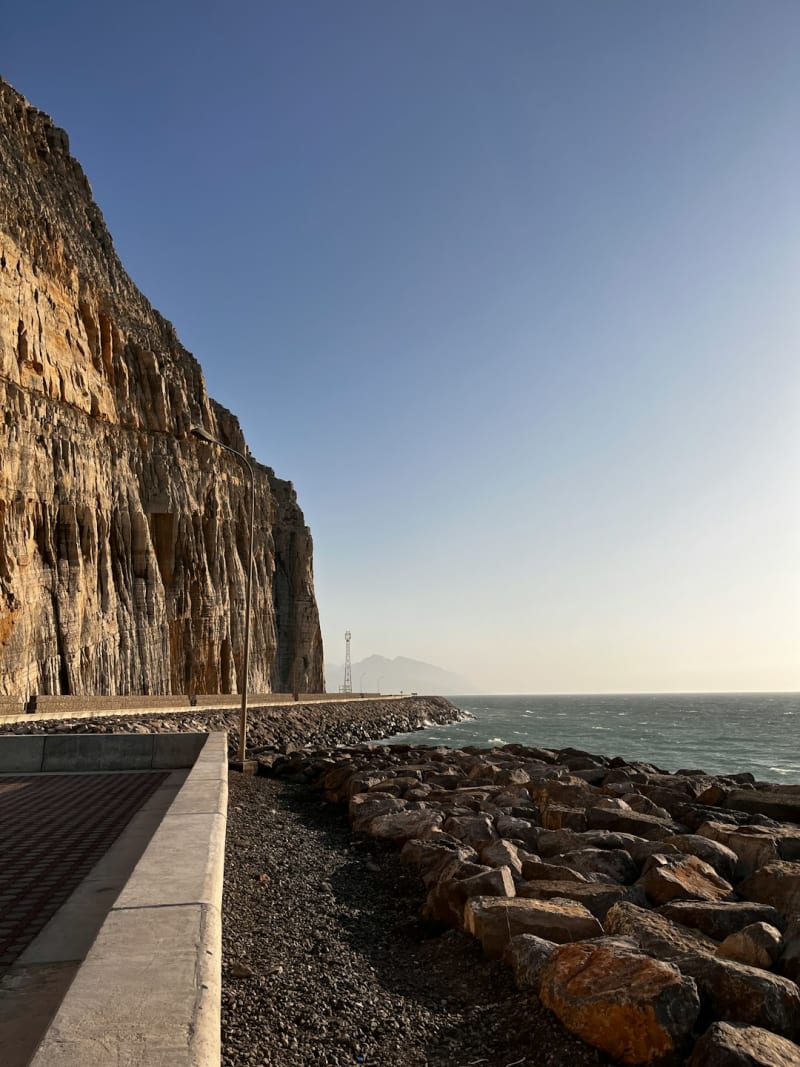 oman
oman Saham
A working Batinah fishing town with a seaside fort ruin and one of the coast's largest fish auctions, running with zero concessions to tourism.
Explore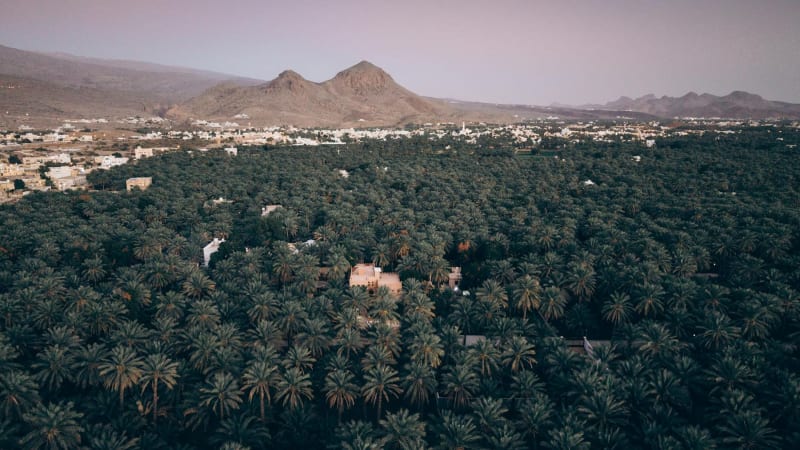 oman
oman Salalah
The city that turns tropical during the khareef — green hills, thundering waterfalls, and ancient frankincense routes.
Explore oman
oman Samail
The mountain gap town that has controlled passage between coastal Oman and the interior for over a thousand years, its fort and falaj still marking the choke point.
Explore oman
oman Shinas
A working dhow-building town at Oman's northern edge, where wooden boats are still shaped by hand a few dozen meters from the surf.
Explore