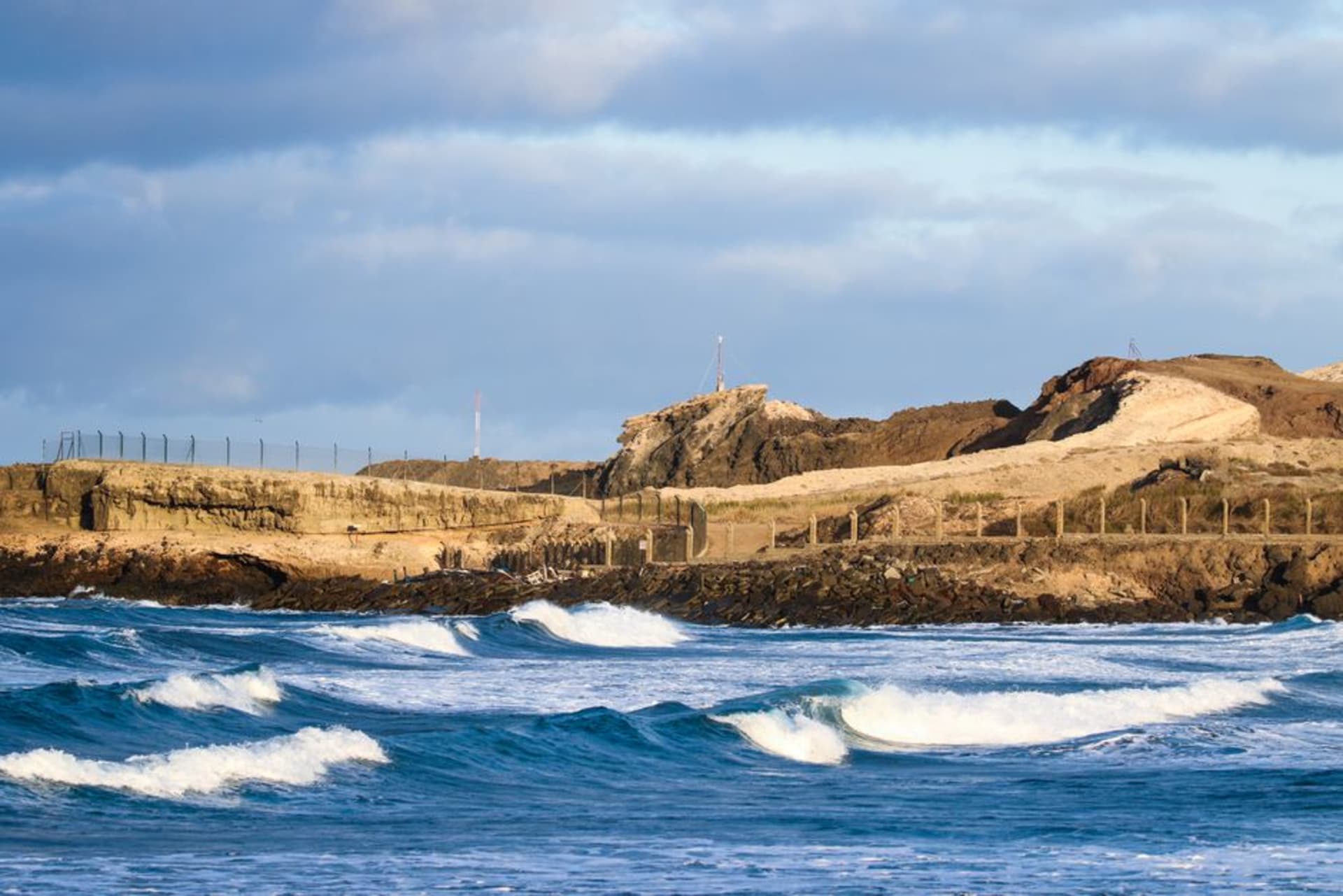
A wind-scoured island off the Sharqiyah coast where kitesurfers chase reliable summer gales and loggerhead turtles come ashore by the thousand.
Getting to Masirah takes effort, which is precisely why almost no one bothers. You drive three hours south from Muscat to the mainland port of Shannah, wait for a car ferry that runs on its own unhurried schedule, and cross forty minutes of open channel before the island’s flat, khaki-colored silhouette rises out of the haze. Lia slept through most of the crossing. I stood at the rail and watched a pod of dolphins keep pace with the boat for ten minutes, which felt like a decent welcome.
An Island Built by Wind
Masirah’s defining feature isn’t visible until you’re standing on its eastern beaches — a consistent, muscular wind that arrives every summer from June through September and turns the island into one of the world’s under-the-radar kitesurfing destinations. We were there in the shoulder season and it was still gusting hard enough to sandblast my ankles. A small, dedicated community of kitesurfers rents gear out of a couple of beach camps near the village of Hilf, and the water is shallow enough for kilometers that beginners can practice standing up.
The Turtles Come at Night
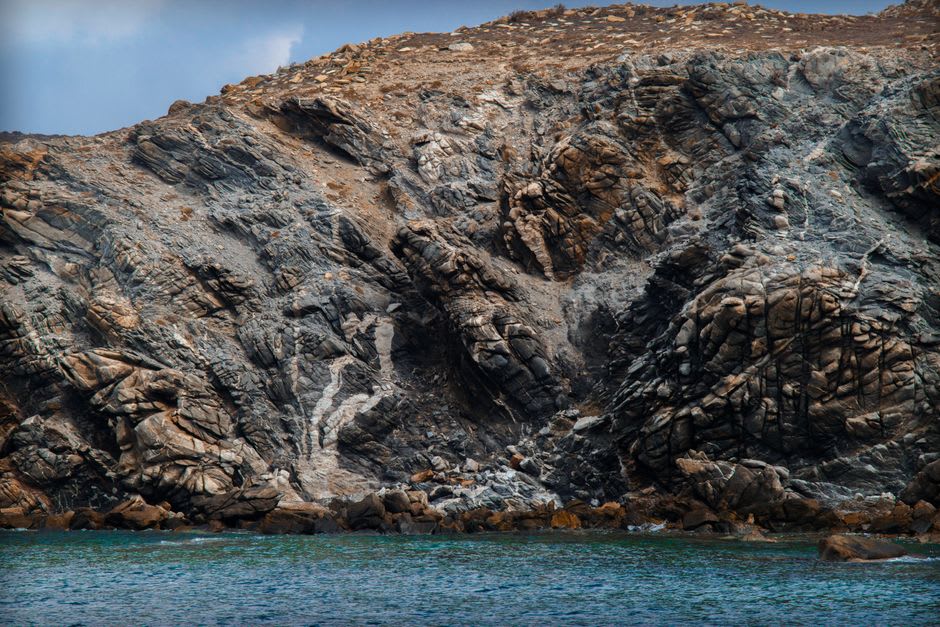
The other reason to make the crossing arrives after dark. Masirah hosts one of the largest loggerhead turtle nesting populations in the Indian Ocean, and on the island’s remote southern and eastern beaches, females haul themselves ashore through the summer months to dig nests in the sand. We joined a slow, quiet night walk with a local guide — red-filtered flashlights only, long stretches of silence — and watched a loggerhead the size of a car tire cover her eggs with slow, deliberate sweeps of her back flippers. Nobody spoke until she’d gone back to the sea.
Flat, Empty, and Fine With That
Away from the wind camps, Masirah is mostly fishing villages, salt flats, and roads that run straight to the horizon with nothing on either side. We rented a battered pickup and drove the coastal loop in an afternoon, stopping wherever a beach looked good, which was often.
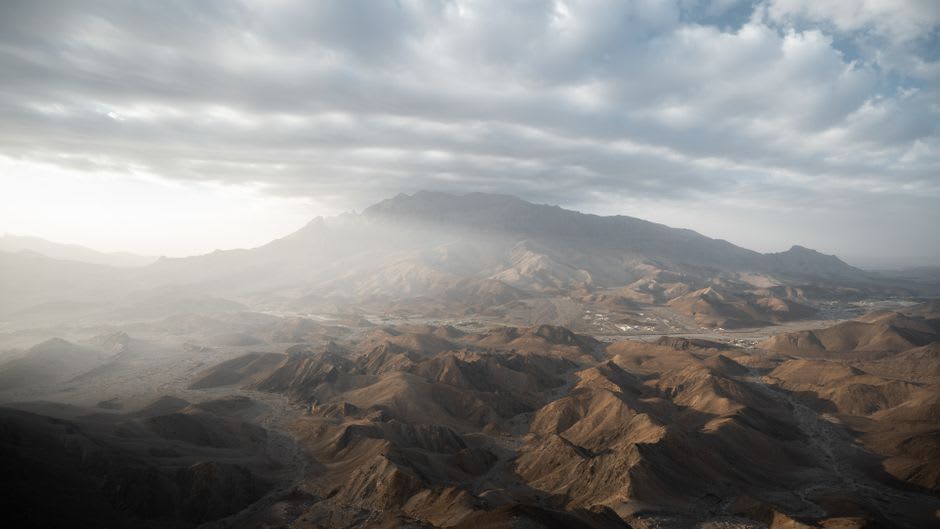
When to go: June through September for the wind and kitesurfing; July through September specifically for peak turtle nesting. Bring your own supplies — the island has limited shops.
Keep exploring
More from Oman
 oman
oman Mirbat
A former pearl-trading port with a crumbling fort, a working fish market, and one of the best diving bases on the Dhofar coast.
Explore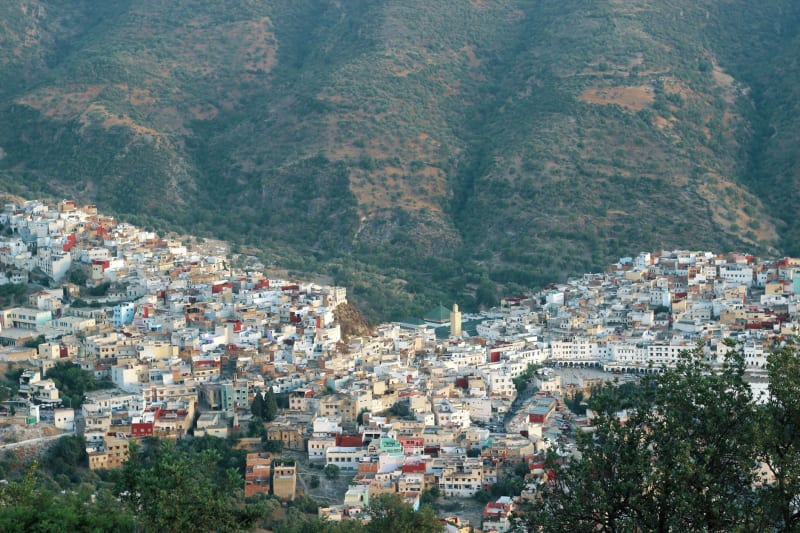 oman
oman Misfat Al Abriyeen
A mud-brick village clinging to a mountain cliff above terraced gardens watered by an ancient falaj irrigation system.
Explore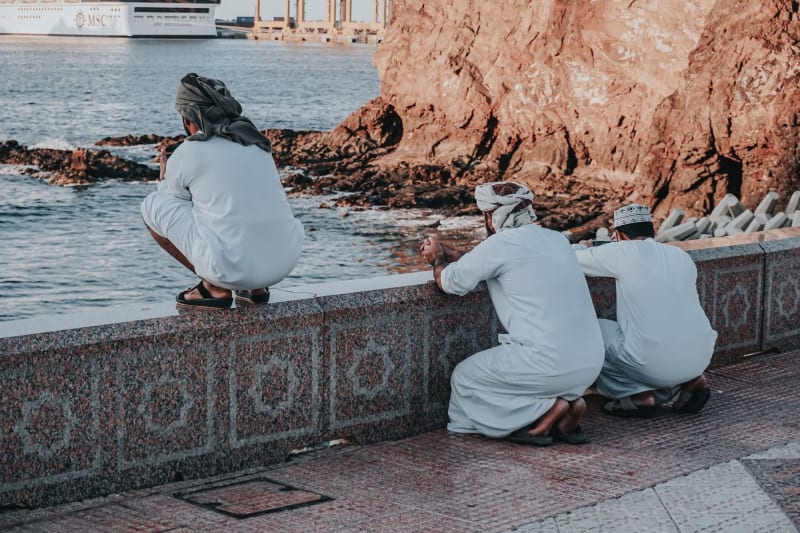 oman
oman Muscat Old Town
Whitewashed houses, a corniche-hugging harbour, and the perfume of the Muttrah souq at dusk.
Explore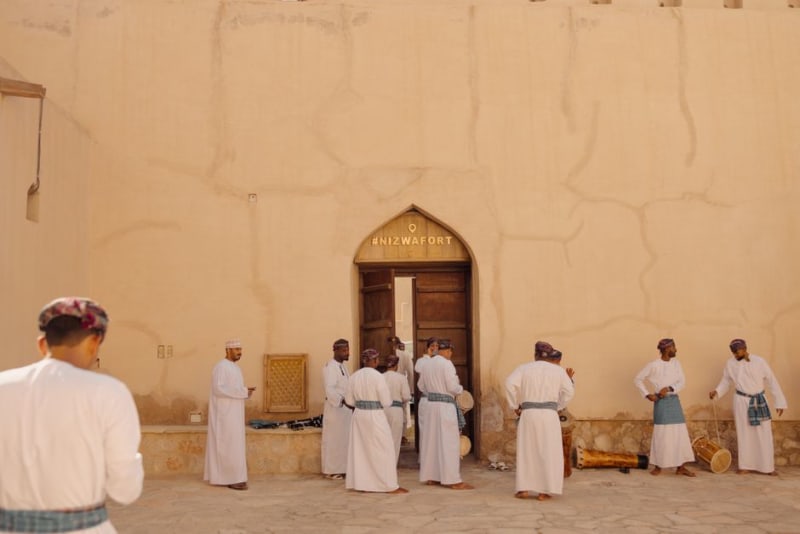 oman
oman Nakhal
A hilltop fort guarding date palm oases, and hot springs where locals soak year-round in water that never cools.
Explore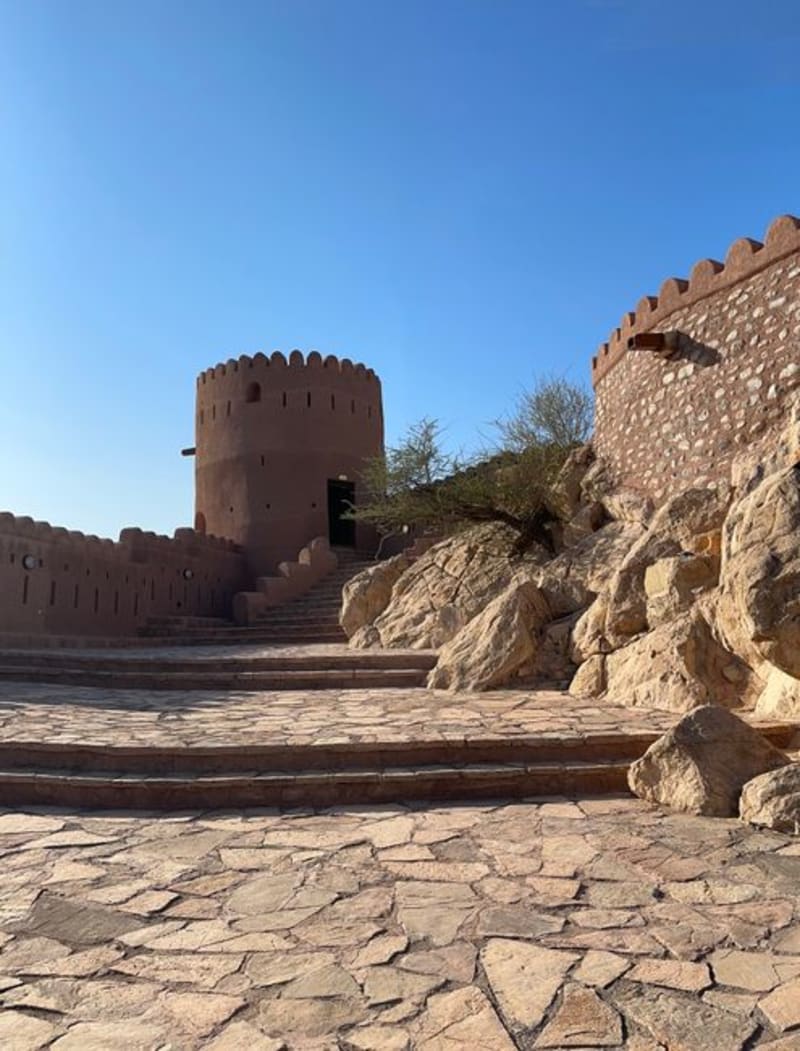 oman
oman Nakhal Fort
A dramatically restored fort perched on a rocky outcrop at the foot of the Al Hajar mountains, paired with a hot spring where locals soak within earshot of the falaj.
Explore oman
oman Nizwa
Oman's ancient capital, home to a magnificent round fort and a Friday souq where goats and silver are traded.
Explore