Ibri Fort
"The fort every guidebook forgets to mention, right in the middle of a working town."
A recently restored fort in the heart of Ad Dhahirah region, overlooked by nearly every itinerary that fixates on Nizwa and Bahla, and better for it.
Ibri kept coming up as a place to pass through rather than stop in, a fuel stop on the way to Bat or the road toward the UAE border. I stopped anyway, mostly because I’d read that its fort had been restored fairly recently and I wanted to see what Omani restoration work looked like when it wasn’t also fielding busloads of tour groups. It turned out to be one of the more peaceful forts I visited anywhere in the country.
A Fort Hiding in Plain Sight
Unlike Nizwa or Bahla, which sit as obvious centerpieces of their towns, Ibri Fort is tucked into the middle of a modern residential and commercial district, its stone walls rising unexpectedly between apartment blocks and a busy roundabout. I nearly missed the entrance because I was looking for the kind of dramatic approach other Omani forts have trained me to expect, and instead found myself parking next to a grocery store and walking through a fairly unassuming gate.
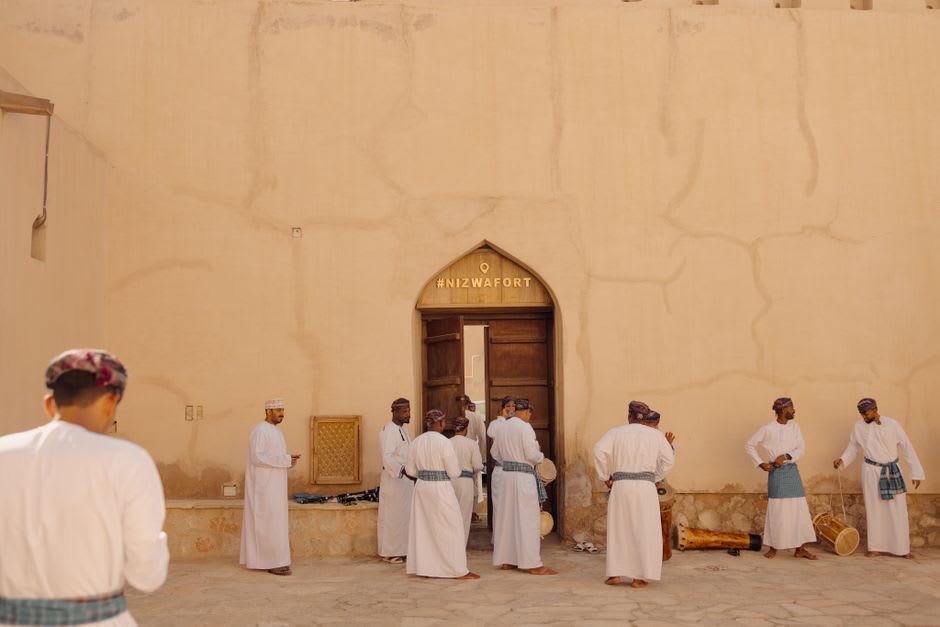
Inside, though, the scale surprises you. The complex actually includes several structures built across different centuries — the oldest sections reportedly pre-Islamic, with later Ya’rubi and Al Said dynasty additions layered on top. Wandering the upper walls, I had an entire fortification essentially to myself on a weekday morning, which let me actually stop and look rather than shuffle through with a crowd.
The View the Guidebooks Skip
From the highest accessible tower, Ibri spreads out in a way that made the town’s ordinariness suddenly make sense — a modern settlement built directly around and through a defensive structure that used to control access to the Dhahirah plains and the routes toward the interior oases. A guard stationed near the entrance, delighted that anyone had bothered to ask questions, walked me through the different construction phases with a level of enthusiasm that made it clear he didn’t get many visitors curious enough to listen.
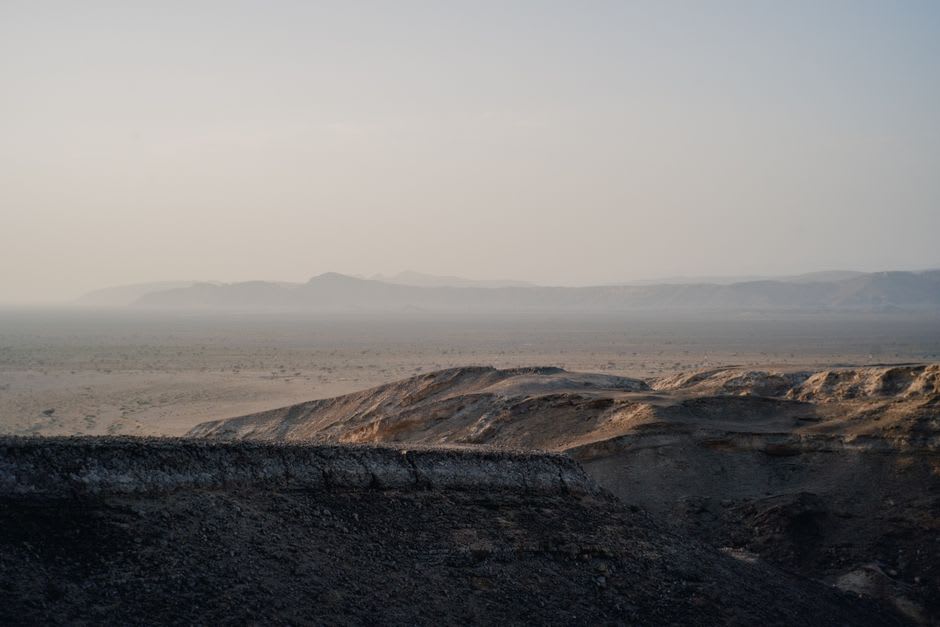
I left with the distinct sense that Ibri Fort exists in a strange gap — too significant to ignore entirely, too undramatic in its setting to make anyone’s must-see list. That gap is precisely why it was worth the detour.
When to go: October through April. The fort has minimal shade, so aim for morning visits before the heat sets in over the exposed stone walkways.
Keep exploring
More from Oman
 oman
oman Izki
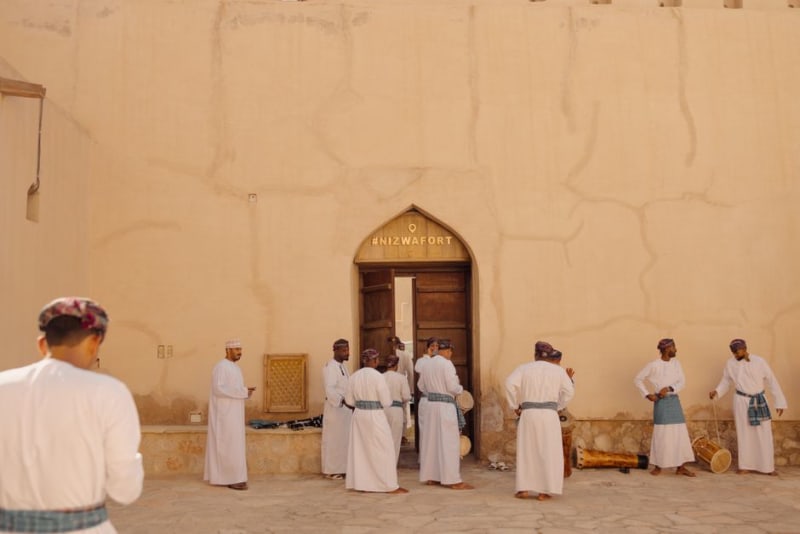
Reputedly one of the oldest continuously inhabited towns in Arabia, its ancient quarter of Al Manakh built directly against a rock outcrop above a working falaj oasis.
Explore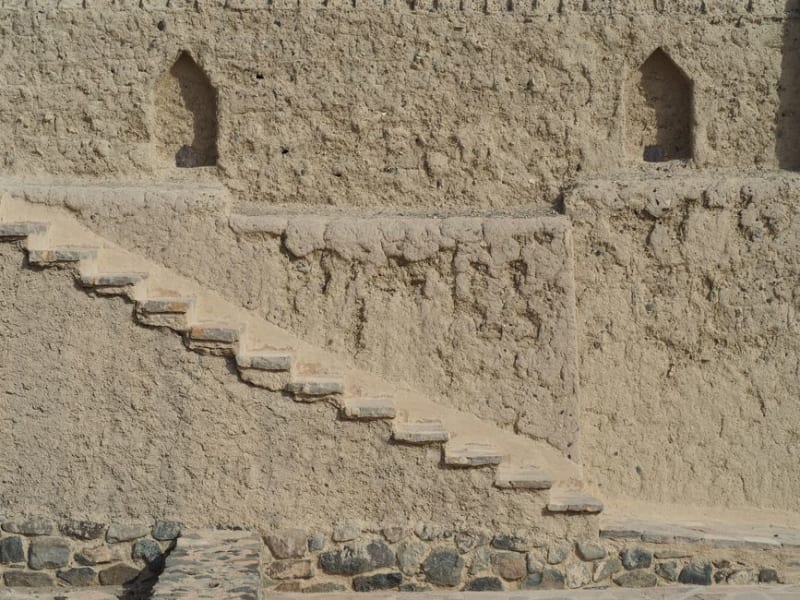 oman
oman Jabrin Castle
A 17th-century Ya'arubi palace-fortress famous not for its walls but for what's inside them — painted ceilings, a hidden library, and a falaj channel running straight through the building.
Explore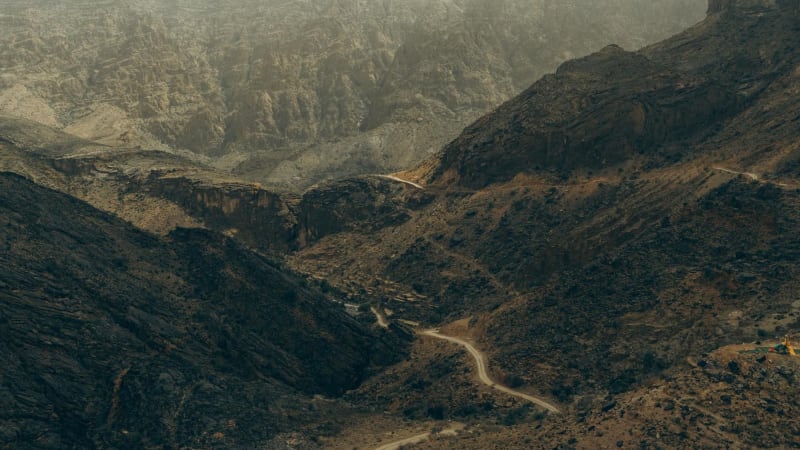 oman
oman Jebel Akhdar
The 'Green Mountain' towering above Oman's heat — rose farms, cool air, and ancient terraced villages.
Explore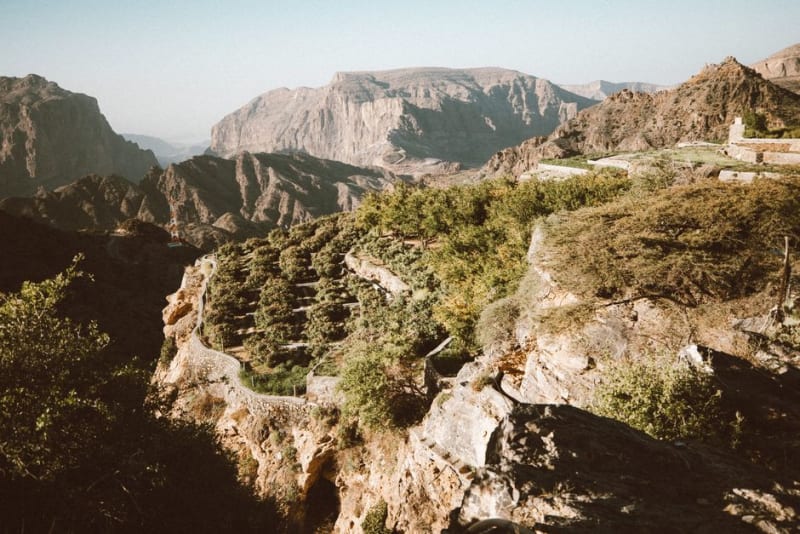 oman
oman Jebel Misht
A serrated limestone massif rising from the desert plain, uplifted from an ancient seabed and considered one of Oman's great scrambling and climbing objectives.
Explore oman
oman Jebel Samhan
A vast escarpment nature reserve above Mirbat where the plateau drops a kilometer straight down and Arabian leopards still roam, rarely seen.
Explore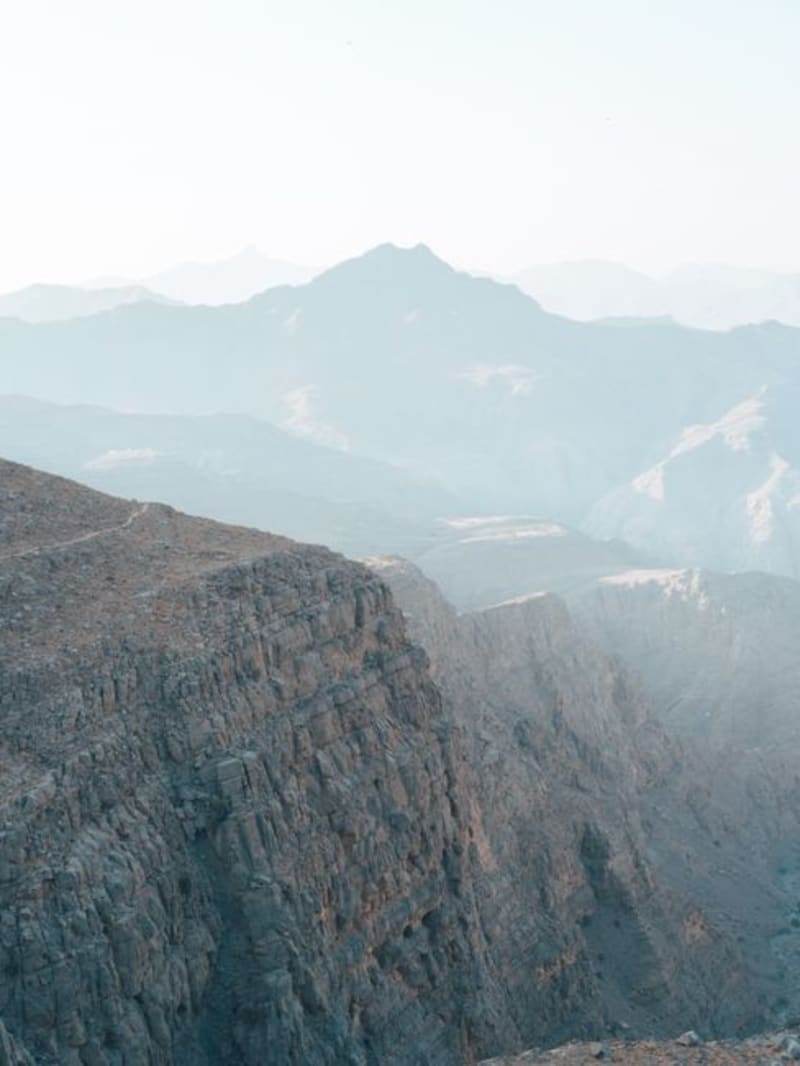 oman
oman Jebel Shams
Oman's highest peak and the rim of Wadi Ghul, the 'Grand Canyon of Arabia' — a mile-deep gash in the Al Hajar range.
Explore