Al Hazm Fort
"An 18th-century engineering flex that most visitors to Oman never even hear about."
A fortress built without a single supporting pillar in its main hall, hidden in plain sight in the quiet Batinah town of As Suwayq.
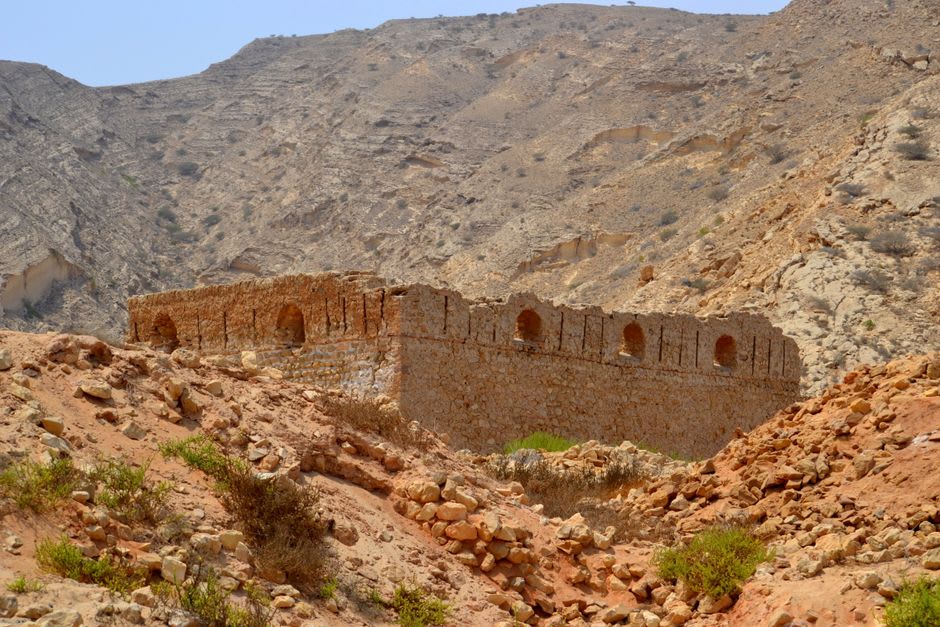
Al Hazm Fort was the one stop on our Batinah loop that nobody we spoke to in Muscat had actually visited themselves, which is exactly the kind of recommendation that gets my attention. It sits in As Suwayq, a modest coastal town most people drive through on the way to somewhere else, and it turned out to be one of the best-preserved forts we saw anywhere in the country.
An Engineering Trick That Still Works
The fort was built in the early 18th century by Imam Sultan bin Saif II, and its signature feature is a vast reception hall with a roof spanning the entire room without a single interior pillar holding it up — a genuinely unusual feat for the period, achieved with a system of embedded wooden beams and load-bearing walls thick enough to make the room feel more like a cave than a chamber. Standing in the middle of that empty hall, looking up at an unbroken ceiling, I understood why this fort gets mentioned by architecture nerds even when it’s skipped by everyone else.
Tombs, Tunnels, and a Town That Moved On
The fort also holds the tombs of Imam Sultan bin Saif II and his son, tucked into a side room that the caretaker unlocked for us without being asked, seemingly pleased that someone wanted to see it. There’s a rumored tunnel connecting the fort to the sea, built for escape or resupply during a siege — we couldn’t verify it ourselves, but the caretaker pointed toward a sealed passage near the base of one tower and swore it led there.
Outside, As Suwayq carries on as an ordinary Batinah fishing and farming town, entirely indifferent to the fact that one of Oman’s architectural curiosities sits at its edge.
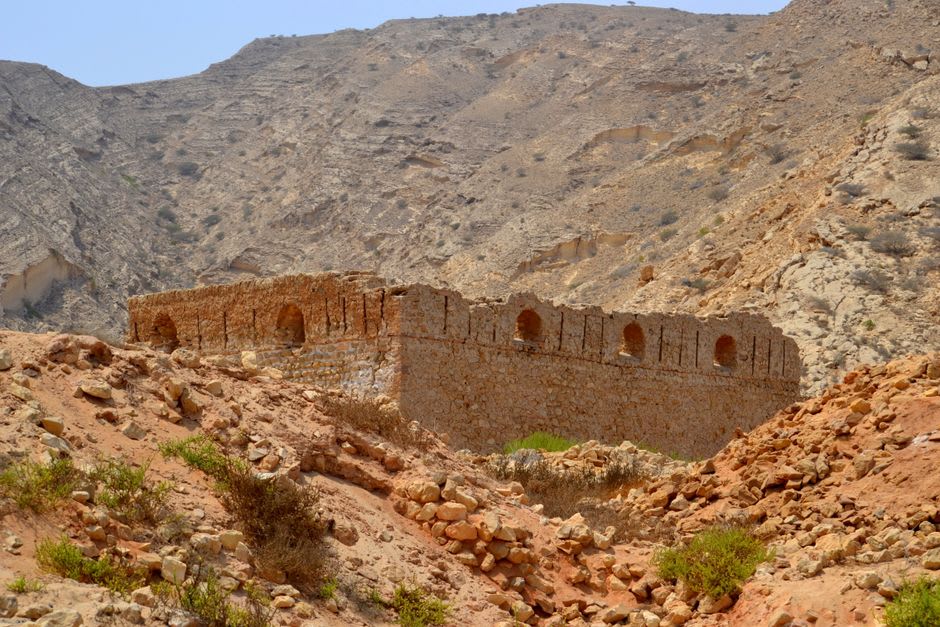
When to go: October through April, in the morning before the heat builds — the fort has limited shade and no facilities nearby. It pairs easily with a stop in Al Rustaq or Nakhal on a loop through the Batinah interior.
Keep exploring
More from Oman
 oman
oman Al Hoota Cave
A vast limestone cave system beneath Jebel Nakhal, with an underground lake, blind fish found nowhere else on earth, and a small train to get you there.
Explore oman
oman Al Jazir
A remote fishing village on Dhofar's eastern coast where lobster boats outnumber cars and the Arabian Sea does most of the talking.
Explore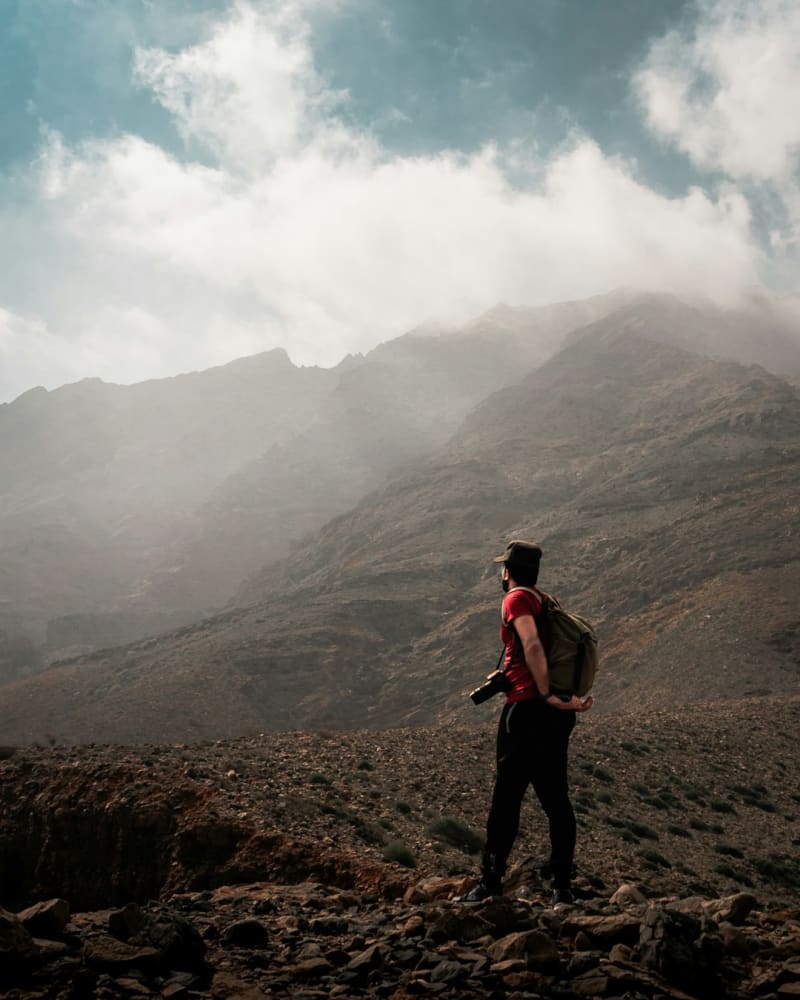 oman
oman Al Khaburah
The Batinah town best known for halwa production, dhow-lined beaches, and a fort slowly being reclaimed by the coastline around it.
Explore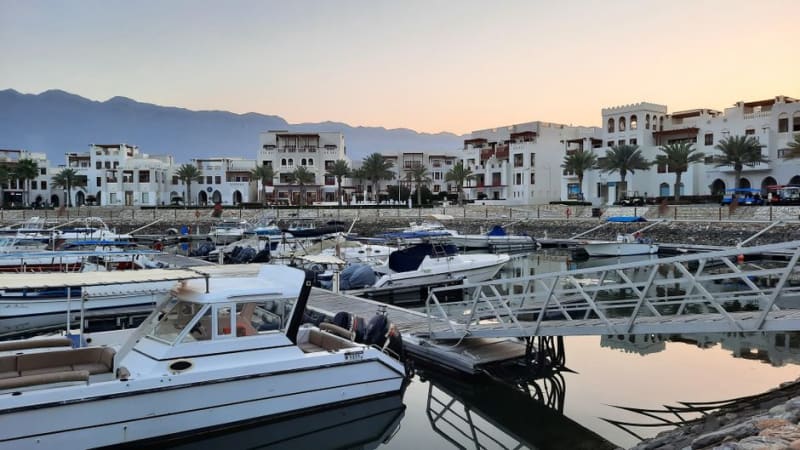 oman
oman Al Mouj Marina
Muscat's newest waterfront — yachts, waterside cafes, and a glimpse of the Gulf-style city Oman deliberately chose not to become everywhere else.
Explore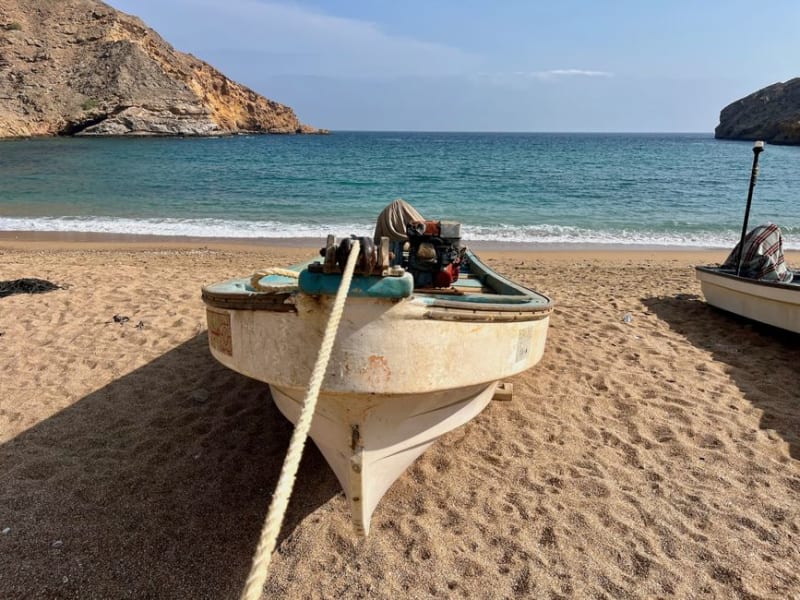 oman
oman Al Mudayrib
A fortified caravan town on the old route to the interior, its watchtowers and mud-brick core still standing guard over a settlement most travelers drive straight past.
Explore oman
oman Al Mughsail Beach
A wide, wild beach west of Salalah where sea caves blast columns of water into the air and the mountains drop straight into the surf.
Explore