A 400-year-old mud-brick town at the foot of the Al Hajar mountains, where two-story merchant houses stand empty and unlocked, waiting for nobody in particular.
Al Hamra is the last town before the road climbs toward Misfat Al Abriyeen and the Jebel Shams turnoff, and most people treat it exactly that way — a fuel stop, a right turn, nothing more. I’d done the same thing myself on an earlier trip through the region before Lia pointed out, on our second pass through, that the old quarter sitting a few streets back from the main road was worth more than the ninety seconds we’d been giving it.
Houses With No One Home
What makes Al Hamra strange is how complete the old town still is. Sometime in the last several decades, most residents moved into new concrete houses built a short distance away — better plumbing, better wiring, all the reasonable things — and simply left the mud-brick quarter standing. Not demolished, not converted into a museum, just vacated. We walked through two-story merchant houses from the 17th and 18th centuries with their wooden window lattices still intact, doors unlocked or missing entirely, floors gritty with blown sand and pigeon droppings, and not another visitor in sight.
One house had a ceiling still supported by its original palm-trunk beams, blackened with age, and a stairwell so narrow I had to turn my shoulders to climb it. Lia found a room upstairs with a decorative plaster niche carved into the wall — for oil lamps, probably, or small household items — untouched, ornamental, entirely purposeless now except to whoever happens to walk in and look up.
Bait Al Safah
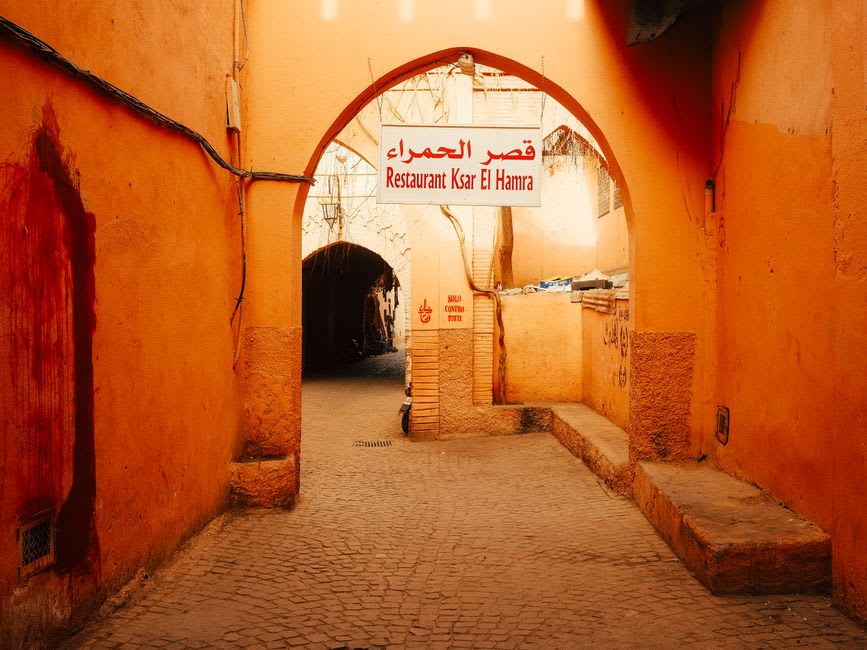
One house in the old quarter has been kept properly alive rather than merely standing — Bait Al Safah, a restored merchant home run as a living museum by local women, who demonstrate bread-making, coffee-roasting, and traditional weaving in rooms set up more or less as they would have looked a century ago. It would be easy to dismiss this as staged, and in a narrow sense it is. But the women running it are locals, not actors, and the coffee they poured us — thick with cardamom, served with dates so sticky they’d fused together in the bowl — was simply good coffee, made the way it’s always been made here, whether anyone was watching or not.
What the Silence Does
What stayed with me about Al Hamra wasn’t any single house but the accumulated effect of walking through dozens of them, an entire town’s worth of abandoned domestic detail — a doorframe worn smooth by hands, a kitchen hearth still stained with soot, a courtyard with a dead lemon tree still standing in it. Misfat gets the falaj and the terraces and the postcard views. Al Hamra gets almost no one, and what it offers instead is quieter and, I found, harder to shake off.
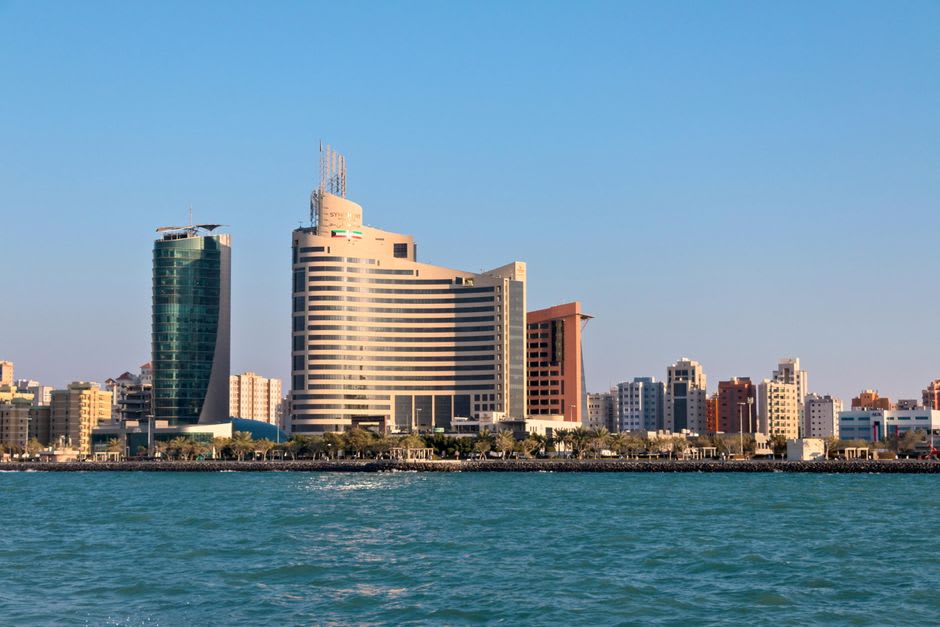
When to go: Year-round, since most of the visit is indoors or in shaded lanes, though October to March remains more comfortable for the walk between houses. Late afternoon light through the window lattices is worth timing for.
Keep exploring
More from Oman
 oman
oman Al Hazm Fort
A fortress built without a single supporting pillar in its main hall, hidden in plain sight in the quiet Batinah town of As Suwayq.
Explore oman
oman Al Hoota Cave
A vast limestone cave system beneath Jebel Nakhal, with an underground lake, blind fish found nowhere else on earth, and a small train to get you there.
Explore oman
oman Al Jazir
A remote fishing village on Dhofar's eastern coast where lobster boats outnumber cars and the Arabian Sea does most of the talking.
Explore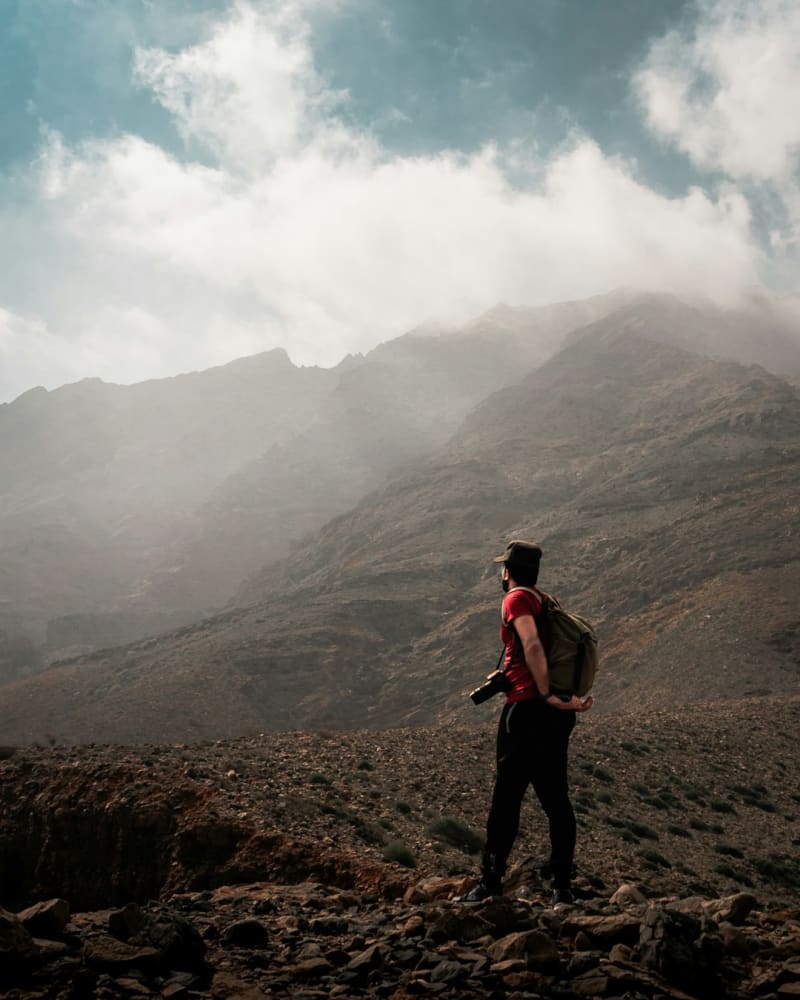 oman
oman Al Khaburah
The Batinah town best known for halwa production, dhow-lined beaches, and a fort slowly being reclaimed by the coastline around it.
Explore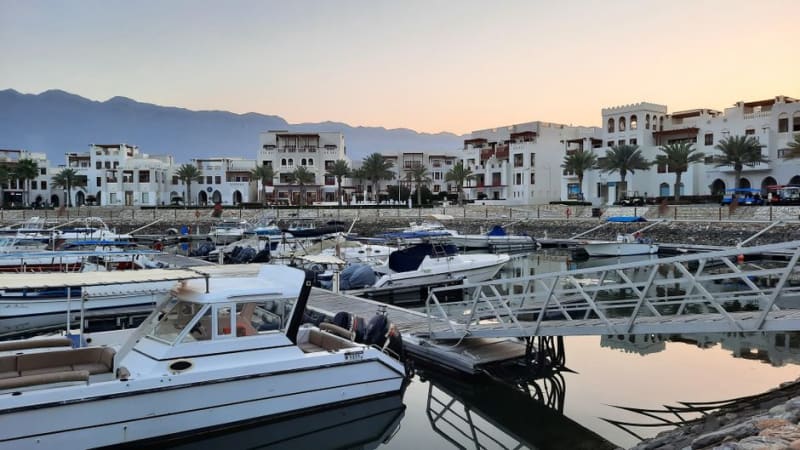 oman
oman Al Mouj Marina
Muscat's newest waterfront — yachts, waterside cafes, and a glimpse of the Gulf-style city Oman deliberately chose not to become everywhere else.
Explore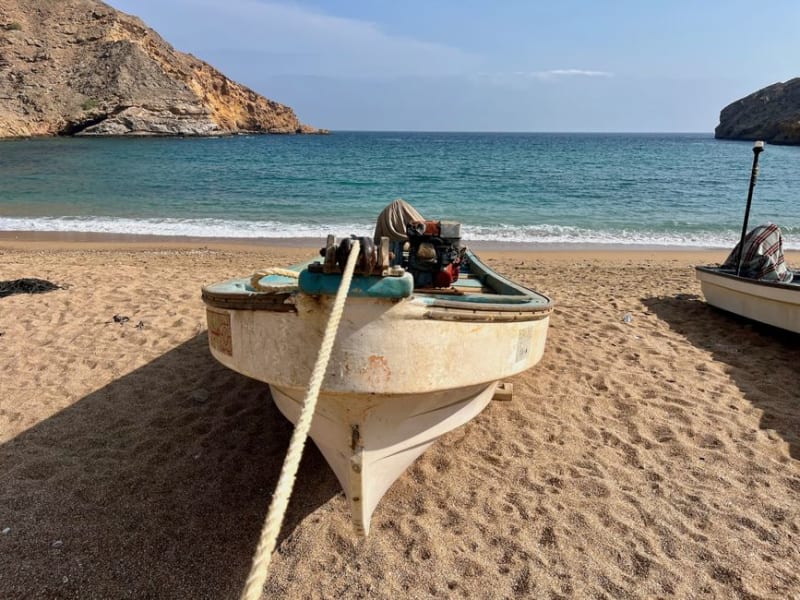 oman
oman Al Mudayrib
A fortified caravan town on the old route to the interior, its watchtowers and mud-brick core still standing guard over a settlement most travelers drive straight past.
Explore