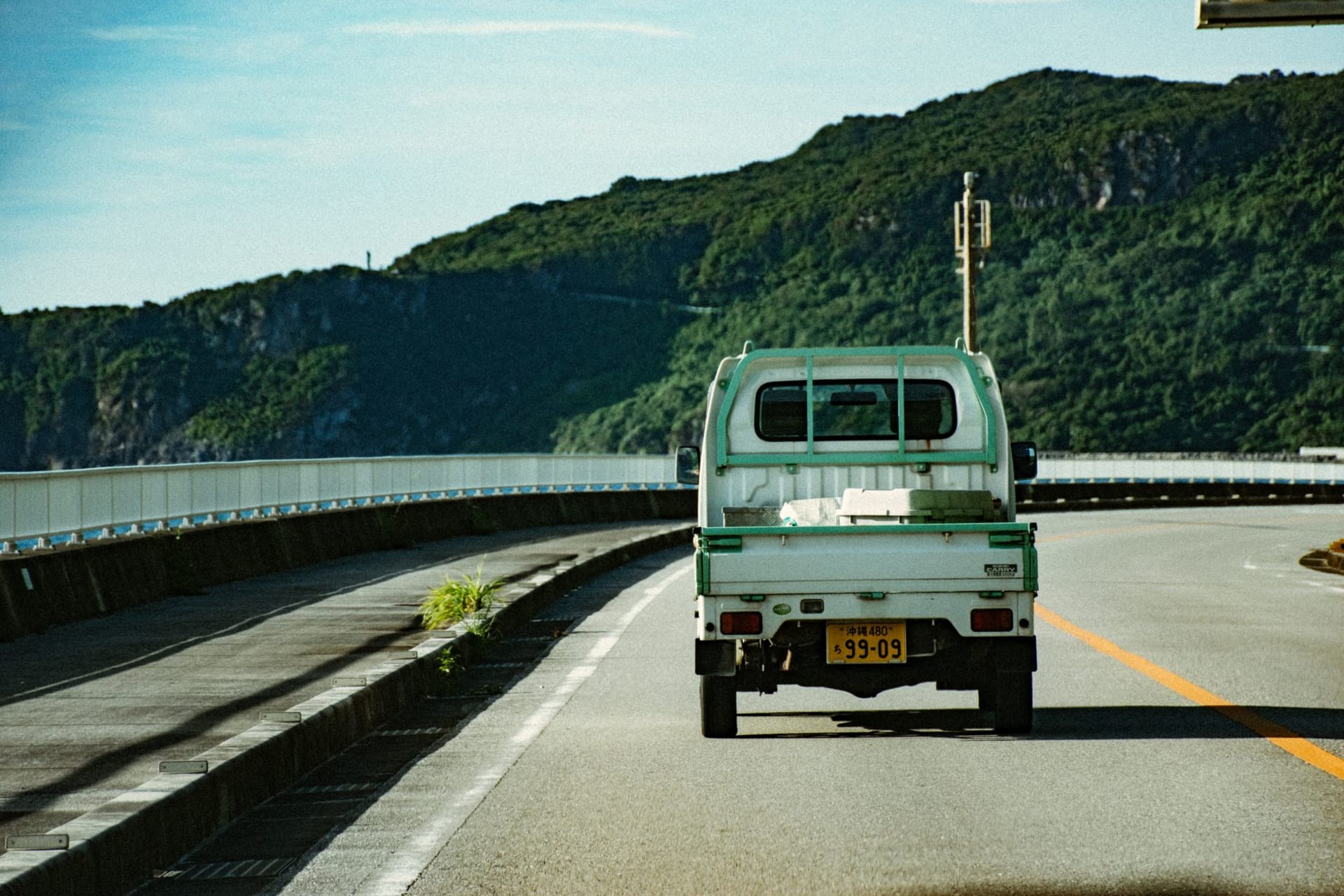
Taketomi Island
"The water buffalo set the pace, and the cart driver played sanshin, and I stopped checking the time."
The ferry from Ishigaki takes about ten minutes, which is barely long enough to settle into a seat, and then you’re on Taketomi — an island so small you can cycle its perimeter in an afternoon with stops for swimming. It belongs to the Yaeyama Islands, the southwesternmost cluster of Japan, closer to Taiwan than to Okinawa’s main island, and it has done something most places fail at: it protected itself from itself. The single village in the island’s centre is governed by a community charter that has, for decades, forbidden the sale of land to outsiders and mandated that buildings keep their traditional form. The result is the most complete surviving Ryukyuan village I’ve seen.
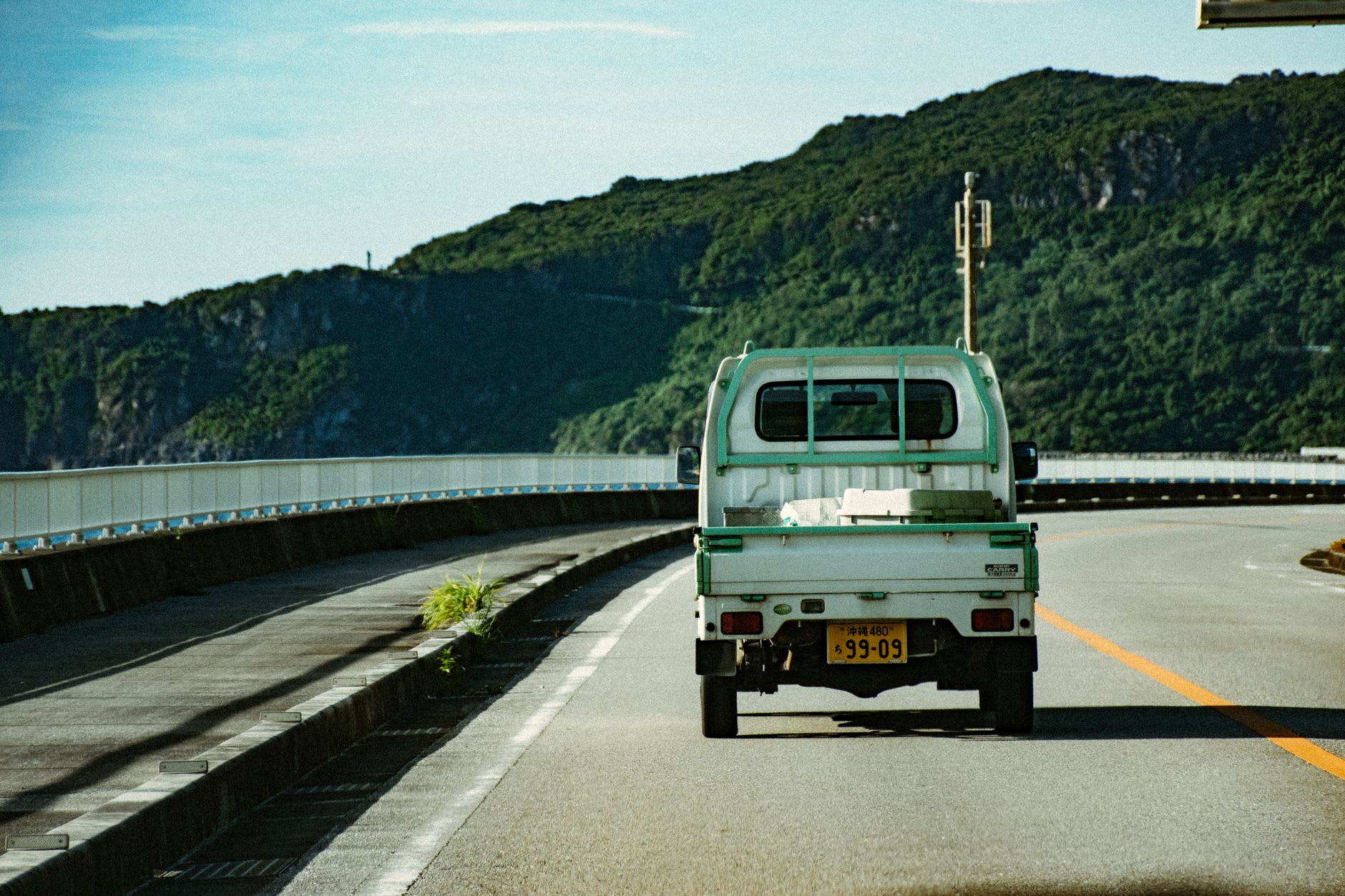
The village that decided not to change
Walking the lanes, you understand what the charter has preserved. The houses are single-storey, low against the typhoons, with roofs of red clay tiles set in white plaster and topped with shisa — the lion-dog guardians that sit on every ridge, each one slightly different because they’re hand-made. The walls are dry-stacked coral stone. The lanes between them are raked white sand, and someone rakes them, every morning, which I found out because I was up early and watched an elderly woman doing exactly that outside her gate. There are no convenience stores, no traffic lights, no concrete apartment blocks. Lia, who grows impatient in museum-villages that feel staged, kept stopping mid-sentence here, because it isn’t staged — people live in these houses, and the upkeep is the daily life, not a performance for the ferry crowd.
The island’s signature is the water-buffalo cart. A driver leads a single enormous buffalo at a pace it sets entirely on its own, narrating the village and playing sanshin, the three-stringed Okinawan lute, and the buffalo stops whenever it wants to and no one argues. We took the cart not expecting much and I ended up moved by it — the music, the slowness, the animal’s complete indifference to our schedule.
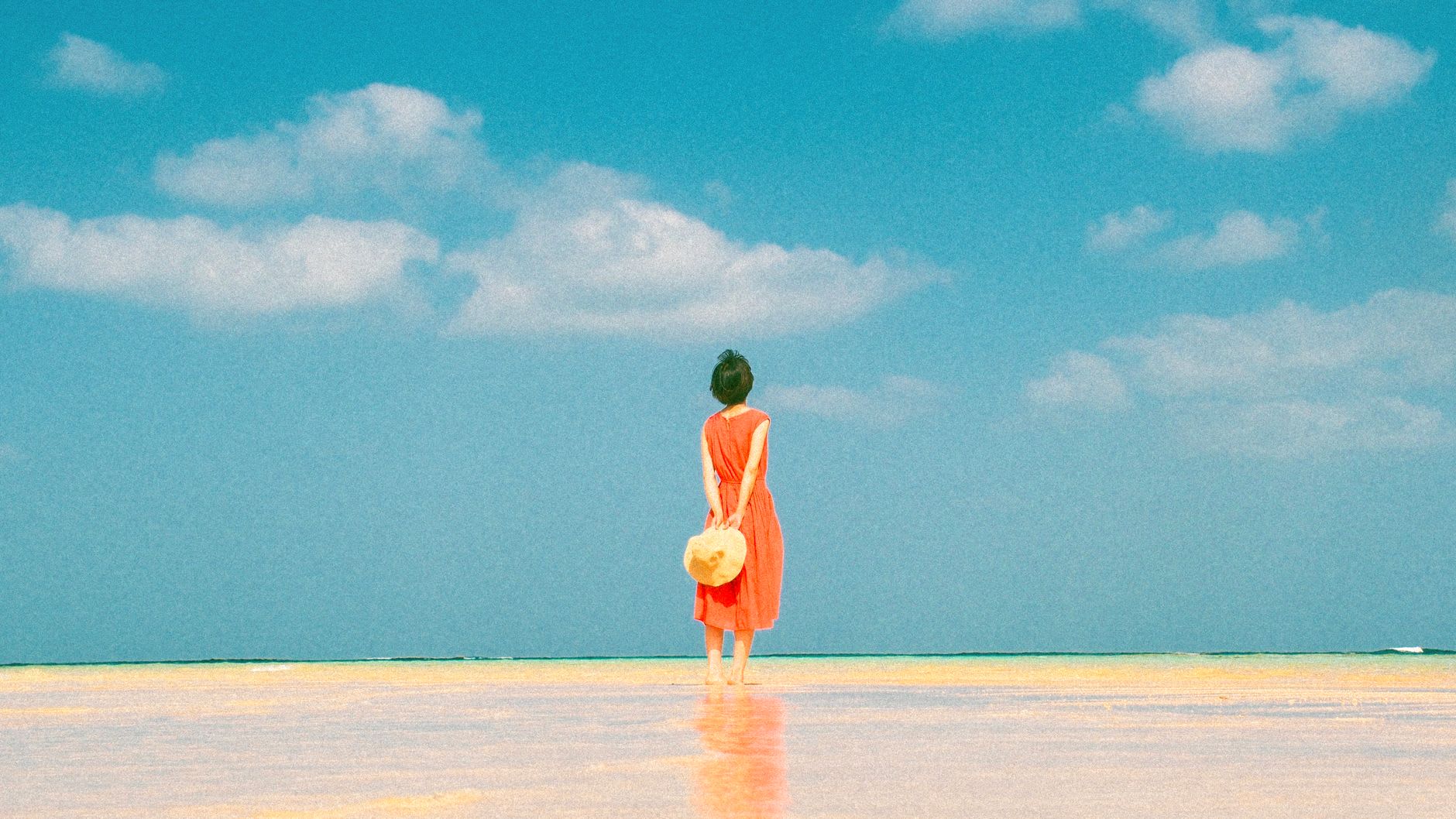
Star sand and a quiet coast
On the west and south coasts the village gives way to beaches, and one of them — Kaiji Beach — is famous for hoshizuna, star sand, which is not sand at all but the tiny calcified shells of single-celled organisms, shaped like five-pointed stars. You press a wet palm into the sand and lift it, and the stars stick to your skin. It’s the kind of natural curiosity that sounds twee and turns out to be genuinely strange and lovely. Kondoi Beach nearby has the swimmable water, shallow and warm and impossibly clear.
Stay overnight if you can. Most visitors come on the day ferry and leave by late afternoon, and the island after the last boat is a different place — quiet, lamp-lit, the stars out hard because there’s so little light, and the only sound the wind in the fukugi windbreak trees.
When to go: April to June, before the worst humidity and the summer crowds, when the water is warm enough to swim and the village is calm. October and November are also excellent once the typhoon risk eases. Midsummer is hot, bright, and busy with domestic holidaymakers.