Asia
Okinawa
"This is Japan, but softer — salt air instead of cedar, awamori instead of sake."
I arrived in Naha expecting a tropical version of everywhere else I’d been in Japan. I was wrong, and pleasantly so. Okinawa doesn’t feel like a southern outpost of the mainland — it feels like its own country, one that was absorbed into Japan only relatively recently and hasn’t entirely forgotten that fact. The Ryukyuan kingdom left its fingerprints everywhere: on Shuri Castle’s Chinese-influenced red lacquer gates, on the sanshin three-stringed lute drifting from open shopfronts in Kokusai-dori, on the food, which owes as much to Southeast Asia and China as it does to Tokyo. The pork is braised slowly in awamori and brown sugar until it collapses. The champuru — bitter melon stir-fried with tofu and egg — is as far from a bento box as you can get without leaving the country.
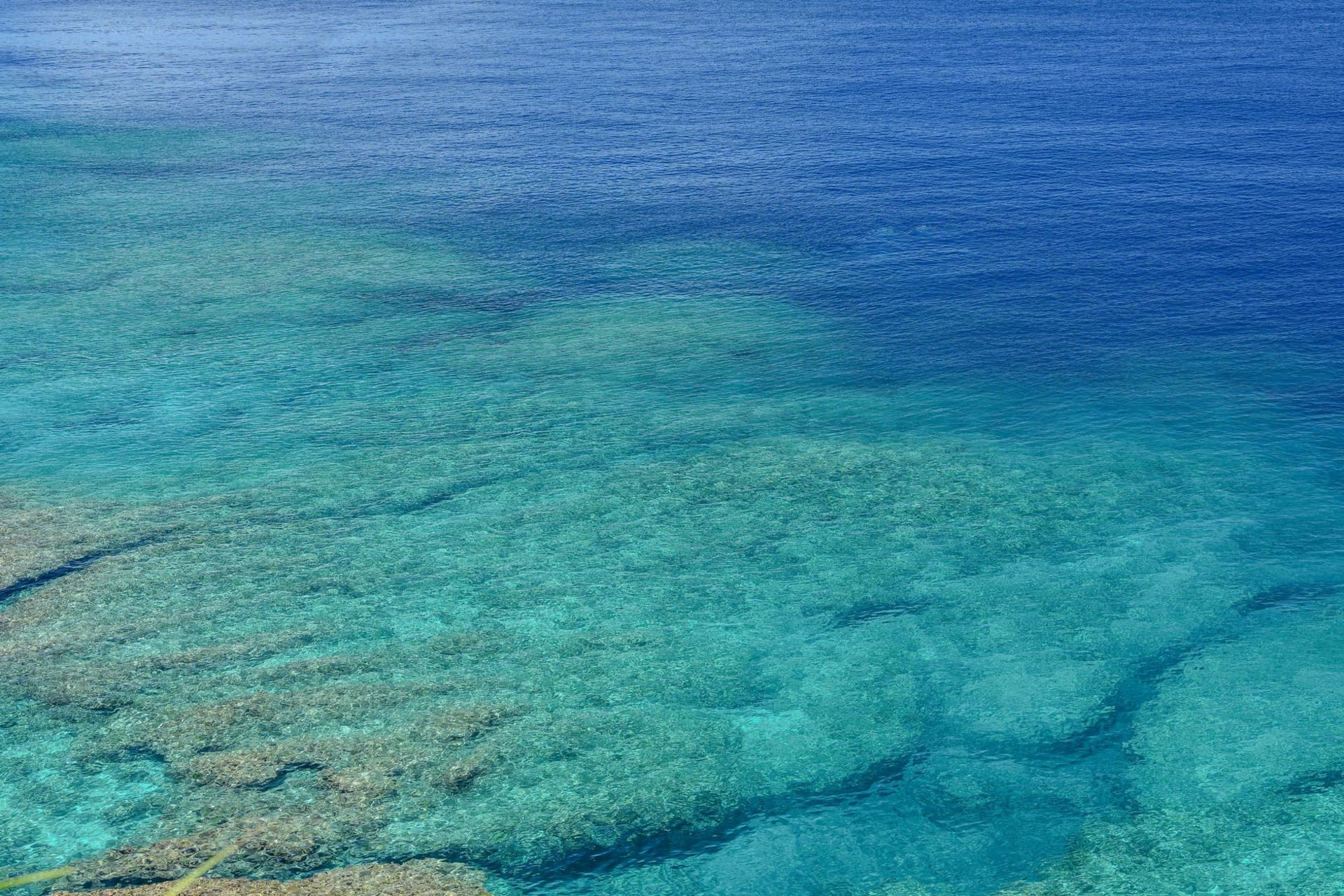
What surprised me most was the water. I’d heard it was beautiful, but hearing and standing on the edge of the Kerama Islands are two different things. The coral formations off Zamami-jima are alive in a way that coastal ecosystems rarely are anymore — parrotfish, sea turtles, fluorescent reef fish darting through elkhorn coral. I spent an entire morning snorkeling off a beach I reached by a ten-minute ferry ride, and I can tell you with confidence that it is among the most beautiful water I have ever been in. And I live in Mexico, so I’m not easy to impress on that front.
The pace is slower here than anywhere else in Japan, which is already a slow country by global standards. Okinawans have the highest life expectancy in the world, and you can feel why — there is no rush, no performance of urgency. Old men play shogi under banyan trees. The markets in Makishi close when they close.
When to go: May through June for calm seas and warm water before the peak summer crowds. October and November are ideal — typhoon season has passed, water is still bathable, and the island empties of domestic tourists. Avoid August: it’s school holiday season for mainland Japan, and the Keramas fill up fast.
What most guides get wrong: They treat Okinawa as a beach destination with some cultural sights tacked on. It’s the opposite. The history here — the Battle of Okinawa, the Ryukyuan kingdom, the ongoing American military presence — is dense and important, and the beaches are the reward for engaging with it. Visit the Peace Memorial Museum in Itoman before you go snorkeling. It will make the water taste different.