Miyako-jima
"The sea at Yonaha is so clear that standing in it to your knees feels like a transparency trick."
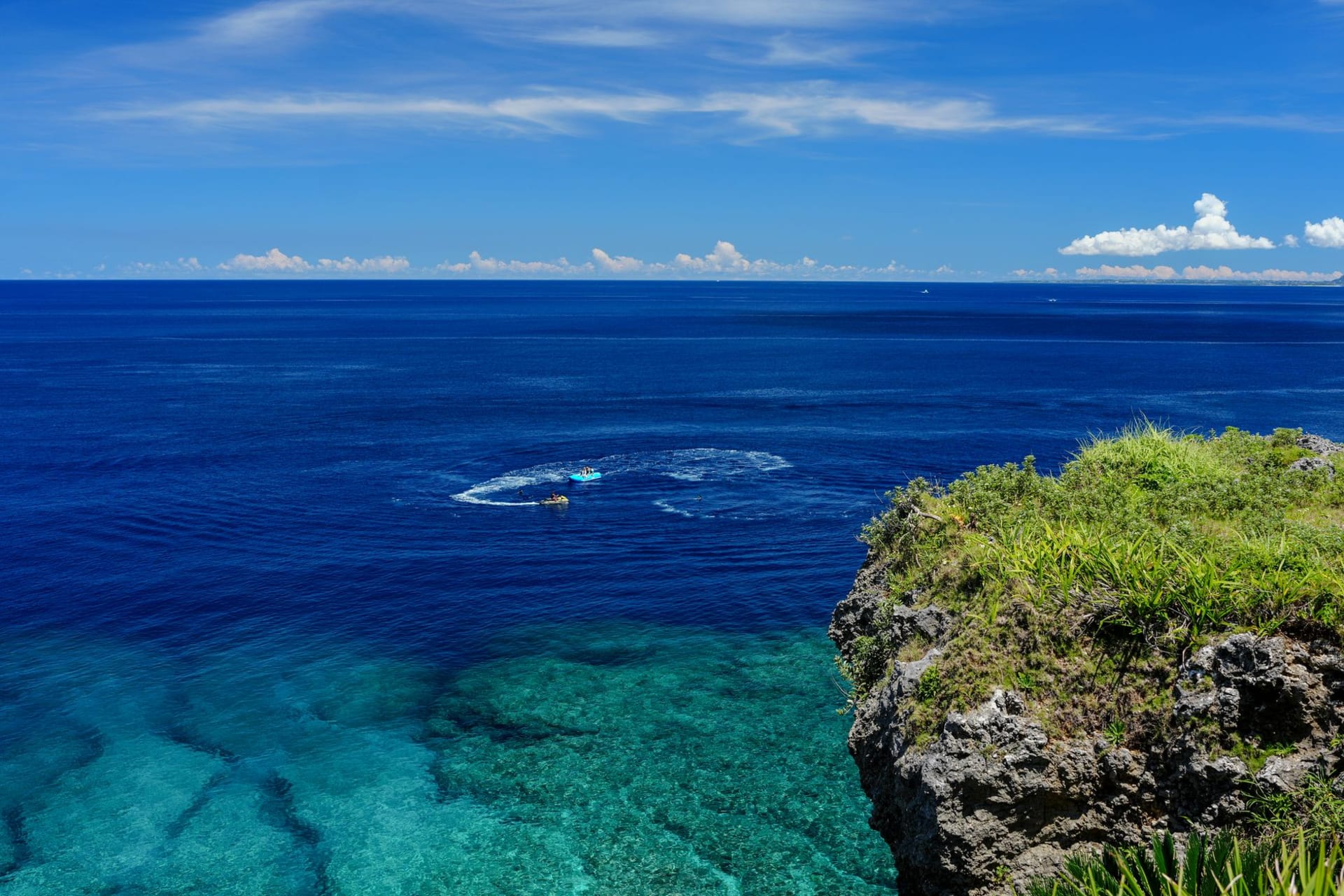
Miyako-jima doesn’t have mountains. That’s the first thing you notice arriving by plane — the island is flat, covered in sugar cane, and almost completely without the dramatic topography that dominates the northern Okinawan islands. What it has instead is the water. Yonaha Maehama on the island’s southwest coast is consistently ranked among Japan’s best beaches, and standing there I understood why: the sand is white-white and fine-grained, and the water graduates from transparent to pale aquamarine to deep turquoise in a way that makes you feel the island was designed by someone who spent a long time thinking about colour and very little time thinking about anything else.
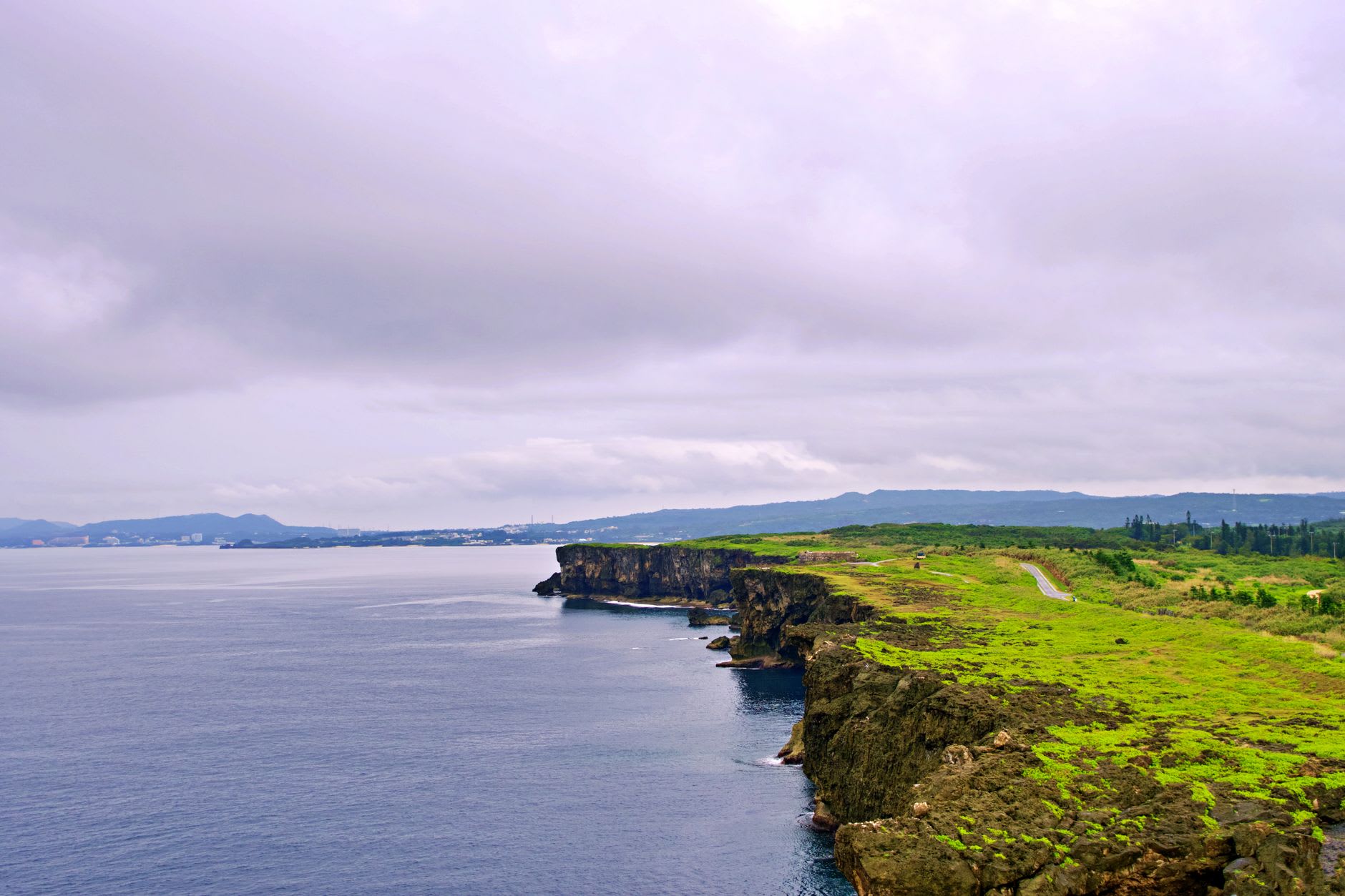
What makes Miyako genuinely interesting rather than merely beautiful is the network of smaller connected islands. The Irabu Bridge, at 3.5 kilometres the longest toll-free bridge in Japan, connects Miyako to Irabu-jima, which connects via smaller bridges to Shimoji-jima. The circuit of these three islands by bicycle is one of the best half-days I’ve spent in the Pacific — the bridges rise over water of a colour that has no adequate English word, the traffic is light, and Shimoji-jima has two lakes connected to the sea by underground passages, which means the water level rises and falls with the tides inside what looks from the surface like an ordinary caldera lake.
I dove the Tōri-ike lake on my second day. Entering from the surface into brackish water that clears rapidly into blue saltwater felt like falling through a transition zone between worlds. Below me, clear to thirty metres, was the passage connecting to the open ocean — coral-lined, current-swept, perfectly lit by shafted light from the surface. I came up shaky with something that might have been nitrogen or might have been awe.
Miyako-jima has a local drinking culture distinct from the rest of Okinawa — the island hosts an annual awamori festival, and per-capita consumption here apparently tops even the rest of the prefecture. The izakayas in Hirara, the main town, have the slightly timeless quality of places where people go every night because they’ve been going every night for decades, and no one is trying to make it more than that.
When to go: April through June for ideal conditions — flat seas, warm water, not yet peak crowd season. November is quieter and the water holds its warmth from summer. The Irabu Bridge bicycle circuit is best before 9am when the day is still cool; in July and August the heat on the flat stretches of road is relentless.