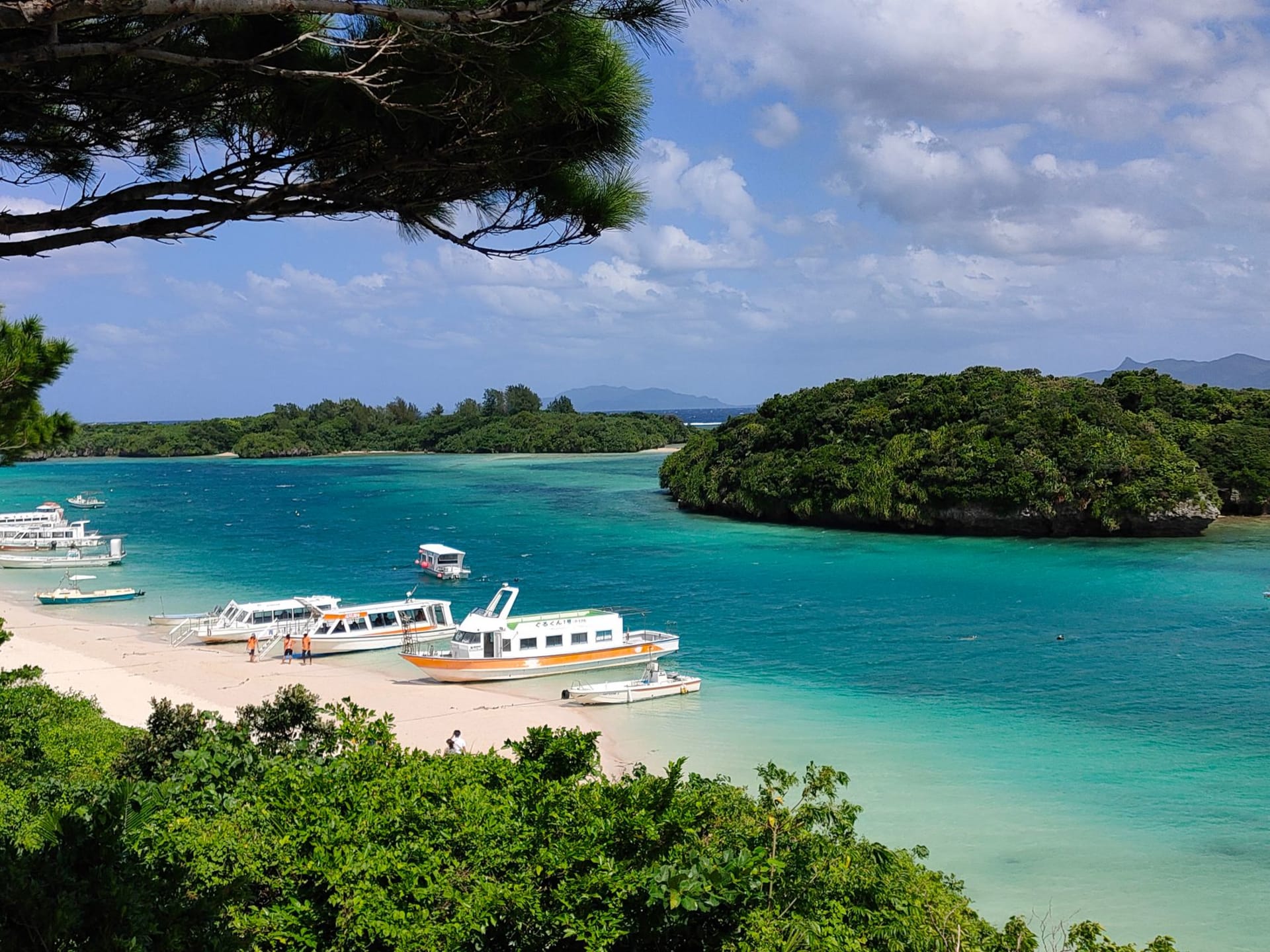
Kouri Island
"The bridge is so beautiful that crossing it on foot feels like walking through someone else's memory."
Kouri Island is connected to the northern Okinawan mainland by a two-kilometre bridge over water that changes colour as you cross it — dark blue above the deep channel, then jade, then something close to mint as the seafloor rises to sand. I crossed it on foot at seven in the morning before anyone else was up, and the bridge made a low sound in the wind like a distant string instrument. The island is tiny — you can circuit the main road in under an hour — with about three hundred residents, a handful of restaurants, and two beaches that face different parts of the sky.
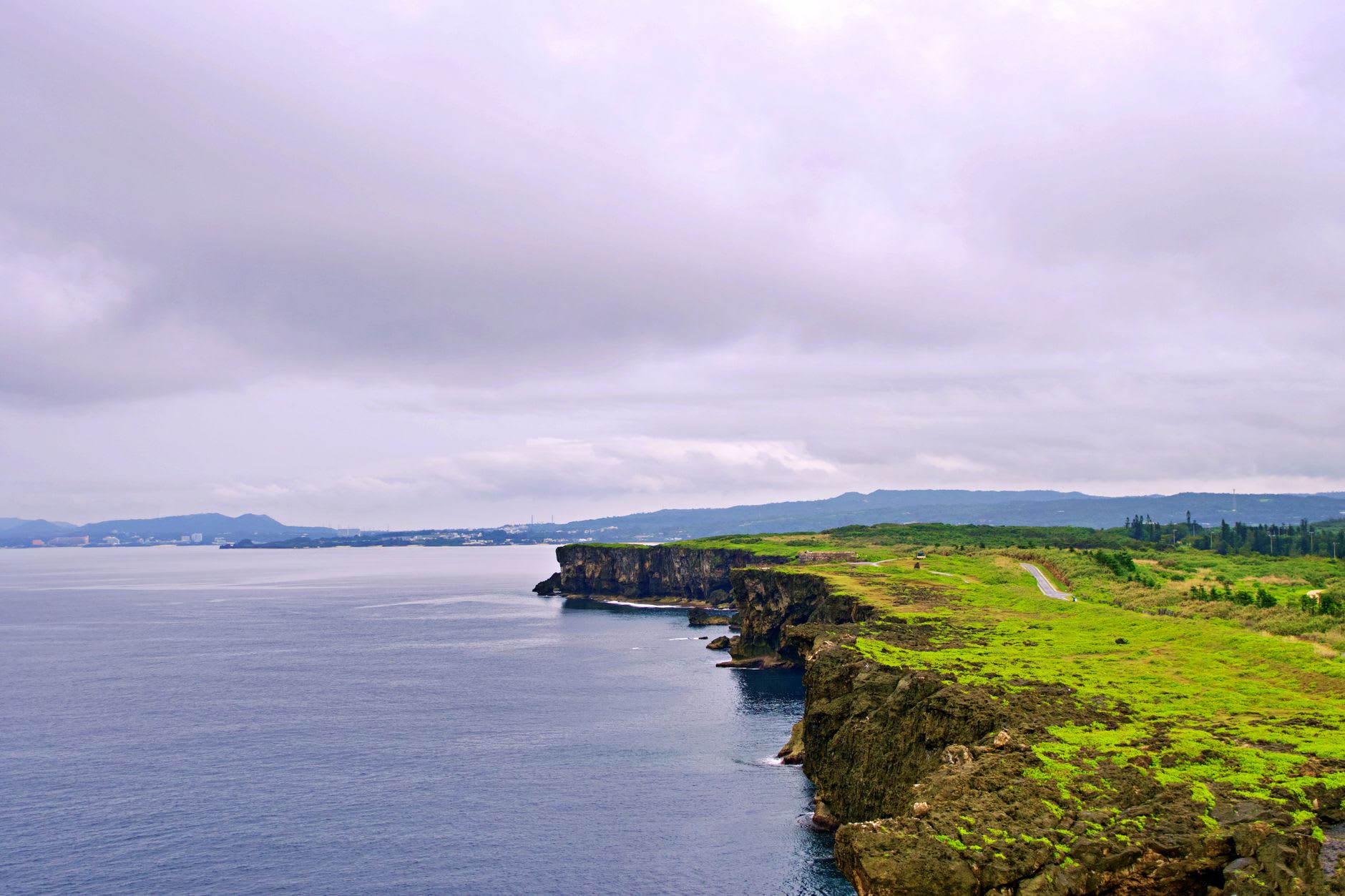
Kouri has an origin myth — the Okinawan version of an Adam and Eve story, in which the island’s first man and woman emerged from the sea hungry and without knowledge, were fed by heavenly providence, and eventually discovered each other. The Heart Rock on the island’s northwestern coast, two naturally heart-shaped coral stones that frame a view of the ocean, has become a pilgrimage spot for couples from the mainland, and on weekends the short path to the rocks becomes a slow procession of people holding phones horizontally. I went at dawn on a weekday and had it to myself, and stood there long enough to understand what they were all coming for: the sea through those rocks at that hour is extraordinary, the kind of scene that earns the attention it receives.
Tinu Beach, on the island’s north coast, is the better of the two main beaches — a small cove of white sand backed by low tidal rocks, with water so clear that fish are visible from the surface at full depth. The snorkeling requires no special equipment or planning, just a mask and the willingness to get cold, and the reef extends from the beach in three directions. I spent two hours in the water and came out with that particular tiredness that only comes from being horizontal in the ocean for longer than you planned.
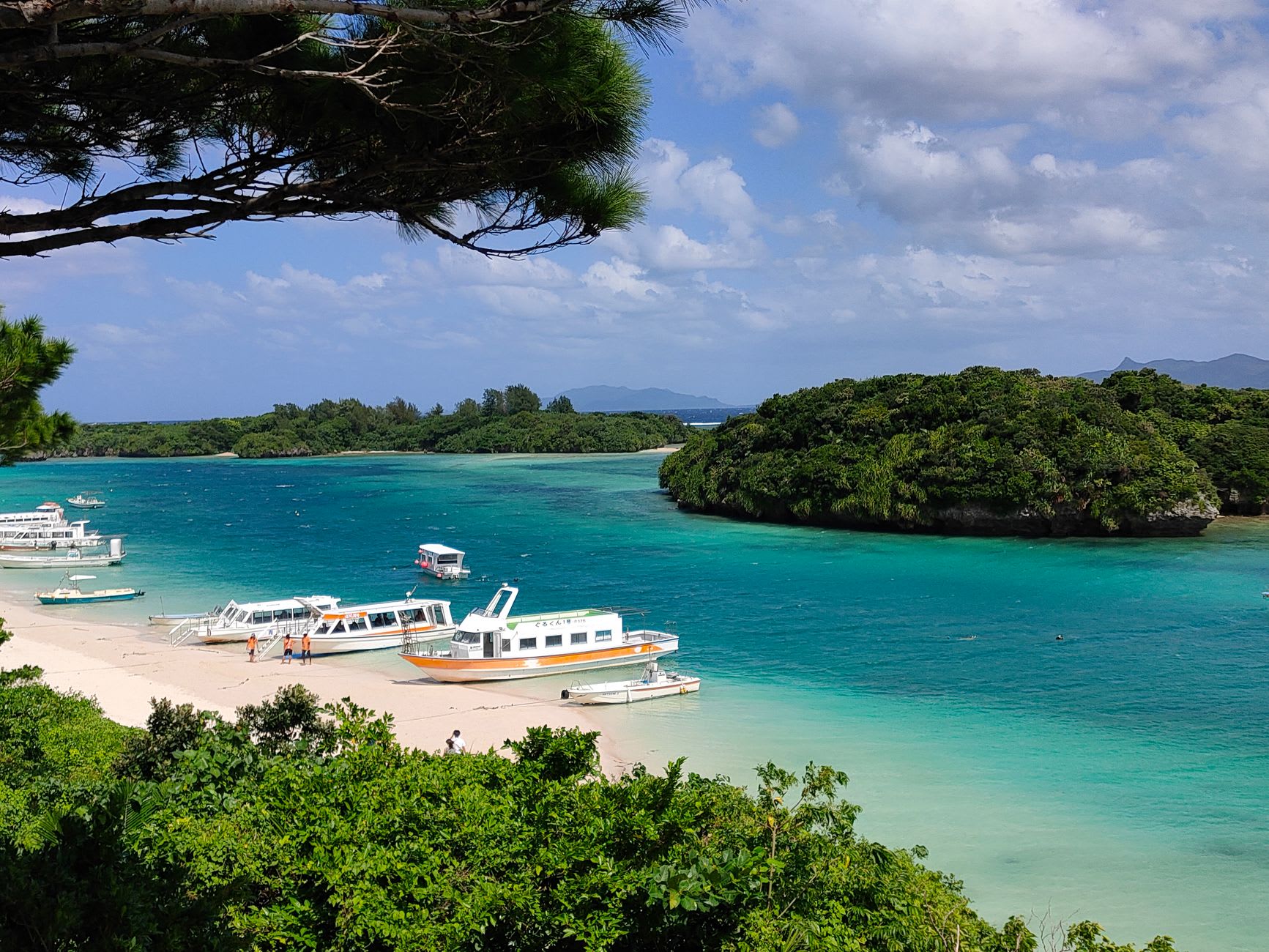
The restaurants on Kouri Island have started doing what restaurants on beautiful small islands always eventually do — serving gorgeous food at prices calibrated to the view. There’s a shrimp truck near the bridge approach that’s been cited in travel publications and now draws a modest queue most days, but the shrimp is fried fresh and eaten at a picnic table looking at the bridge, and the queue moves fast enough that you don’t resent it.
When to go: May through early July for the calmest water and emptiest beaches. October and November after typhoon season for warm water and fewer mainland visitors. Weekdays over weekends — the Heart Rock path in particular gets congested on Saturdays from late spring through summer. Arrive before 8am if you want the bridge crossing to yourself.