Ishigaki Island
"Ishigaki convinced me that the south of Japan's south is a different country from Japan's south."
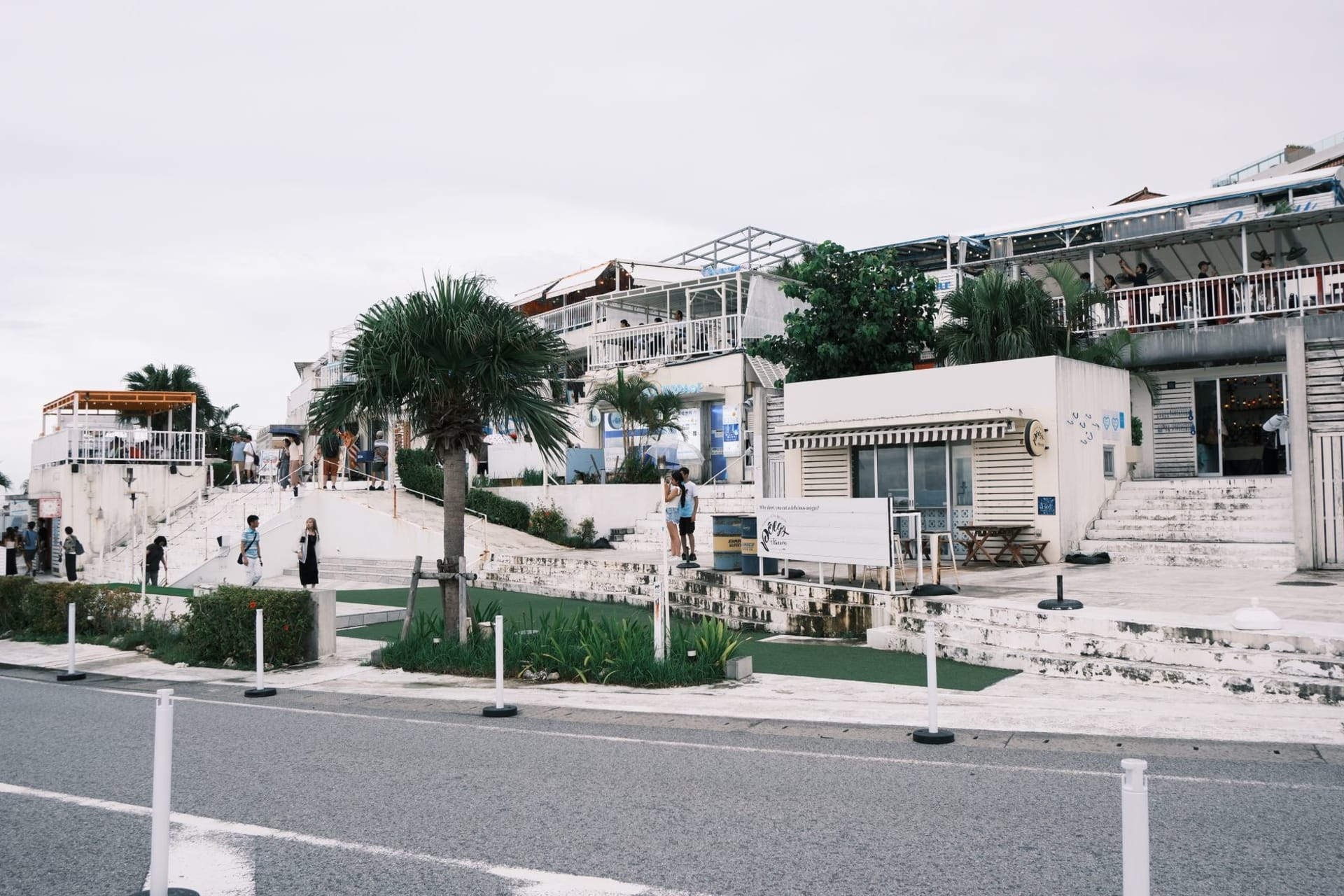
Ishigaki is two and a half hours south of Naha by plane, and you feel every kilometre of it when you step off. The air is different — heavier, wetter, closer to the equator. The vegetation is different too: denser, more tangled, the kind of tropical growth that gives the impression it’s engaged in active combat with anything man-made. Ishigaki town is small and sensible, arranged around a port that sends ferries to all the surrounding islands, and on the evening I arrived I walked through the market arcade and ate yakisoba from a takeaway window and thought: this is a place that knows what it is and isn’t performing anything else.

Kabira Bay, on the island’s northwest coast, is Ishigaki’s most photographed site — a shallow bay of improbable green water scattered with small wooded islets. Glass-bottom boats do slow circuits for the tourists who gather at the viewpoint above. I preferred the viewpoint itself, in the early morning before the boats started, when the water caught the flat light and the birds were louder than anything else. The bay is closed to swimmers — it’s a protected black pearl cultivation area — but the snorkeling to the north, at Yonehara Beach, makes up for it entirely.
Manta rays are Ishigaki’s signature encounter. At Manta Scramble, a cleaning station off the coast near Kabira, rays come in groups to be cleaned by smaller fish — this happens year-round but peaks in spring and summer. I went on a dive with a shop from Ishigaki town and saw seven rays in a single descent, some with wingspans approaching three metres, gliding through the current in slow, deliberate arcs. No one spoke underwater. The appropriate response to a manta ray is silence.

The food in Ishigaki is worth the flight alone. Ishigaki beef — wagyu cattle raised on the island’s grass — is on every menu, often as thin slices over rice or in preparations the mainland has started importing at enormous prices. The sugar cane fields that line the roads north of town produce a local rum that the izakayas mix with calamansi lime and ice, and it is, in my experience, an unreasonably good drink to have while watching the harbour traffic.
When to go: March through June is the ideal window — clear water, manageable crowds, and the best conditions for manta ray diving. October and November are also excellent. The summer months bring the most tourists and the hottest temperatures. Typhoon season runs June through October; September in particular is high-risk for direct hits.