Iriomote Island
"The jungle here doesn't care that you came a long way to see it. That's why it's magnificent."
Iriomote is forty minutes by ferry from Ishigaki and holds the distinction of being Japan’s most remote wilderness — ninety percent of the island is covered by subtropical rainforest that the government has designated a national park and, wisely, kept mostly inaccessible. There is one paved road, running along the coast for about half the island’s perimeter. The interior is rivers and jungle and the territory of the Iriomote wildcat, an endemic species with perhaps a hundred individuals remaining, nocturnal and thoroughly disinterested in being observed. I did not see one. Neither did the guide, a man from the island who’d been leading river trips for twenty years and delivered this information without apology.

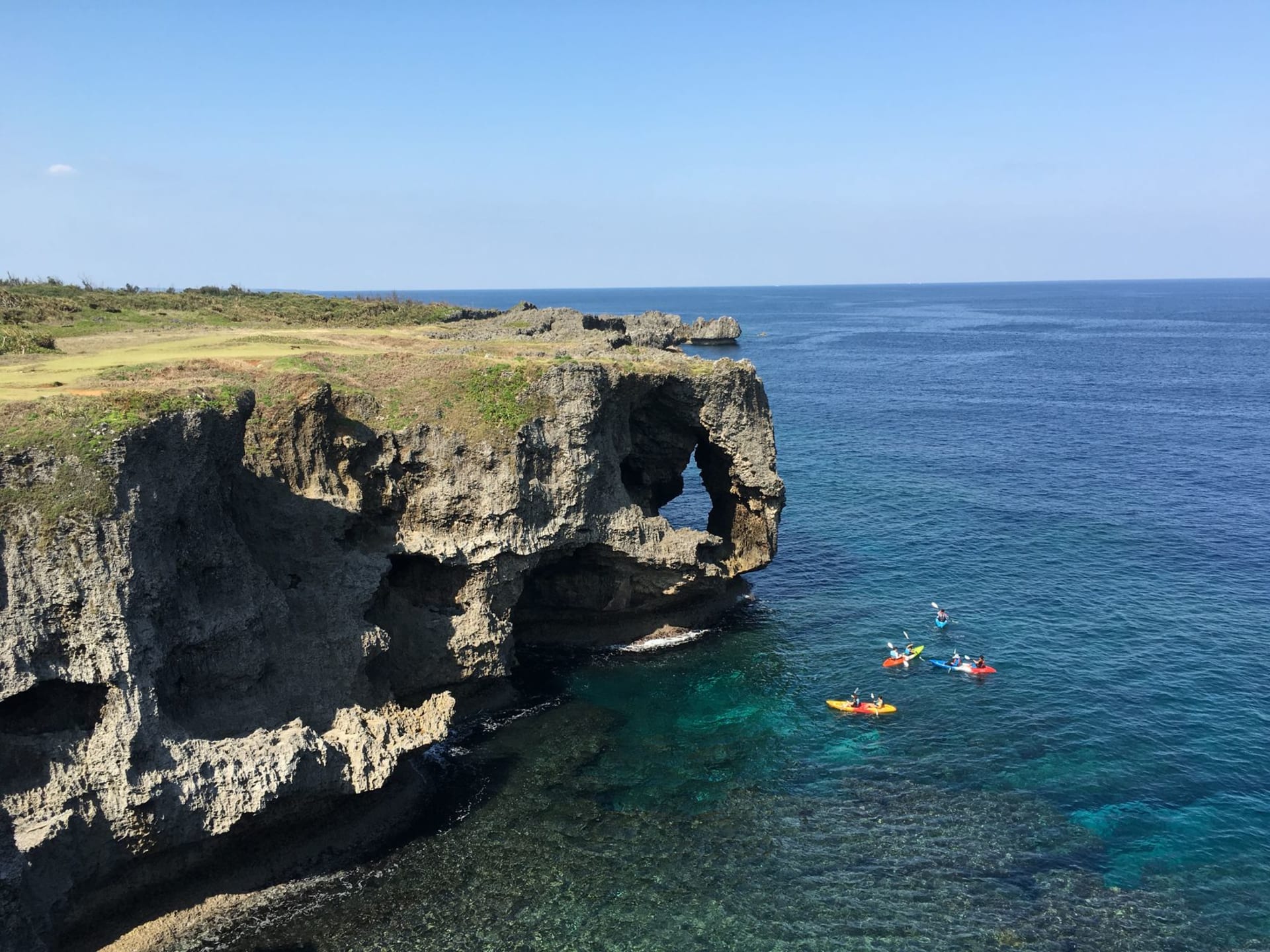
The Urauchi River is what most visitors come for — a slow, wide waterway cutting through mangroves before narrowing into the jungle, where it’s possible to take a kayak or canoe to the base of Mariyudo and Kampire waterfalls. I paddled for two hours, the water dark with tannins from the mangroves, kingfishers making short precise flights between branches above me. The falls at the end were cold and silver and empty of other people, which felt like something close to impossible given where we were in the calendar.
The island’s coastline is also startling. The beaches at Hoshisuna-no-hama — Star Sand Beach — are made of the shells of small organisms called foraminifera, each one shaped like a tiny star. Seeing it in a photograph looks like overactive graphic design. Standing in it and running it through your fingers at low tide, you understand why this island generates the kind of devoted loyalty that brings people back year after year despite the ferries and the limited accommodation and the absence of anything resembling convenience.

Accommodation is limited to small guesthouses and eco-lodges run by people who chose to live here deliberately. The food is local: sea vegetables, the catch of the day, Yaeyama soba with rich pork broth. At night the sky is genuinely dark, which is rarer than it should be, and the sound from the jungle is constant — insects, frogs, things moving in the undergrowth that are probably not wildcats but make you think of wildcats anyway.
When to go: April through June for the best river and jungle conditions before summer heat peaks. November is ideal — the humidity drops, the forest is still deeply green, and the island returns to something close to quiet. Avoid August: the small number of accommodation options fills up months ahead, and the heat combined with humidity makes jungle hiking genuinely punishing.