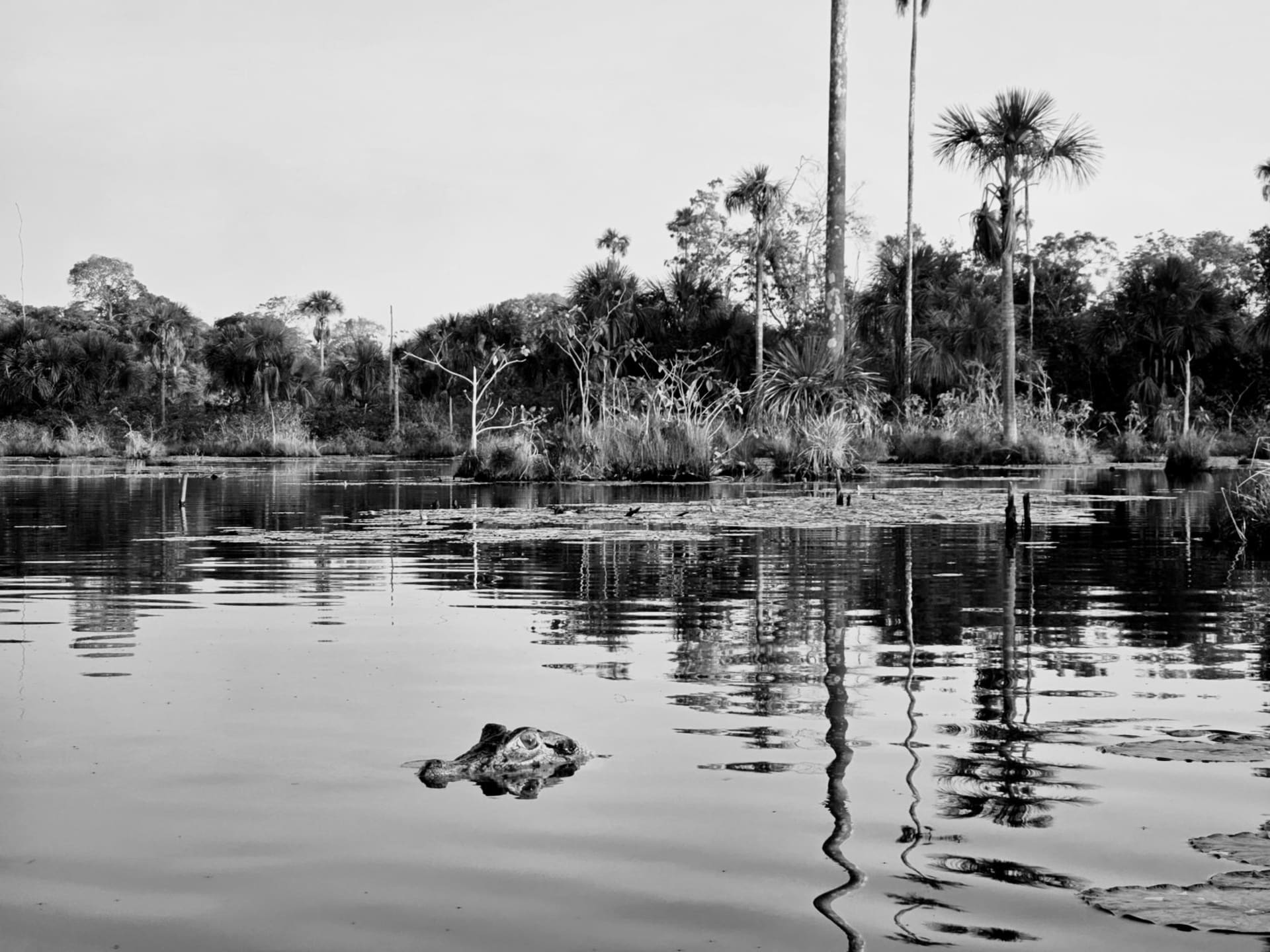
Xakanaxa Lagoon
"At first light, the herons outnumber the thoughts in my head. That's more than I can say for most mornings."
I had set my alarm for five and was at the lagoon edge before the sky had properly decided on a colour. The water was still black. The trees around the far bank were already making a noise — a dense, percussive rattling of wings and calls that in the dark sounded like rain falling on dry leaves. When the light came up, slowly, I understood what I was looking at: a heronry of several hundred birds spread across a stand of dead fig trees, the branches so thick with nests that the individual birds were indistinguishable from the structure itself. Great white egrets, grey herons, yellow-billed storks, a scatter of open-billed storks, and somewhere deeper in the colony, making their low grunting sound, the sacred ibis. The smell hit me after the sight — fishy, sharp, deeply alive.
Xakanaxa Lagoon sits in the southern section of Moremi Game Reserve, reachable by road from the reserve’s Third Bridge area or by boat from the network of delta channels. The name is a corruption of a Setswana phrase meaning something like “place where things pile up,” which describes the lagoon’s particular genius. The channels that feed it deposit nutrients at a rate that sustains aquatic life at near-tropical density. The fish population feeds the birds, which feed the crocodiles, which feed nothing voluntarily and which I gave a very wide berth one morning when I misjudged the distance between my campsite and the water’s edge.
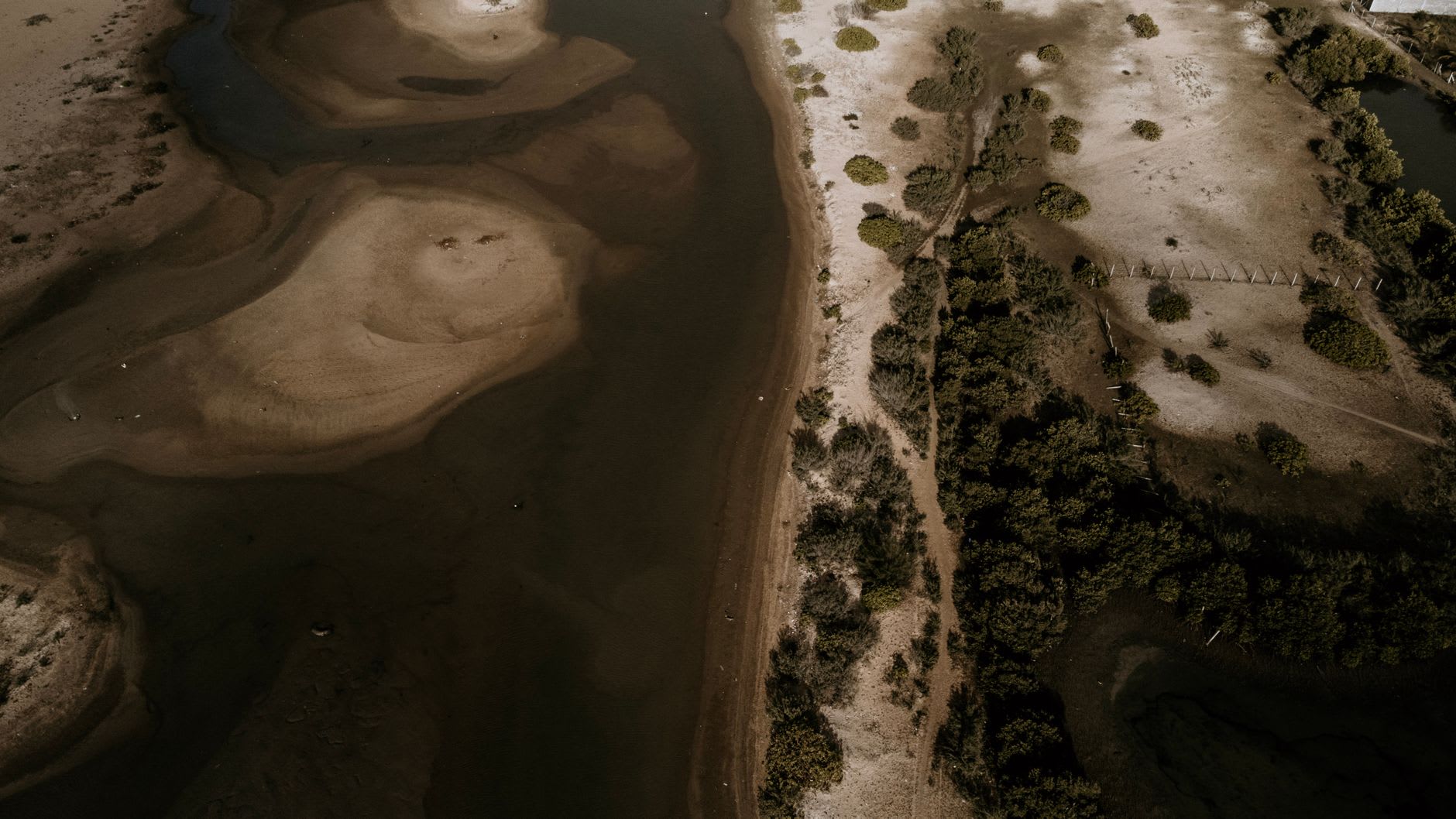
The lagoon campsite — run by the Department of Wildlife and National Parks, basic but gloriously positioned — sits on a peninsula of land that juts into the water, giving you 270 degrees of lagoon view from your campfire. The site takes a limited number of parties and books out months in advance during peak season, which tells you something about its reputation among people who have driven the roads of Moremi more than once. I shared the site on one visit with a Dutch couple who had been coming for fifteen years and who travelled with a laminated bird list that they updated each visit. They had 312 species from Xakanaxa alone.
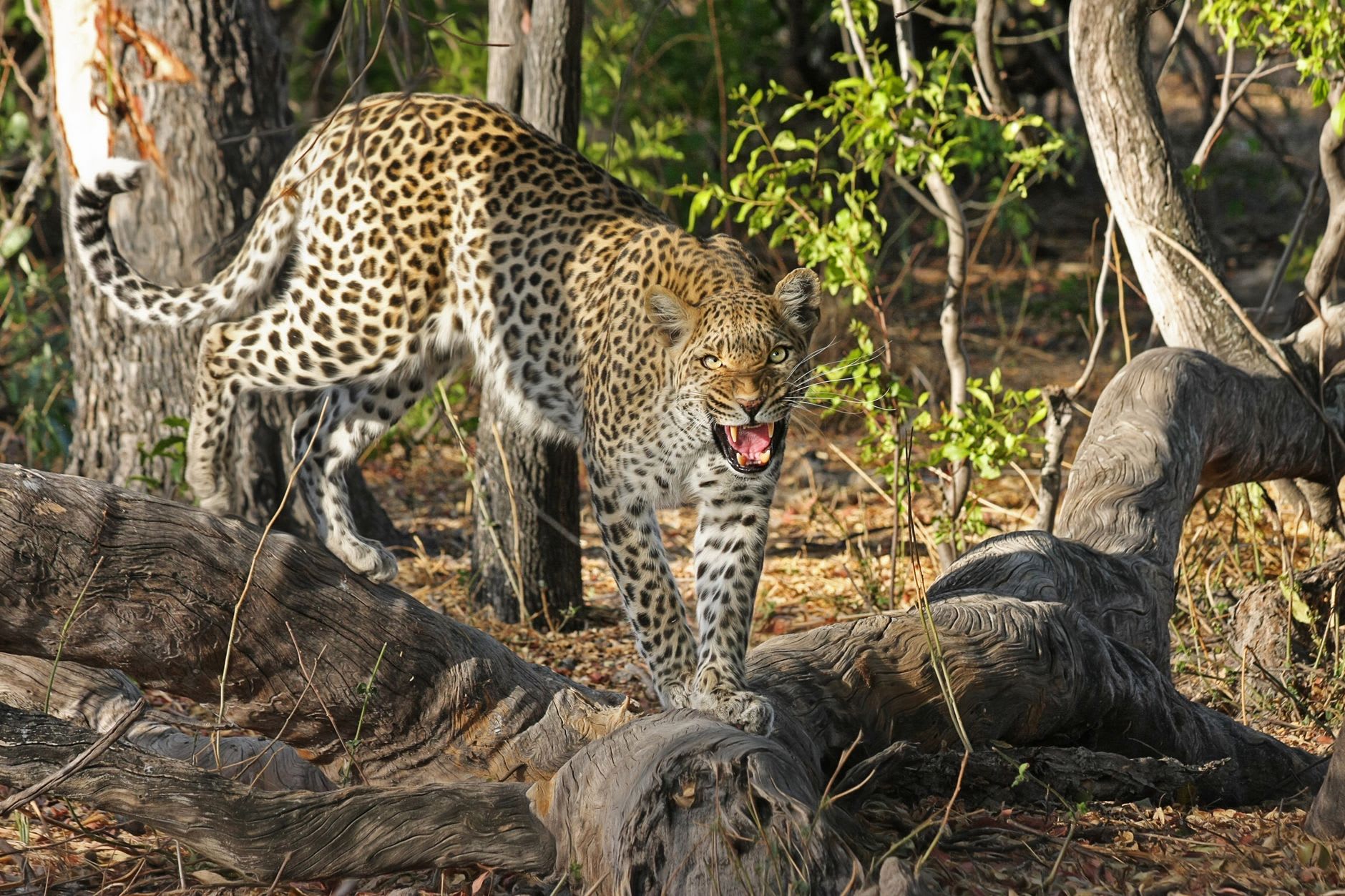
The birdwatching draws the headlines, but the mammal sightings along the lagoon channels are not incidental. The water brings everything into proximity. I watched a leopard drink from the lagoon edge at close range one evening — it moved along the bank with the peculiar combination of fluidity and precision that leopards seem to patent — and then melted into the reed line so completely that I spent ten minutes trying to locate it and never did. Hippos chorus at night from the middle of the lagoon. An otter family worked the shallows in front of my tent one morning, completely indifferent to my presence, diving and surfacing with fish and eating them with a wet, crunching enthusiasm that I found unreasonably charming.
The lagoon operates differently at different times of day and asking which is best is like asking which course of a meal is best. Dawn delivers the heronry in full voice and the light falling across the water at an angle that makes everything look painted. Midday quietens everything to a haze. Late afternoon brings the predators to the water’s edge and the pelicans doing their coordinated fishing circles in the shallows. Sunset is for the egrets flying back to roost, white against the orange sky, unhurried.
When to go: June through September for peak flood and accessible road conditions to reach the campsite from South Gate or Third Bridge. August often delivers the lagoon at its most photogenic — high water, dense bird colonies, and the dry-season wildlife corridor fully active. The heronry is most productive during breeding season, which runs roughly March through September, though the nests are more visible and accessible during the dry months.