Vumbura Plains
"The first time a pack of wild dogs ran past our vehicle, Lia grabbed my arm and forgot to breathe."
A remote camp in the far north of the Delta where floodwaters, wild dogs and community-run conservation meet on open plains.
I’ll admit I had never heard of the Kwedi Concession before a guide at our camp in Moremi mentioned it almost in passing, describing it as “the wild north” of the Okavango Delta. That description turned out to be exactly right. Vumbura Plains sits in a 60,000-hectare reserve leased from five local villages through the Okavango Community Trust, which meant that from the moment we landed on the airstrip, I understood we were guests on land that still belonged, in every meaningful sense, to the people who live around it. Our guide, who grew up in one of those villages, talked about the trust the way you’d talk about a family business — with pride, and a little bit of protectiveness.
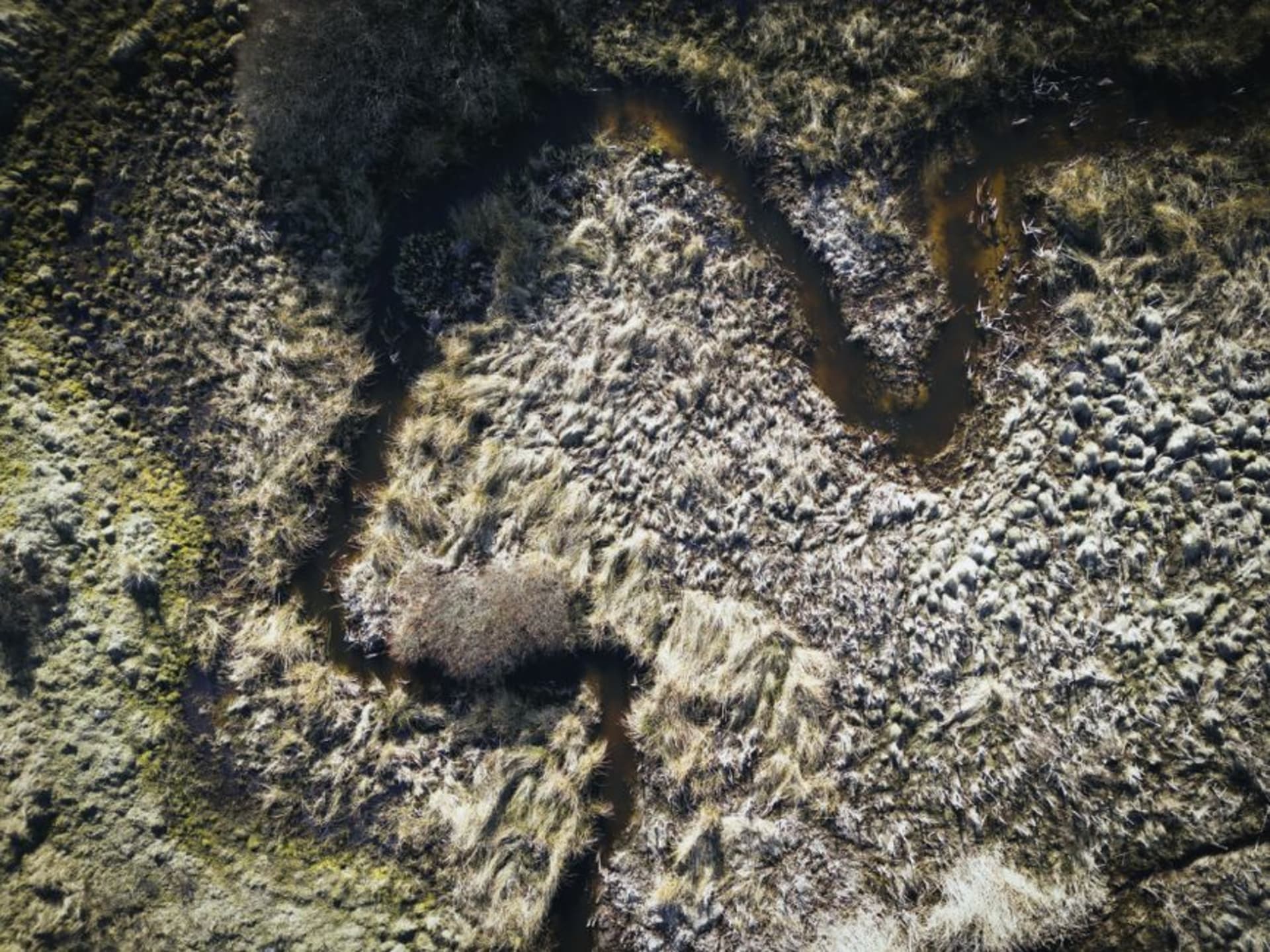
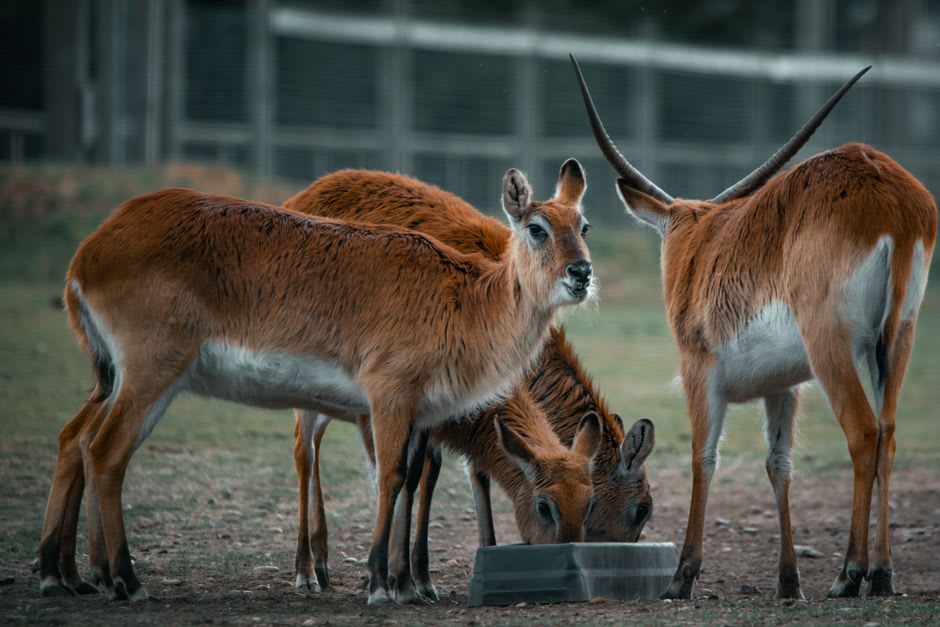
The landscape itself does something I hadn’t quite processed until I saw it: it changes shape with the water. Angola’s highland rains push floodwaters down through the Delta months later, seasonally submerging the open floodplains and mopane woodland around camp, and the whole place reorganizes itself into islands. We arrived in July, right in that window, and one morning our mokoro poler cut across water that, our guide told us, had been dry grassland three months earlier. Lia kept dipping her hand in as we glided past red lechwe grazing knee-deep in the shallows, hundreds of them, twitching at every sound.
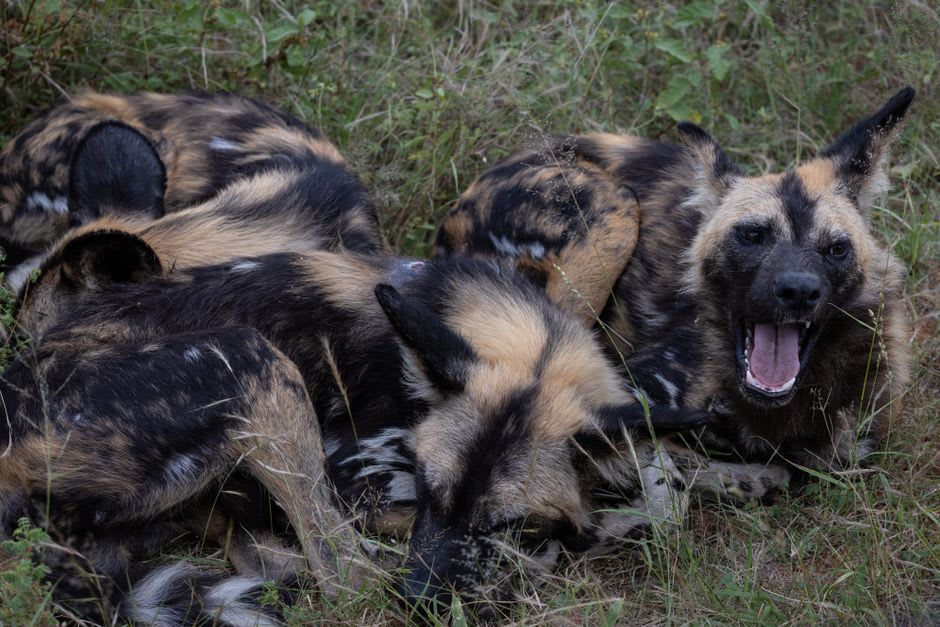
The wild dogs were the thing I hadn’t expected to matter so much. We’d seen lion and leopard elsewhere in Botswana, and a cheetah once, briefly, from far away. But Vumbura is known for its resident pack, and on our second afternoon we found them mid-hunt, fanning out across the plain with that eerie, coordinated urgency wild dogs have. Our guide cut the engine and we just sat there, saying nothing, while the pack worked the open ground and a herd of sable antelope tensed on the far treeline. I’ve watched a lot of wildlife documentaries in my life. Nothing prepared me for how fast it actually happens.
What stayed with me longest, though, was the rhythm of the camp itself — how the northern and southern areas let you switch between mokoro and vehicle depending on how high the water had risen that week. One evening we did a sundowner by boat, gin and tonics balanced on the mokoro’s edge, watching an island’s worth of palms turn black against an orange sky. It felt less like a safari itinerary and more like the Delta was simply deciding, day by day, how it wanted to show itself to us.
When to go: Aim for June through September, when the floodwaters peak and mokoro excursions open up alongside the game drives — that’s when the plains are at their most alive, and when we saw the most concentrated wildlife of our whole Okavango trip.