
Moremi Game Reserve
"Moremi works on both registers — the muddy channel and the open plain — and you feel the shift the instant it happens."
The mokoro nudged through a papyrus curtain and the world opened. One moment we were in a narrow green tunnel that blocked the sky, the next we were on a broad lagoon where a herd of about forty elephants was crossing maybe two hundred metres away. The water was chest-deep on the smallest calves. The adults moved with a kind of deliberate patience, trunks held high, ears fanning slowly. Our guide, Keitseng, held his pole motionless. We sat in absolute silence and watched the elephants cross, the lagoon resealing behind the last animal as if it had never been disturbed.
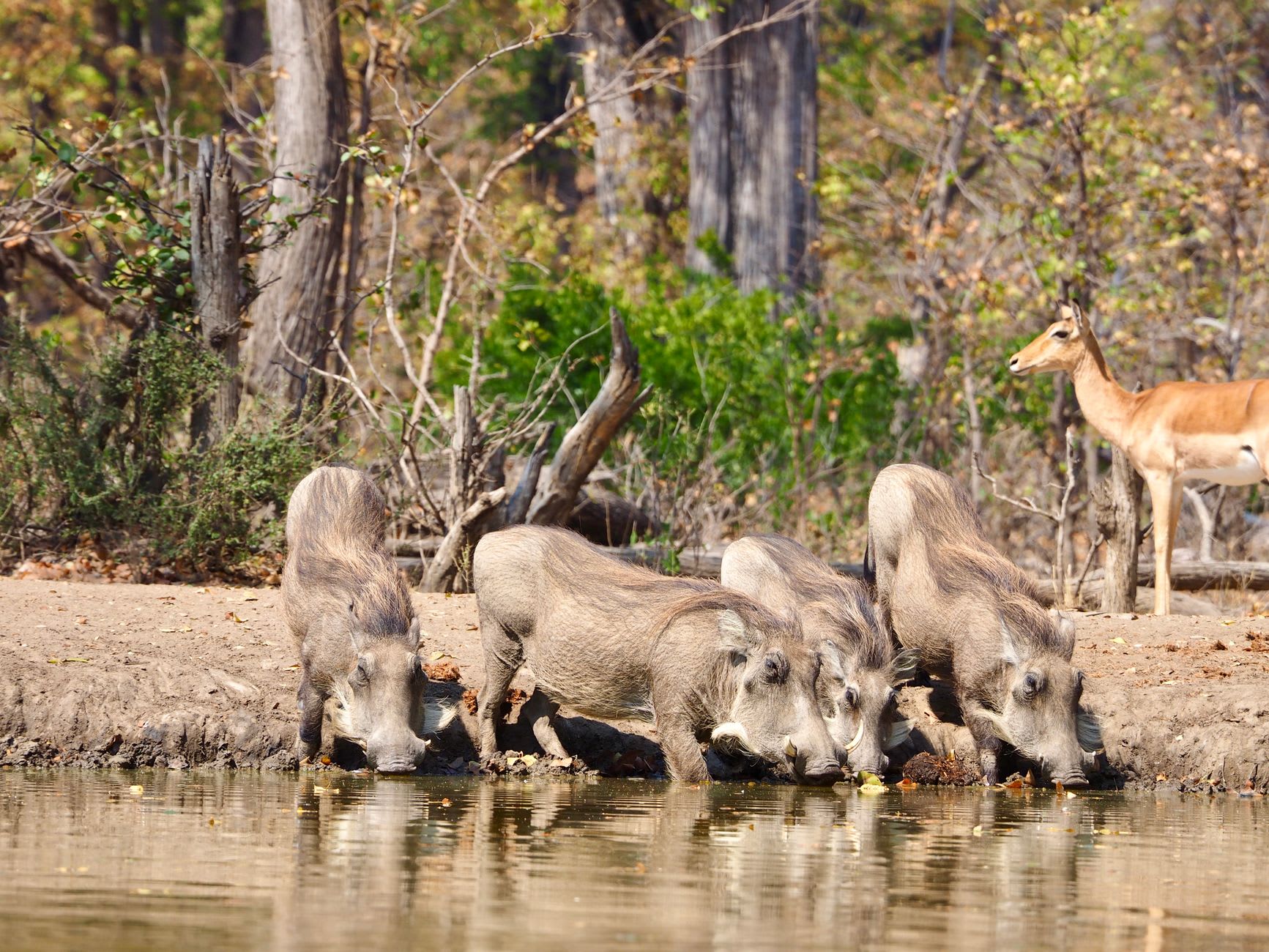
Moremi Game Reserve covers about 5,000 square kilometres in the northeastern section of the Okavango Delta, and its particular genius is that it contains both. The western section — Xakanaxa, Third Bridge, North Gate — is true delta: channels, floodplains, reed beds, floating islands of papyrus. The eastern section, toward the Khwai River and Mababe Depression, is dry woodland and scrub that operates by savanna rules. The animals move freely between these two registers and so do visitors, which is how you end up doing a boat ride in the morning and tracking a leopard through dry mopane forest in the afternoon. I did exactly this on my third day and could not decide which version of Moremi I preferred.
The reserve was gazetted in 1963, established at the urging of Chief Moremi’s widow, Keaboka, who persuaded the BaTawana people to set aside their traditional hunting grounds before the wildlife disappeared entirely. This history is not incidental. It explains why Moremi has always felt different from the private concessions that ring it — it belongs to the people who live with it, and that ownership has survived several political and economic challenges that might have undone a state-managed reserve. The community still debates its management. This is healthy. It means the reserve is alive in a civic sense as well as an ecological one.
Driving the tracks between Third Bridge and Xakanaxa on a September morning is one of those experiences that accumulates detail faster than memory can sort it. The red lechwe crossing a shallow floodplain at a canter, hooves barely touching the water. A saddle-billed stork standing in shallows so still it might be a decoy. Buffalo in the hundreds moving through mopane scrub in a column that takes fifteen minutes to pass the vehicle, their hooves raising a red-dust cloud that drifts across the track. A wild dog, alone, trotting purposefully along the road’s edge before disappearing into the tree line with an economy of movement that looked almost contemptuous.
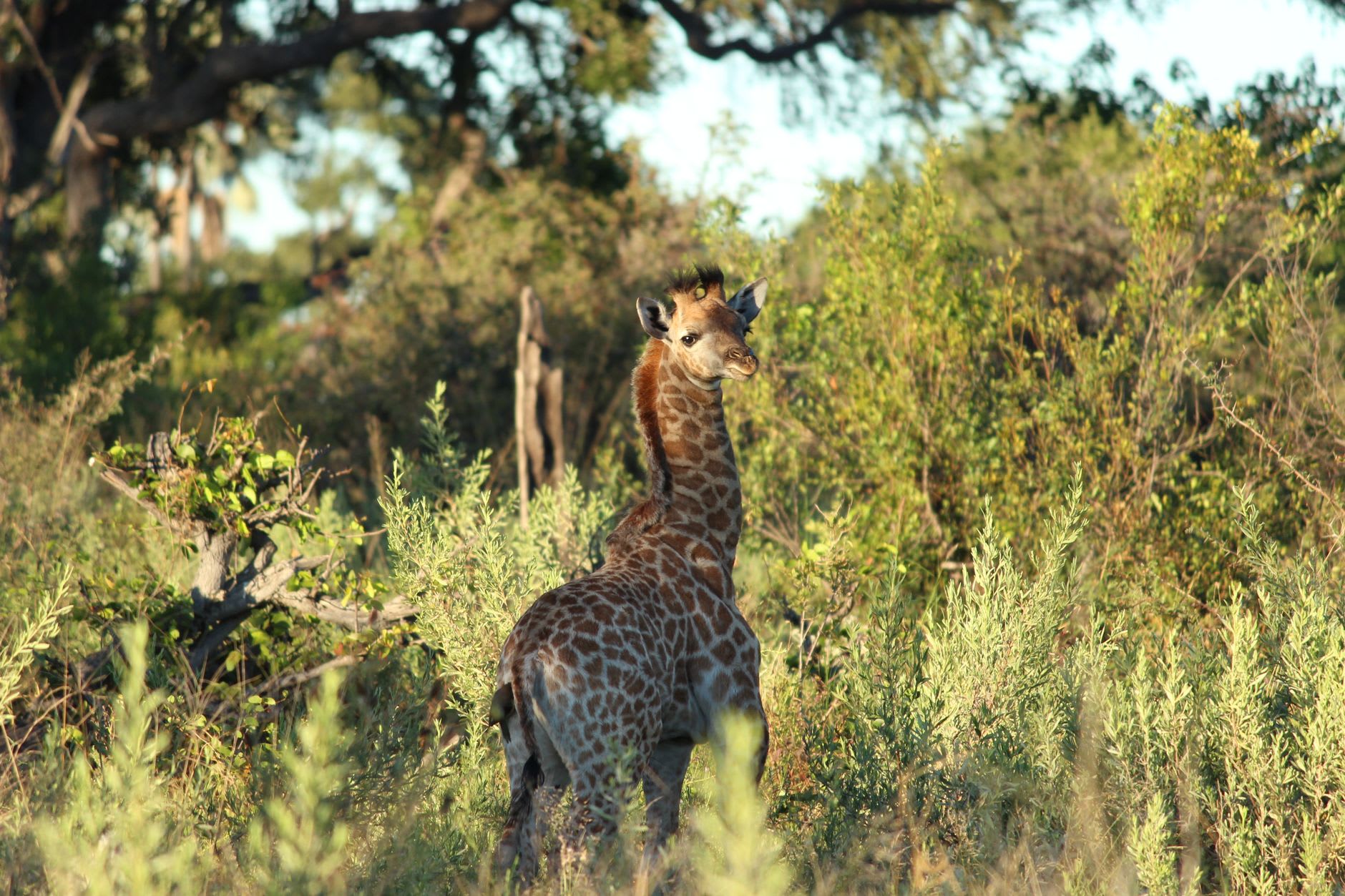
Self-driving is possible in Moremi with a 4x4 and a degree of nerve, and the campsites at Third Bridge and Xakanaxa are legendary among overlanders — not for comfort, since the facilities are minimal, but because the wildlife walks through camp at night and nobody has put up a fence to prevent it. I sat beside my campfire at Third Bridge and watched a hippo graze methodically across the firelight’s edge for forty minutes. It was not afraid of the fire. It was not afraid of me. I was, briefly, afraid of it. This seemed the correct arrangement.
When to go: June through October for peak wildlife, dry tracks, and the flooded channels accessible by mokoro and motorboat. July and August bring the highest water, concentrating animals spectacularly. November through April is wet season — the mokoro channels bloom with water lilies, birding reaches an almost absurd intensity, and the crowds evaporate completely. Some tracks become impassable without a high-clearance vehicle.