Khwai Village
"The village and the wilderness share the same boundary — which is to say, there is no boundary at all."
I’d been watching the herd from the vehicle for maybe twenty minutes when I noticed the woman walking calmly along the path on the far side of the channel, a bucket balanced on her head, completely unconcerned by the twelve elephants grazing between her and the treeline. She walked past them at a distance of forty metres, not fast, not slow, adjusted her path mildly around the bull at the edge, and continued towards the standpipe. The elephants barely registered her. She did not register them at all. This is what it means to live alongside.
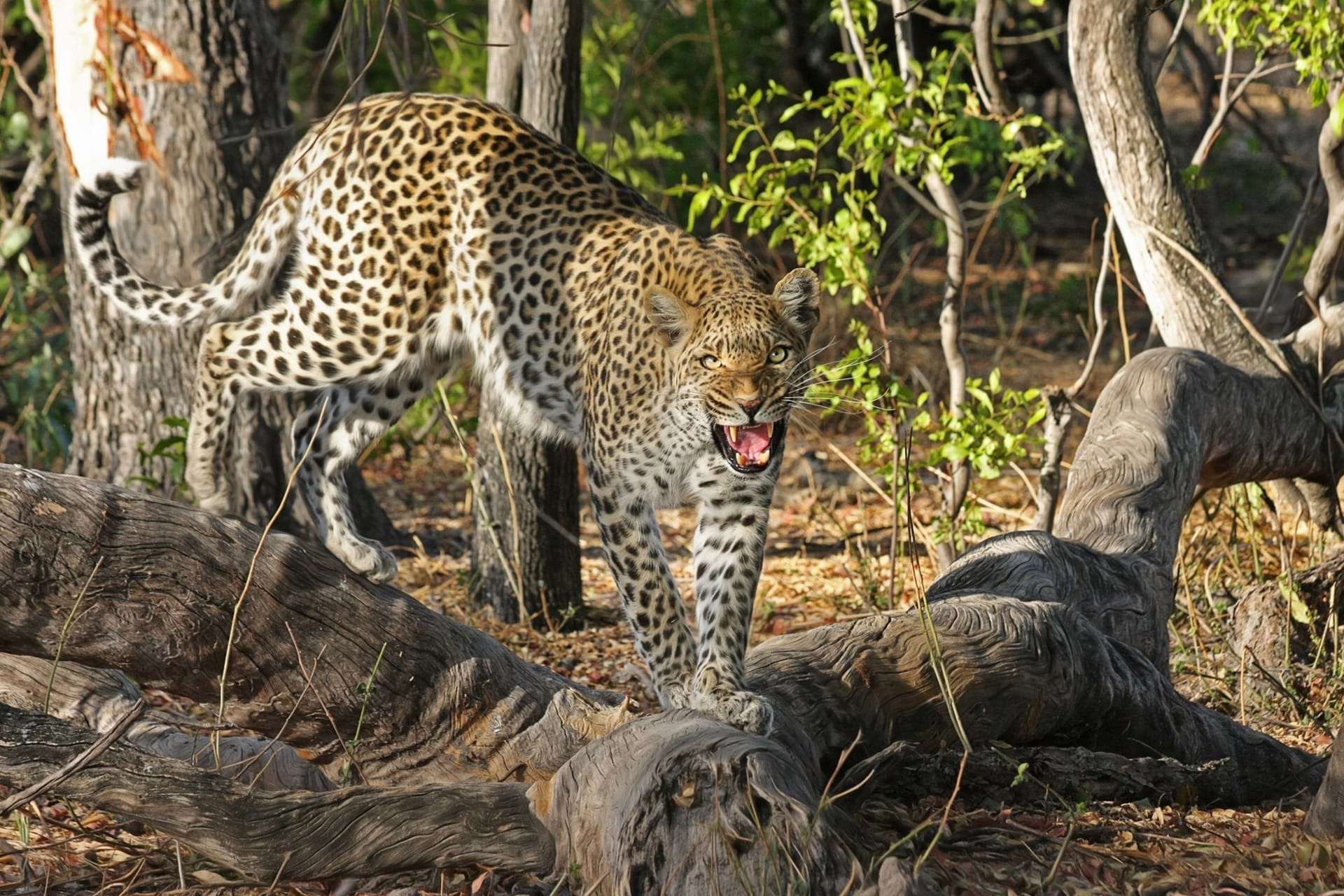
Khwai is a village of roughly 400 people sitting on the northern boundary of Moremi Game Reserve, and it exists in a condition of managed coexistence that more famous safari destinations only gesture at. The Khwai Development Trust manages the community concession that surrounds the village — a vast area of floodplain, mopane woodland, and riverine forest that abuts Moremi to the south and stretches north toward Chobe. The concession fees from the private camps operating within it flow back to the community, funding the school, the health post, and employment for guides, trackers, and camp staff.
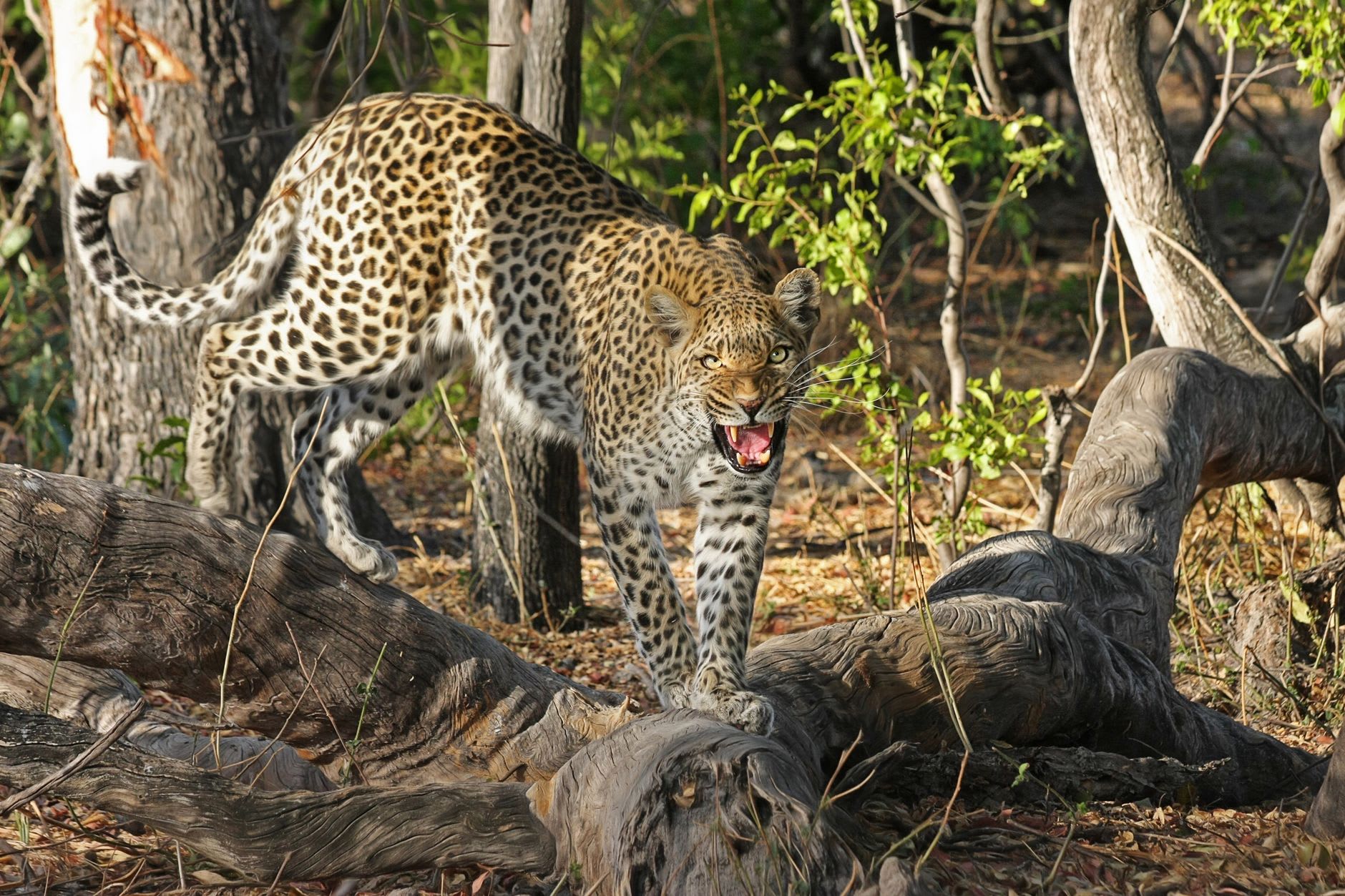
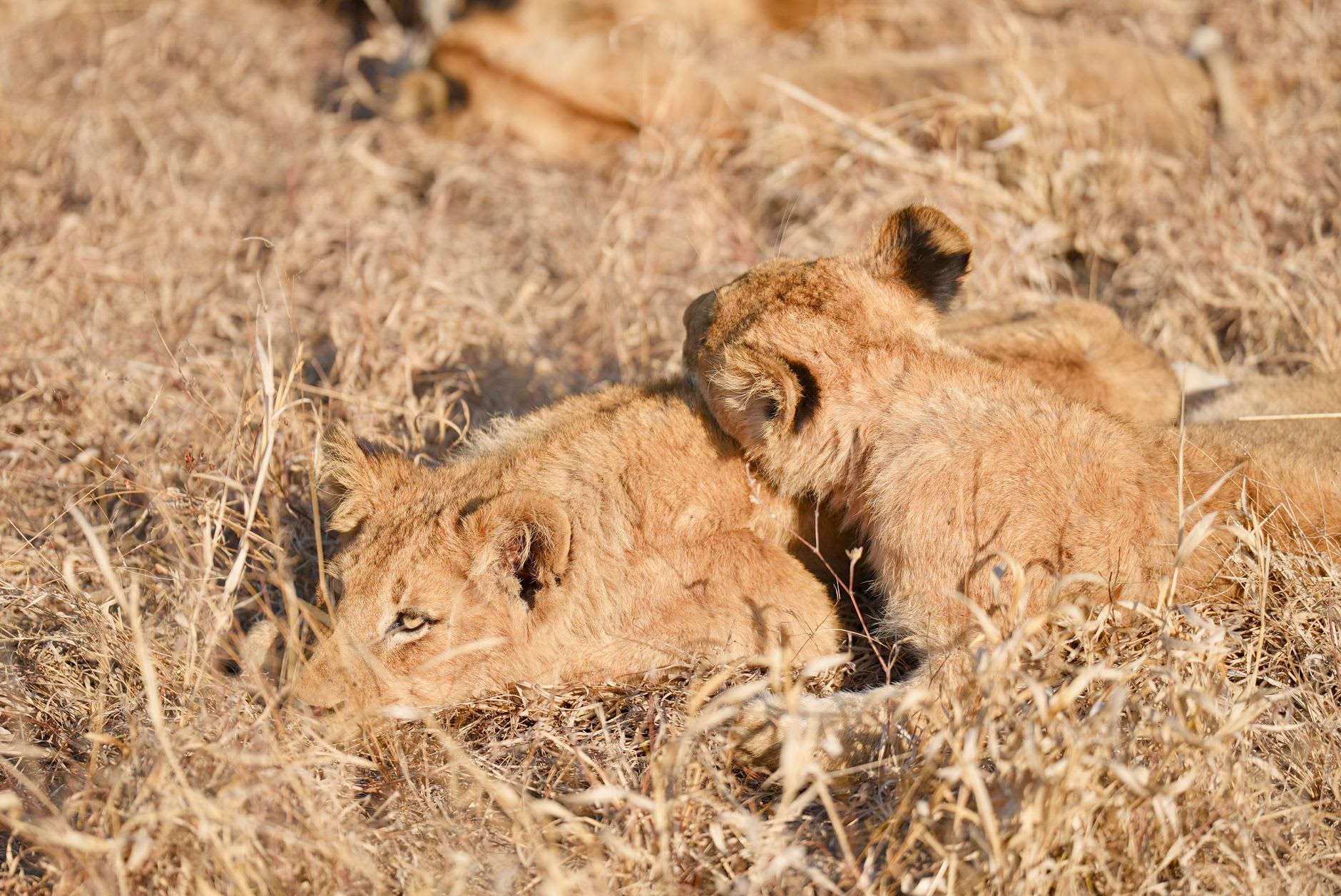
The Khwai River runs along the concession’s edge, and in the dry season it becomes one of the finest wildlife corridors in Botswana. The water draws everything. On a single morning drive along the river road I counted hippo pods in six separate pools, a Nile crocodile on every sandbank, a herd of about three hundred buffalo drinking in four different places along a two-kilometre stretch, and two young male lions, fresh from a kill, lying twenty metres from the road with blood still visible around their muzzles. The guide explained that these two lions were well known and named — he called them something in Setswana that translated roughly as “the ones who are always hungry.” He smiled when he said it.
What Khwai offers that the expensive inner-delta camps cannot is this: a sense of a real place that existed before tourism and will exist after it. The concession and the village are not a theme park. People farm small plots along the floodplain edge. Kids ride bicycles on the main track. The general dealer sells cooking oil and airtime and cold drinks. The guides grew up here and their knowledge of the land is not that of someone trained but of someone raised. This distinction is not trivial.
There is a campsite at Khwai that operates on community trust land — basic, unfenced, positioned beside the river in a grove of sycamore figs. Baboons raid it in the mornings with such methodical efficiency that veteran campers report losing food they had triple-packed. The elephants come down to drink at night, their footsteps surprisingly quiet for animals that weigh five tonnes. I lay in my tent one night listening to the lip-smacking sound of a hippo grazing six metres from my zip, and decided I had chosen the right campsite, even if the campsite felt it had not necessarily chosen me.
When to go: May through October for dry season game viewing along the Khwai River corridor — the prime wildlife period with predictable animal movements and accessible tracks. October can be spectacular as waterholes shrink and animals concentrate intensely. The wet season (November to April) clears the crowds but can render some tracks impassable; the birdlife compensation is substantial, with migrant species arriving in October and November.