Phrae
"Phrae is what Chiang Mai must have felt like before everyone found out about it."
A forgotten teak-trading capital of gilded chedis and silent wooden mansions, where northern Thailand still feels unhurried and unseen.
Lia and I almost skipped Phrae. We’d mapped out the usual northern loop — Chiang Mai, Pai, Chiang Rai — and Phrae wasn’t on it until a guesthouse owner in Chiang Mai told us, almost reluctantly, that his hometown had wooden houses “more beautiful than anything you’ll see on your route.” We rerouted the van two days later. Rolling into the old town at dusk, past a stretch of the original city wall and a moat gone soft and green with algae, I remember thinking it looked like a Lanna kingdom someone had simply forgotten to modernize.
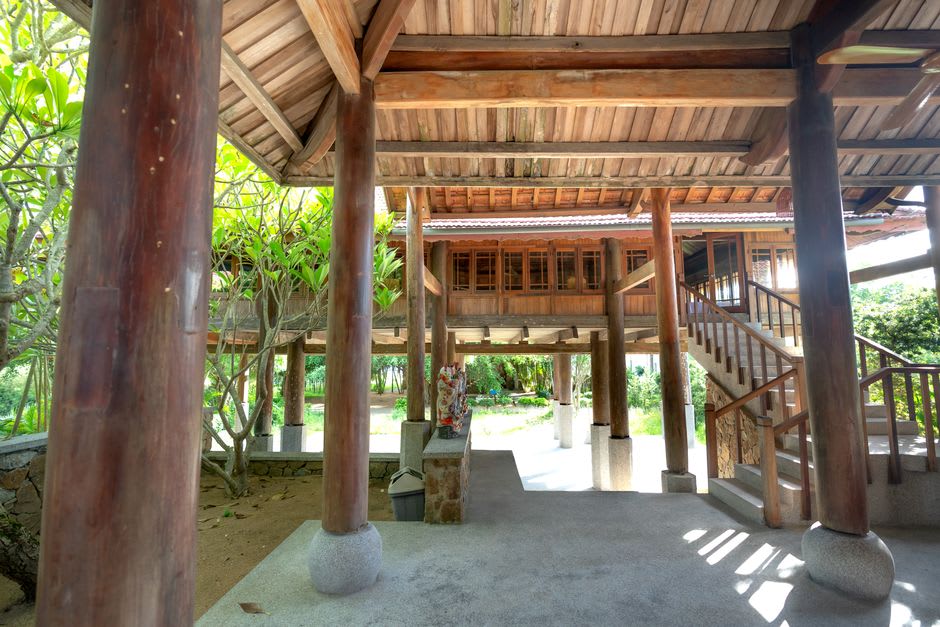
We spent our first morning at Ban Sao Nak, the “house of many pillars,” and I stood in the garden actually counting — I got to about forty before Lia laughed and told me there were 116, all teak, all holding up a mansion built in 1895 by a local timber-trading family. That’s the thing about Phrae that got me: this was once the beating heart of Thailand’s teak logging boom, when British companies and Burmese craftsmen worked side by side and got rich off these forests, and the houses they left behind — Vongburi House especially, with its dark carved eaves and shuttered windows — feel like a private museum nobody else has discovered yet.
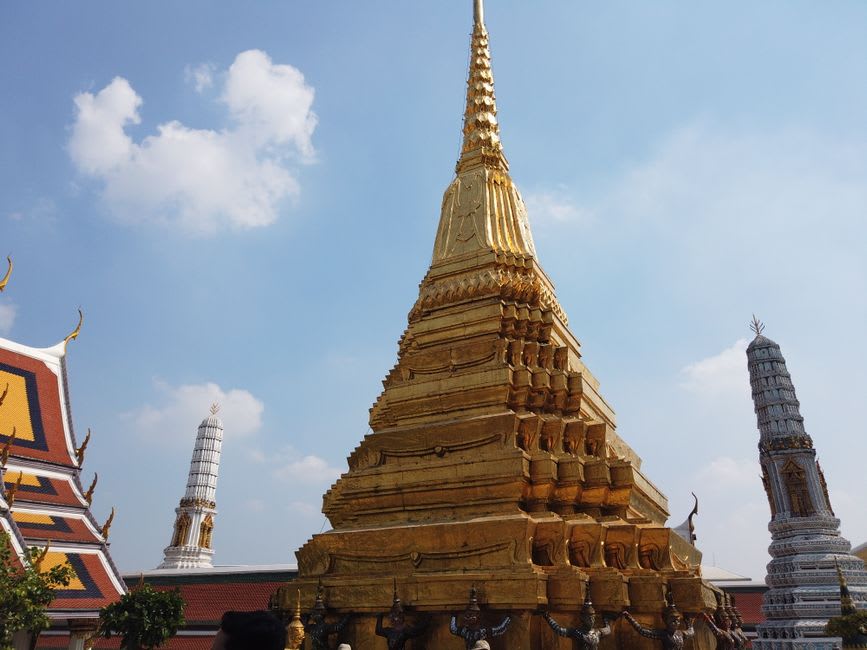
The next day we rode a rented scooter nine kilometers out to Wat Phra That Cho Hae, and I hadn’t quite grasped how revered this temple is until we arrived and found ourselves the only foreigners among dozens of Thai pilgrims circling the golden chedi barefoot. Lia was born in the Year of the Rabbit, and an older woman selling marigold garlands outside the temple gate explained — in a mix of English and gestures — that this exact chedi is the pilgrimage site for people born under that sign. Lia lit incense she didn’t fully understand the ritual behind, and I just watched the gold catch the afternoon light, thinking about how far this place is from any tourist trail and how right that felt.
What I keep coming back to about Phrae is the quiet. We ate khao soi at a plastic-table stall where the owner seemed genuinely surprised to see two foreigners, and we walked the old town at night without passing another traveler. It’s still one of the least-visited provincial capitals in the north, bypassed by nearly everyone racing toward Chiang Mai, and that’s exactly its gift.
When to go: Aim for November through February, when the air turns cool and dry and walking the old town and teak mansions on foot feels like a pleasure rather than an endurance test.
Keep exploring
More from Northern Thailand
 northern-thailand
 Chiang Dao
A small market town beneath a limestone massif that feels like the north's best-kept secret and is slowly becoming less of one.
Explore northern-thailand
 Chiang Mai
Thailand's northern capital earns its reputation not through monuments but through a daily rhythm that makes leaving feel irresponsible.
Explore northern-thailand
 Chiang Rai
Thailand's northernmost city where the Mekong begins to feel close and the temples have never heard of restraint.
Explore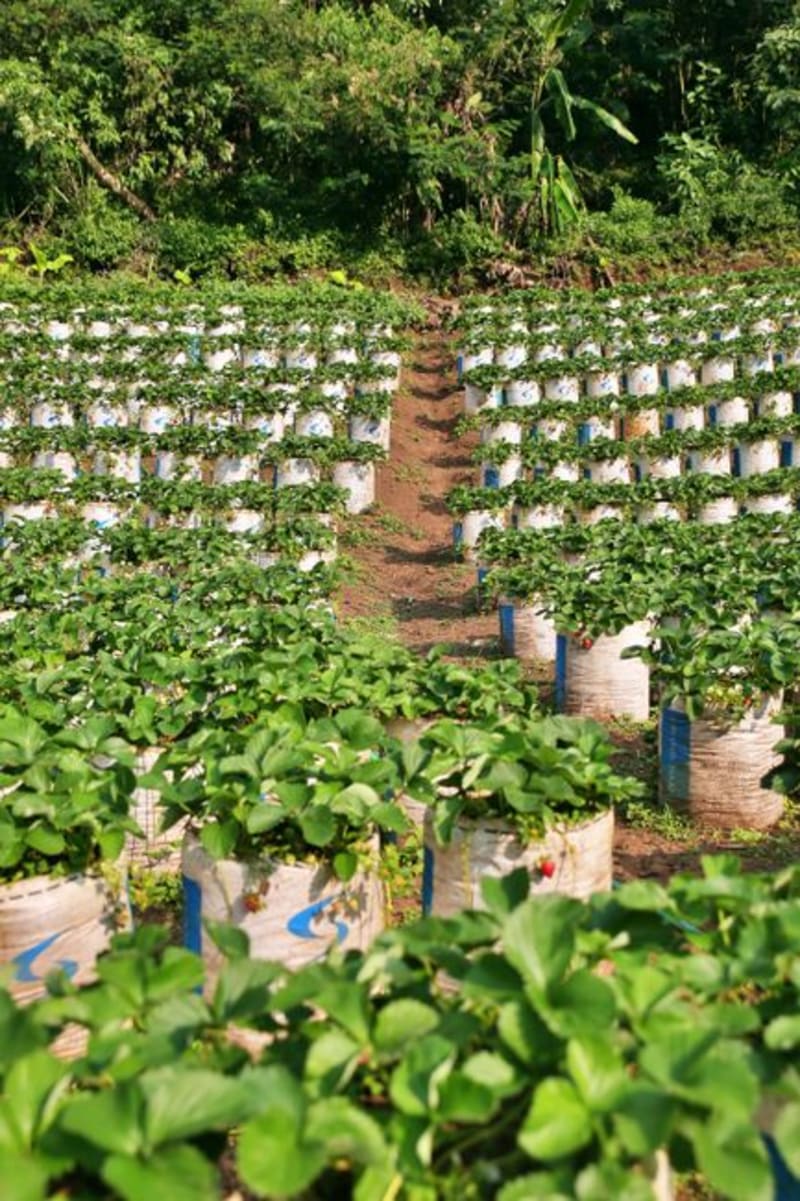 northern-thailand
 Doi Ang Khang
A cold mountain outpost near Myanmar where strawberries and kiwis grow where opium once did, in the coldest corner of Thailand.
Explore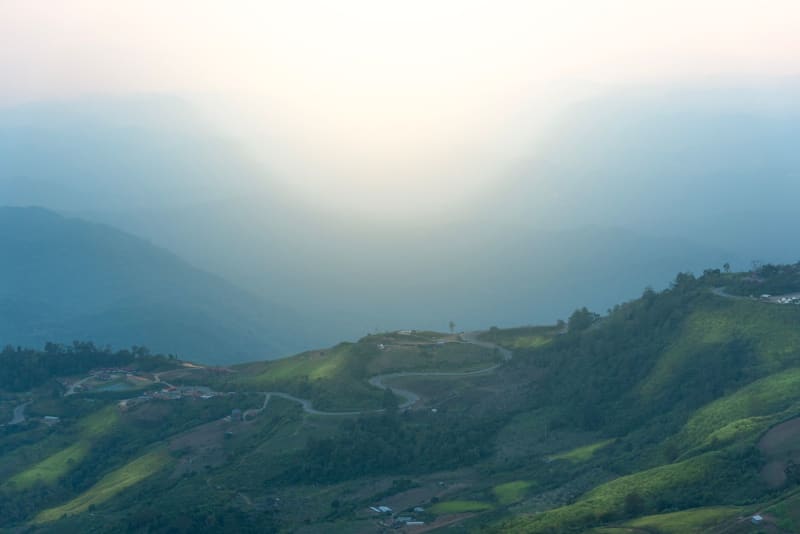 northern-thailand
 Doi Inthanon
Thailand's highest peak where the air turns cold enough to need a jacket and the waterfalls don't apologize for their scale.
Explore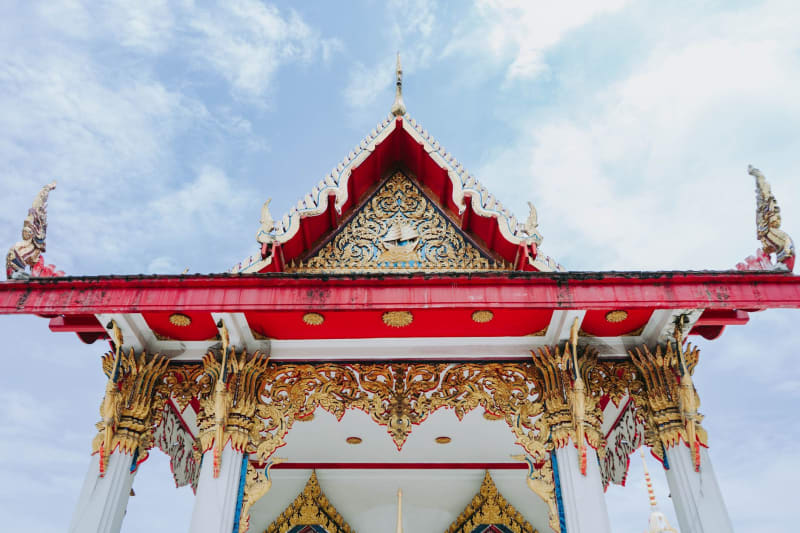 northern-thailand
 Golden Triangle
Where three countries meet at the Mekong and the river carries more history per kilometer than most rivers carry in their entire length.
Explore